Structure of a contract and how to read it

With
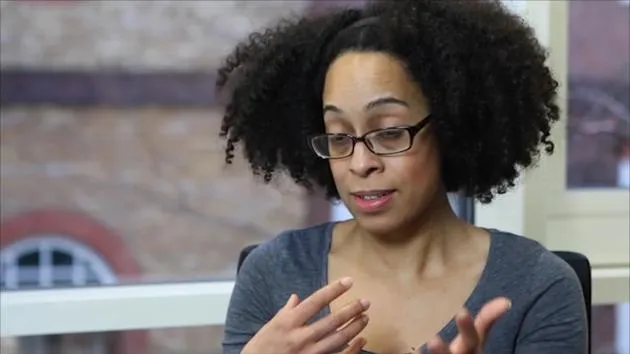
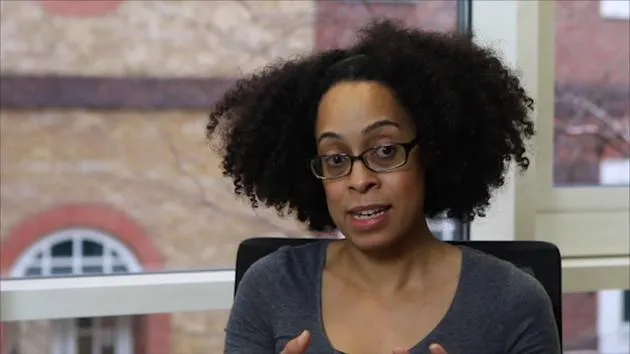
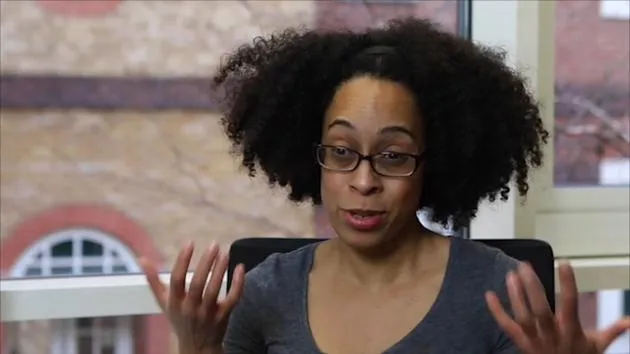
Imogen HeapLucie and Katie walk through the five building blocks of any contract - time, territory, work, obligations and money - and how to read the numbered clauses in context.
What's in the course
44 lessons (2h 11m) · 1 free





















Lesson transcript
Music Lesson: Understanding Contracts
Overview
In this lesson, we will explore the five essential elements that make up all contracts.
1. Time
- Refers to the duration the contract covers.
- Known as the "term" of the contract.
2. Territory
- Defines the region in which the contract applies.
- Often covers the whole world, though specifics may vary.
3. Work
- Clarifies the type of work included in the contract.
- Addresses whether all projects or only some are included.
- Recognizes that artists may have multiple roles (e.g., in a band or as solo artists).
4. Obligations
- Specifies what both parties are required to do.
- Highlights the responsibilities of the manager and the artist.
5. Money
- Discusses the financial aspects of the relationship.
- Covers how managers get compensated for their time and efforts (e.g., via percentage or flat fees).
- Addresses what portion of the artist's earnings are theirs exclusively.
Diving Into Contract Structure
It's worth noting the format of contracts:
- Commission sections are often numbered: 5, 5.1, 5.2, 5.3, and so forth.
- Pay attention to these numbers to understand the hierarchical structure of topics.
- Read consecutive sections for clarity, as they often build on each other.
Importance of Reading in Context
- Contracts should be read in their entirety to grasp their full meaning.
- Isolated reading may lead to misunderstandings.
Clause Example
Reflecting on a specific clause, we see:
"I shall not be entitled to be paid commission on any monies advanced to you for the use of recording costs, video costs, Internet, website costs received from record or publishing companies, equipment costs, third party producers, advances and royalties, recoupable talk support, per diem's paid to you, recoupable sums paid to a third party for the purpose of independent promotion or marketing, any monies received from the sale of equipment or monies due to you, but not paid and received by you."
- This clause emphasizes the lack of "breathing space," contrasting with the rhythm found in song lyrics.
- The key term is "notwithstanding," indicating an exception to the rules outlined previously.
Conclusion
Understanding these components and the importance of reading contracts in context will significantly enhance your ability to navigate agreements in the music industry.
44 lessons
2h 11m of structured video lessons
Advanced video features
Slow down, loop a passage, follow along
Mobile, tablet & desktop
Practise wherever you are
100% satisfaction guarantee
30-day money-back guarantee
Meet your guru
Meet your guru
Imogen Heap is a Grammy-winning English singer, songwriter, producer and technologist whose influence runs through two decades of pop, electronic and film music — and through much of the technology modern artists now take for granted.
Born in London in 1977 and classically trained on piano, cello and clarinet, she released her debut album 'iMegaphone' in 1998 before forming the duo Frou Frou with producer Guy Sigsworth, whose song 'Let Go' reached a global audience through the film Garden State. Her self-written, self-produced album 'Speak for Yourself' (2005) delivered 'Hide and Seek', the a cappella landmark that later powered Jason Derulo's chart-topping 'Whatcha Say' and Ariana Grande's 'Goodnight n Go', and continues to find new generations of listeners.
'Ellipse' (2009) won the Grammy Award for Best Engineered Album, Non-Classical — recorded and engineered in her own home studio — and she went on to co-write and produce 'Clean' on Taylor Swift's Album of the Year-winning '1989'. She also composed the score for the stage play 'Harry Potter and the Cursed Child'.
A relentless innovator, Heap developed the MI.MU gestural gloves — recognised with three honorary doctorates — and founded Mycelia and The Creative Passport, initiatives building a fairer data ecosystem for artists. In 2024 she returned with 'What Have You Done to Me?', created with her AI vocal alter ego Mogen, while a viral resurgence of 'Headlock' brought her music to millions of new fans.