When do you need a lawyer

With
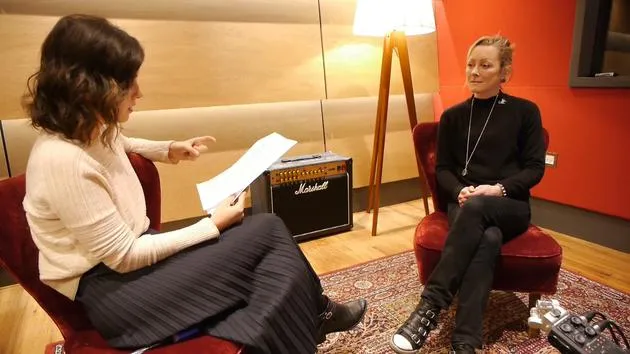
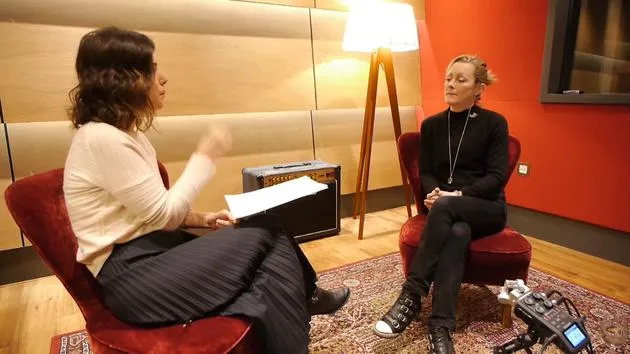
Imogen HeapWhen should you bring a lawyer in? Most musicians wait until a deal is on the table, but building that relationship earlier pays off.
What's in the course
44 lessons (2h 11m) · 1 free




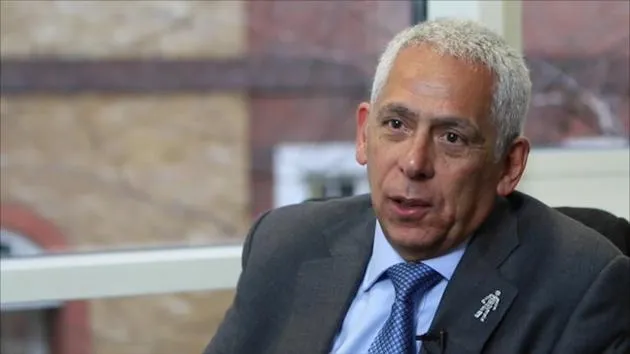
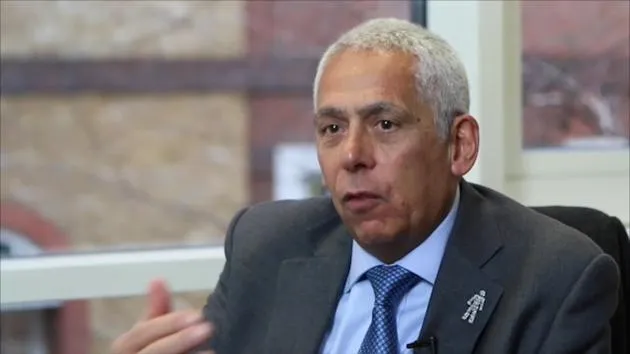
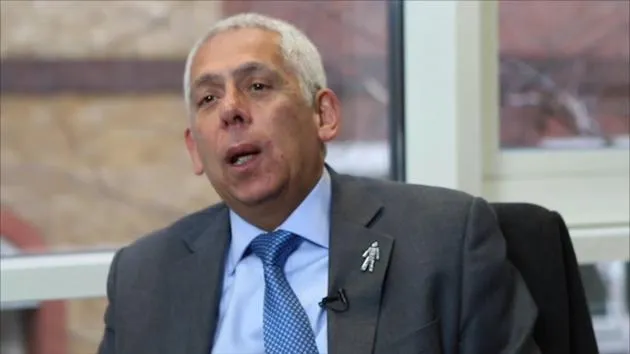
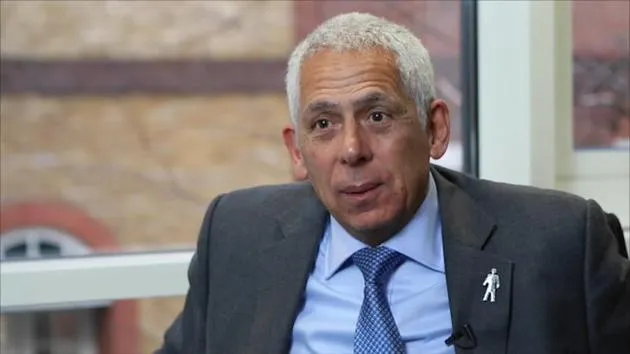
Lesson transcript
Building Professional Relationships in the Music Industry
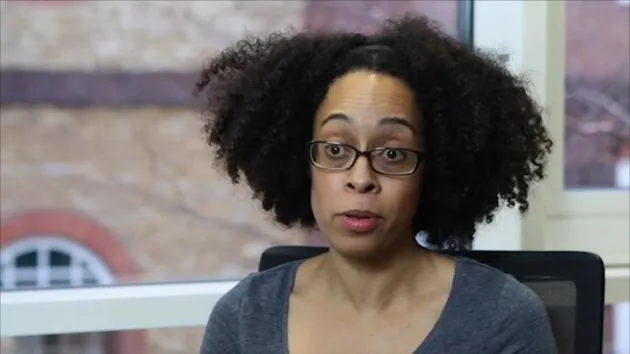
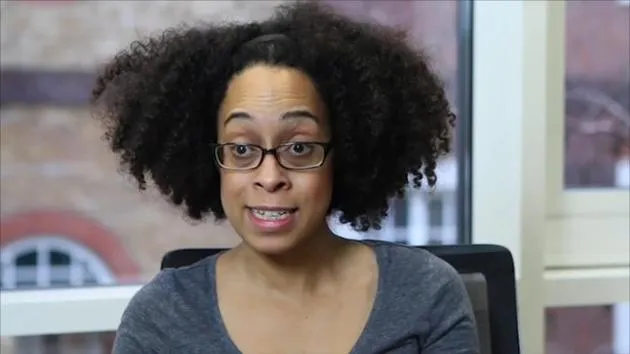
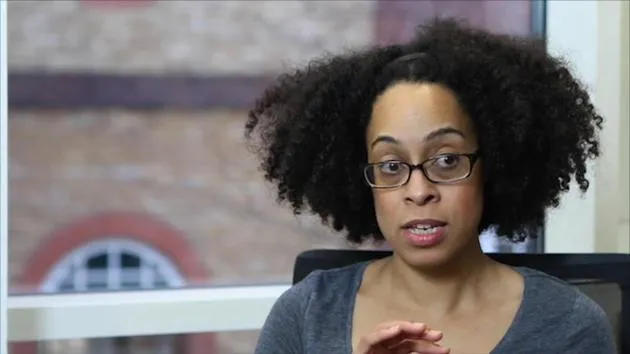
I think it's important that you try and make connections with professionals before the deals land. This way, you'll have a relationship with someone you can trust.
Key Points to Remember:
- Established Relationships: Before deals come in, connect with industry professionals.
- Early Communication: Don't wait until a deal is presented. Reach out and establish communication early.
- Understanding Needs: Know who you're talking to and what kinds of things they are looking for. This facilitates reasonable conversations.
The Importance of Background:
Instead of saying, "This has just come in from X Label, do you think I should sign it?", it's better to approach the situation with:
- Context: Have a bit of background on the artist.
- Goals: Understand their ultimate aims.
This allows you to provide informed advice rather than simply judging a deal as good or bad. For example, instead of saying, "Yes, this is a good deal" or "No, this is a bad deal", you could indicate:
- "This isn't really what you were looking for."
- "This doesn't align with where you want to go."
Long-Term Business Perspective:
It's not uncommon to see clients for the first time when they've just been offered something. However, if you're considering your business as an artist in the long term:
- You should start thinking about what deals you're looking for.
- Begin to put your team around you.
Final Thoughts:
It's always worth getting in touch with lawyers and other professionals:
- Introduce Yourself: Make those important connections early.
- Foster Relationships: When deals come along, you'll have someone to go to, with whom you already have a bit of a relationship.
By following these strategies, you'll be better prepared to navigate offers and make decisions that align with your artistic and business goals.
44 lessons
2h 11m of structured video lessons
Advanced video features
Slow down, loop a passage, follow along
Mobile, tablet & desktop
Practise wherever you are
100% satisfaction guarantee
30-day money-back guarantee
Meet your guru
Meet your guru
Imogen Heap is a Grammy-winning English singer, songwriter, producer and technologist whose influence runs through two decades of pop, electronic and film music — and through much of the technology modern artists now take for granted.
Born in London in 1977 and classically trained on piano, cello and clarinet, she released her debut album 'iMegaphone' in 1998 before forming the duo Frou Frou with producer Guy Sigsworth, whose song 'Let Go' reached a global audience through the film Garden State. Her self-written, self-produced album 'Speak for Yourself' (2005) delivered 'Hide and Seek', the a cappella landmark that later powered Jason Derulo's chart-topping 'Whatcha Say' and Ariana Grande's 'Goodnight n Go', and continues to find new generations of listeners.
'Ellipse' (2009) won the Grammy Award for Best Engineered Album, Non-Classical — recorded and engineered in her own home studio — and she went on to co-write and produce 'Clean' on Taylor Swift's Album of the Year-winning '1989'. She also composed the score for the stage play 'Harry Potter and the Cursed Child'.
A relentless innovator, Heap developed the MI.MU gestural gloves — recognised with three honorary doctorates — and founded Mycelia and The Creative Passport, initiatives building a fairer data ecosystem for artists. In 2024 she returned with 'What Have You Done to Me?', created with her AI vocal alter ego Mogen, while a viral resurgence of 'Headlock' brought her music to millions of new fans.