Who owns what rights?

With
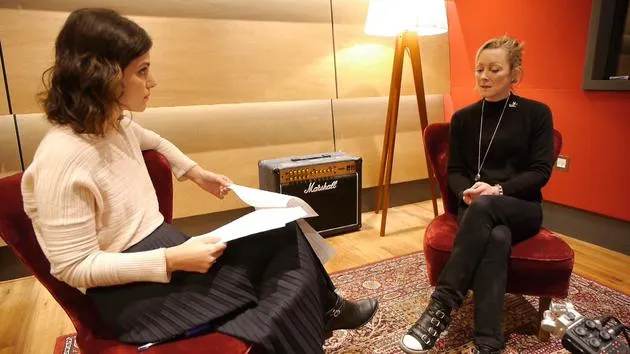
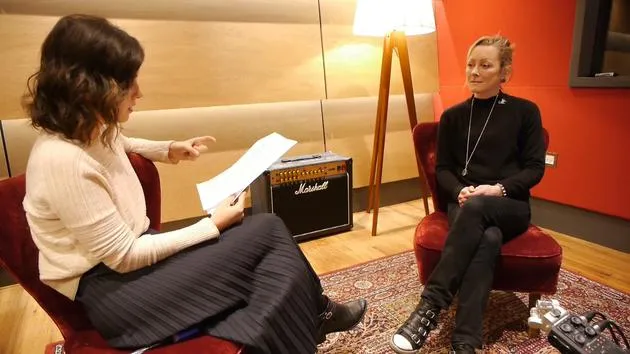
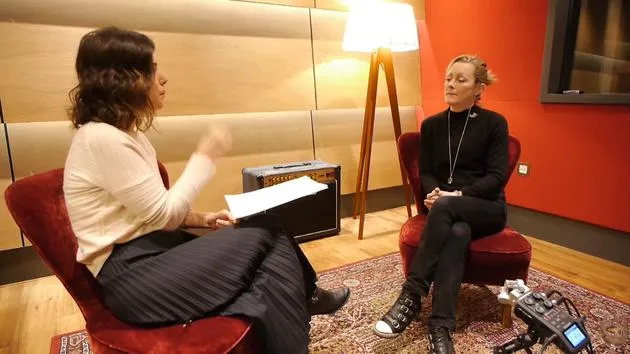
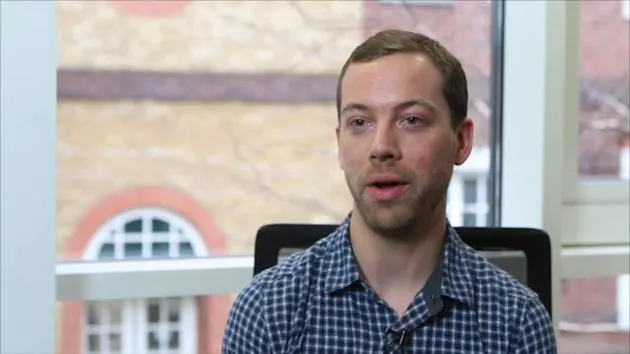
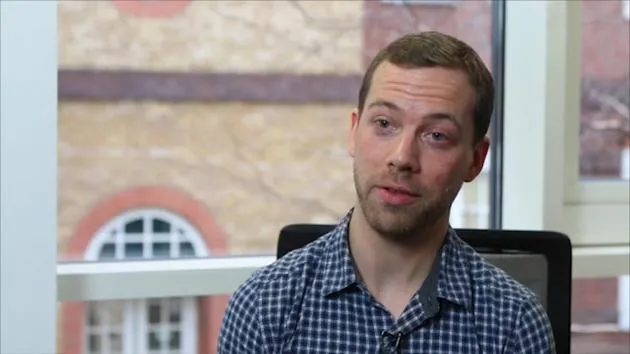
Imogen HeapPete explains who owns the rights to your music and lyrics - why you start out owning your work, and which rights you can later sign over to a publisher.
What's in the course
44 lessons (2h 11m) · 1 free
Lesson transcript
Understanding Music Ownership: Rights and Agreements
Ownership of Music and Lyrics
- In England and Wales, the author of music and lyrics is the first owner of those works.
- This ownership persists unless the works were created in the course of employment, which is not the focus here.
Rights as a Writer
-
As a writer, you start by owning your creations. The legislation grants you various rights, including:
- The right to copy your works
- The right to publicly perform them
- The right to adapt them
-
Many of these rights can be transferred to a publisher under an exclusive publishing deal, but some will be retained.
Public Performance Rights
- Public Performance Right: This right is usually retained, especially if you are a member of PRS or another collection society.
- When you assign certain rights to PRS, you can also assign some to the publisher.
Songwriting Rights and Record Labels
- When entering a deal with a record label:
- You typically grant services to the label, meaning they will want to own the results of those services.
- As a result, the record label usually owns the rights to the sound recordings you create.
Term and Negotiation of Rights
- The duration and terms of these rights depend on the contract.
- It is becoming common for artists to negotiate a license deal, which means rights will revert to the artist after a specified period.
- In some cases, artists may not have that option, and labels may retain rights for the duration of copyright.
Sound Recordings and Collection Societies
- In the UK, the collection society for sound recordings is PPL. They have various rights related to sound recording rights.
- This field can be quite complex.
Seeking Guidance
- It is advisable to consult with collection agencies and societies to understand your rights and obligations clearly.
- The specifics of your deal with a publisher or record label will greatly influence these aspects.
44 lessons
2h 11m of structured video lessons
Advanced video features
Slow down, loop a passage, follow along
Mobile, tablet & desktop
Practise wherever you are
100% satisfaction guarantee
30-day money-back guarantee
Meet your guru
Meet your guru
Imogen Heap is a Grammy-winning English singer, songwriter, producer and technologist whose influence runs through two decades of pop, electronic and film music — and through much of the technology modern artists now take for granted.
Born in London in 1977 and classically trained on piano, cello and clarinet, she released her debut album 'iMegaphone' in 1998 before forming the duo Frou Frou with producer Guy Sigsworth, whose song 'Let Go' reached a global audience through the film Garden State. Her self-written, self-produced album 'Speak for Yourself' (2005) delivered 'Hide and Seek', the a cappella landmark that later powered Jason Derulo's chart-topping 'Whatcha Say' and Ariana Grande's 'Goodnight n Go', and continues to find new generations of listeners.
'Ellipse' (2009) won the Grammy Award for Best Engineered Album, Non-Classical — recorded and engineered in her own home studio — and she went on to co-write and produce 'Clean' on Taylor Swift's Album of the Year-winning '1989'. She also composed the score for the stage play 'Harry Potter and the Cursed Child'.
A relentless innovator, Heap developed the MI.MU gestural gloves — recognised with three honorary doctorates — and founded Mycelia and The Creative Passport, initiatives building a fairer data ecosystem for artists. In 2024 she returned with 'What Have You Done to Me?', created with her AI vocal alter ego Mogen, while a viral resurgence of 'Headlock' brought her music to millions of new fans.