Understanding your business and its investors

With
Imogen HeapIndustry advisors explain the different ways to fund a music career, from grants and crowdfunding to equity investment, and what investors expect in return.
What's in the course
44 lessons (2h 11m) · 1 free

Lesson transcript
Lesson on Music Industry Finance
Introduction
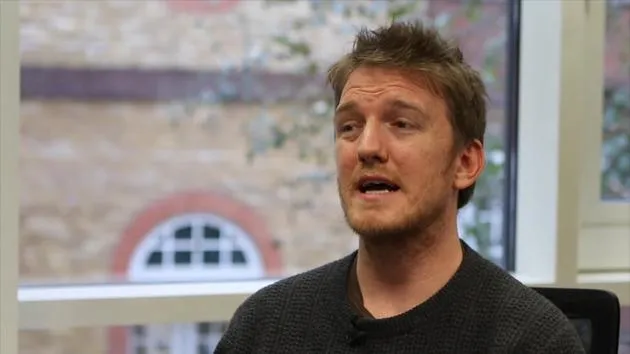
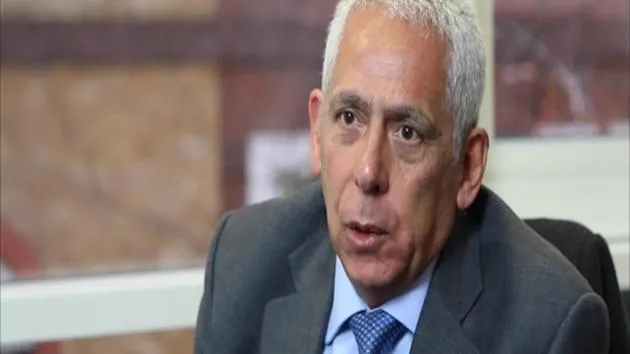
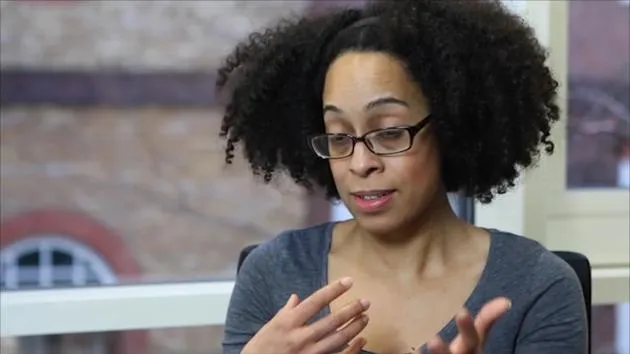
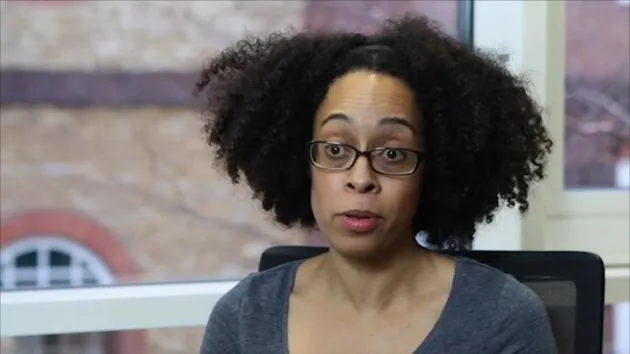
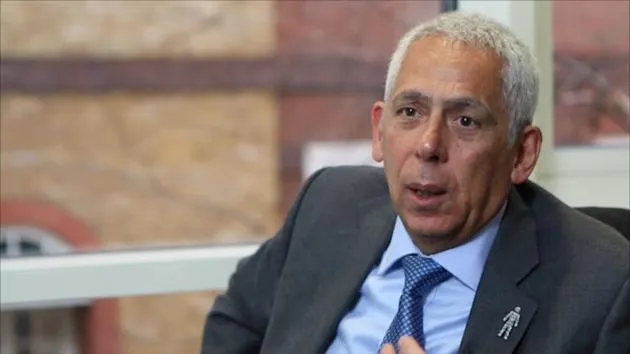
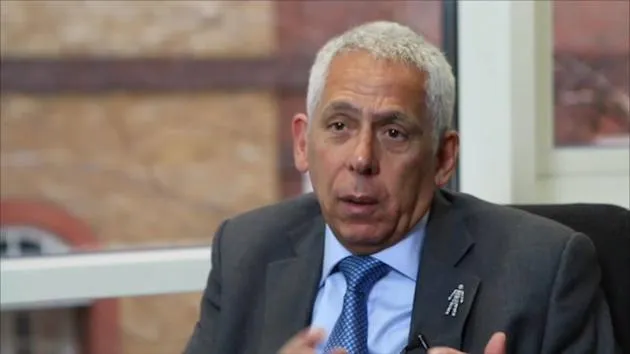
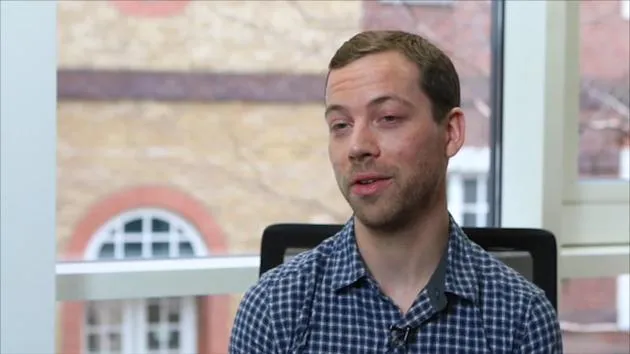
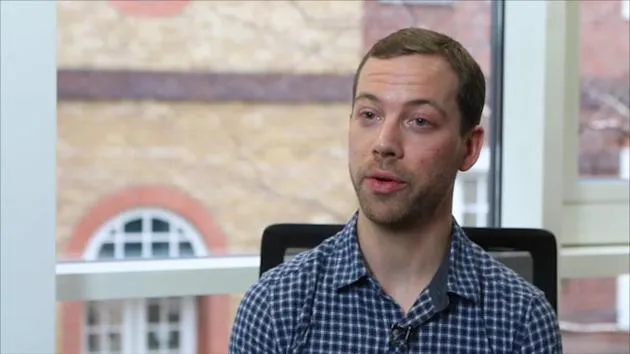
My name is Chris Panay. I'm an accountant.
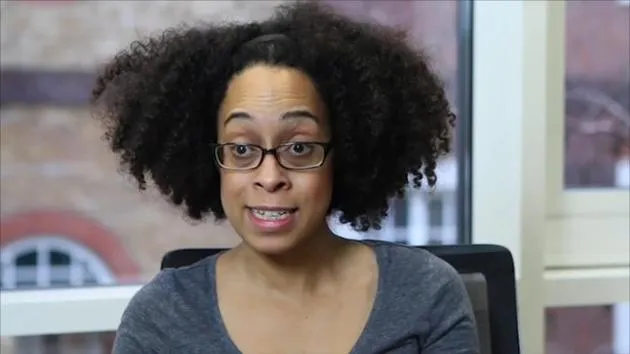
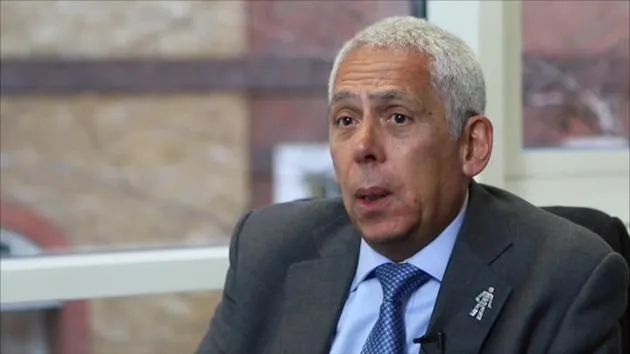
I'm Paul Barton, the managing director of Pledge Music UK.
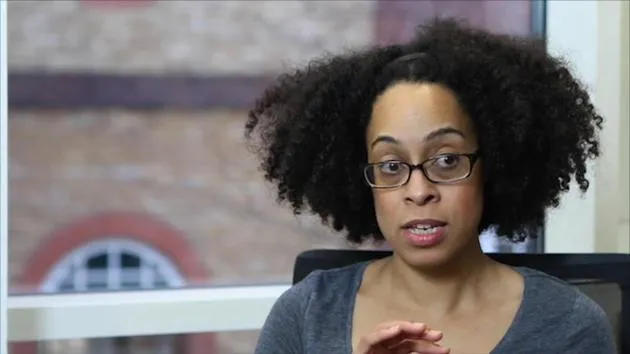
My name is Remy Harris. I'm a consultant and a business advisor. I run my own company, CC Pen, Eye & Co., and have done so for the last 35 years.
Understanding the Music Industry
Pledge Music is a direct-to-fan music company that's designed to work with facets of the music industry.
Key Components
My specialty is advising music companies on finance and funding.
- Every artist must recognize that we call it the music industry for one reason: it is an industry.
- Just like any other industry, you must know all the key components.
Common Misconceptions
I've had people in the past say to me:
"I don't want to know anything about the money, I just want to concentrate on my art."
It has been said to me so many times. My view is:
"No, you have to know about your business."
We will teach you about your business across all types of funding and investment.
Understanding Financial Expectations
The most important thing is to understand what the person that you're asking for money wants.
- Know their expectations of you.
- Whether it's asking your mum for money or a venture capital investor or the bank, they all have different reasons for being willing to invest in you.
- They may want to make a lot of money back.
- They may just want to see you do well.
It's really important to focus on what that person wants and how you're going to communicate that to them.
The Importance of Financial Awareness
There will come a day when you will want to know about your money:
- How much money do you have?
- How long can it last?
- Why have I got so little?
- Why have I got so much?
It's crucial for every single artist to take the role of their accountant very, very seriously.
The Accountant's Role
I know some artists find it daunting, but they shouldn't.
- Your accountant is part of your management team.
- They are no different from your manager, who guides your career, or your lawyer, who provides legal protection.
The accountant is there to guide you in terms of your business career.
Developing Lifelong Financial Skills
By taking control of the financial side of your business, you're going to develop lifelong skills that will aid your career.
- Hopefully, you'll have a long career as an artist and will need these skills for negotiating deals and sorting out the money side of things.
Continuing to Seek Opportunities
Even if you're not successful at first, spend time and effort looking into opportunities for funding.
"It could be really, really valuable for sustaining your career in the long term."
The Importance of Strong Professional Relationships
My mantra, especially for young artists, is:
"You're only as strong as your weakest link."
- If you have a weak manager, your career will not progress as quickly or at all.
- If you have a weak lawyer, where the contractual ramifications haven't been thought through, you will encounter problems down the line.
- The same applies to an accountant.
If the accountant isn't fully on board and knows what they're doing, that deficiency will be illustrated very clearly at some point.
Conclusion
It's very important for everyone to recognize their role, and the artist is at the epicenter, looking at each component part.
44 lessons
2h 11m of structured video lessons
Advanced video features
Slow down, loop a passage, follow along
Mobile, tablet & desktop
Practise wherever you are
100% satisfaction guarantee
30-day money-back guarantee
Meet your guru
Meet your guru
Imogen Heap is a Grammy-winning English singer, songwriter, producer and technologist whose influence runs through two decades of pop, electronic and film music — and through much of the technology modern artists now take for granted.
Born in London in 1977 and classically trained on piano, cello and clarinet, she released her debut album 'iMegaphone' in 1998 before forming the duo Frou Frou with producer Guy Sigsworth, whose song 'Let Go' reached a global audience through the film Garden State. Her self-written, self-produced album 'Speak for Yourself' (2005) delivered 'Hide and Seek', the a cappella landmark that later powered Jason Derulo's chart-topping 'Whatcha Say' and Ariana Grande's 'Goodnight n Go', and continues to find new generations of listeners.
'Ellipse' (2009) won the Grammy Award for Best Engineered Album, Non-Classical — recorded and engineered in her own home studio — and she went on to co-write and produce 'Clean' on Taylor Swift's Album of the Year-winning '1989'. She also composed the score for the stage play 'Harry Potter and the Cursed Child'.
A relentless innovator, Heap developed the MI.MU gestural gloves — recognised with three honorary doctorates — and founded Mycelia and The Creative Passport, initiatives building a fairer data ecosystem for artists. In 2024 she returned with 'What Have You Done to Me?', created with her AI vocal alter ego Mogen, while a viral resurgence of 'Headlock' brought her music to millions of new fans.