Being true to yourself as an artist

With
Imogen HeapBehavioural psychologist Claire Cvier on knowing who you are as an artist, and why building a career on someone else's dream can do real psychological harm.
What's in the course
44 lessons (2h 11m) · 1 free



Lesson transcript
Music Mentorship Insights with Claire Cvier
Introduction
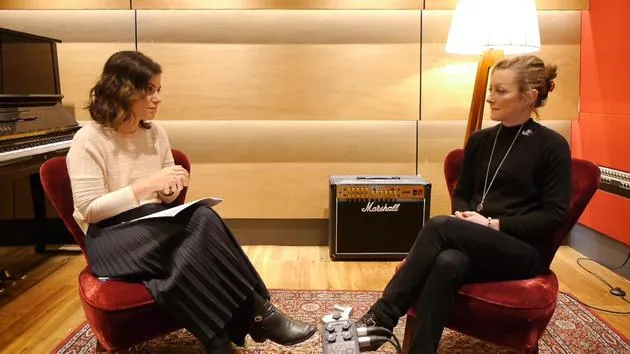
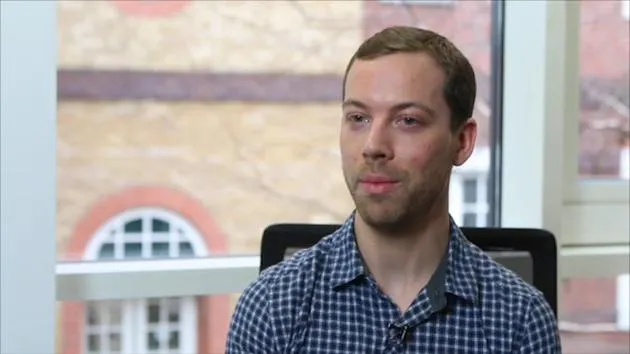
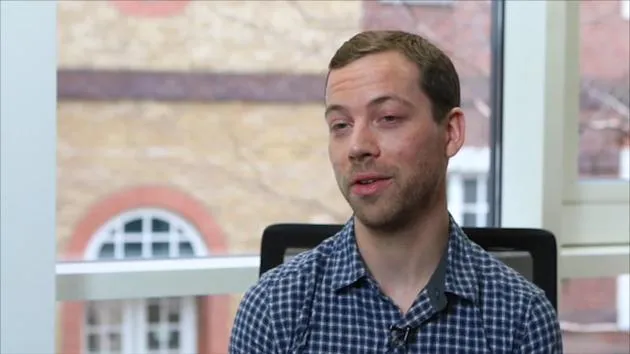
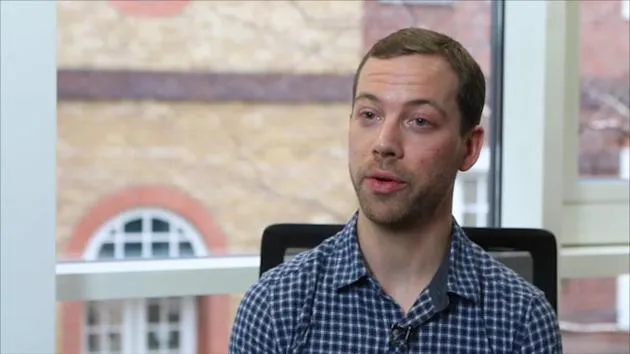
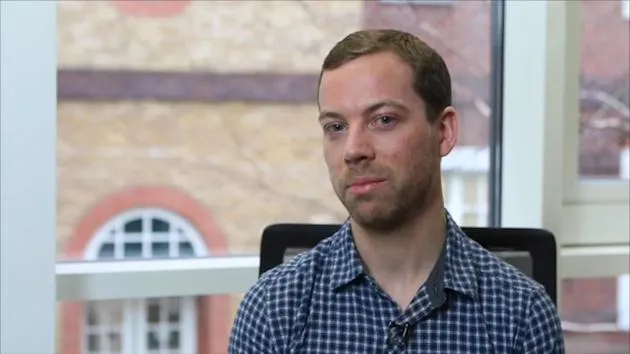
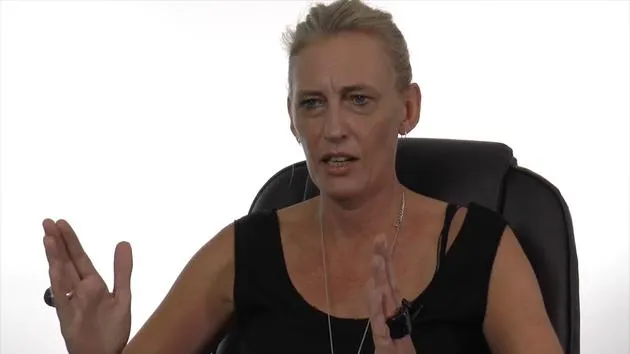
My name's Claire Cvier. I work now as a behavioural psychologist. I apply behavioural psychology to mentoring and developing artists, as well as assisting management companies, agents, labels, and publishers when artists need a little bit of extra support.
Finding Your Destination
When I work with new people who are really starting from scratch, I take them into this sort of value system:
- Finding Your Goal: Ask yourself, if you were getting in a taxi, do you know the exact destination you want to go to?
- Are you vaguely saying it's about fame or happiness?
- You have to really focus on what your message is and why you're doing this, as well as the greater good of your work.
Once you set that charter, it starts to make it a lot easier to determine what measures need to be taken to reach your final destination.
The Challenges Artists Face
There's a lot of artists who sign with labels, and they often feel pressured to conform. They may:
- Take the first deal offered
- Wear the clothes suggested
- Change their appearance based on external opinions
I think it's been documented that artists like Marina and the Diamonds have experienced similar challenges. You achieve some success, collaborate, write with others, and release an album that the record company and your manager want to put out.
Even at the time, it's easy to think, "Hey, I can't complain about this; I'm doing well." But then comes the realization:
"Oh, that's not representative of the person I am."
Marina has since written an album herself and expressed satisfaction with it, stating:
"I don't really mind if it doesn't sell or if it's not a massive commercial success."
Understanding Success
It's crucial to understand what success means to you. Fame is a very strange, abstract thing. Do you want a long-term, sustainable career in music? If so, the more you build up your skill set, the better.
- If you're just a singer doing covers without the ability to play or produce, you may find yourself living someone else's dream.
- That's fine if you understand that it is someone else's dream.
However, if you know deep down that you need to write these songs and have words to express, remember:
- Your value is significant.
- There is a reason you are doing what you do; it can change the world in some way, whether it's making people happier or connecting with others who have been in similar situations.
The Cost of Fame
You really do have to acknowledge this. If you don't, you often see where people take the fame, and it turns into:
- Drugs
- Drinking
- Self-harm
You must measure what you're losing along the way to get to where you want to be.
Consider the sacrifices required:
- Being apart from family
- Navigating relationships
It's very difficult to maintain a relationship while pursuing a career as a musician. You have to let a lot go.
"You can't have it all."
Ultimately, you need to assess whether it's possible for you to balance these aspects, as ignoring this can lead to dangerous outcomes.
44 lessons
2h 11m of structured video lessons
Advanced video features
Slow down, loop a passage, follow along
Mobile, tablet & desktop
Practise wherever you are
100% satisfaction guarantee
30-day money-back guarantee
Meet your guru
Meet your guru
Imogen Heap is a Grammy-winning English singer, songwriter, producer and technologist whose influence runs through two decades of pop, electronic and film music — and through much of the technology modern artists now take for granted.
Born in London in 1977 and classically trained on piano, cello and clarinet, she released her debut album 'iMegaphone' in 1998 before forming the duo Frou Frou with producer Guy Sigsworth, whose song 'Let Go' reached a global audience through the film Garden State. Her self-written, self-produced album 'Speak for Yourself' (2005) delivered 'Hide and Seek', the a cappella landmark that later powered Jason Derulo's chart-topping 'Whatcha Say' and Ariana Grande's 'Goodnight n Go', and continues to find new generations of listeners.
'Ellipse' (2009) won the Grammy Award for Best Engineered Album, Non-Classical — recorded and engineered in her own home studio — and she went on to co-write and produce 'Clean' on Taylor Swift's Album of the Year-winning '1989'. She also composed the score for the stage play 'Harry Potter and the Cursed Child'.
A relentless innovator, Heap developed the MI.MU gestural gloves — recognised with three honorary doctorates — and founded Mycelia and The Creative Passport, initiatives building a fairer data ecosystem for artists. In 2024 she returned with 'What Have You Done to Me?', created with her AI vocal alter ego Mogen, while a viral resurgence of 'Headlock' brought her music to millions of new fans.