Intro what is a contract for

With
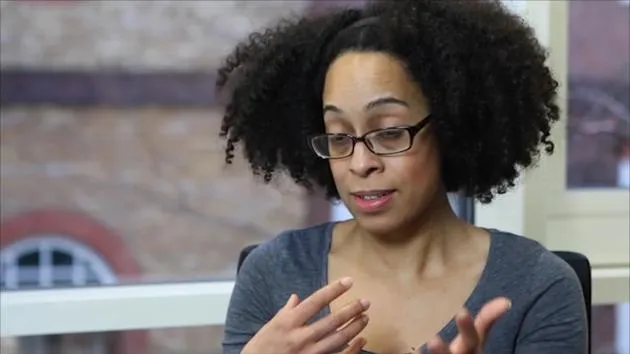
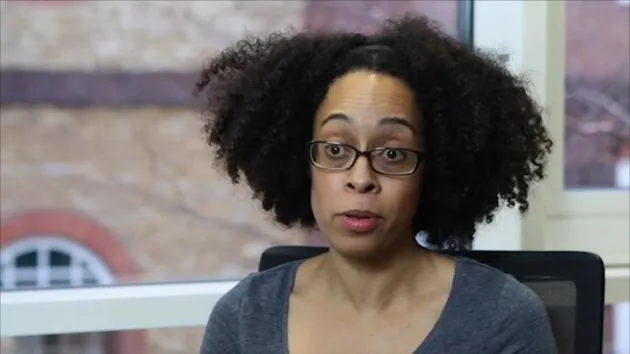
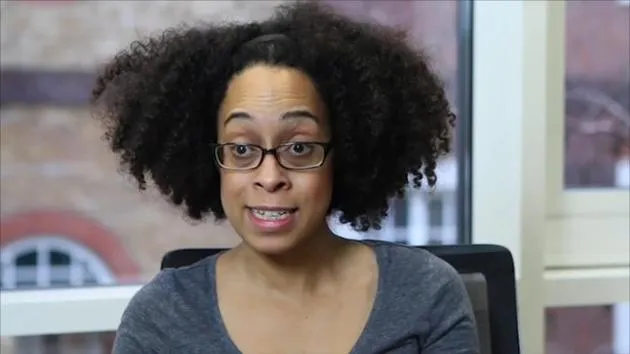
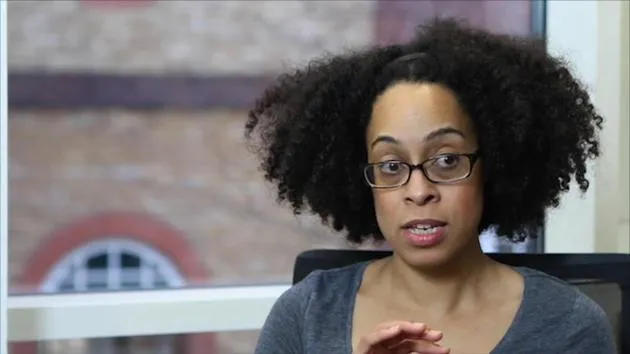
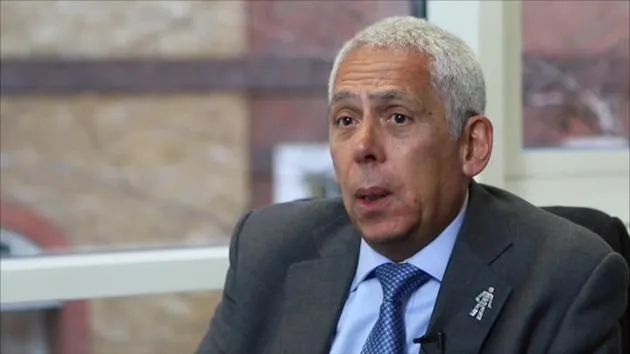
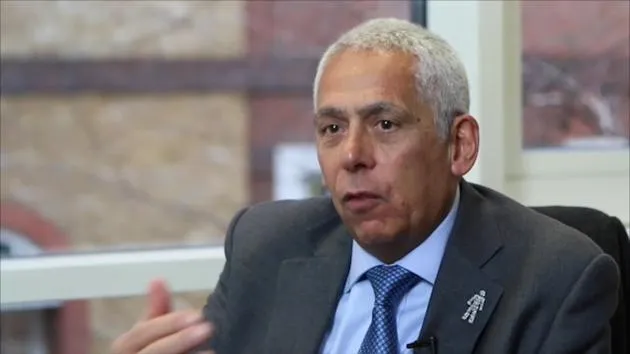
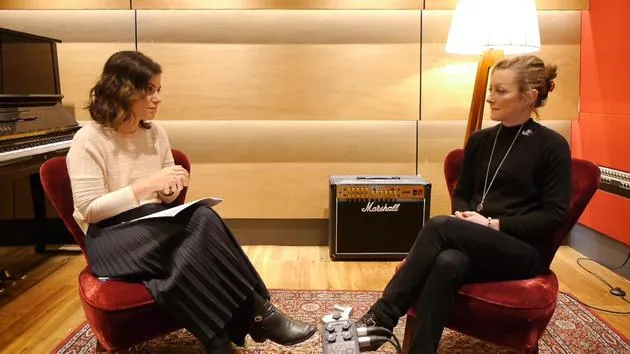
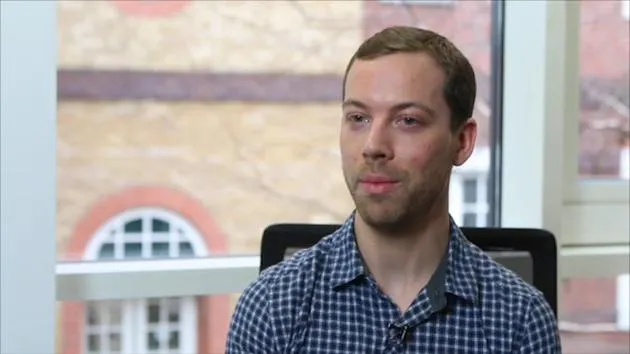
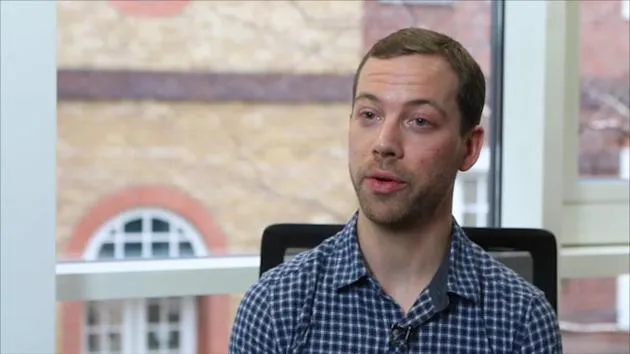
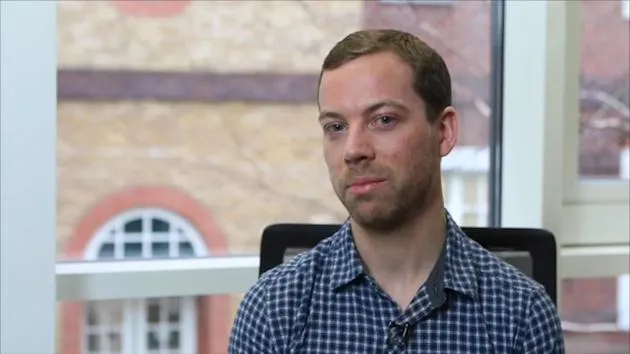
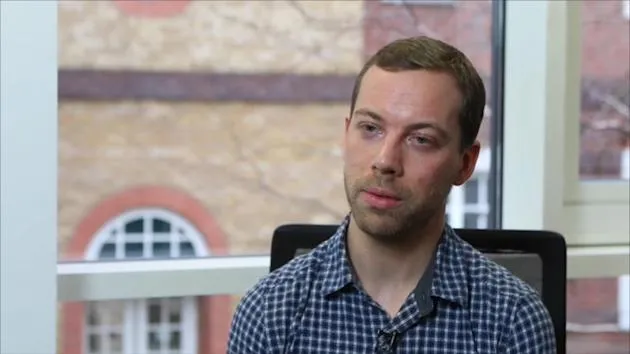
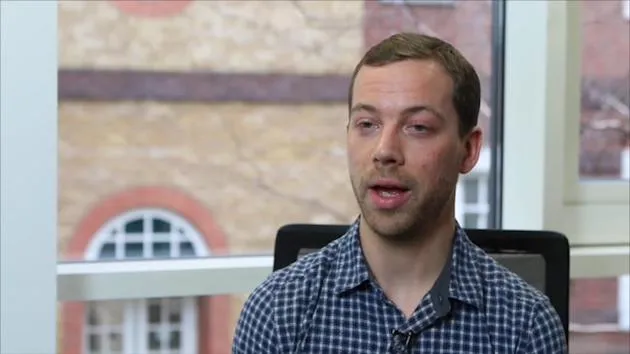
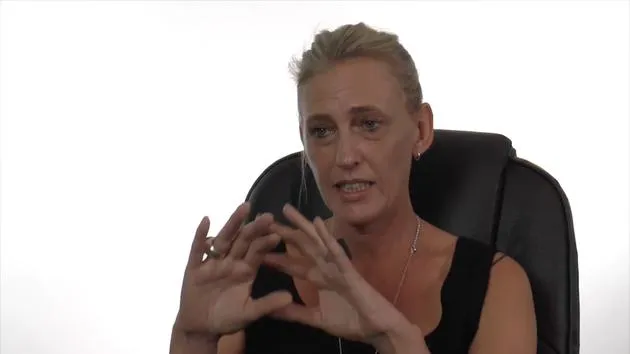
Imogen HeapMusician Katie Melua and Featured Artist Coalition CEO Lucie Caswell introduce their discussion about the essentials of contracts
What's in the course
44 lessons (2h 11m) · 1 free















Lesson transcript
Understanding Music Industry Contracts
Introduction
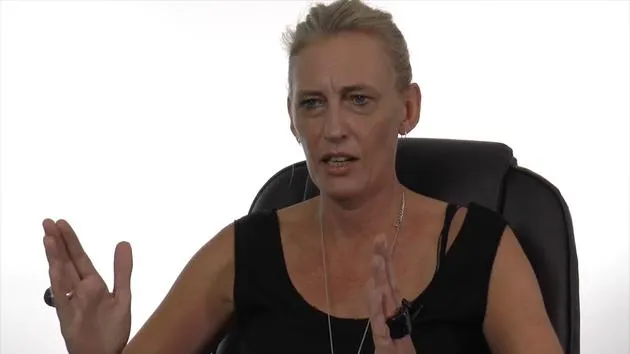
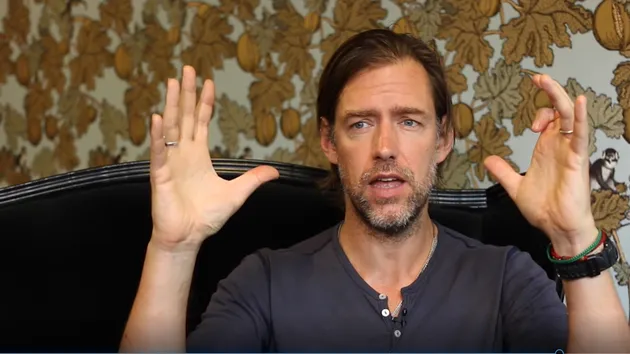
Hello! I'm Katie Melloa, a musician with experience in the music industry since I was 18. Today, we're here to demystify contracts in the music world. I'm excited to be joined by the incredible Lucy Caswell for this conversation.
Important Note: While we have extensive experience, neither of us is a qualified lawyer. We hope to share our insights drawn from years in the industry.
Meet Lucy Caswell
- Background: I am the Chief Executive of the Featured Artists Coalition (FAC). Our mission is to help artists develop their careers through various forms of support.
- Services Offered:
- Advocating for artists' voices in policy-making
- Providing access to legal advice
- Supporting artists as small businesses
We also provide resources like a standard management contract available on the FAC website.
Sample Contract
- Management Contract: The contract is a collaboration with the Music Managers Forum and the Musicians Union.
- Purpose: It's a thorough example that offers insight into standard practices, though individual contracts may differ.
Breakdown of Contracts
Understanding a contract can reduce fear when faced with difficult legal language and high hourly rates from lawyers.
Key Features of Contracts
-
Purpose:
- A contract sets the ground rules for collaboration.
- It outlines who is working with whom and how the partnership will function.
-
Evolution of Contracts:
- My experience with different management contracts demonstrates how they evolve. My present contract with ATC differs significantly from my first contract at 18, reflecting my growth as an artist and change in my objectives.
-
Support Needs:
- Different contracts address varying levels of support based on your career stage.
Recommendations for Artists
-
Know What Matters:
- Identify what you care about in a partnership.
- Discuss these priorities during contract negotiations.
-
Building Relationships:
- Establish a foundation of trust with your manager.
- The contract serves as solid documentation of your relationship, providing clarity and direction.
Conclusion
In essence, effective contract discussions and negotiations stem from understanding your own values and establishing clear communication with your manager. As you navigate the music industry, remember that contracts can be a powerful tool when used effectively.
Let's continue this conversation and explore more about music industry contracts together!
44 lessons
2h 11m of structured video lessons
Advanced video features
Slow down, loop a passage, follow along
Mobile, tablet & desktop
Practise wherever you are
100% satisfaction guarantee
30-day money-back guarantee
Meet your guru
Meet your guru
Imogen Heap is a Grammy-winning English singer, songwriter, producer and technologist whose influence runs through two decades of pop, electronic and film music — and through much of the technology modern artists now take for granted.
Born in London in 1977 and classically trained on piano, cello and clarinet, she released her debut album 'iMegaphone' in 1998 before forming the duo Frou Frou with producer Guy Sigsworth, whose song 'Let Go' reached a global audience through the film Garden State. Her self-written, self-produced album 'Speak for Yourself' (2005) delivered 'Hide and Seek', the a cappella landmark that later powered Jason Derulo's chart-topping 'Whatcha Say' and Ariana Grande's 'Goodnight n Go', and continues to find new generations of listeners.
'Ellipse' (2009) won the Grammy Award for Best Engineered Album, Non-Classical — recorded and engineered in her own home studio — and she went on to co-write and produce 'Clean' on Taylor Swift's Album of the Year-winning '1989'. She also composed the score for the stage play 'Harry Potter and the Cursed Child'.
A relentless innovator, Heap developed the MI.MU gestural gloves — recognised with three honorary doctorates — and founded Mycelia and The Creative Passport, initiatives building a fairer data ecosystem for artists. In 2024 she returned with 'What Have You Done to Me?', created with her AI vocal alter ego Mogen, while a viral resurgence of 'Headlock' brought her music to millions of new fans.