Meet the managers, why you need them and what they do

With
Imogen HeapYour relationship with a manager will arguably be the closest and most important of your career. But what does a manager do and why do you need one. Four managers from the UK music scene - Jon Webster, Chris Chadwick, Andy Edwards and Jonny Dawson - explain.
What's in the course
44 lessons (2h 11m) · 1 free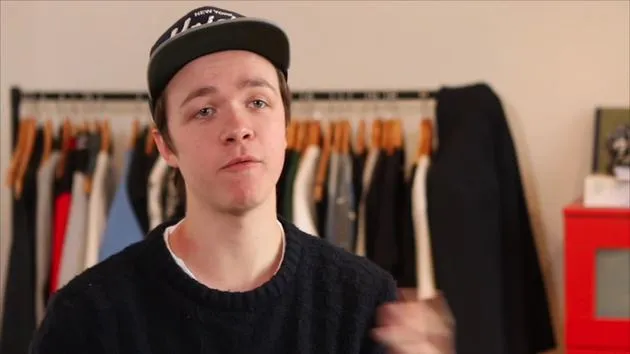

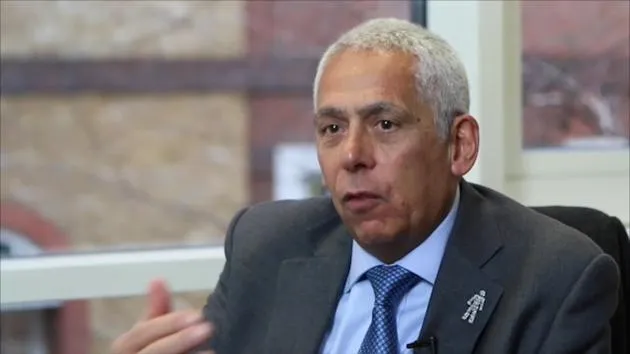
Lesson transcript
Music Management Overview
Participants:
- John Webster
- Chris Chadwick
- Andy Edwards
- Johnny Dawson
Introduction to Music Management
-
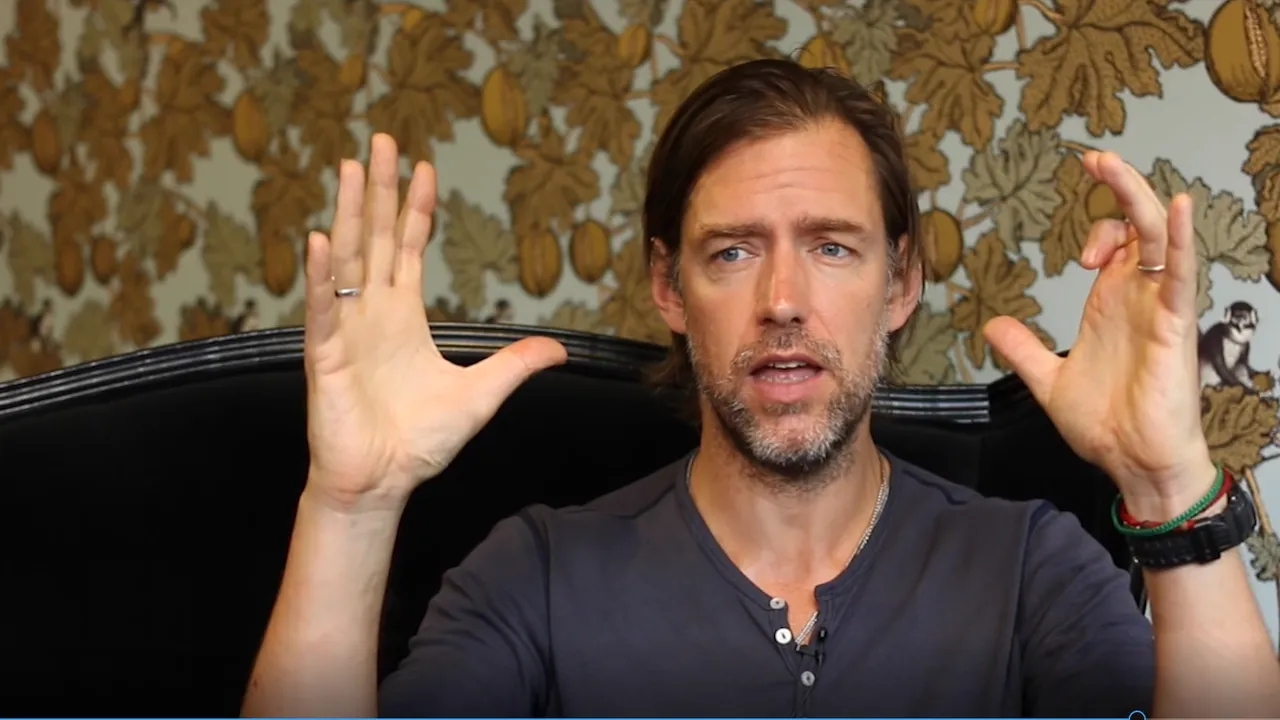
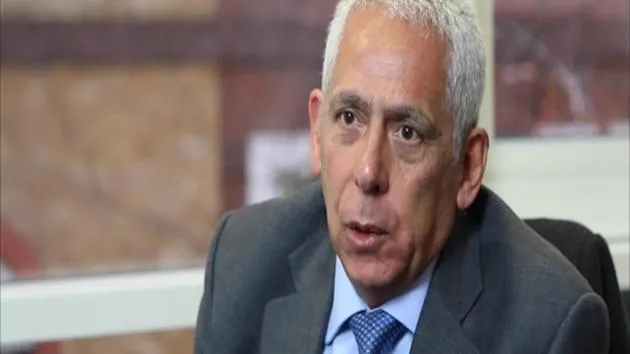
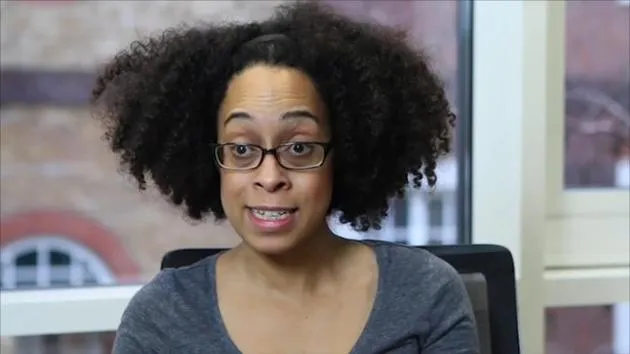
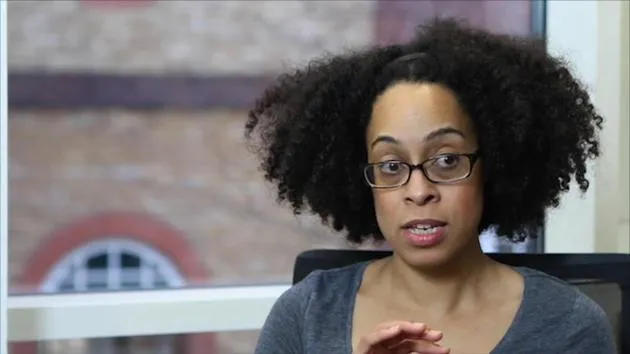
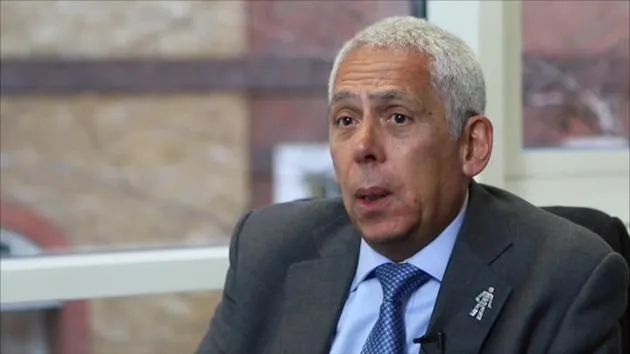
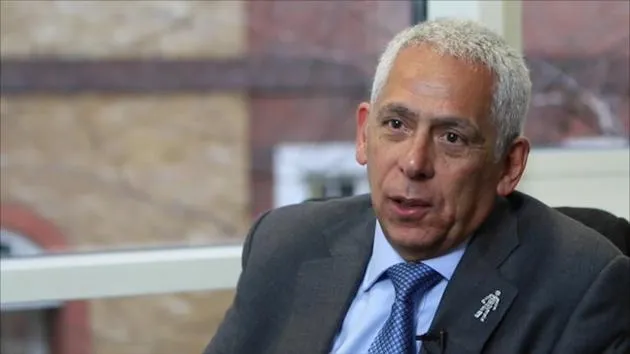
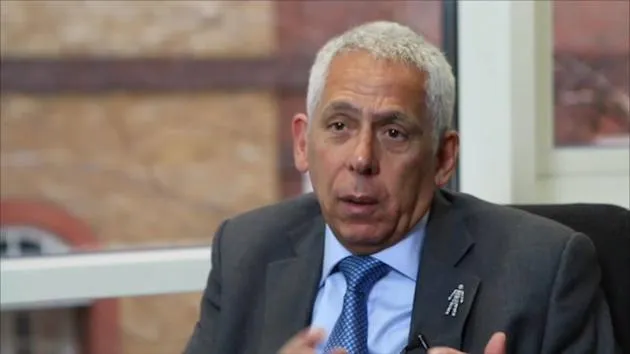
John Webster: "I am the CEO of the Music Managers Forum."
-
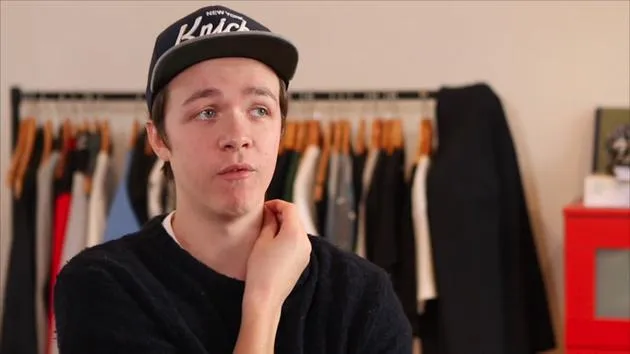
Chris Chadwick: "I'm a music manager at the moment. I work with two artists and about 10 producers."
-
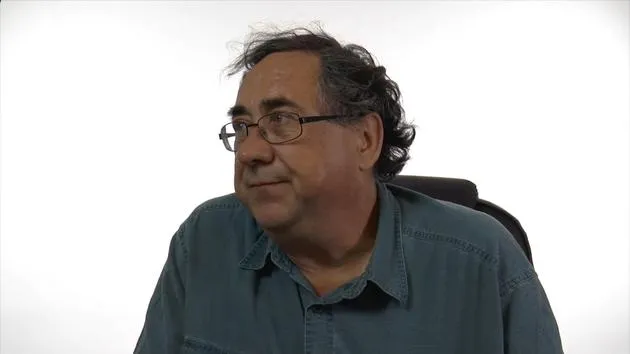
Andy Edwards: "I'm a board director of the Music Managers Forum. MMF spent about the last eight years in artist management."
-
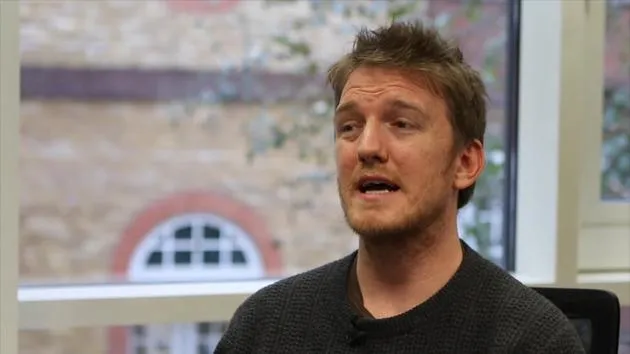
Johnny Dawson: "I am a partner at ATC Management, where I manage five different bands."
The Role of a Music Manager
Artists need managers for various reasons:
- When the tasks outside of their creativity become overwhelming.
- When those tasks impede their creative process.
Important Insight:
- A manager once told me: "When I joined the MMF seven years ago, I had to know five things. I now need to know 50 things. And I think it's 150 things now."
- The job's complexity has expanded alongside the changes in the music business.
Responsibilities of a Manager
- Business Advocate: The manager is the business-facing person within the team.
- Relationship Builder: Represents the artist in all their relationships, agent, publisher, record label, etc.
- Career Oversight: Manages the artist's entire career, including:
- Gigs
- Recordings
- Music releases
- Brand relationships
- Fan engagement
Evolving Definition of Management
- Traditionally, one manager would oversee an artist.
- Nowadays, it often involves:
- A management company or partnership.
- Two managers where one handles day-to-day tasks while the other focuses on business deals.
New Challenges in Management
Managers frequently find themselves:
- Taking on tasks previously handled by others.
- For example, raising finance, which was once secured through record and publishing deals, now requires innovative approaches.
The Crucial Relationship
The essence of a manager's role is:
- Constant Support: They are the go-to people during crises or major decisions.
- Alignment: They must be completely in sync with the artist's vision and goals.
In conclusion, the relationship between a manager and the artist is arguably the closest within the industry.
44 lessons
2h 11m of structured video lessons
Advanced video features
Slow down, loop a passage, follow along
Mobile, tablet & desktop
Practise wherever you are
100% satisfaction guarantee
30-day money-back guarantee
Meet your guru
Meet your guru
Imogen Heap is a Grammy-winning English singer, songwriter, producer and technologist whose influence runs through two decades of pop, electronic and film music — and through much of the technology modern artists now take for granted.
Born in London in 1977 and classically trained on piano, cello and clarinet, she released her debut album 'iMegaphone' in 1998 before forming the duo Frou Frou with producer Guy Sigsworth, whose song 'Let Go' reached a global audience through the film Garden State. Her self-written, self-produced album 'Speak for Yourself' (2005) delivered 'Hide and Seek', the a cappella landmark that later powered Jason Derulo's chart-topping 'Whatcha Say' and Ariana Grande's 'Goodnight n Go', and continues to find new generations of listeners.
'Ellipse' (2009) won the Grammy Award for Best Engineered Album, Non-Classical — recorded and engineered in her own home studio — and she went on to co-write and produce 'Clean' on Taylor Swift's Album of the Year-winning '1989'. She also composed the score for the stage play 'Harry Potter and the Cursed Child'.
A relentless innovator, Heap developed the MI.MU gestural gloves — recognised with three honorary doctorates — and founded Mycelia and The Creative Passport, initiatives building a fairer data ecosystem for artists. In 2024 she returned with 'What Have You Done to Me?', created with her AI vocal alter ego Mogen, while a viral resurgence of 'Headlock' brought her music to millions of new fans.