Accounting Basics

With
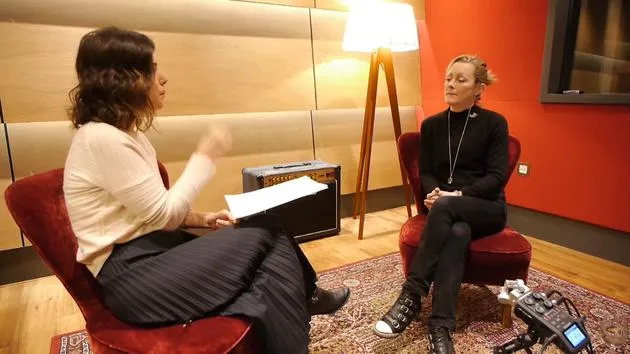
Imogen HeapChris covers the basics of tracking your music income and expenditure on a spreadsheet, and why keeping every receipt matters.
What's in the course
44 lessons (2h 11m) · 1 free





Lesson transcript
Keeping Track of Income and Expenditure
In order for students to understand how well they're doing in their trade, they need to maintain a spreadsheet that documents both:
- Income Coming In
- Expenditure Going Out
Now, this may sound simplistic, but there is no magic formula; it's really just about tracking what's coming in and what's going out. At the end of the day, the goal is to have a balance where hopefully, you have more income than expenditure.
Importance of Basic Accounting Knowledge
As far as their accounting is concerned, students must have a basic knowledge of what this means, which includes:
- Keeping receipts for all purchases
A Real-Life Example
A young artist came to see me in September of 2014 and said, "I think I'm going to be signed at some time in the near future. What do I do?"
We provided him with guidelines, which included:
- Keeping receipts every time he bought new strings for his guitar
- Documenting travel expenses on public transport or any other transportation
By following these basic steps, students can ensure they are keeping track of their financial health effectively.
44 lessons
2h 11m of structured video lessons
Advanced video features
Slow down, loop a passage, follow along
Mobile, tablet & desktop
Practise wherever you are
100% satisfaction guarantee
30-day money-back guarantee
Meet your guru
Meet your guru
Imogen Heap is a Grammy-winning English singer, songwriter, producer and technologist whose influence runs through two decades of pop, electronic and film music — and through much of the technology modern artists now take for granted.
Born in London in 1977 and classically trained on piano, cello and clarinet, she released her debut album 'iMegaphone' in 1998 before forming the duo Frou Frou with producer Guy Sigsworth, whose song 'Let Go' reached a global audience through the film Garden State. Her self-written, self-produced album 'Speak for Yourself' (2005) delivered 'Hide and Seek', the a cappella landmark that later powered Jason Derulo's chart-topping 'Whatcha Say' and Ariana Grande's 'Goodnight n Go', and continues to find new generations of listeners.
'Ellipse' (2009) won the Grammy Award for Best Engineered Album, Non-Classical — recorded and engineered in her own home studio — and she went on to co-write and produce 'Clean' on Taylor Swift's Album of the Year-winning '1989'. She also composed the score for the stage play 'Harry Potter and the Cursed Child'.
A relentless innovator, Heap developed the MI.MU gestural gloves — recognised with three honorary doctorates — and founded Mycelia and The Creative Passport, initiatives building a fairer data ecosystem for artists. In 2024 she returned with 'What Have You Done to Me?', created with her AI vocal alter ego Mogen, while a viral resurgence of 'Headlock' brought her music to millions of new fans.