The nature of the Artist-Manager relationship

With
Imogen HeapWhat makes a strong artist-manager relationship - finding someone who shares your vision, and working through the disagreements that inevitably come with it.
What's in the course
44 lessons (2h 11m) · 1 free
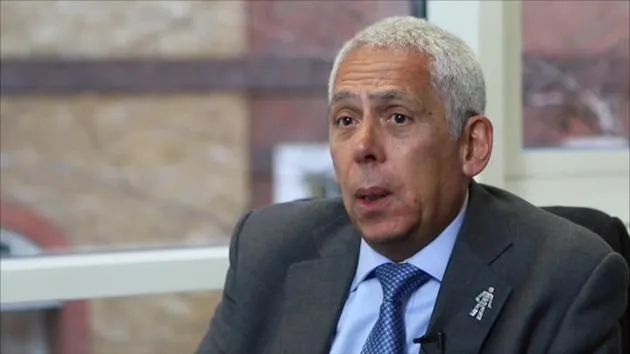
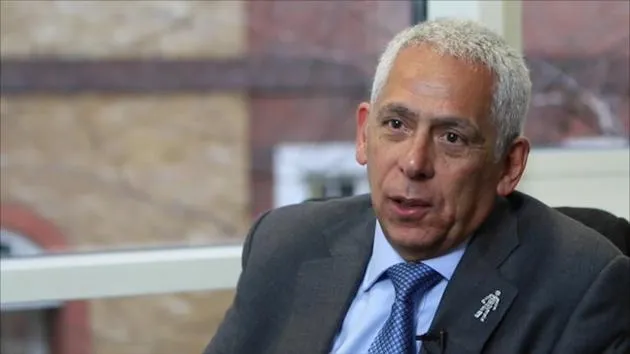
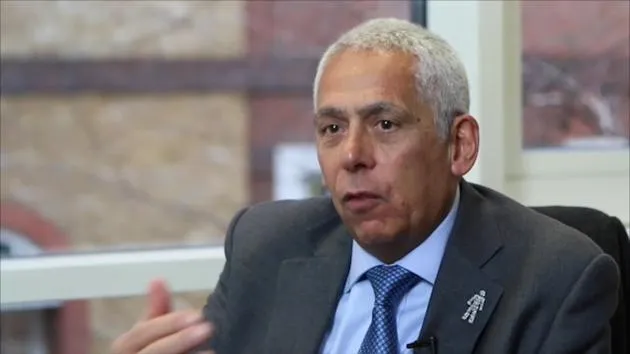
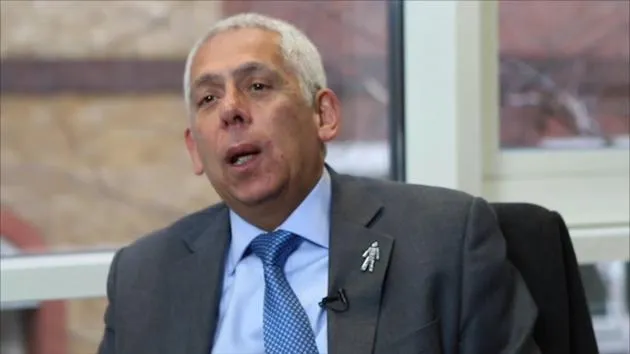
Lesson transcript
The Art of Management: Building Relationships in Music
I think management is a very personal relationship. If you can't form a personal working relationship with that person, it's going to be really hard.
Shared Vision
It's about having that shared vision still. So, I don't know whether it is an entrepreneurial thing, but it is about:
- Having a shared vision with an artist
- Understanding them
- Working with them to deliver what they want
This can be accomplished in many ways. Some people are desk bangers and shout and scream at everyone, while others are very quiet and do things in completely different ways.
The Manager-Artist Dynamic
It's down to:
- The relationship with the artist
- The relationship with all the people outside
In the slightly more old-fashioned artist manager setup, it was maybe more of a dictatorship within that management-artist relationship. The manager often called the shots as a facilitator and had, I guess, a self-perceived power within that relationship. However, it doesn't really work like that for me.
Most people who work in modern artist management recognize that the artist is the center point for all of the power and decision-making within that relationship.
Navigating Conflicts
The most difficult challenge is when you're doing business with someone and it's not necessarily the record label. Very often, it is the record label, but it could be somebody else. You're representing the interests of the artist, but you may actually disagree with the artist while agreeing with the other side.
- What the other people are saying is completely sane and rational, and it's exactly the right thing that you should be doing.
- For whatever reason, the artist may not see that.
This creates a difficult situation because, very often, the artist interprets your position as being against them. They may think, "You're supposed to be on my side. You're supposed to be looking after my interests. Why are you siding with the other side?"
The Role of the Manager
The most important part of being an artist manager is remembering all the time that you work for the artist as a client. You are:
- Offering a service
- Commissioning off their income based on that service
Ultimately, the decision is always in the artist's hands about what option they take.
If there are a series of options in front of them and you're advising them on the right direction, but they disagree with you, you need to respectfully take that on board and go in the direction that they want to go.
Strategies for Resolution
For the most part, we're always on the same page, but as is human nature, sometimes that's not the case. I think the way to overcome it is to build a foundation of impartiality over time.
- You can't dismiss everything the artist says.
- You should say, "Okay, let's think about what it is you're trying to do here. Let's deconstruct it and talk about it rationally."
Keeping things on rational terms is essential, avoiding getting too personal or emotional.
From the artist's point of view, it's important to:
- Be open to criticism
- Be open to fresh ideas
- Recognize that other people may have a greater understanding of certain things
Prioritizing Disputes
When dealing with disputes, remember to prioritize their importance. Some arguments are more significant than others. One of the most common and most difficult arguments to resolve is picking a single.
An artist may have recorded 10 tracks for an album, and you would hope they love all of them equally. However, they often don't. It's always the obvious singles that they may not favor as much.
If a record label says that's the single, the artist might often say, "No, no, not that one."
- You have to be patient.
- You also have to be impartial.
One critical piece of advice for any artist is: The labels are the ones investing. They have promo teams who need to work it, radio, TV, and within the media in general.
If it's their decision, you have to hold them to it and ensure they deliver on it.
Finding Common Ground
In the end, you have to find your way of working and establish common ground. Remember, you can't have everything your own way. Ultimately, it's about individuals, human beings, figuring it out together.
At the end of the day, it's difficult, almost like being married. You should be as one; if you're not, it probably isn't going to work.
44 lessons
2h 11m of structured video lessons
Advanced video features
Slow down, loop a passage, follow along
Mobile, tablet & desktop
Practise wherever you are
100% satisfaction guarantee
30-day money-back guarantee
Meet your guru
Meet your guru
Imogen Heap is a Grammy-winning English singer, songwriter, producer and technologist whose influence runs through two decades of pop, electronic and film music — and through much of the technology modern artists now take for granted.
Born in London in 1977 and classically trained on piano, cello and clarinet, she released her debut album 'iMegaphone' in 1998 before forming the duo Frou Frou with producer Guy Sigsworth, whose song 'Let Go' reached a global audience through the film Garden State. Her self-written, self-produced album 'Speak for Yourself' (2005) delivered 'Hide and Seek', the a cappella landmark that later powered Jason Derulo's chart-topping 'Whatcha Say' and Ariana Grande's 'Goodnight n Go', and continues to find new generations of listeners.
'Ellipse' (2009) won the Grammy Award for Best Engineered Album, Non-Classical — recorded and engineered in her own home studio — and she went on to co-write and produce 'Clean' on Taylor Swift's Album of the Year-winning '1989'. She also composed the score for the stage play 'Harry Potter and the Cursed Child'.
A relentless innovator, Heap developed the MI.MU gestural gloves — recognised with three honorary doctorates — and founded Mycelia and The Creative Passport, initiatives building a fairer data ecosystem for artists. In 2024 she returned with 'What Have You Done to Me?', created with her AI vocal alter ego Mogen, while a viral resurgence of 'Headlock' brought her music to millions of new fans.