Managing your creativity

With
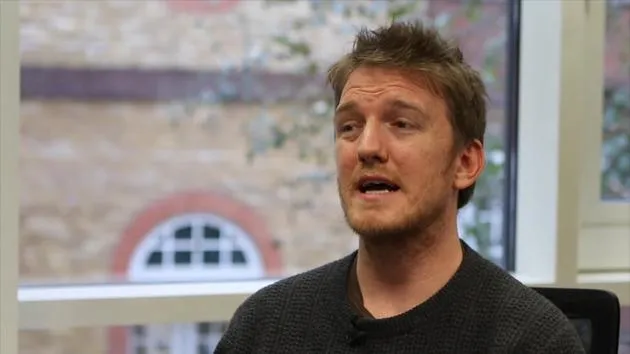
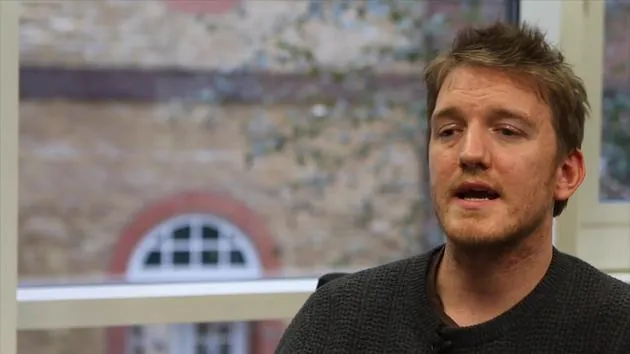
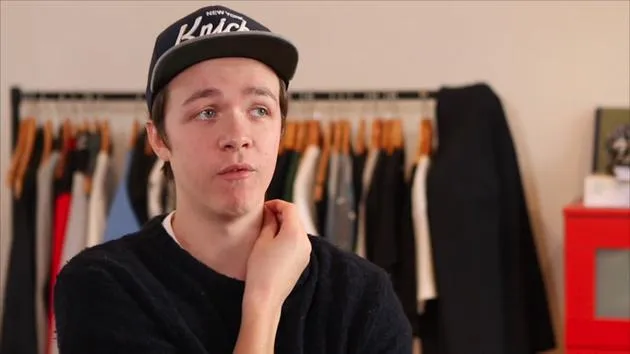
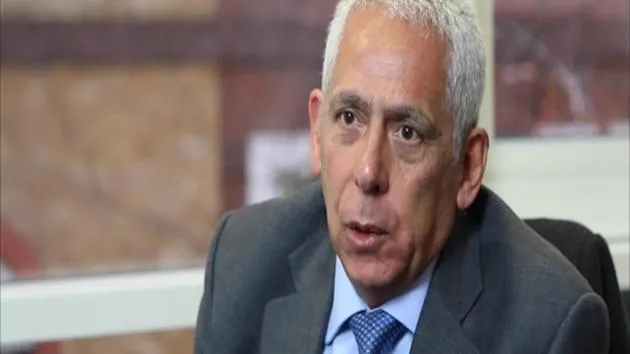
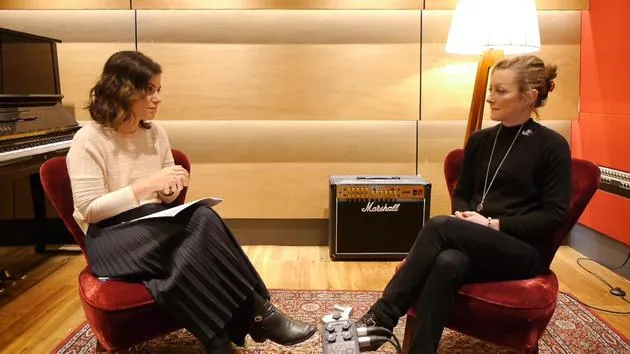
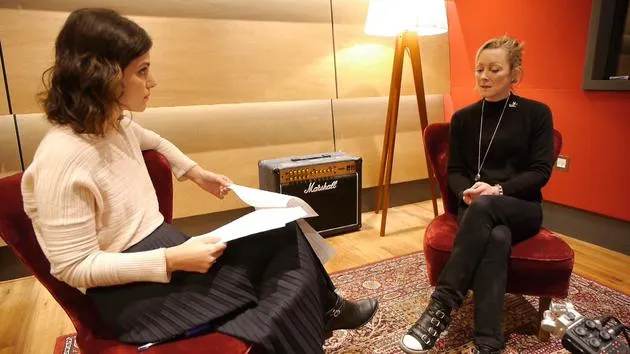
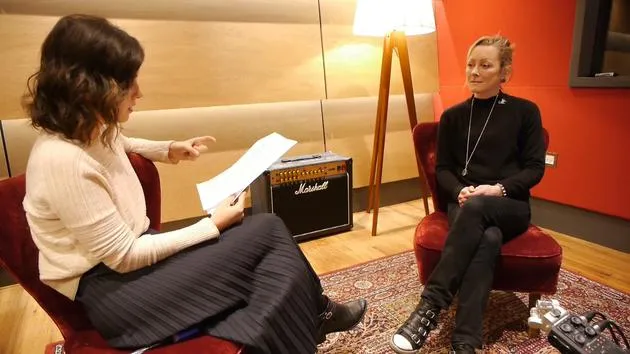
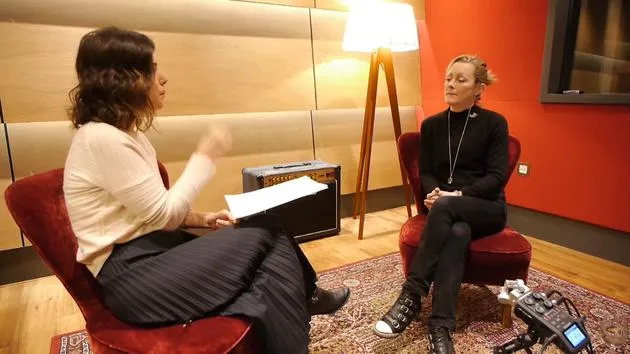
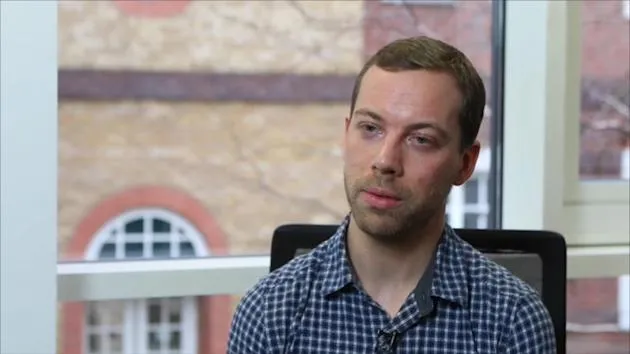
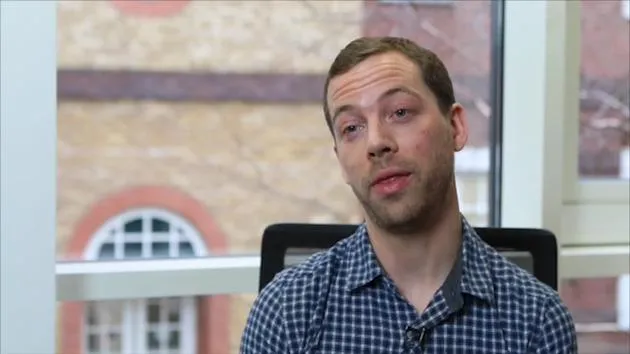
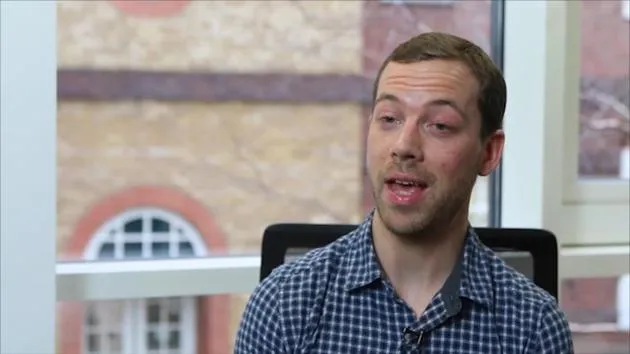
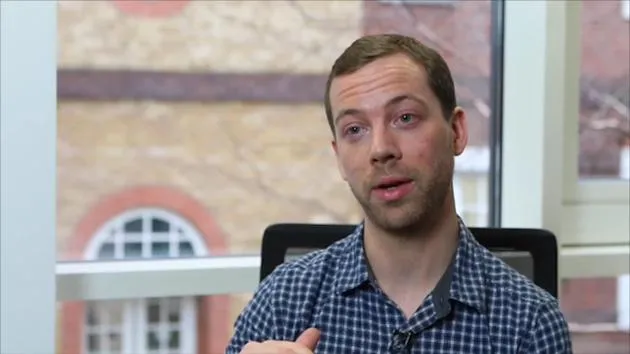
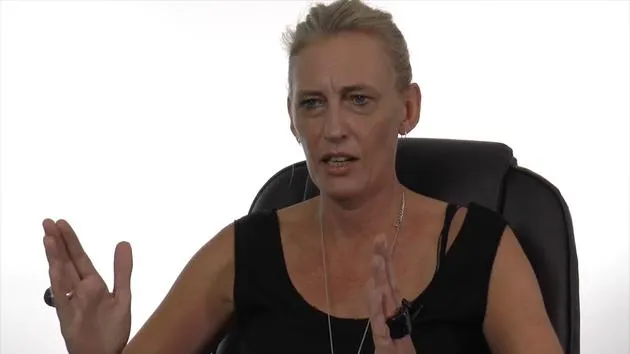
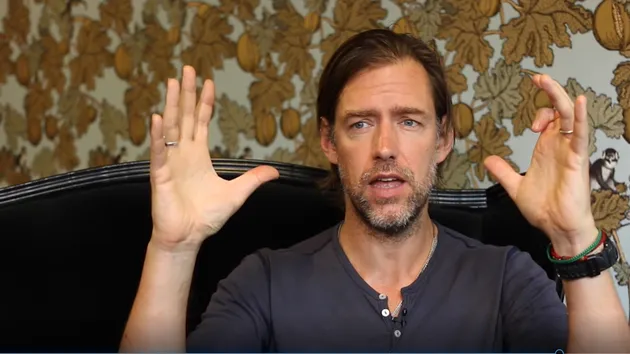
Imogen HeapArtists Ed O'Brien of Radiohead and Sandy Shaw discuss how to get into the right mental state to create, which can involve taking a break to avoid burnout, or taking a new approach.
If you're stuck for inspiration, you might try Brian Eno's 'Oblique Strategies', prompts he developed for the studio to kickstart the creative process. They work in almost any creative context, here's a website that cycles through the Oblique Strategy prompts randomly www.oblicard.com
What's in the course
44 lessons (2h 11m) · 1 free
Lesson transcript
Embracing Creativity in Music
I don't want to dispel the commercial aspect of the music industry, because it's really important. As we discussed, it helps you be free to create art. However, I believe that creativity, music, and art always come first.
The Source of Creativity
And, you know, who knows? I know it's not me or us; it comes through us. So, you've got to, it's a bit like catching butterflies or something. You've got to get yourself in the best shape possible. This might mean:
- Getting away from the industry
- Taking a break from the road
- Living a normal human life
Respecting the Craft
You need to devote some time to it. I think it's the most important thing for an artist to do: to respect their craft. Unfortunately, many artists don't. They fear:
- Being found out
- This being the last gig they ever do
- Writing their final song
- Closing out their last deal
But you must understand:
There's always an opportunity.
Openness to Opportunities
Creativity is about continually seeing opportunities and being open to them. It's also essential to protect yourself from:
- Poisonous opportunities
Remember, what is poisonous for you might be beneficial for someone else. For instance, the X Factor might be a fantastic opportunity for one artist, but it could be detrimental to another.
Overcoming Fear
It's really important to have no fear. Think about it:
Our last record, King of Limbs, was a complete reaction to the previous record, In Rainbows.
In Rainbows was filled with guitars, employing a more standard approach. By the time we got to King of Limbs, we wanted to create a record together without picking up our instruments, so we didn't.
The Creative Process
You then ask yourself:
- How are you going to make music?
You scratch your head and find a way. That's the essence of it, honesty with yourself.
Follow Your Intuition
Ask yourself:
- Do you want to make music now?
- If you don't, then don't make music.
- If you do, great, do it!
Life has this way of letting you know when things are right or wrong. It's about following your intuition.
44 lessons
2h 11m of structured video lessons
Advanced video features
Slow down, loop a passage, follow along
Mobile, tablet & desktop
Practise wherever you are
100% satisfaction guarantee
30-day money-back guarantee
Meet your guru
Meet your guru
Imogen Heap is a Grammy-winning English singer, songwriter, producer and technologist whose influence runs through two decades of pop, electronic and film music — and through much of the technology modern artists now take for granted.
Born in London in 1977 and classically trained on piano, cello and clarinet, she released her debut album 'iMegaphone' in 1998 before forming the duo Frou Frou with producer Guy Sigsworth, whose song 'Let Go' reached a global audience through the film Garden State. Her self-written, self-produced album 'Speak for Yourself' (2005) delivered 'Hide and Seek', the a cappella landmark that later powered Jason Derulo's chart-topping 'Whatcha Say' and Ariana Grande's 'Goodnight n Go', and continues to find new generations of listeners.
'Ellipse' (2009) won the Grammy Award for Best Engineered Album, Non-Classical — recorded and engineered in her own home studio — and she went on to co-write and produce 'Clean' on Taylor Swift's Album of the Year-winning '1989'. She also composed the score for the stage play 'Harry Potter and the Cursed Child'.
A relentless innovator, Heap developed the MI.MU gestural gloves — recognised with three honorary doctorates — and founded Mycelia and The Creative Passport, initiatives building a fairer data ecosystem for artists. In 2024 she returned with 'What Have You Done to Me?', created with her AI vocal alter ego Mogen, while a viral resurgence of 'Headlock' brought her music to millions of new fans.