Groovin' Booker T & the MGs

Con
Joe GlossopUn vistazo a los sonidos de otro éxito de Booker de los '60 llamado 'Groovin'
Qué incluye el curso
45 lecciones (3h 0m) · 1 gratis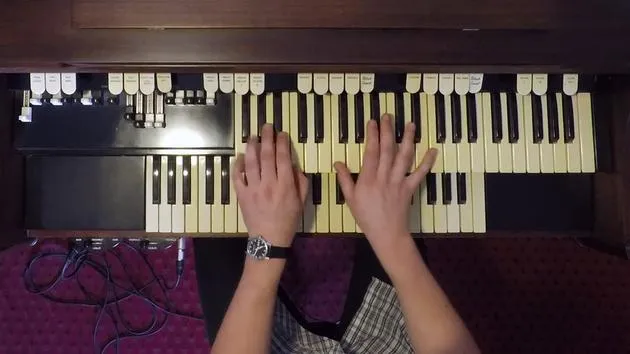
01. Interpretación: 'Green Onions' de Booker T
3:01
02. Sonidos: 'Green Onions' Booker T
3:08
03. Tocar el tema: 'Green Onions' de Booker T
8:21
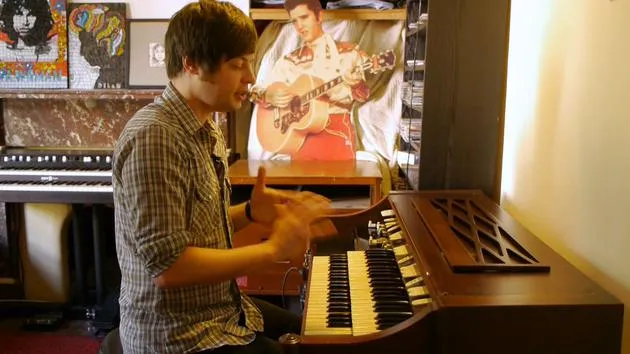
04. Líneas melódicas: 'Green Onions' Booker T
4:43
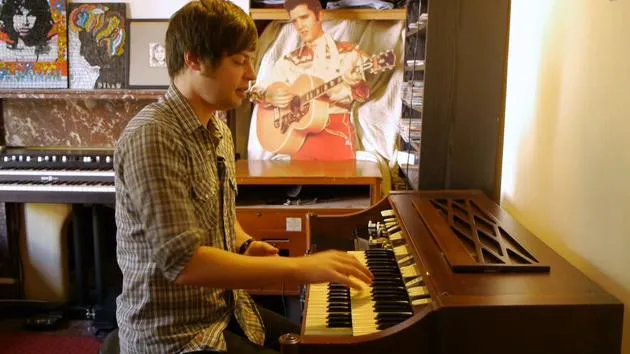
05. Línea de bajo: 'Green Onions' Booker T
2:01
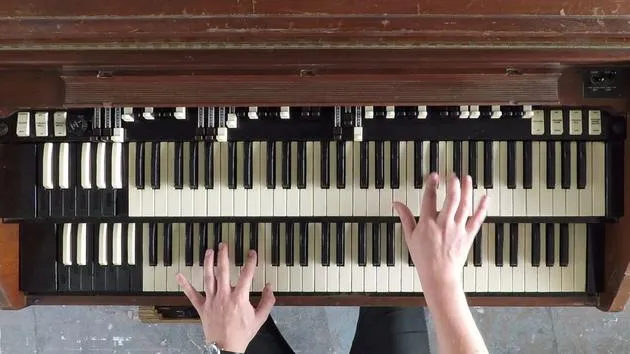
06. Interpretación: Jimmy McGriff - All About My Girl
3:43
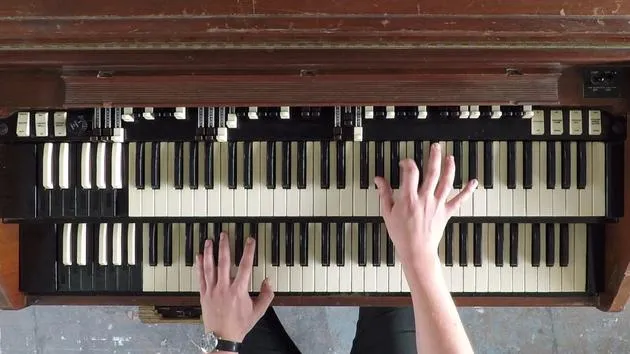
07. Interpretación vista teclado: Jimmy McGriff - All About My Girl
3:43
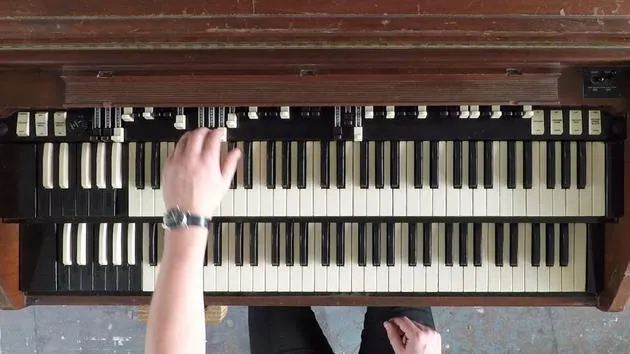
08. Sonidos: 'All About My Girl' - Jimmy McGriff
4:01
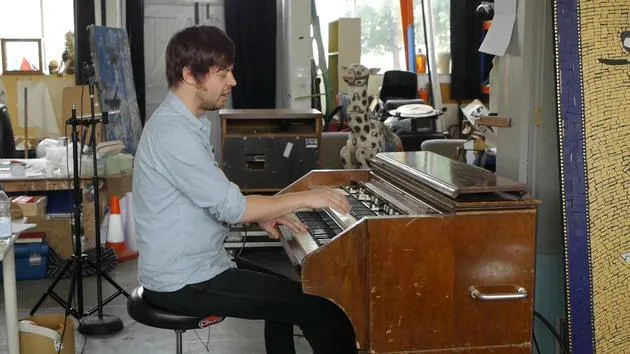
09. Intro: 'All About My Girl' - Jimmy McGriff
2:10
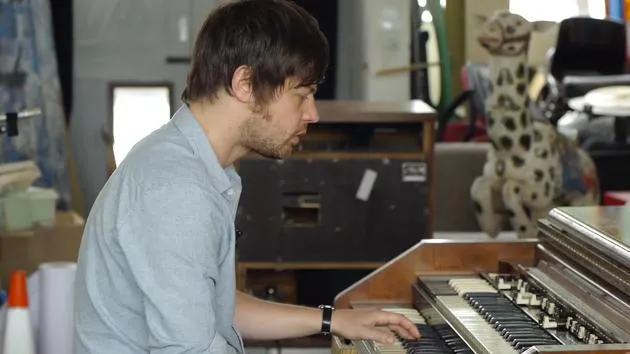
10. Tocar el tema: 'All About My Girl' - Jimmy McGriff
2:58
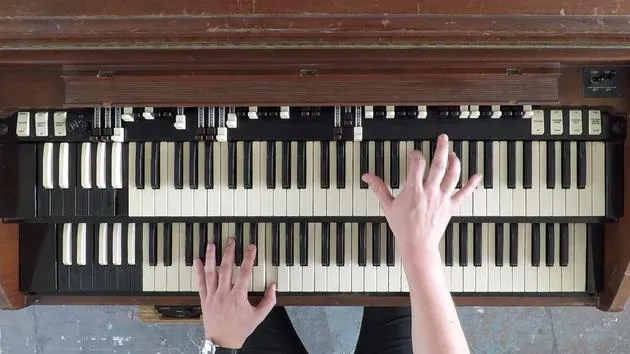
11. Línea de bajo: 'All About My Girl' - Jimmy McGriff
1:52
12. Final: 'All About My Girl' - Jimmy McGriff
1:51
13. Improvisación y comping: 'All About My Girl' - Jimmy McGriff
4:38
01. A Change is Gonna Come' - Sam Cooke
7:46
02. Vista del teclado: 'A Change is Gonna Come' - Sam Cooke
1:20
03. La La means I love you' - Booker T
5:39
04. Vista del teclado: 'La La means I love you' - Booker T
2:25
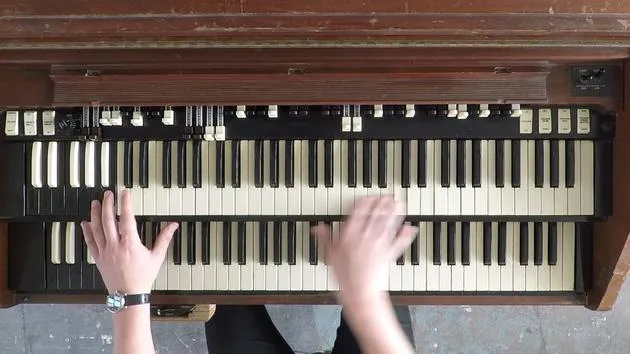
05. Groovin' Booker T & the MGs
Estás aquí4:57
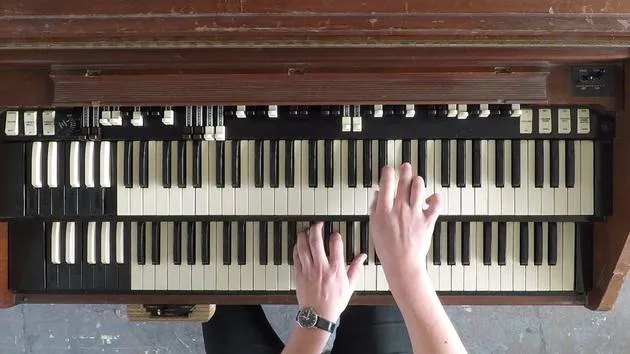
06. Vista del teclado: 'Groovin' ' - Booker T & the MGs
1:15
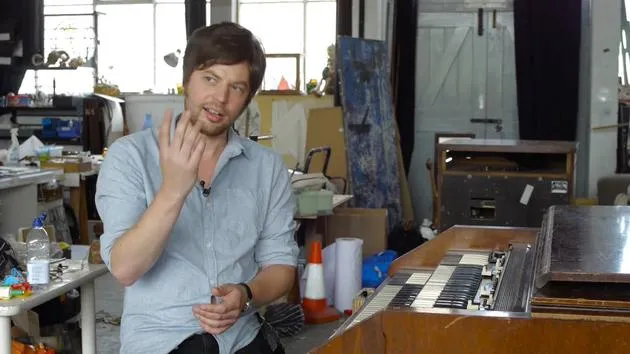
07. Time is Tight' - Booker T & the MGs
5:31
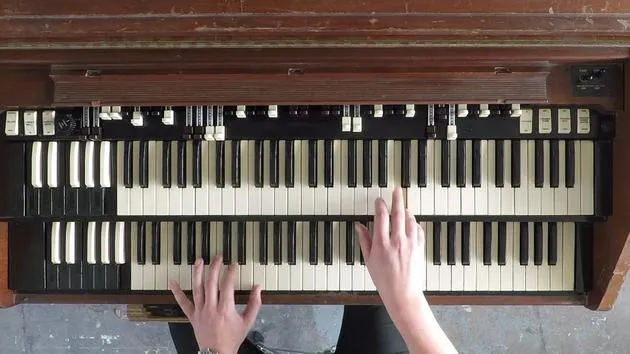
08. Vista del teclado: 'Time is Tight' - Booker T & the MGs
1:39
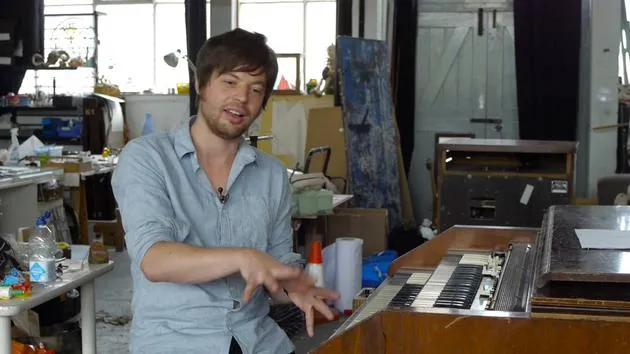
09. 'The Girl from Ipanema' - Antonio Carlos Jobim
6:17
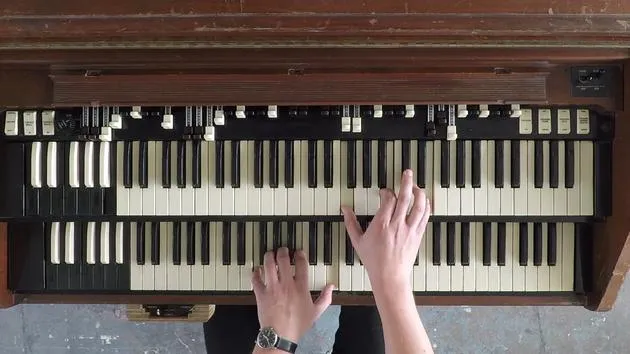
10. Vista del teclado: ‘The Girl from Ipanema’ - Antonio Carlos Jobim
2:36
11. Blues basado en 'Blue Bash' - Jimmy Smith
7:59
12. Vista del teclado: blues basado en 'Blue Bash' - Jimmy Smith
3:24
13. Walk on the Wild Side' jam con la M series - Jimmy Smith
6:44
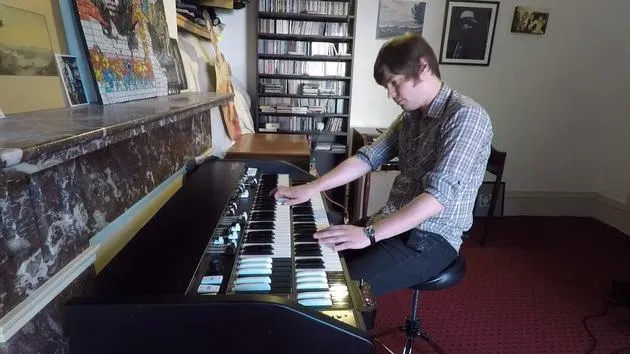
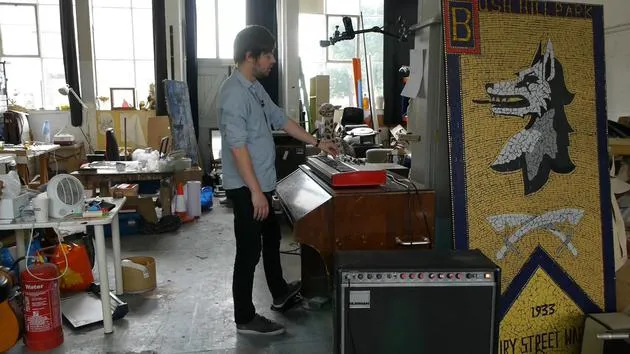
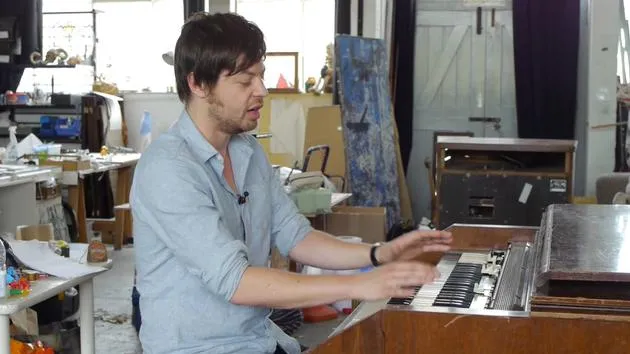
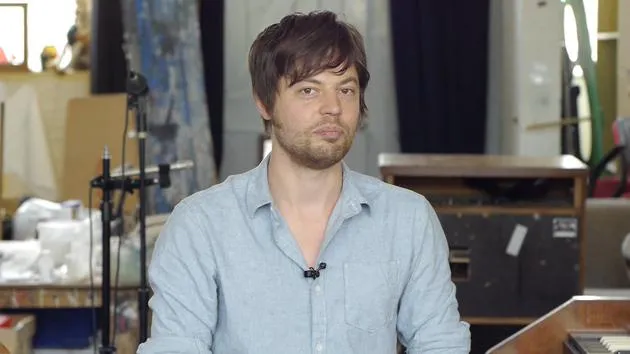
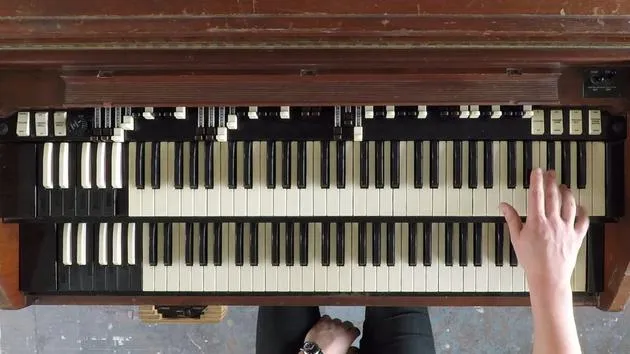
Transcripción de la lección
Music Lesson: Grooving
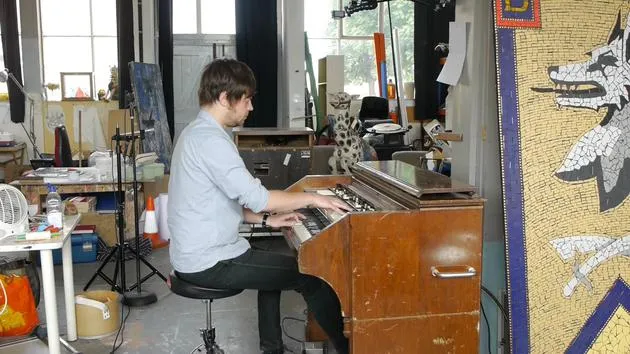
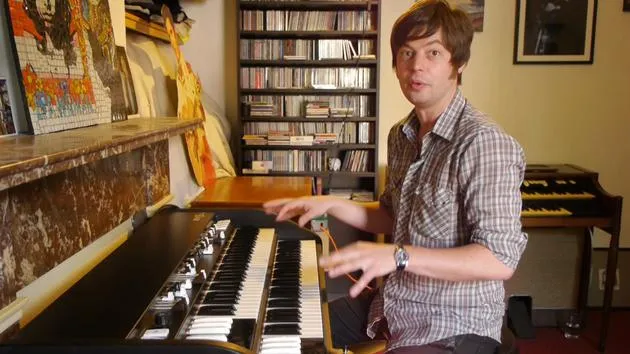
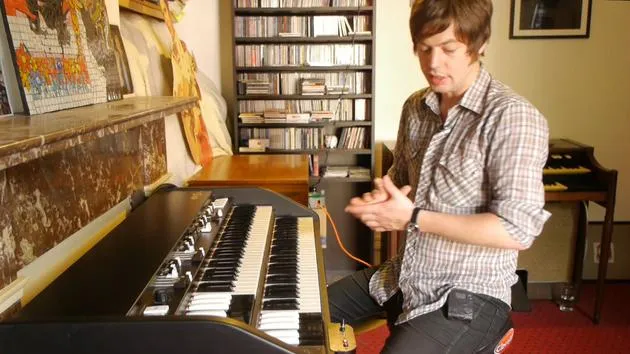
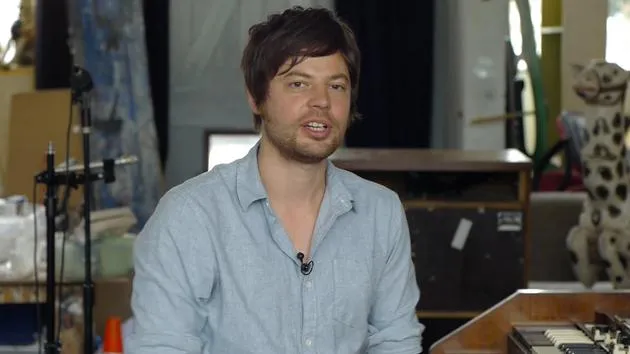
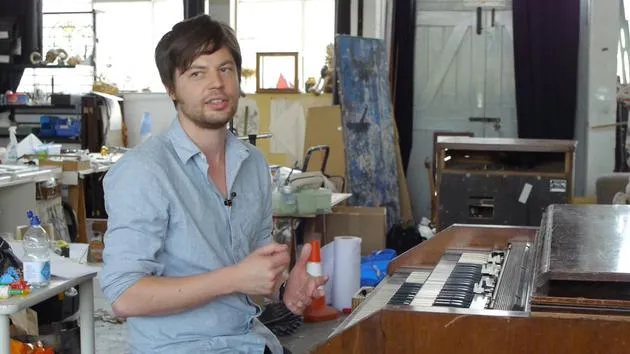
Okay, this is a little tune called Grooving. It was a big hit in the 60s, and Booker did a version of it.
Demonstration
I'll just play a couple of verses now. So that's a couple of verses, A and B section, Grooving.
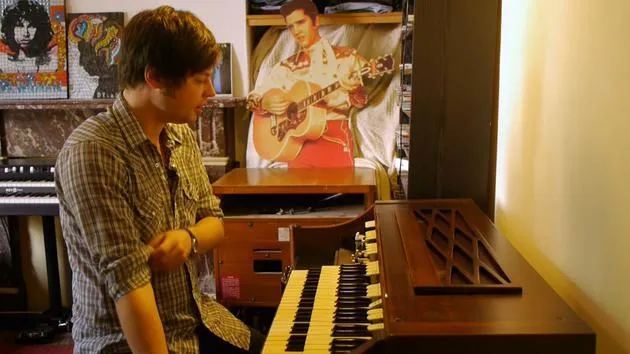
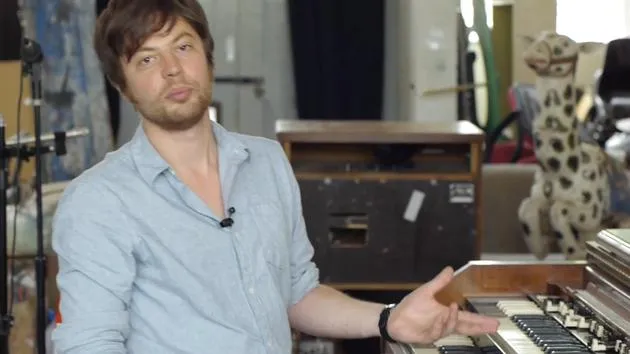
As you can see, he uses two very different tones to play the same melody, and I find that very interesting. It's a very effective use of the instrument.
You really kind of utilize all the different settings and tones you can get.
Similarity in Structure
It's very similar in its chordal structure and in its key. A lot of the same changes as the last tune. So, you can use a lot of the same techniques and settings, put them together, swap things around, and do what you want with them.
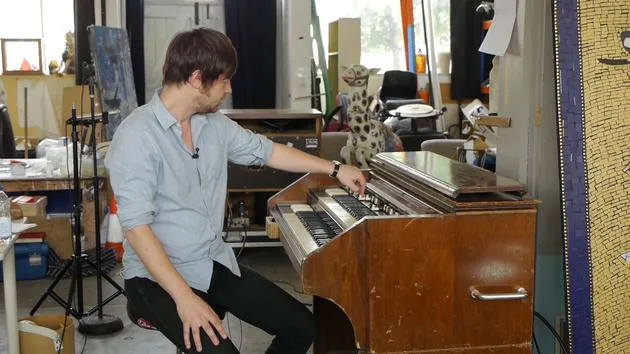
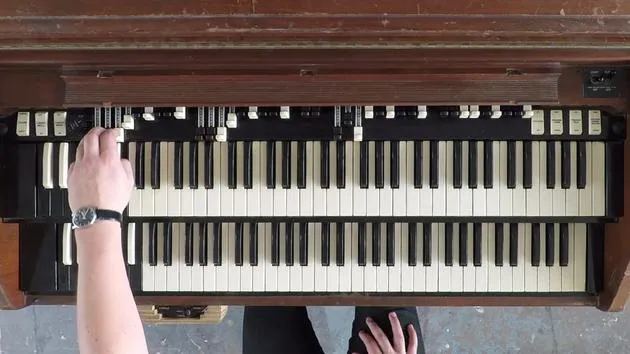
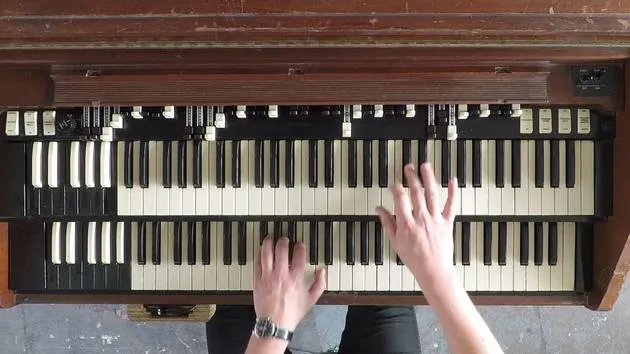
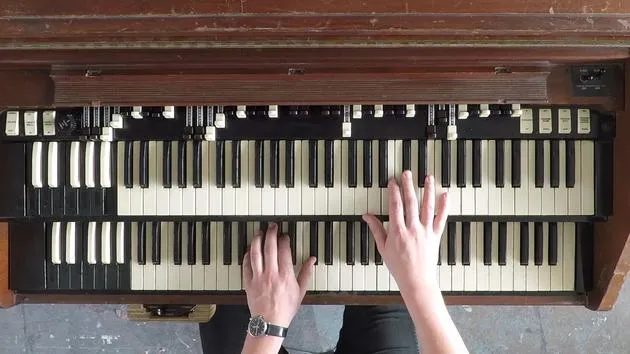
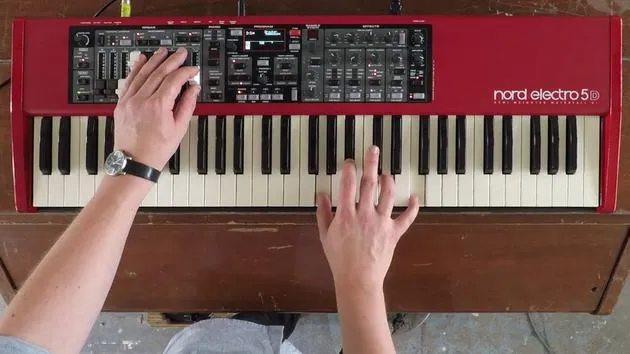
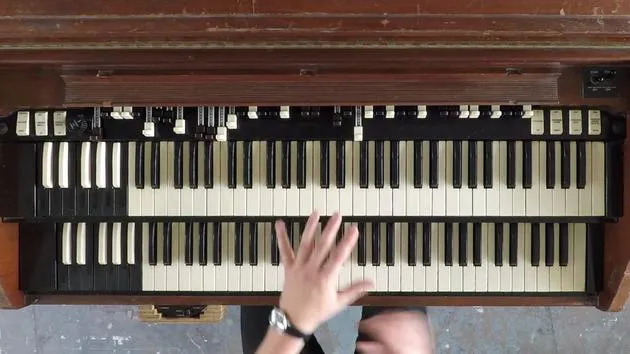
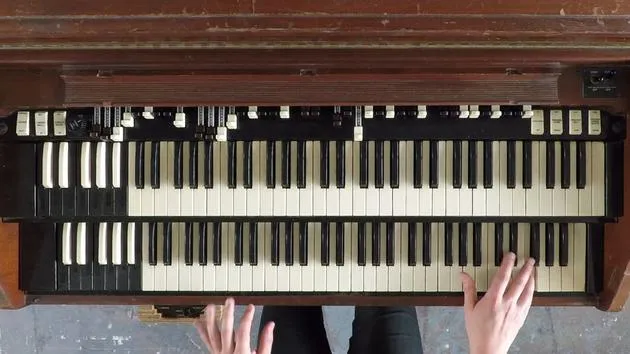
- Again, on the bottom, we've got the 8 and 4 as the pad setting.
- On the top, that clunky second harmonic comes in during the second verse, just like we had in the last song.
Tone Vocabulary
But on the first verse, he uses a kind of slightly nasal tone that cuts through.
What kind of vocabulary would you use for that?
So, you can use some little slides, some little effects. That's a classic sort of Hammond thing.
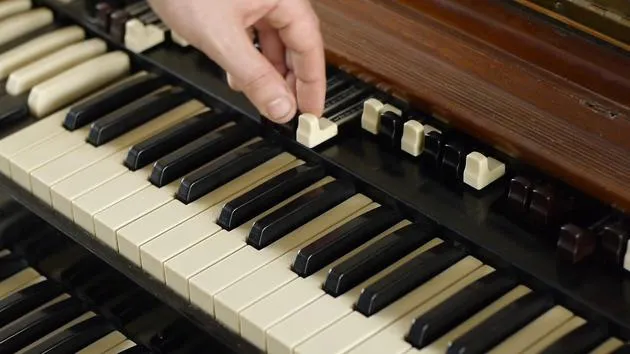
- You're not pressing the keys all the way down; you're just catching the first couple of contacts there with the drawbars.
- That sounds really good on fast passages as well.
You can really drag the phrasing of that, if you want. That's quite nice to pull that back a little, roll like that on the melody, rather than switch to the other sound.
Transition Between Verses
In the second verse, if you want to, you could turn it up and really drive that. That would be quite nice.
So, we're just going to look at the transition between verses and the transitions between tones that we use on those.
At the end of the B section, there, the end of the first verse:
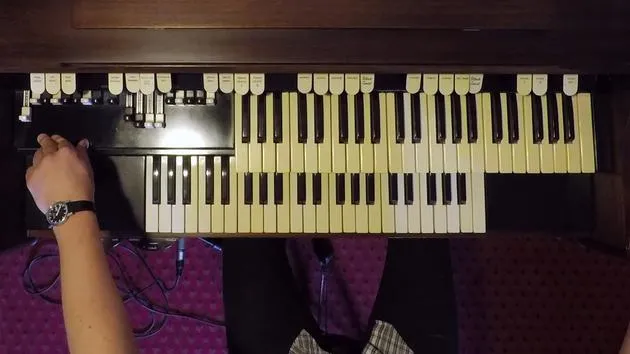
- We're still going to be on that tone, we're not going to be on Stop; we'll be on Fast.
So, what we need to do from there is get onto the percussion setting.
We need to switch from the B flat preset to the B. That moment might be something like this:
If I wasn't doing the pad, as Booker wouldn't have been at that moment, I'm just trying to give it the pad to provide some context.
You could do that change quicker because your left hand would be freed up. He might do it something like as quick as that in reality on the track.
Obviously, you can only do that if you've got a free hand, but that's what it looks like.
45 lecciones
3h 0m de lecciones en vídeo estructuradas
Funciones de vídeo avanzadas
Ralentiza, repite un pasaje, sigue la partitura
Móvil, tablet y ordenador
Practica donde quieras
Garantía de satisfacción 100%
30 días de garantía de devolución
Conoce a tu gurú
Conoce a tu gurú
Joe Glossop es un teclista de Sheffield que se ha hecho un nombre con el órgano Hammond. Actualmente ocupa el puesto de órgano en la banda de gira de Tom Jones, y ha tocado con Van Morrison y James Hunter, además de al piano y al Rhodes. Sus cursos consiguen sacar el auténtico sonido Hammond de cualquier teclado: el registro de drawbars, el Leslie, el bajo caminante de la mano izquierda y el vocabulario de acompañamiento y solos de las tradiciones del órgano soul-jazz, blues y rock, de Jimmy Smith a Booker T.