



Enregistrer des performances
Avec
Brian Funk
Le contenu du cours
30 leçons (2h 20min) · 1 gratuites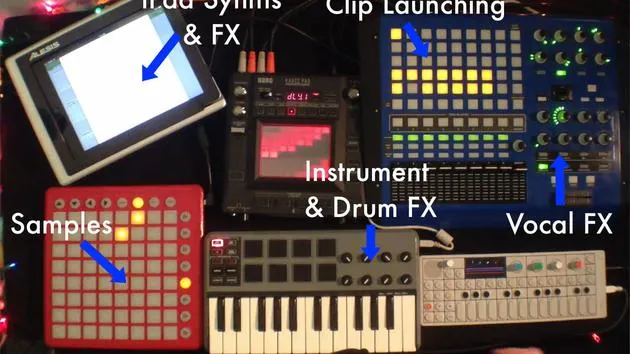
Transcription de la leçon
Recording Live Performances in Ableton Live
Part of the beauty of playing live with Ableton Live is that you can very easily record your performances. You don't need another piece of gear to record because you have a DAW that you're using to play live. You can record everything right into your Arrangement View.
Recording Options
Now, there are a couple of different options:
1. Resampling Option
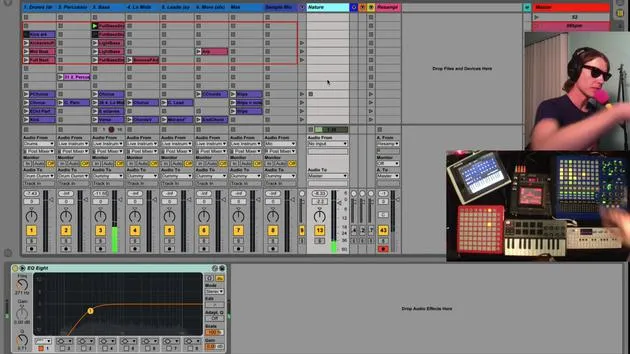
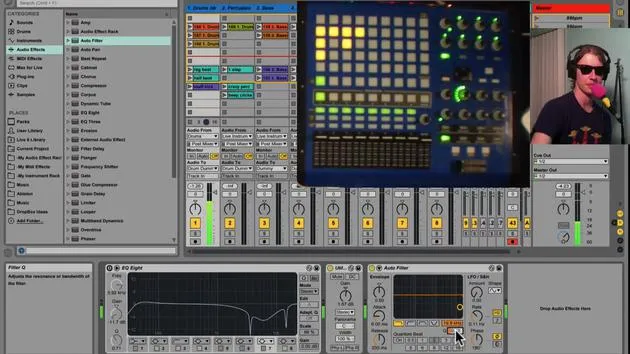
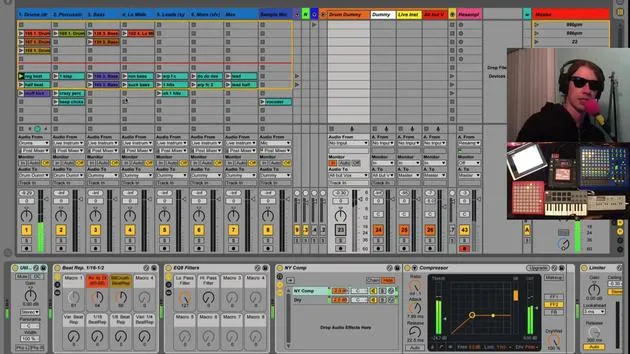
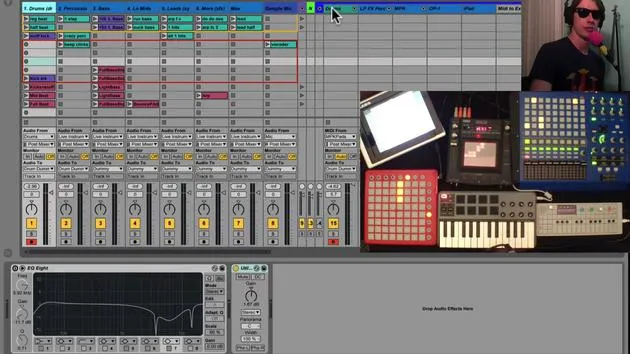
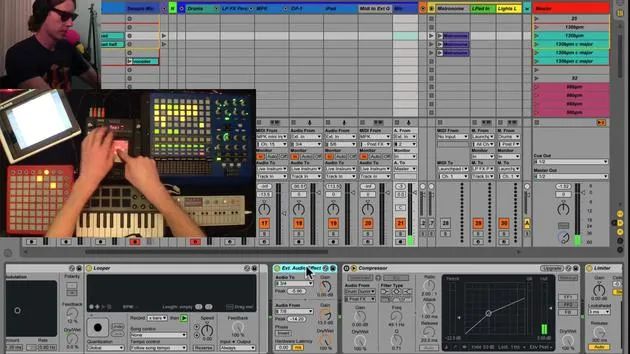
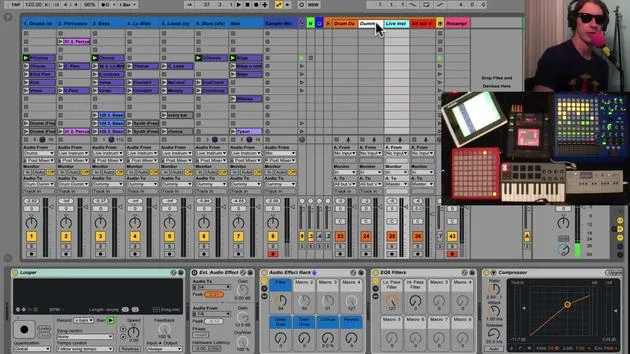
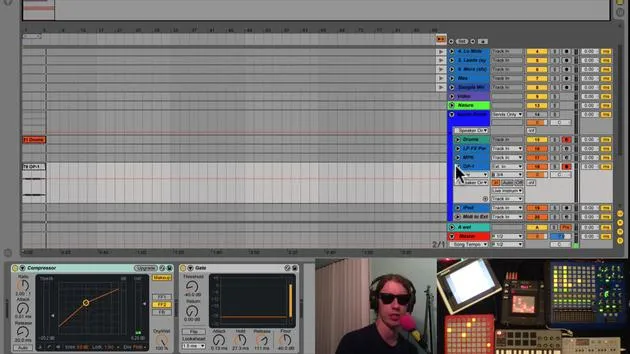
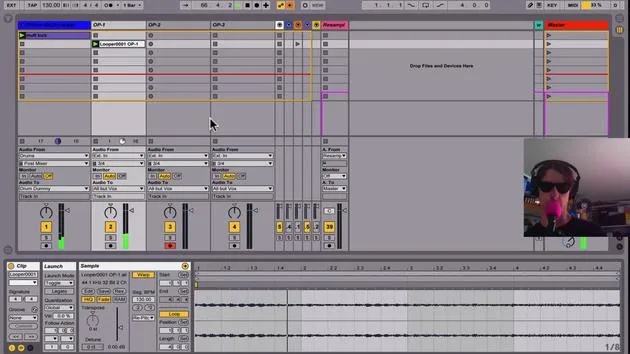
I spoke about the resampling option before. When you have a resampling track, audio from Resampling Live will record whatever is coming out of the master track onto this track.
- When I play a tune live, it is going to record whatever I did onto this resampling track.
- Let's give it a shot. You'll see that this track is recording as well as any tracks that we have record enabled here.
Demonstration
If I turn that off, the clips that are playing are getting recorded into the Arrangement View.
- Advantages:
- You don't need to use as much CPU by recording everything into your particular arrangement.
- You come up with much smaller files since this is just one track.
This method is akin to bouncing what you're doing in real-time to a two-track file.
- Disadvantages:
- You can't go back and mix it.
- It's printed, it's done. You get what you played live.
2. Direct Track Recording
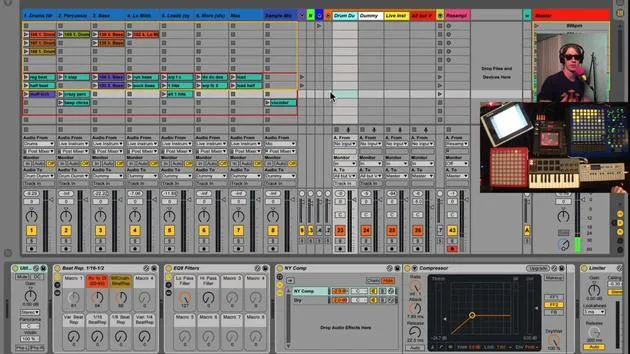
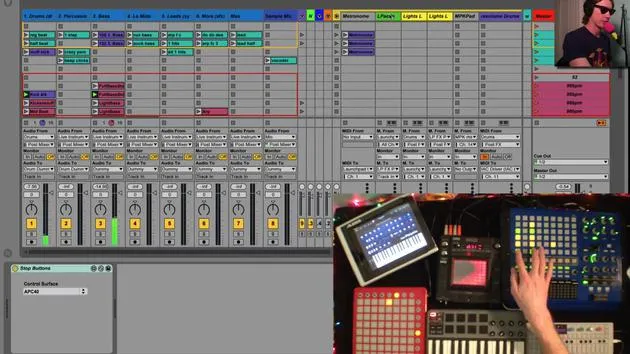
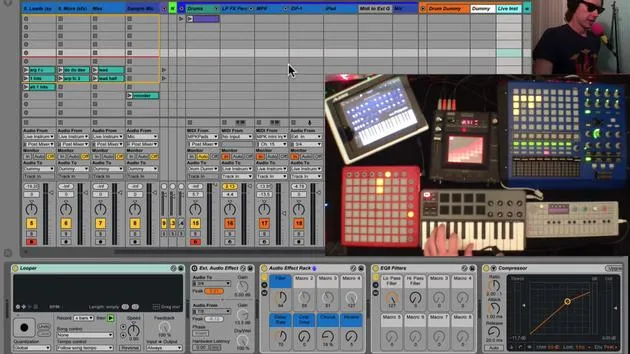
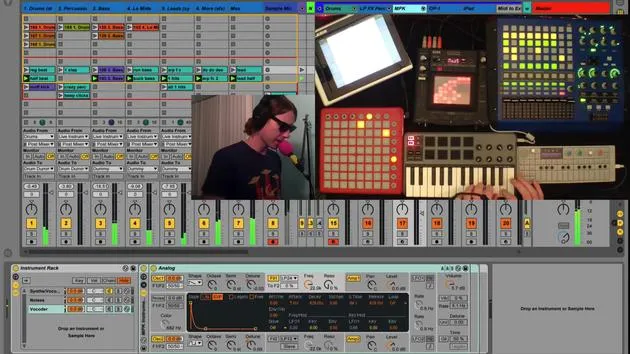
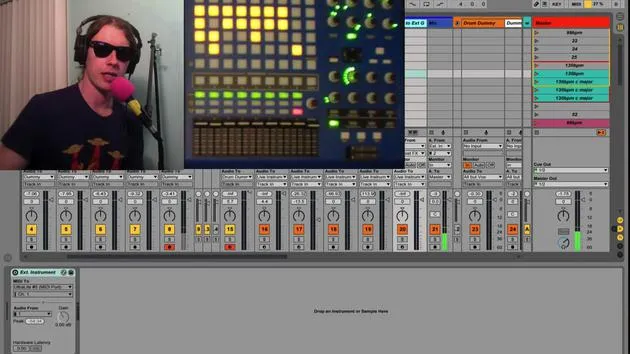
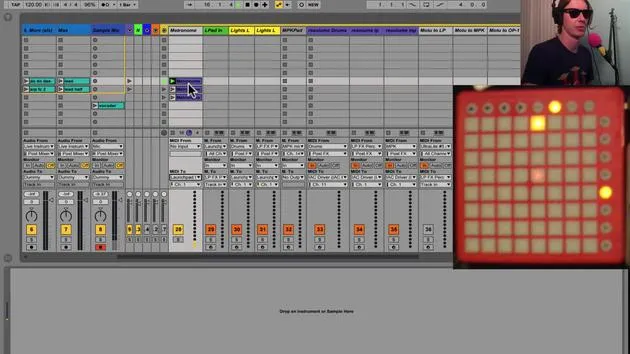
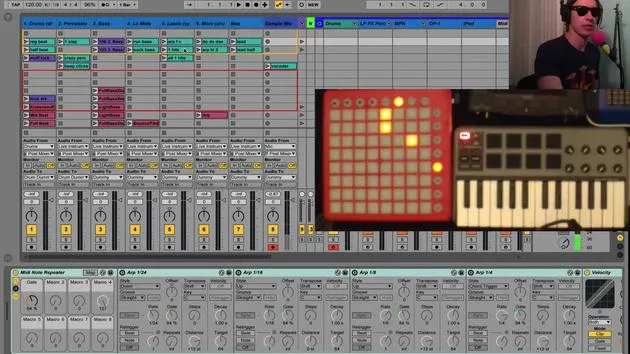
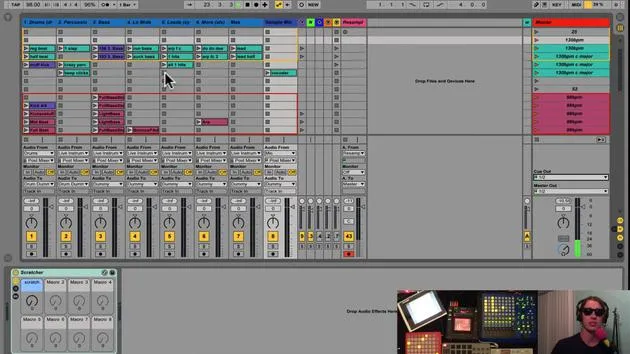
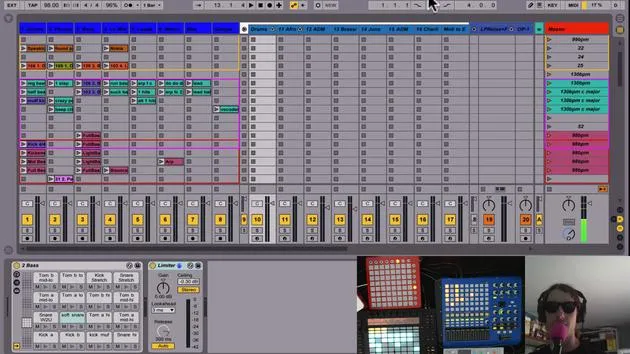
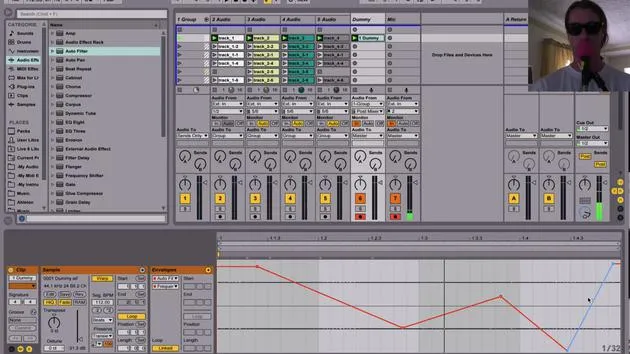
The other option you have is to record-enable your tracks (like these tracks here). You don't have to worry about the other clips because any clip you play will get recorded into the Arrangement.
-
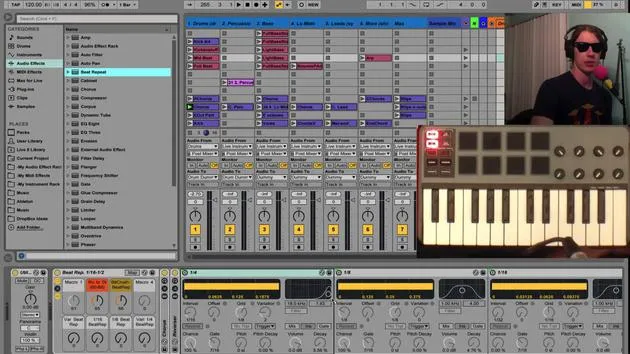
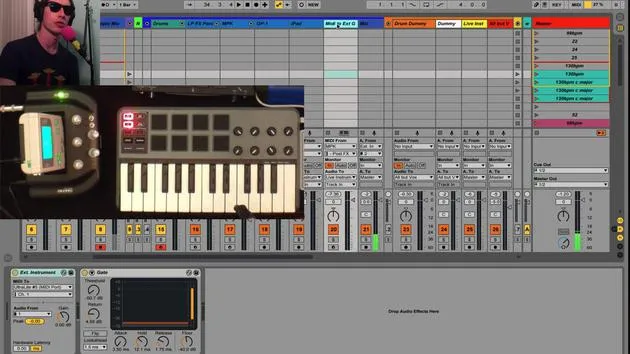
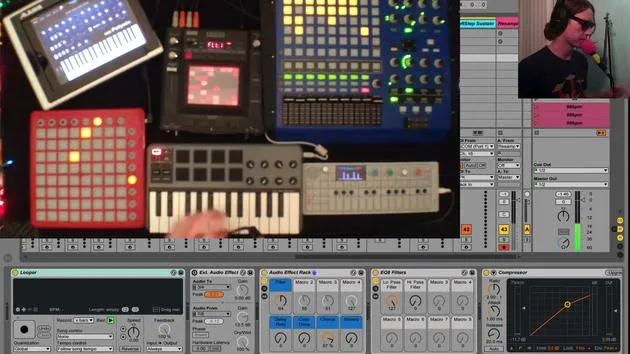
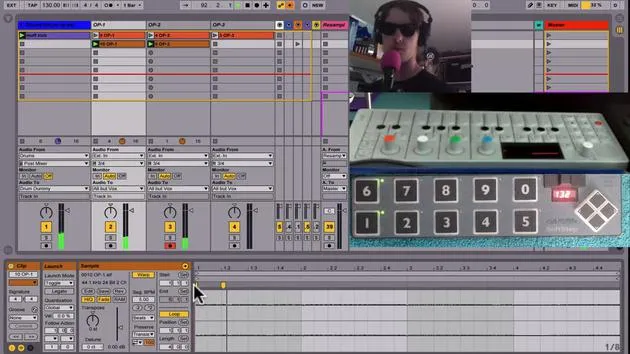
Example: I'll use my vocal mic and play around with my OP-1 while we play these clips.
- Let's start at one and hit record.
- Forgive the sloppy performance there, but you'll see that we've recorded the drum track, OP-1 track, mic, and anything else you have recorded enabled.
Tips for Track Recording
- You'll want to record enable everything, especially your live tracks, to capture everything.
- It's optional to record enable the routes.
Benefits:
- You can go back and mix this stuff.
- You have the flexibility to edit clips. For instance, if you don't like the beginning of a take, you can silence it.
Conclusion
If you plan on playing live and simply want to hear what it sounded like, I recommend using resample and not recording all the other tracks. However, if you want to perform and then edit, overdub, or change parts, you'll want to use record enabling with the other tracks.
- Trade-off:
- You will incur more CPU usage since everything is recording audio.
- You will create large files, which can become significant if you play a half-hour set with multiple 30-minute WAV files.
This is something to consider, but it does provide the extra flexibility you might need.
30 leçons
2h 20m de leçons vidéo structurées
Fonctions vidéo avancées
Ralentissez, bouclez un passage, suivez la partition
Mobile, tablette et ordinateur
Pratiquez où vous voulez
Satisfaction garantie à 100 %
Garantie remboursement 30 jours
Rencontrez votre guru
Rencontrez votre guru
Brian Funk est musicien, producteur, auteur-compositeur et Ableton Certified Trainer. Depuis 2014, il enseigne le cours Advanced Music Production with Ableton Live pour le Berklee College of Music. Il a joué de la guitare, de la basse, de la batterie et des synthétiseurs, et chanté dans des groupes de rock en tournée, et il se concentre aujourd'hui sur son set électronique solo, en portant sur scène ses expérimentations de studio.
Brian adore écrire, enseigner et concevoir des sons. Il produit des tutoriels et des Sound Packs pour Ableton Live, et publie des Packs Ableton Live gratuits depuis 2011 : plus de 125 à ce jour. En tant qu'Ableton Certified Trainer, il a donné des cours et des séminaires couvrant chaque étape du processus de production, et écrit régulièrement sur son blog et pour d'autres publications.
Influencé par le rock and roll, les jeux vidéo, le hip hop des débuts, le punk et l'électronica, des Beatles à Neon Indian en passant par Neil Young, Nirvana et Aerosmith, il décrit son propre son comme 'futuriste, et pourtant nostalgique'. Dans son cours MusicGurus, Live Performance in Ableton Live, il te montre comment il transforme des idées de studio en un vrai set live et pratique : sampler des sons pour en faire des instruments jouables, faire passer guitares et synthés dans du matériel électronique, et mixer et composer à la volée tout en jouant en live et en chantant. Tu en ressortiras capable de construire et d'interpréter ton propre set électronique en toute confiance.







