



Anches et ligatures
Avec
John O'Neill
Le contenu du cours
25 leçons (2h 10min) · 1 gratuites
01. Posture
13:20
02. Doigté
4:10
03. La respiration
4:12
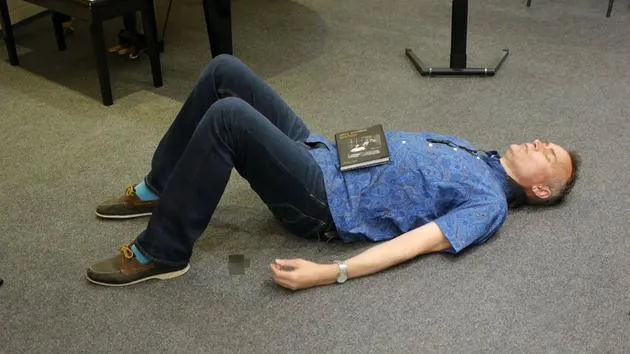
04. Exercice de respiration n° 1
3:24
05. Exercice de respiration n° 2
4:34
06. Exercice de respiration n° 3
2:29
07. Exercice de respiration n°4
1:27
08. Exercice de respiration n° 5
2:27
09. L'embouchure et ta première note
9:46
10. Dépanner ta première note
9:34
11. Développer ton son
3:43
12. Exercice de coup de langue n°1
4:36
13. Exercice de coup de langue nº 2
6:49
14. Réflexions finales et pratique
1:57
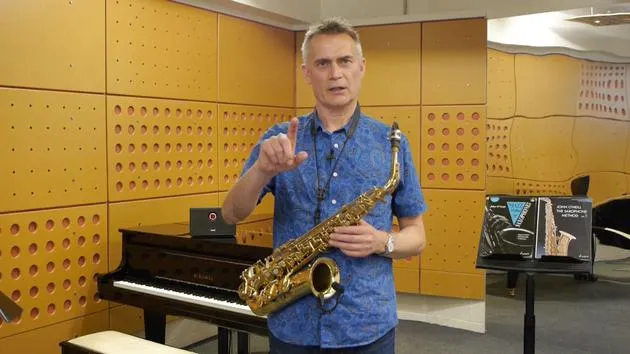
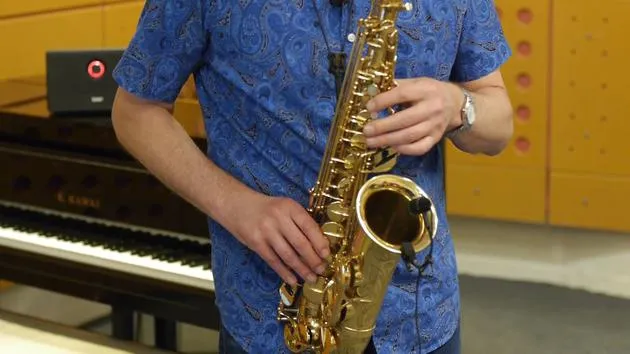
Transcription de la leçon
Understanding the Importance of Ligatures and Reeds
Ligatures
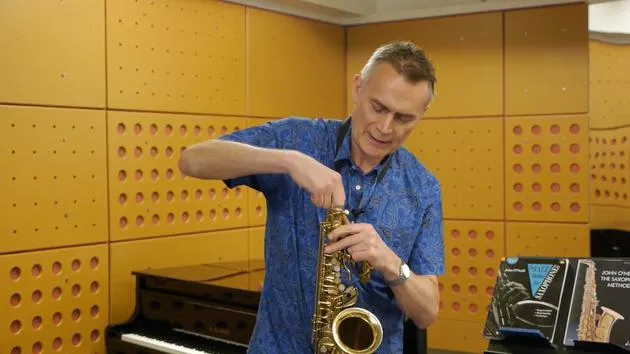
Another piece of equipment that's important is the ligature. Now, I'm not going to talk too long about this for the simple reason that I'm a bit old-fashioned in this respect.
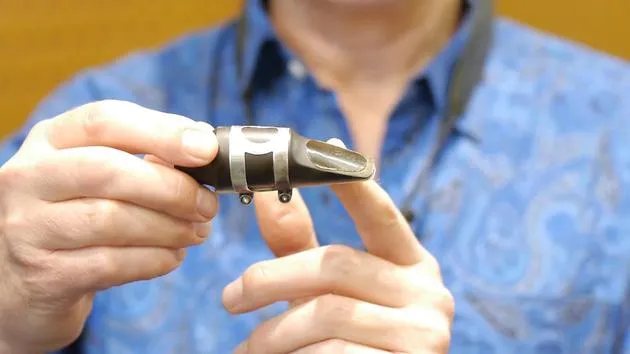
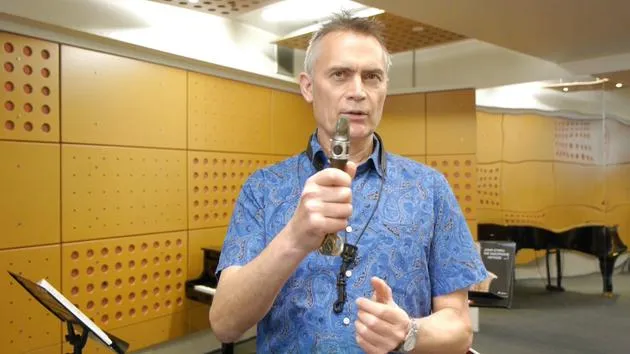
The ligature is the thing that holds the reed onto the mouthpiece. These days, there is almost a bewildering array of different ligatures made of various materials. Some are very expensive. I can't claim to be an expert on this; I use an old-fashioned metal ligature with two screws. It's the kind of ligature that probably most of those classic players I mentioned earlier would have used.
My Thoughts on Ligatures
My feeling about ligatures is:
- If it was good enough for players like Art Pepper, Johnny Hodges, and Phil Woods to use an old-fashioned ligature and they got a great sound, then it should be fine for me.
- This isn't to detract from the claims that people make about other kinds of ligatures; just that this simple ligature works fine for me.
Main Purpose: As I mentioned, the main purpose of the ligature is to hold the reed on.
What I look for in a ligature is:
- I don't want to be able to see daylight between the ligature and the reed.
- If there is daylight, it means the ligature is only pressing at certain points.
But okay, that's all I'm going to say about the ligature.
Reeds
The reed, however, is something that I do want to talk a little bit more about. This little item, which is the cheapest part of the setup, can often be overlooked.
- The setup with the saxophone can be very expensive; the mouthpiece is also pretty costly.
- The reed, comparatively, is relatively inexpensive.
Understanding Reed Grading
One of the problems when comparing different reeds is that different manufacturers have different systems of grading.
- Some manufacturers use numbers, which is probably the most common system.
- For example, this is a Van Doren 2.5 reed.
- They number reeds as: 1.5, 2, 2.5, 3, etc.
However, the problem is that the numbers don't necessarily correlate between different manufacturers. This means that a Ricoh 2.5 isn't necessarily the same strength as a Van Doren 2.5, in fact, it is noticeably softer in my experience.
If you Google, you'll find comparison charts. Sometimes the manufacturers themselves provide these to facilitate comparisons between different manufacturers. Sometimes it's a question of trial and error.
Other manufacturers, like Lavoz, don't use numbers. They describe the reed as:
- Medium soft (Ms)
- Medium
- Medium hard
Again, you should refer to those reed comparison charts.
Recommendations for Beginners
I always recommend for a beginner:
- Medium or medium soft reed, not too soft.
- I would never recommend even an absolute beginner play on a 1.5 reed. It would always be at least a 2.
Reason: When you're playing the saxophone, you need to feel a little bit of resistance to blow against. If the reed's too soft, it's too easy to produce sound. You want something you can actually blow against, which will help you use your core muscles properly, something I'm going to discuss in another video.
So, not too soft a reed, but also not too hard either. A 2 or a 2.5 maybe.
Caring for Your Reeds
It's crucial to look after your reeds very carefully:
- They are incredibly fragile, and you can see how thin that tip is.
- It's very common for beginners to pick up the saxophone, look at their fingers, and bash the reed against their clothes. As a result, it's likely you'll break a few reeds when you first start.
You will stop breaking them when you realize how incredibly expensive it is to replace them frequently.
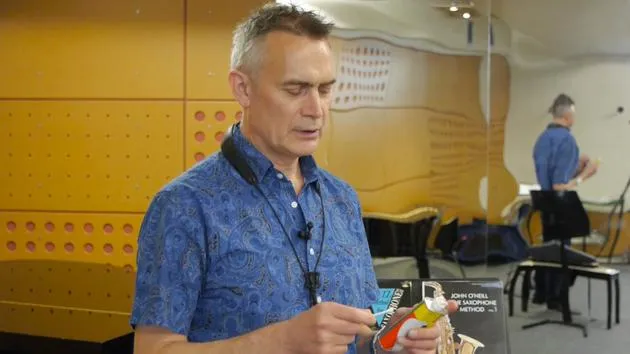
I use a reed guard to protect my reeds. This particular one:
- Allows you to slot the reeds in easily.
- Has a system for humidity control, utilizing little pouches that fit into the bottom of the reed case, keeping the reeds at the optimum humidity.
Importance of Humidity: This is essential because reeds tend to dry out.
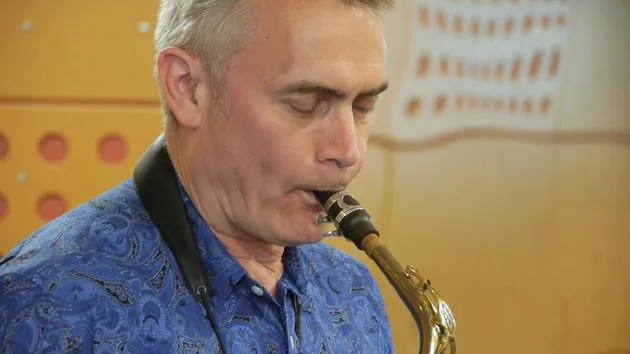
As we'll see later when I talk about putting the instrument together, it's crucial to keep the reed nice and moist. Keeping it in a reed guard with some humidity control will help maintain good playing conditions and prevent warping.
25 leçons
2h 10m de leçons vidéo structurées
Fonctions vidéo avancées
Ralentissez, bouclez un passage, suivez la partition
Mobile, tablette et ordinateur
Pratiquez où vous voulez
Satisfaction garantie à 100 %
Garantie remboursement 30 jours
Rencontrez votre guru
Rencontrez votre guru
John O'Neill est le saxophoniste à l'origine de The Jazz Method for Saxophone, la série publiée par Schott qui a appris à improviser à toute une génération de musiciens à travers le monde. Publiée pour la première fois en 1991, elle reste l'une des méthodes de jazz les plus vendues jamais écrites, aux côtés de ses méthodes complémentaires pour clarinette et flûte.
Il est venu au saxophone à vingt ans, alors qu'il étudiait le français et l'allemand au Trinity College d'Oxford, après avoir entendu John Coltrane. Il a ensuite étudié avec le grand ténor britannique Don Rendell et a appris l'improvisation auprès de Lee Konitz, Warne Marsh et Peter Ind, héritiers directs du légendaire pédagogue Lennie Tristano. Musicien professionnel depuis 1979, il est spécialisé dans le jazz et la bossa nova et s'est produit dans les plus grandes salles de Londres, dont le Ronnie Scott's, tout en composant de la musique pour le cinéma, la télévision, le théâtre et la danse.
Enseignant diplômé fort de décennies d'expérience, John a enseigné le saxophone, la clarinette et la flûte en privé et dans des écoles, dans le cadre du cursus de jazz du Trinity College of Music de Londres et lors de stages d'été en Espagne et en République tchèque. Il continue de se produire et d'enseigner depuis son domicile au nord de Londres.







