



Le bec
Avec
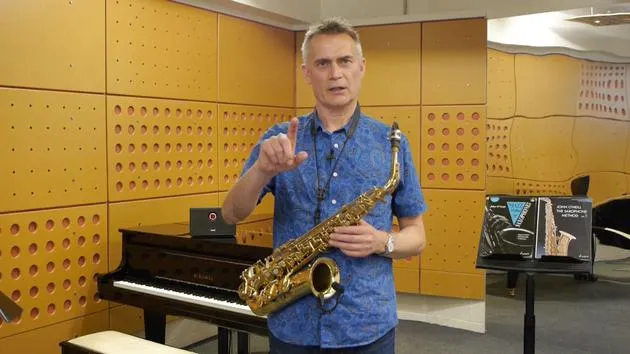
John O'NeillDans cette vidéo, John explique comment préparer et entretenir ton bec et tes anches. Il aborde aussi la science du son et la façon dont l'anche vibre. Des conseils sur quoi acheter et ce qu'il faut rechercher dans une anche.
Le contenu du cours
25 leçons (2h 10min) · 1 gratuites
01. Posture
13:20
02. Doigté
4:10
03. La respiration
4:12
04. Exercice de respiration n° 1
3:24
05. Exercice de respiration n° 2
4:34
06. Exercice de respiration n° 3
2:29
07. Exercice de respiration n°4
1:27
08. Exercice de respiration n° 5
2:27
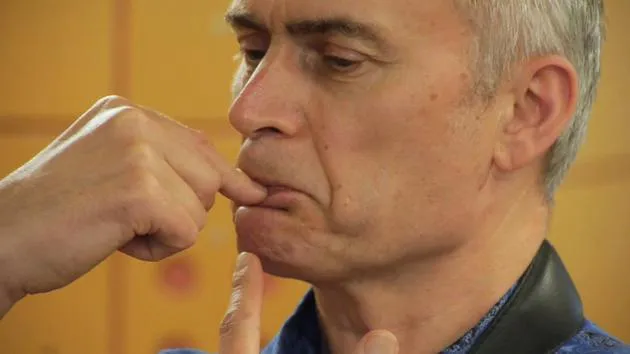
09. L'embouchure et ta première note
9:46
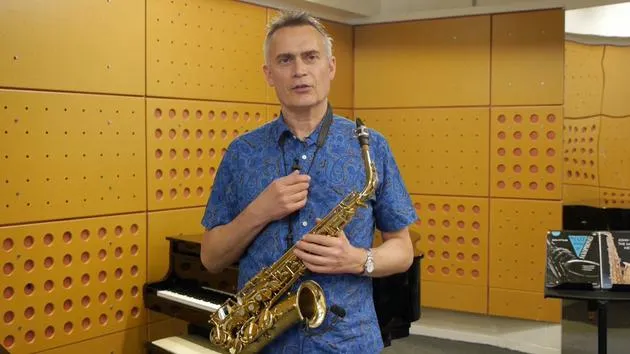
10. Dépanner ta première note
9:34
11. Développer ton son
3:43
12. Exercice de coup de langue n°1
4:36
13. Exercice de coup de langue nº 2
6:49
14. Réflexions finales et pratique
1:57
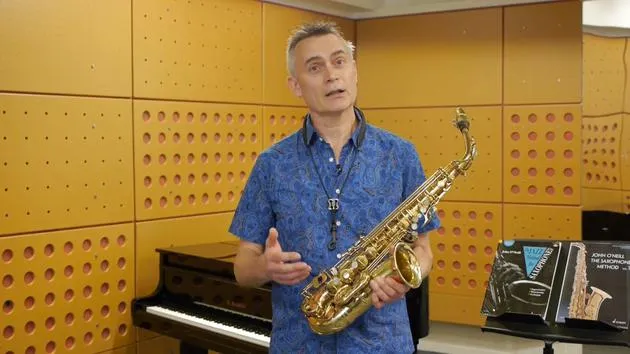
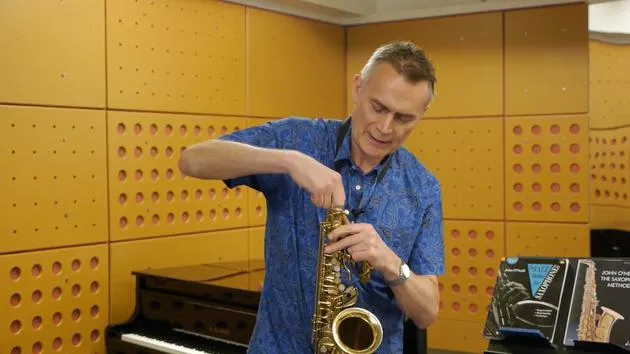
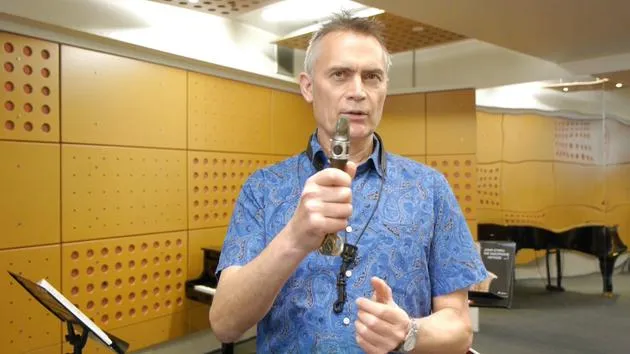
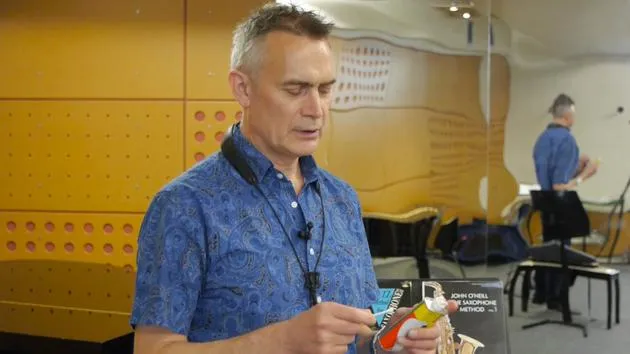
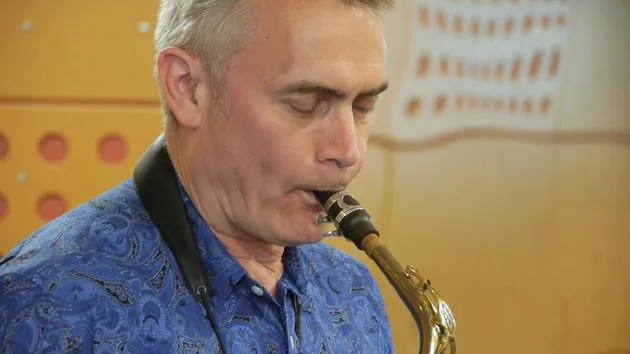
Transcription de la leçon
The Importance of the Mouthpiece in Saxophone Playing
Today, I'm going to talk about the mouthpiece.
Key Points about the Mouthpiece:
-
Sound Production:
- While the saxophone itself is an important part of the equipment, the mouthpiece is even more crucial as this is where the sound is produced.
- The wrong mouthpiece on an expensive saxophone will not yield good results.
- Conversely, a good mouthpiece on an inexpensive saxophone can produce impressive results.
-
Mouthpieces for New Instruments:
- If you buy a new, especially high-end instrument, the mouthpiece included is often decent.
- There's usually no need to change it in the short term, provided you have the right reed, which I will discuss later.
Buying a Mouthpiece
If you're planning to buy a mouthpiece, especially for a second-hand instrument that may not have come with one or has a poor-quality mouthpiece, consider the following:
Metal vs. Ebonite Mouthpieces
-
Material Differences:
- Metal mouthpieces are made of a different material; they are not intrinsically better than Ebonite mouthpieces.
- Myths persist that metal mouthpieces produce a much bigger sound. For example, many alto players using Ebonite mouthpieces can achieve a huge sound.
-
Sound Characteristics:
- You may have heard a player like David Sanborn, performing in a jazz-rock style with an abrasive sound. However, that sound is not solely due to the use of a metal mouthpiece.
- Most alto players actually use Ebonite mouthpieces, which are a kind of hardened rubber.
Key Factors in Mouthpiece Design
- Reed Fit:
- The reed fits on the mouthpiece as follows:
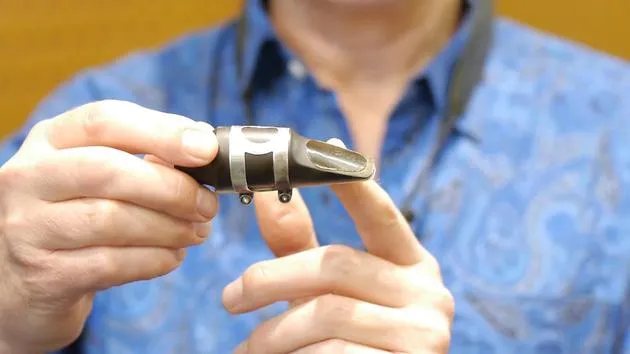
- The two most important aspects to consider are the tip opening and the lay of the mouthpiece.
Tip Opening
- The tip opening is the gap between the lip of the mouthpiece and the reed.
- A wider gap makes it more challenging to make the reed vibrate.
- A narrower gap allows for easier vibration.
- For beginners, a medium or medium-closed tip opening is recommended.
Lay of the Mouthpiece
- If you hold the mouthpiece to the side, observe where daylight stops between the reed and the mouthpiece; this distance is called the length of the lay.
- A longer lay allows the reed to vibrate more easily, while a shorter lay makes vibration more difficult.
- However, a longer lay may be harder to control.
Recommendations for Beginners
- A classic mouthpiece for alto players is the Meyer 5M, which has a medium tip opening and medium lay. Several famous players, like Phil Woods and Cannonball Adderley, have used it.
- Another excellent option for beginners is the Yamaha 4C mouthpiece.
- This mouthpiece comes with Yamaha student instruments but works well on almost any saxophone.
- It is relatively inexpensive and while it is made of plastic (which can break if dropped on a hard surface), it is very easy to play.
- This mouthpiece will serve you well for the first couple of years of playing, at least.
Feel free to reach out if you have any questions about selecting mouthpieces or reeds!
25 leçons
2h 10m de leçons vidéo structurées
Fonctions vidéo avancées
Ralentissez, bouclez un passage, suivez la partition
Mobile, tablette et ordinateur
Pratiquez où vous voulez
Satisfaction garantie à 100 %
Garantie remboursement 30 jours
Rencontrez votre guru
Rencontrez votre guru
John O'Neill est le saxophoniste à l'origine de The Jazz Method for Saxophone, la série publiée par Schott qui a appris à improviser à toute une génération de musiciens à travers le monde. Publiée pour la première fois en 1991, elle reste l'une des méthodes de jazz les plus vendues jamais écrites, aux côtés de ses méthodes complémentaires pour clarinette et flûte.
Il est venu au saxophone à vingt ans, alors qu'il étudiait le français et l'allemand au Trinity College d'Oxford, après avoir entendu John Coltrane. Il a ensuite étudié avec le grand ténor britannique Don Rendell et a appris l'improvisation auprès de Lee Konitz, Warne Marsh et Peter Ind, héritiers directs du légendaire pédagogue Lennie Tristano. Musicien professionnel depuis 1979, il est spécialisé dans le jazz et la bossa nova et s'est produit dans les plus grandes salles de Londres, dont le Ronnie Scott's, tout en composant de la musique pour le cinéma, la télévision, le théâtre et la danse.
Enseignant diplômé fort de décennies d'expérience, John a enseigné le saxophone, la clarinette et la flûte en privé et dans des écoles, dans le cadre du cursus de jazz du Trinity College of Music de Londres et lors de stages d'été en Espagne et en République tchèque. Il continue de se produire et d'enseigner depuis son domicile au nord de Londres.







