



Abtretung oder Lizenz – was ist der Unterschied?

Lesson time: (3min 17sec)
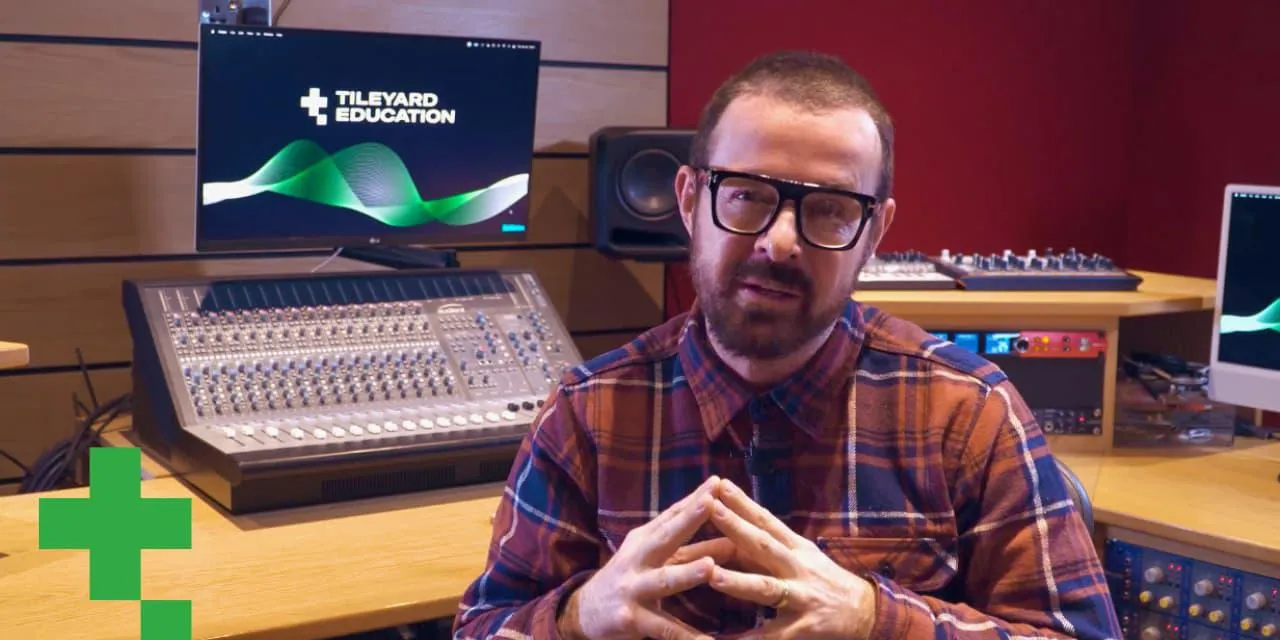
Judge Jules erklärt den Unterschied zwischen dem Abtreten und dem Lizenzieren deiner Rechte anhand der Analogie von Eigentum gegenüber Erbpacht sowie die drei Werte, die du in einem Plattenvertrag überträgst: Aufnahmen, Songs und Marke.
Course preview
This lesson is part of the course Verträge und Deals: die Grundlagen der Musikindustrie
Watch a preview of the full course below.
Lesson transcript:
Understanding Copyright in the Music Industry
As an artist, it's quite important to understand the basics of copyright. You don't need to be a lawyer, and you don't need to have a university degree in it. However, it is crucial to realize that copyright is an asset that you can metaphorically hold.
Three Main Assets in a Record Deal
In any record deal, there are basically three assets that you are going to be granting rights to:
- Recordings (Tracks) - This is one copyright.
- Songs - Bear in mind that the song might be written by someone completely different from the owner of the recording.
- Brand Rights - This pertains to you, the artist, which we'll discuss further.
Recording Rights and Record Deals
When it comes to recording rights, which is at the center of a record deal, there are two ways you can proceed:
-
Granting Rights to Your Record Label
Think of the analogy of property as a way of understanding it.- Real Property vs. Intellectual Property
In real property, as opposed to intellectual property, you can either buy the freehold or the leasehold:- Freehold - Buying something for as long as you want to own it, in perpetuity.
- Leasehold - A limited period of ownership.
- Real Property vs. Intellectual Property
Assignments vs. Licenses
This analogy applies to recordings and any use of intellectual property where you have:
-
Assignment - Similar to a freehold property assignment. If I assign my rights in my recording to you, you own those forever. I have no further rights over them in that respect.
-
License - If I license rights in my recording, it's for a specified period of time. My advice to any recording artist is to try and license your recording for a limited time, so you eventually get it back again.
Personal Experience
This approach has been very practical for me as an artist. I had a number of hit records 15 to 20 years ago, most of which I have now regained the rights to. I've got them up on Spotify and I'm earning directly from them, with no deductions whatsoever by any record company.
Sometimes, when I talk to artists about the importance of licensing their rights for 10, 12, or 15 years, I get a slightly confused look. Artists may think, "Well, I might be dead in 10, 12, or 15 years." The reality is, it's essential to treat your rights as an asset you can earn money from in the future.
Asset Sales and Future Earnings
There's a whole different theme we could discuss (which we probably won't cover in these classes) about asset sales, where people sell their songs and recordings that have a proven track record of earning income.
However, going back to you and your record deal, it is really important to try and limit the time frame for what you are selling to your record company.
Conclusion
There are certain labels, like Universal, where it's very challenging to do anything other than assign the rights. However, the other two major labels, Warner and Sony, will typically allow licensing. Most independent labels will as well. This is a really important point, absolutely at the center of any negotiation for a record deal.
About the instructor
Jules O'Riordan verfügt über mehr als 30 Jahre Erfahrung im gesamten Spektrum der Musikindustrie. Dazu zählen fast ein Jahrzehnt als A&R für die Labels des Universal-Verbunds, 15 Jahre als Moderator bei BBC Radio 1, über 150 Veröffentlichungen und Remixe als eigenständiger Künstler sowie eine 30-jährige Karriere als einer der bekanntesten, weltweit tourenden DJs Großbritanniens (Judge Jules) mit über 5.000 Gigs, dazu umfangreiche Erfahrung als Eventpromoter und Künstlermanager auf höchstem Niveau. Es genügt zu sagen, dass Jules die Musikindustrie in- und auswendig kennt, und seine Mandanten schätzen ihn als vertrauenswürdigen Berater, für den keine rechtliche oder geschäftliche Herausforderung zu groß oder zu klein ist. Jules ist seit 10 Jahren Anwalt. Seine Tätigkeit erstreckt sich über die gesamte Breite der musikorientierten Unterhaltungsindustrie. Seine juristische und vertragliche Expertise umfasst Management, Recording, Verlag, Vertrieb und Label-Services, musikbasierte Apps, Games und Tech-Projekte, Produktions-Deals, Produzenten, Featured Artists, Endorsements, Merchandising, Leistungsschutzrechte, TV-/Filmmusiken, Liveauftritte, Event- und Venue-Verträge sowie Urheberrechts- und Schutzrechtsverletzungen und viele weitere Streitigkeiten. Zu Jules' Mandanten zählen Künstler, Managementfirmen, Plattenlabels, Songwriter, Eventpromoter, Produzenten, Musik-Tech-Unternehmen, Produktionsfirmen, Live-Agenten, Musikverlage und DJs. Er hat auf zahlreichen Panels und Seminaren gesprochen, darunter ADE, Brighton Music Conference und AIM-Events, und war Gastredner zu Rechtsfragen in verschiedenen Online- und Offline-Medien, darunter BBC Radio 5 Live, BBC Introducing, Financial Times, The Sun, The Times und Mixmag. Jules spricht fließend Spanisch. Wer wäre besser geeignet, die Verträge und Deals zu entmystifizieren, denen jeder Musiker irgendwann begegnet? In seinem Kurs verwandelt Jules drei Jahrzehnte hart erarbeitetes Branchenwissen in klar verständliche Anleitung, damit du die geschäftliche Seite der Musik verstehst und dein Werk schützt, lange bevor du auf der gepunkteten Linie unterschreibst. read more