



Comprendre les bus et les réglages de projet

Lesson time: (3min 19sec)
Goetz explique tout ce que tu dois savoir sur l'utilisation des BUS dans ton DAW. Regarde-le configurer son projet dans Pro Tools.
Course preview
This lesson is part of the course Mixer la pop commerciale
Watch a preview of the full course below.
Lesson transcript:
Understanding the Master Bus
So just quickly, maybe not everybody knows what the master bus is. It's basically just what all the sounds are routed to, the mix bus. This is the last channel before it gets recorded. Everything that's on the master bus will affect your entire mix.
Routing to the Mix Bus
As you can see, I've routed every single channel here to go to the mix bus. This setup results in all channels being sent to our mix or master bus, which then goes to our Outputs 1 and 2 on Pro Tools.
Technical Considerations
One more technical aspect to consider:
- Sample Rate: When you do your mix, you have to decide on the sample rate.
- Bit Depth: This is crucial too.
Recommended Settings
- Standard Settings: It all ends up in 44.1 kHz, which is the CD quality sample rate of 16-bit.
- Higher Sample Rates: The equipment we have can work at much higher sample rates, which makes it sound considerably better. It's always best to go for the highest sample rate.
Even if the material you've been sent is in 48 kHz or 44.1 kHz, consider upsampling it when you load it in. If your system is powerful enough, run it in 96 kHz because it's going to sound a lot better.
Once the mix is finished, even if you go back down to a lower sample rate, you will notice a significant difference.
Bit Depth Recommendations
- General Bit Depth: The bit depth usually goes back down to 16-bit.
- Most Systems: Most systems now work at least in 24-bit.
- Pro Tools and Logic: Both work in 32-bit float. You can set this in Settings > Session Setup. Look for 32-bit float to use the best possible settings.
You can always reduce it back down later, but you will hear a difference if you do that. So, always go for the best.
Creating a Mix Template
I would suggest that you make your own mix template. Here's how:
- Identify Your Favorites: Determine what your favorite effects are and what you always use.
- Create a Template: Some people like to route all their different groups of instruments to different buses, especially in Logic.
Creating a template will save you a lot of time when mixing because you only have to set it up once rather than having to create new channels each time.
About the instructor
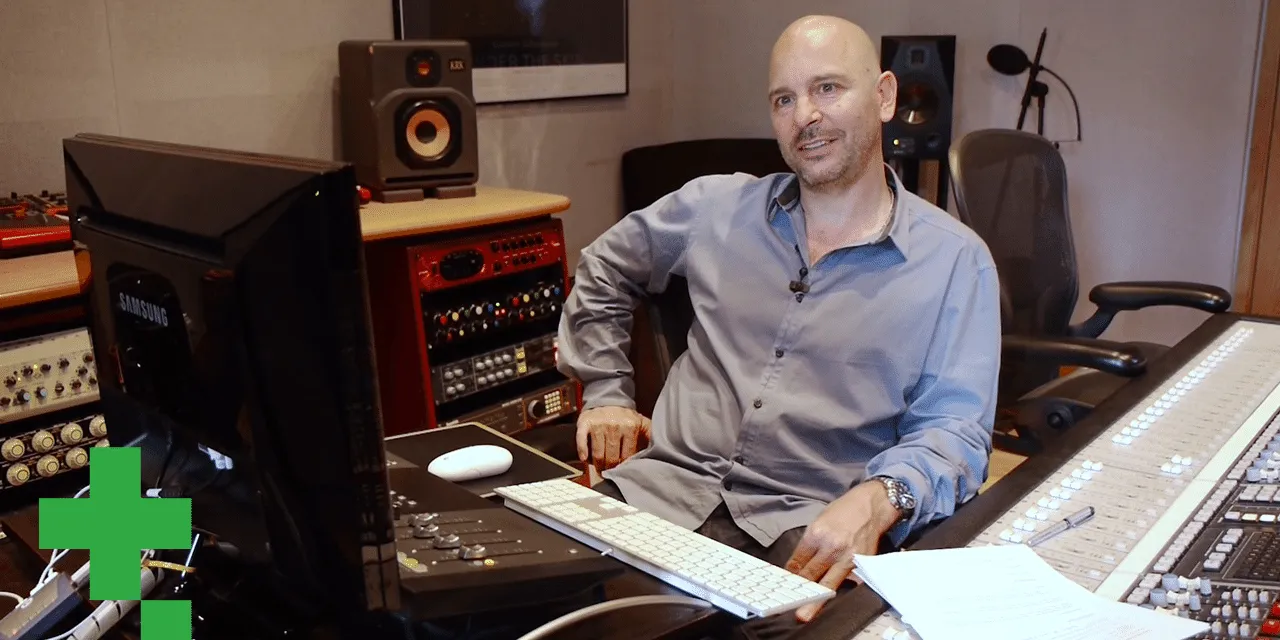
Au début des années quatre-vingt-dix, Goetz Botzenhardt s'est formé aux Swanyard Recording Studios, assistant des producteurs de premier plan comme Flood, Alan Moulder et Tom Lord-Alge, et a fait ses armes en enregistrant et en mixant les groupes de dance et d'acid jazz des années 90 : Incognito, Galliano, Soul II Soul et bien d'autres.À Swanyard, il rencontre Rollo Armstrong et tous deux nouent rapidement un partenariat créatif, à l'origine de nombreux grands disques de dance et remixes et, peu après, de l'enregistrement et du mixage des deux premiers albums acclamés de Faithless et du multi-platine 'No Angel' de Dido.Naviguant entre les genres, il a enregistré et mixé le premier album des Sugababes, 'One Touch', dont leur premier tube 'Overload', et a mixé pour The Cardigans, Bjork, The Cinematic Orchestra, Craig David, les Pet Shop Boys et Hikaru Utada, l'une des artistes les plus populaires du Japon.Plus récemment, il s'est étendu au cinéma et à la télévision, collaborant étroitement avec les compositeurs Christian Henson, Martin Phipps et Anne Nikitin, et mixant la musique de Daniel Pemberton, nommée aux Golden Globes, pour 'Steve Jobs', réalisé par Danny Boyle. En dehors du cinéma, il a produit 'Closer to the People' de Tanita Tikaram, mixé des titres pour Sigala, Ella Eyre, Breton, Planet Funk et Tito Jackson, et en 2016 il a mixé l'album de Peabo Bryson avec Jimmy Jam et Terry Lewis. La liste complète de ses travaux figure sur ses pages de discographie et de filmographie sur goetz-botzenhardt.com.Goetz travaille depuis son propre studio et sa salle de mixage, articulés autour d'une console SSL E4044, d'un monitoring surround Adam 5.1, d'un système Pro Tools HDX 48 canaux et d'un outboard de choix. Dans ses cours, il te fait entrer dans cette pièce pour montrer comment il mixe dans deux univers très différents : dans Mixing for Film & TV Score, comment il équilibre et façonne des musiques orchestrales et hybrides au service de l'image ; et dans Mixing Commercial Pop Music, comment il construit des mixes pop percutants et prêts pour la radio à partir du multipiste. read more