



Principales armes de mixage - EQ, Compression et Reverb

Lesson time: (11min 1sec)
Course preview
This lesson is part of the course Mixer la pop commerciale
Watch a preview of the full course below.
Lesson transcript:
Mixing Process Overview
Welcome back! In today's lesson, we'll focus on the essentials of the mixing process, emphasizing EQ and compression as your main tools for creating a polished sound.
The Importance of EQ
EQing is crucial because it determines which frequencies are used in a sound. With 30 to 40 sounds playing simultaneously, it's essential to ensure they don't interfere with each other.
- Lead Vocal: This will typically be the brightest and loudest element in your track. Everything else must find its place around it.
- Low Frequencies: The bass and kick drum are your lowest elements.
- Define Frequency: It's important to experiment and discover which sounds occupy what frequency ranges.
Tips for EQing:
- Don't be afraid to experiment!
- My favorite EQ is the SSL EQ for a more nuanced, smooth sound.
- I also like the Navy Q on the Slate plugin.
As you add more sounds, you'll learn how to EQ them to fit together cohesively. Your goal is for every sound to occupy its own "pocket" of frequency, ensuring clarity and preventing a muddled mix.
Understanding Compression
Compression is a powerful tool that can help you achieve that 'slamming' sound, reminiscent of classic Led Zeppelin records, which often utilized a big room and a significant compressor for their drums.
- Benefits of Compression:
- Levels out the sounds for more consistent volume.
- Controls dynamic range, making the track sound more professional.
The Role of Panning
Panning is another effective technique for achieving separation in your mix.
- Keep Mono in Mind: Ensure your mix still sounds good in mono, it's essential not to rely solely on panning for distinction.
- Effective Use of Panning: For instance, introducing a new instrument from the left and a different one from the right creates a more dynamic listening experience.
Mixing Objectives
Your primary aim in mixing is to ensure every sound is distinct, clear, and audible rather than a jumbled mess.
Example Demonstration
Here's a track I mixed earlier this year.
-
Drum Mixing:
- The drums sounded somewhat flat, so I applied compression to make them slam more. Here's the difference when the API compressor is engaged.
-
Bass Adjustments:
- I have two bass tracks, one focused on low end and the other on middle frequencies. By filtering out low frequencies from the middle bass, I created clarity between the two.
Methodical Mixing Process
This part of mixing is less about creativity and more about methodical procedures:
-
Order of Operations:
- Start with drums.
- Add bass and other rhythm instruments.
- Include pads, strings, and melodies.
- Finally, treat the vocal as another important instrument.
-
Time Management:
- Generally, aim to complete a mix in a single day for the first draft.
Final Touches
For clarity:
- I often recreate my mix by introducing EQ and compression one by one, then applying reverb to see how everything comes together.
Reverb Techniques
When it comes to reverb:
- Use a bright plate reverb for your main sound (around 2-2.5 seconds).
- Have a smaller room reverb (under 1 second) for drum sounds.
- Utilize a long reverb for occasional effects.
Reverb Management Tips:
- Limit yourself to a few effective reverb types to maintain clarity in your soundscape.
- It's best to place reverb on buses rather than inserts to retain flexibility and reduce clutter.
Let's load up the other song and explore these concepts further!
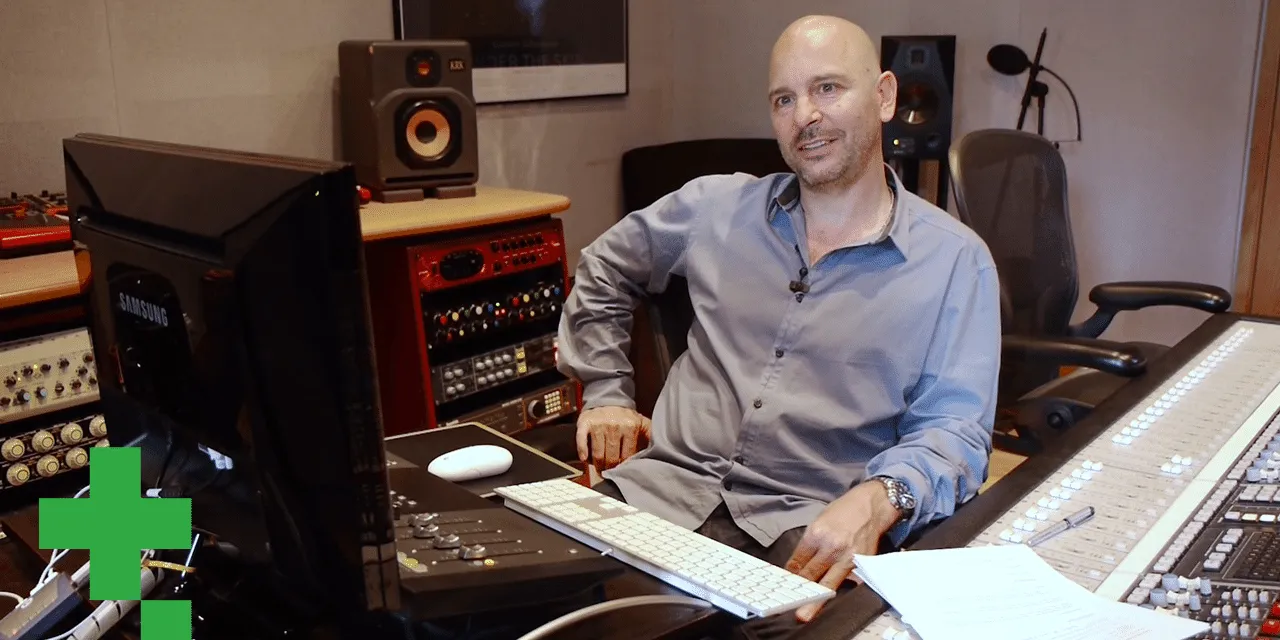
About the instructor
Au début des années quatre-vingt-dix, Goetz Botzenhardt s'est formé aux Swanyard Recording Studios, assistant des producteurs de premier plan comme Flood, Alan Moulder et Tom Lord-Alge, et a fait ses armes en enregistrant et en mixant les groupes de dance et d'acid jazz des années 90 : Incognito, Galliano, Soul II Soul et bien d'autres.À Swanyard, il rencontre Rollo Armstrong et tous deux nouent rapidement un partenariat créatif, à l'origine de nombreux grands disques de dance et remixes et, peu après, de l'enregistrement et du mixage des deux premiers albums acclamés de Faithless et du multi-platine 'No Angel' de Dido.Naviguant entre les genres, il a enregistré et mixé le premier album des Sugababes, 'One Touch', dont leur premier tube 'Overload', et a mixé pour The Cardigans, Bjork, The Cinematic Orchestra, Craig David, les Pet Shop Boys et Hikaru Utada, l'une des artistes les plus populaires du Japon.Plus récemment, il s'est étendu au cinéma et à la télévision, collaborant étroitement avec les compositeurs Christian Henson, Martin Phipps et Anne Nikitin, et mixant la musique de Daniel Pemberton, nommée aux Golden Globes, pour 'Steve Jobs', réalisé par Danny Boyle. En dehors du cinéma, il a produit 'Closer to the People' de Tanita Tikaram, mixé des titres pour Sigala, Ella Eyre, Breton, Planet Funk et Tito Jackson, et en 2016 il a mixé l'album de Peabo Bryson avec Jimmy Jam et Terry Lewis. La liste complète de ses travaux figure sur ses pages de discographie et de filmographie sur goetz-botzenhardt.com.Goetz travaille depuis son propre studio et sa salle de mixage, articulés autour d'une console SSL E4044, d'un monitoring surround Adam 5.1, d'un système Pro Tools HDX 48 canaux et d'un outboard de choix. Dans ses cours, il te fait entrer dans cette pièce pour montrer comment il mixe dans deux univers très différents : dans Mixing for Film & TV Score, comment il équilibre et façonne des musiques orchestrales et hybrides au service de l'image ; et dans Mixing Commercial Pop Music, comment il construit des mixes pop percutants et prêts pour la radio à partir du multipiste. read more