



Étapes finales du mixage et livraison du projet

Lesson time: (13min 38sec)
Goetz couvre les dernières étapes d'un mix : reposer tes oreilles jusqu'au lendemain, utiliser la limitation pour gagner en volume sans distorsion, et comment livrer les fichiers au client avant le mastering.
Course preview
This lesson is part of the course Mixer la pop commerciale
Watch a preview of the full course below.
Lesson transcript:
Final Mixing Tips and Client Communication
Okay, so here's the last chapter. Once you feel happy with your mix and think it's done, it's not actually quite done yet. There's one crucial aspect: your client has to approve your mix.
Step Back for Objectivity
After spending all day mixing, you might believe your mix is pretty good, but you may have lost some objectivity. Here are a few suggestions to refresh your ears:
- Leave the Mix Overnight: If possible, go home and listen to it in the morning with fresh ears. You'll be amazed at what you can hear that might have stuck out when you were fatigued.
- If You Must Send It Immediately: Send off the mix if you have to do it on the same day, but try to follow the previous suggestion when you can.
Achieving Volume and Quality
It's important that your mix is nice and loud, so maximize limiting without introducing distortion. Aim for:
- A fine balance with your limiter.
- The use of both WAV and MP3 formats when sending to the client:
- WAV: Full bandwidth for detailed listening.
- MP3: Convenient for clients who are on the go.
Communicating with the Client
When sending your mix:
- Don't just present it and say, "Here it is."
- Instead, say, "This is the first draft of the mix I've done. Please have a listen and come back to me with comments."
- Make sure to copy in the right people: usually the manager or record company who pays the bill.
Save Your Work
Before you leave, ensure all your settings are saved. When you come back, you should be able to pick up where you left off without any loss of settings. A good practice:
- Document Your Settings: Use your iPhone to take pictures of settings and email them to yourself or save them in a separate folder in the session.
Working with Feedback
When working on a mixing desk without recall:
- Avoid Changing the Mix Before Feedback: If the client says, "Your mix sounds amazing, but can we just change one thing?" and you've already modified it, that can be problematic.
The first mix I send out is usually labeled as Reference Mix One, signaling to the client that everything is still open for discussion.
Handling Client Feedback
Client feedback can sometimes be vague. Here's how to navigate it:
- Constructive Requests: Good examples include, "Can we turn the hi-hat down a dB?" or "Can we elevate this guitar riff at 1 minute 20 to 2 decibels?"
- Vague Feedback: Comments like "I prefer the demo" or "It's just a bit more blue/green" can be tricky. In such cases:
- Consider having a discussion over the phone or inviting them in for a final mix.
Always ensure that you're addressing their feelings about the mix, even if the feedback seems unfocused.
The Final Touch: Mastering
Every mixer has preferred mastering engineers. I personally trust:
- Tim Young at Metropolis - my favorite for mastering.
Ensure your mastering engineer:
- Doesn't Radically Change Your Mix: Communicate the desired sound to avoid unpleasant surprises later on.
Conclusion
Once all is said and done, remember that it's crucial for your client to be 100% happy with the mix. They will be living with it for a long time, while you will likely move on to different projects.
Thank you for listening to this course; I hope you found it informative! Keep all these tips in mind, and good luck with your mixing career. I hope you can become an awesome mixer!
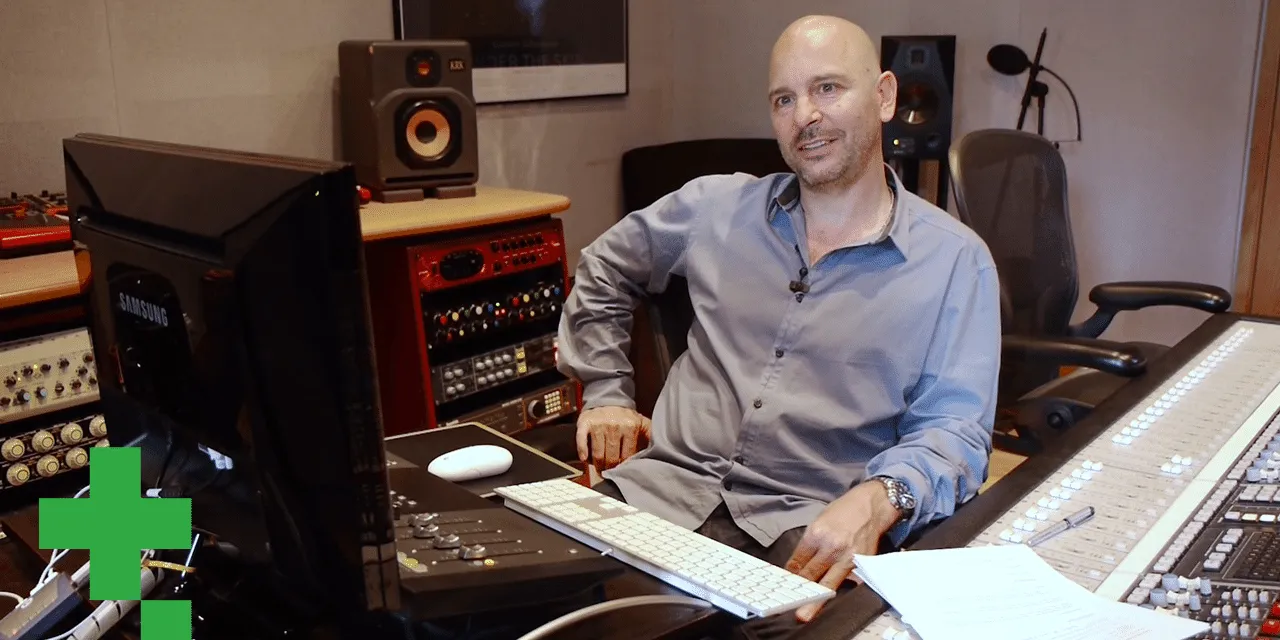
About the instructor
Au début des années quatre-vingt-dix, Goetz Botzenhardt s'est formé aux Swanyard Recording Studios, assistant des producteurs de premier plan comme Flood, Alan Moulder et Tom Lord-Alge, et a fait ses armes en enregistrant et en mixant les groupes de dance et d'acid jazz des années 90 : Incognito, Galliano, Soul II Soul et bien d'autres.À Swanyard, il rencontre Rollo Armstrong et tous deux nouent rapidement un partenariat créatif, à l'origine de nombreux grands disques de dance et remixes et, peu après, de l'enregistrement et du mixage des deux premiers albums acclamés de Faithless et du multi-platine 'No Angel' de Dido.Naviguant entre les genres, il a enregistré et mixé le premier album des Sugababes, 'One Touch', dont leur premier tube 'Overload', et a mixé pour The Cardigans, Bjork, The Cinematic Orchestra, Craig David, les Pet Shop Boys et Hikaru Utada, l'une des artistes les plus populaires du Japon.Plus récemment, il s'est étendu au cinéma et à la télévision, collaborant étroitement avec les compositeurs Christian Henson, Martin Phipps et Anne Nikitin, et mixant la musique de Daniel Pemberton, nommée aux Golden Globes, pour 'Steve Jobs', réalisé par Danny Boyle. En dehors du cinéma, il a produit 'Closer to the People' de Tanita Tikaram, mixé des titres pour Sigala, Ella Eyre, Breton, Planet Funk et Tito Jackson, et en 2016 il a mixé l'album de Peabo Bryson avec Jimmy Jam et Terry Lewis. La liste complète de ses travaux figure sur ses pages de discographie et de filmographie sur goetz-botzenhardt.com.Goetz travaille depuis son propre studio et sa salle de mixage, articulés autour d'une console SSL E4044, d'un monitoring surround Adam 5.1, d'un système Pro Tools HDX 48 canaux et d'un outboard de choix. Dans ses cours, il te fait entrer dans cette pièce pour montrer comment il mixe dans deux univers très différents : dans Mixing for Film & TV Score, comment il équilibre et façonne des musiques orchestrales et hybrides au service de l'image ; et dans Mixing Commercial Pop Music, comment il construit des mixes pop percutants et prêts pour la radio à partir du multipiste. read more