



Préparation avant de se mettre au mixage
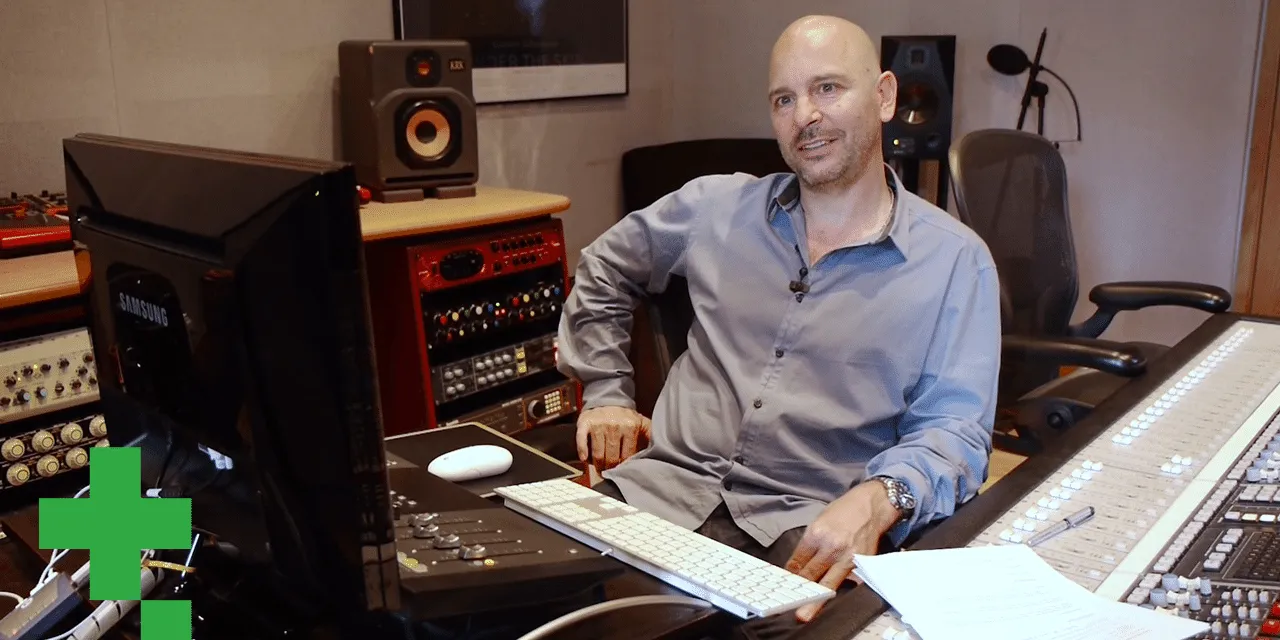
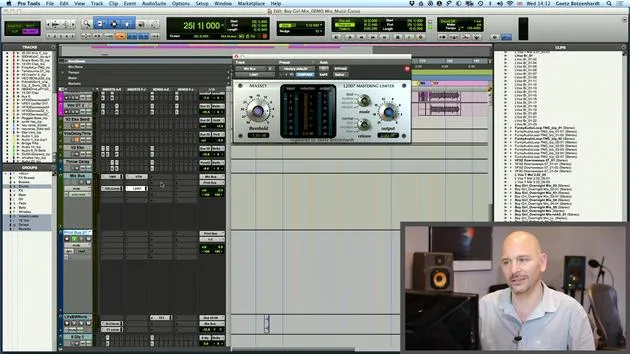
Goetz Botzenhardt aborde ce qu'il faut régler avant de commencer à mixer, et pourquoi traiter le mixage comme un processus créatif plutôt que purement technique.
Le contenu du cours
23 leçons (2h 35min) · 1 gratuites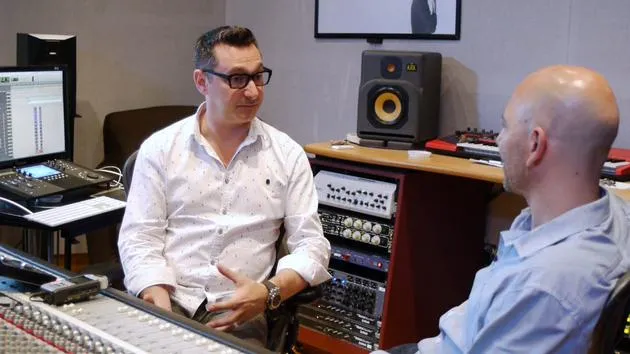
01. Entretien avec Goetz Botzenhardt
Leçon gratuite20:19
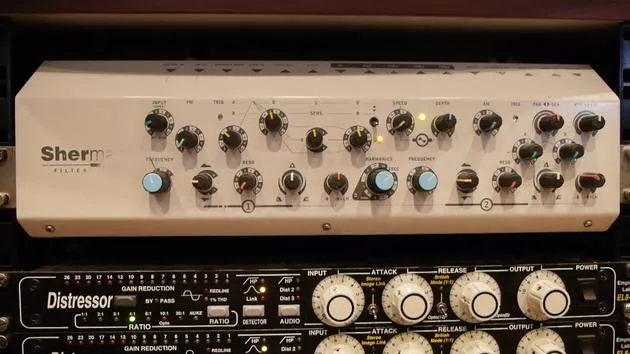
02. L'installation du studio de Goetz
14:02
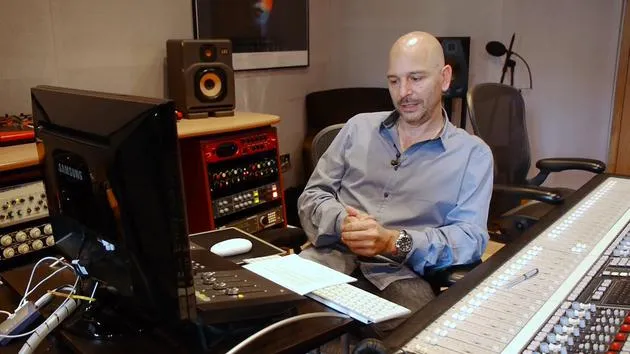
03. Préparation avant de se mettre au mixage
Tu es ici7:29
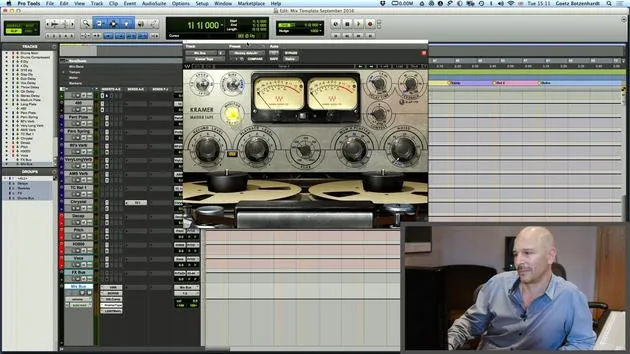
04. Créer et utiliser un modèle de mixage pour démarrer rapidement
7:37
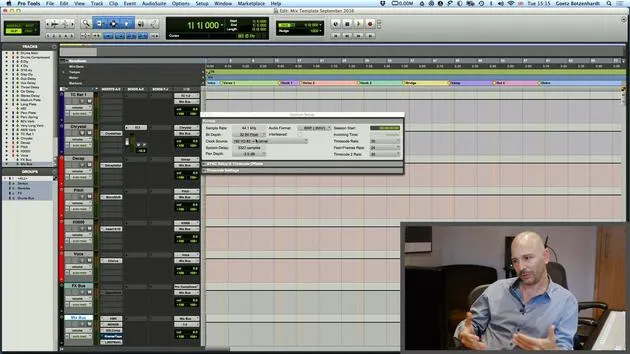
05. Comprendre les bus et les réglages de projet
3:19
06. EXERCICE N° 1 : CRÉE UNE SESSION DE MIX
0:41
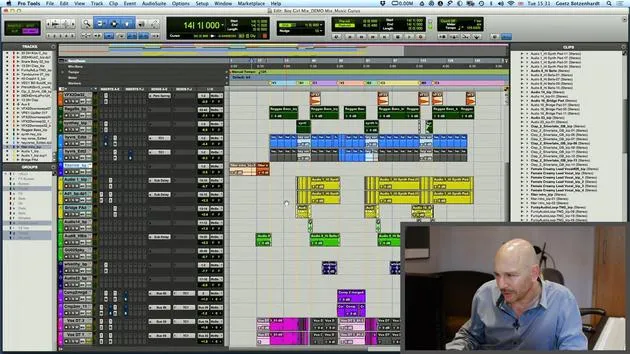
01. Charger des samples dans ton projet de mixage
5:28
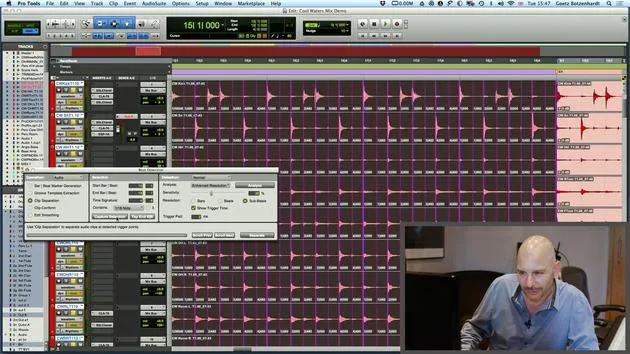
02. Inspecter le matériel - La batterie
7:06
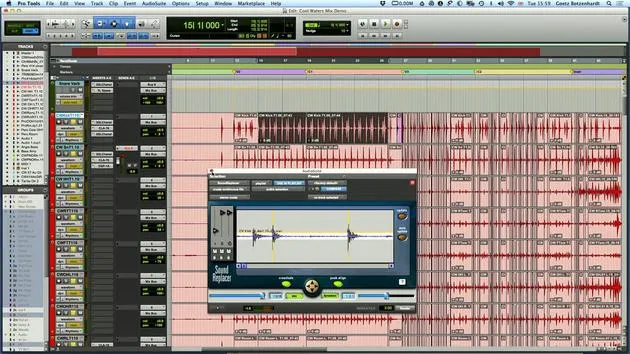
03. Resserrer la batterie avec Sound Replacer
5:14
04. Inspecter et préparer les voix
3:40
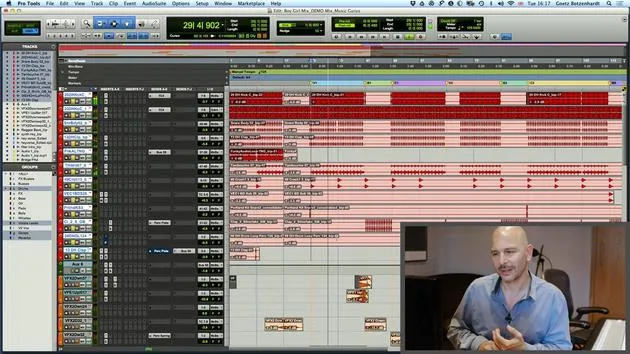
05. Assembler le mix
10:36
06. Ajouter plus d'éléments au mix
3:21
07. EXERCICE #2 : REMPLACER LA GROSSE CAISSE ET LA CAISSE CLAIRE
1:04
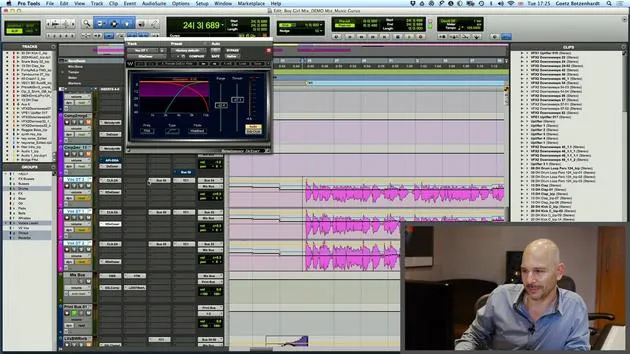
Transcription de la leçon
Mixing Course: Preparation and Process
Introduction
Okay, so, hello again. This is the main part of our mixing course.
I just want to say a few words before we start, which for me is really important.
As much as mixing is a technical process, and there's really a lot of detail that has to be worked on, never forget that it's a very creative thing as well.
- Instead of just inching towards the finish line with your mix, try the overarching thing: create a great sound.
- Throw some mad sounds in there, don't be scared!
- You can always rein it back in later.
What gets you noticed really is if you make something unique. If you come up with something crazy that no one's heard before, then you're much more likely to be played on the radio.
Now, having said that, if you work on somebody else's record, don't forget to be respectful to the artist. For instance, if it's a female solo artist, the most essential thing is her voice, make it shine!
Step-by-Step Mixing Process
Now, I'm going to go through the mixing process step by step.
1. Preparation
Listening to the Demo:
- One really important thing is to listen to the demo or the rough mix.
- Whether you're the producer yourself or someone else is producing, there will already be a version of the song that people have heard, friends of the artist, the manager, or the A&R person.
- This version is likely a good one, so analyze what works about it.
Communicating with the Artist:
- Have a conversation with the artist:
- "Here's our rough mix. What do you like about it? What areas do you think we can improve on?"
- This dialogue helps establish a benchmark and offers rough ideas of where they want to go with it.
Staying True to the Original:
- Ensure your mix isn't worse than what's already there.
- You'd be surprised how many times people produce mixes that lead to the label saying, "Oh no, I prefer the demo!"
2. Genre Benchmarking
Another thing I do before I start mixing is determine the genre of the song.
- I create a playlist on Tidal or iTunes with songs of a similar genre that I like the sound of.
- This helps establish a benchmark to strive for, aim to make our mix at least as good as theirs, if not better.
Client Input:
- I also ask the client or artist if they have any other songs they like.
- "Do you have a little playlist for me?" This is really helpful.
3. The Sketch of the Mix
Once I've sorted those things in my head, I do a little sketch of the mix.
For example, if a song sounds like an Amy Winehouse track, it should probably sound quite retro.
- Think about what reverbs am I going to use.
- Use things that were around at that time: plate reverb, spring reverbs, and stay away from modern stuff.
- Analyze what makes those records work.
4. Analyzing Raw Material
Now, we move to the second part of preparation: the raw material you've been sent.
- Ideally, you get a download link with nicely labeled files, vocals already comped, and no crazy noises or clicks.
- Unfortunately, that's not always the case. Sometimes clients send multiple takes or don't label things properly.
Clarification with Clients:
- Investigate what you've got and if there are problems, go back to the clients.
- Ask them to print or label things again.
- If you're confused about various vocal takes, reach out and clarify.
5. Finalizing Preparation
Don't be afraid to go back to the client if there's any grey area.
- There's no point starting the mix if you're unclear about what you're working with.
- If there's a problem, go back to the client, and don't start until everything is clarified.
Conclusion of Preparation
This was the first step of preparation.
Now, we're moving on to Preparation Part Two.
While it might seem a bit boring that you're still not ready to start, I want to explain something technical.
Good mixing involves ample preparation. The more creative preparation we've discussed is absolutely vital.
Remember, if you have prepared your mix well, it's going to be really easy to make it sound good!
If you don't follow these steps, you're going to encounter a whole load of problems later on, which is what we want to avoid.
23 leçons
2h 35m de leçons vidéo structurées
Fonctions vidéo avancées
Ralentissez, bouclez un passage, suivez la partition
Mobile, tablette et ordinateur
Pratiquez où vous voulez
Satisfaction garantie à 100 %
Garantie remboursement 30 jours
Rencontrez votre guru
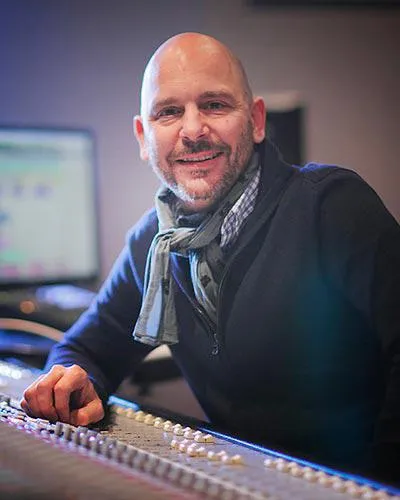
Rencontrez votre guru
Au début des années quatre-vingt-dix, Goetz Botzenhardt s'est formé aux Swanyard Recording Studios, assistant des producteurs de premier plan comme Flood, Alan Moulder et Tom Lord-Alge, et a fait ses armes en enregistrant et en mixant les groupes de dance et d'acid jazz des années 90 : Incognito, Galliano, Soul II Soul et bien d'autres.
À Swanyard, il rencontre Rollo Armstrong et tous deux nouent rapidement un partenariat créatif, à l'origine de nombreux grands disques de dance et remixes et, peu après, de l'enregistrement et du mixage des deux premiers albums acclamés de Faithless et du multi-platine 'No Angel' de Dido.
Naviguant entre les genres, il a enregistré et mixé le premier album des Sugababes, 'One Touch', dont leur premier tube 'Overload', et a mixé pour The Cardigans, Bjork, The Cinematic Orchestra, Craig David, les Pet Shop Boys et Hikaru Utada, l'une des artistes les plus populaires du Japon.
Plus récemment, il s'est étendu au cinéma et à la télévision, collaborant étroitement avec les compositeurs Christian Henson, Martin Phipps et Anne Nikitin, et mixant la musique de Daniel Pemberton, nommée aux Golden Globes, pour 'Steve Jobs', réalisé par Danny Boyle. En dehors du cinéma, il a produit 'Closer to the People' de Tanita Tikaram, mixé des titres pour Sigala, Ella Eyre, Breton, Planet Funk et Tito Jackson, et en 2016 il a mixé l'album de Peabo Bryson avec Jimmy Jam et Terry Lewis. La liste complète de ses travaux figure sur ses pages de discographie et de filmographie sur goetz-botzenhardt.com.
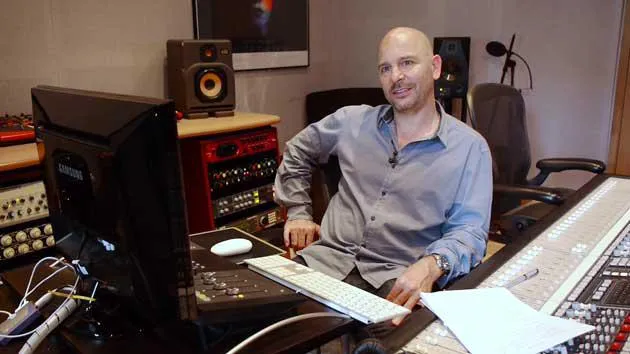
Goetz travaille depuis son propre studio et sa salle de mixage, articulés autour d'une console SSL E4044, d'un monitoring surround Adam 5.1, d'un système Pro Tools HDX 48 canaux et d'un outboard de choix. Dans ses cours, il te fait entrer dans cette pièce pour montrer comment il mixe dans deux univers très différents : dans Mixing for Film & TV Score, comment il équilibre et façonne des musiques orchestrales et hybrides au service de l'image ; et dans Mixing Commercial Pop Music, comment il construit des mixes pop percutants et prêts pour la radio à partir du multipiste.







