



Técnica de baquetas
Qué incluye el curso
114 lecciones (3h 47m) · 1 gratis
01. Introducción a la batería rock
7:55
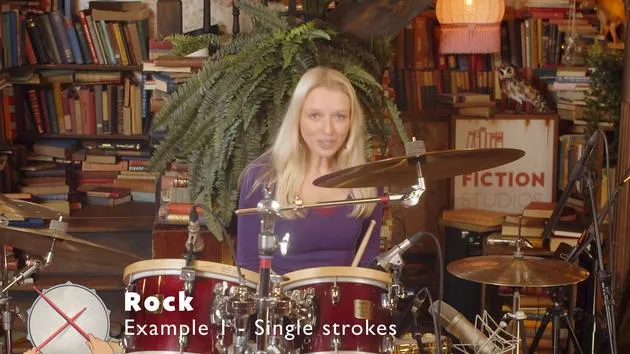
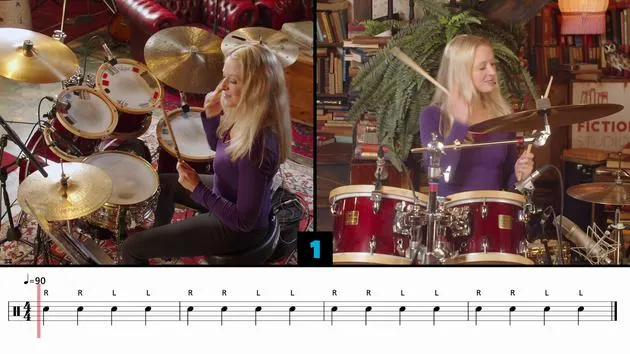
02. Ejemplo 1 - Golpes simples
2:44
03. Ejemplo 2 - Golpes dobles
1:28
04. Ejemplo 3 - Paradiddles
2:37
05. Bonus - Combinar golpes simples, dobles y paradiddles
2:22
06. Lección de rock 2 - Añadir silencios
1:48
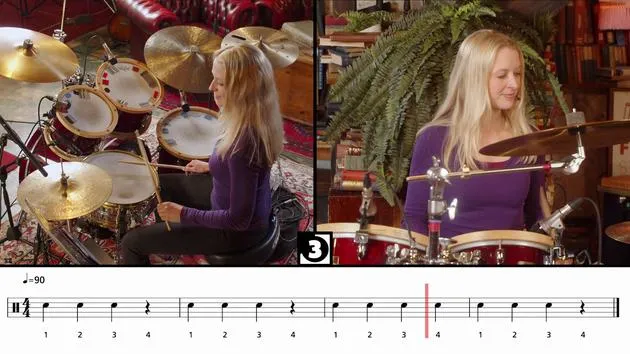
07. Ejemplo 1 - Silencio en el tiempo 4
1:56
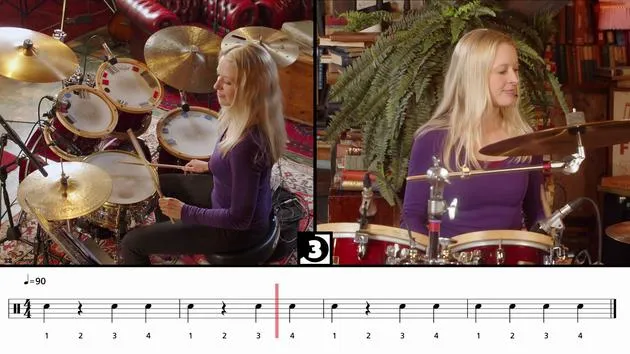
08. Ejemplo 2 - Silencio en el tiempo 2
1:36
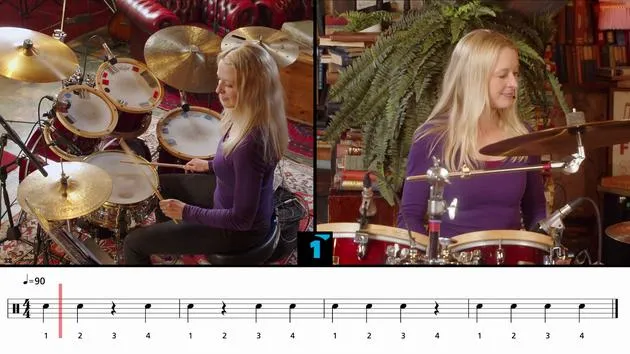
09. Ejemplo 3 - Silencios que se mueven
1:05
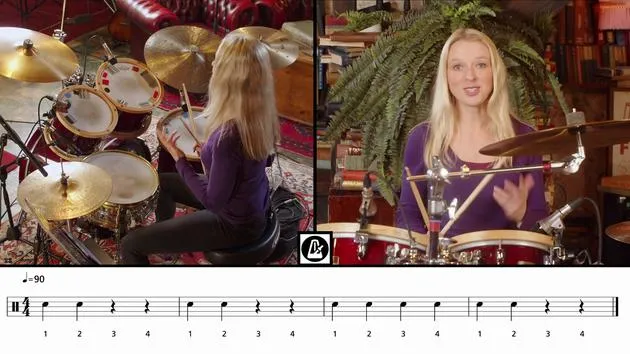
10. Ejemplo 4 - Piston compases 12-16
1:56
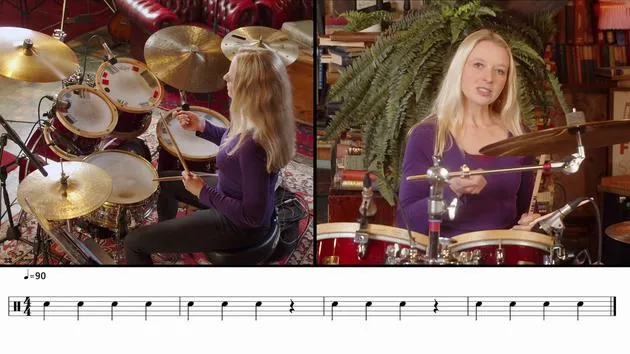
11. Ejercicio extra 1
1:49
12. Ejercicio extra 2
1:02
13. Resumen de la sección de rock
1:50
01. Pop - Añadir el charles
1:31
02. Ejemplo 1 - Negras en el hi-hat
1:40
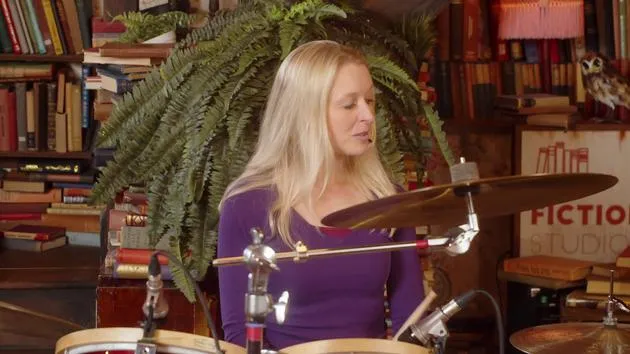
03. Ejemplo 2 - Silencio en el tiempo 1
1:42
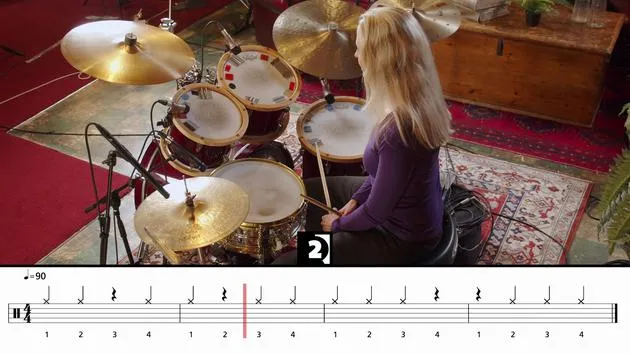
04. Ejemplo 3 - Dos silencios de negra consecutivos
1:28
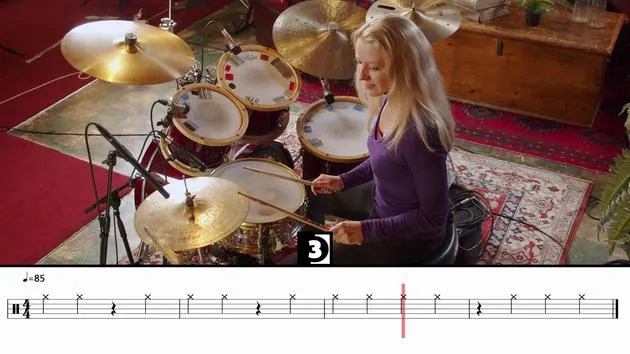
05. Ejercicio extra 1
1:11
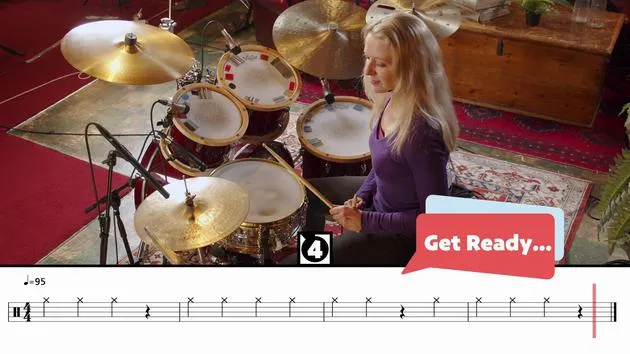
06. Ejercicio extra 2
1:10
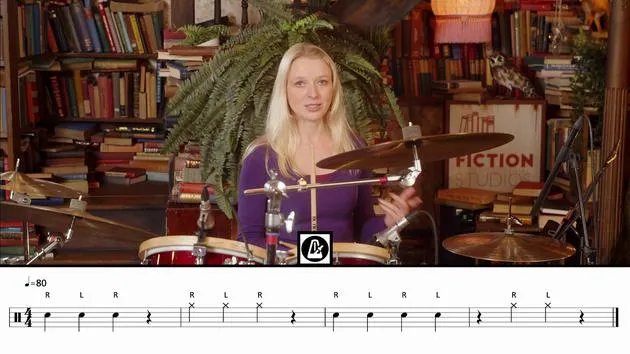
07. Pop Lección 2 Ejemplo 1 - Combinar el hi-hat y la caja
1:11
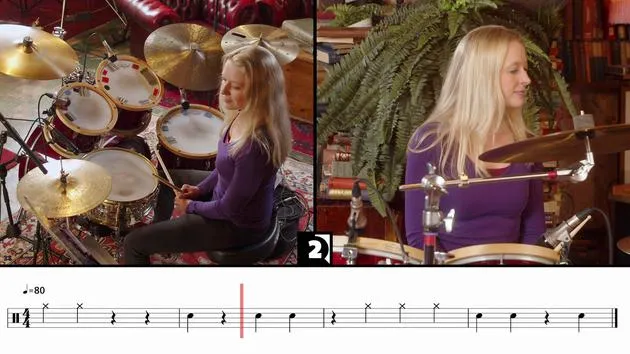
08. Ejemplo 2 - Moverse rápidamente entre las voces de la batería
1:17
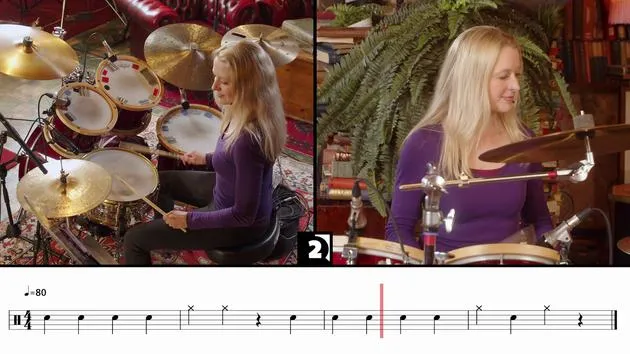
09. Ejemplo 3 - Dos voces de batería en un compás
0:59
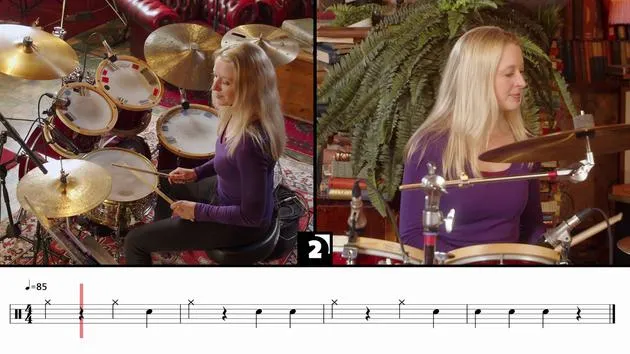
10. Ejemplo 4 - Take It to the Top, compases 1-4
1:10
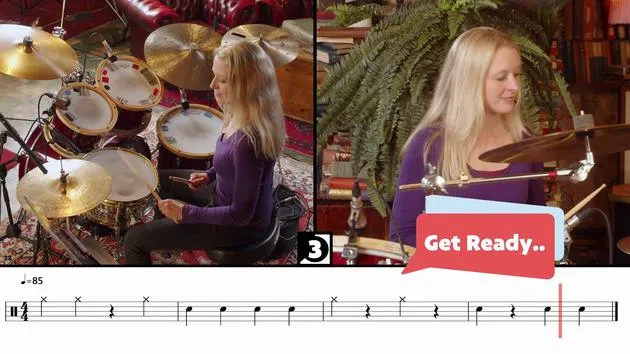
11. Ejercicio extra 1
1:08
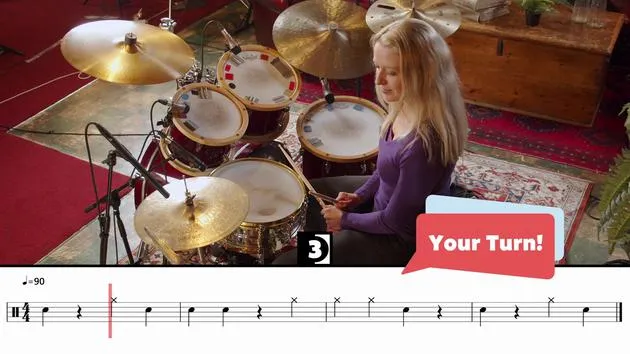
12. Ejercicio extra 2
1:04
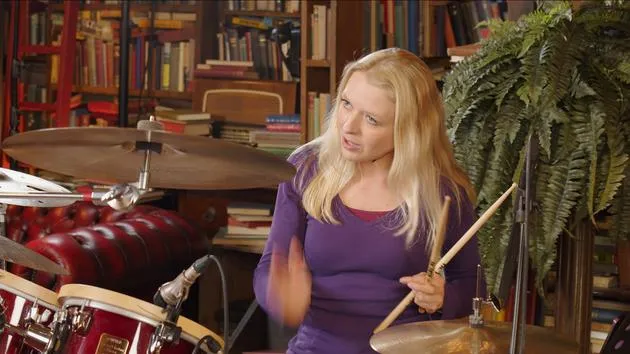
13. Resumen de la sección de música pop
0:51
01. Introducción a la música country
4:13
02. Punto de control de habilidades
1:54
03. Ejemplo 1 - Silencio de blanca
1:18
04. Ejemplo 2 - Colocación del silencio de blanca
1:31
05. Ejemplo 3 - Frases de bombo
1:29
06. Ejercicio extra 1
1:27
07. Ejercicio extra 2
1:10
08. Lección de country 2 - Combinar bombo, caja y charles
3:07
09. Ejemplo 1 - Combinar el bombo y el charles
1:40
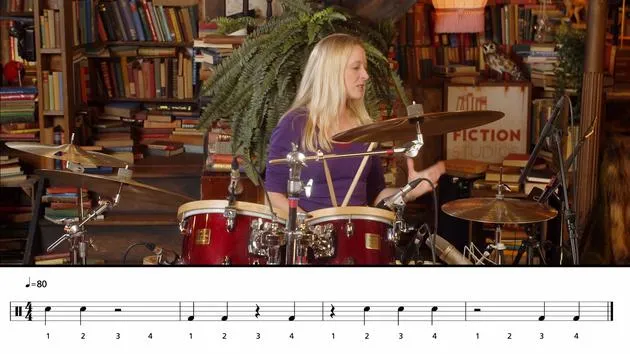
10. Ejemplo 2 - Añadir el silencio de blanca en distintas posiciones
1:10
11. Ejemplo 3 - Moverse rápido entre voces de la batería
1:10
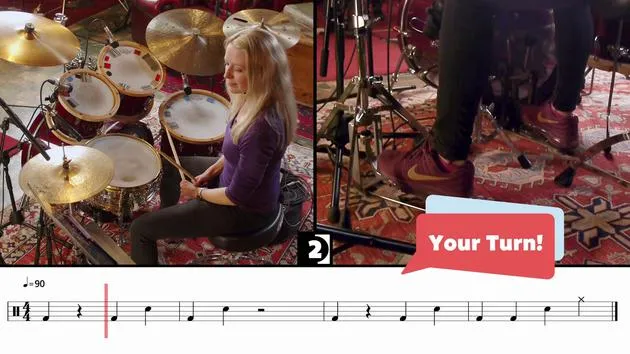
12. Ejemplo 4 - Borderlands compases 1-4
1:06
13. Ejercicio extra 1
1:30
14. Ejercicio extra 2
0:56
15. Resumen de la sección de música country
0:26
01. Introducción al metal: tocar dos voces de batería
3:35
02. Ejemplo 1 - Centrarse en la coordinación
2:19
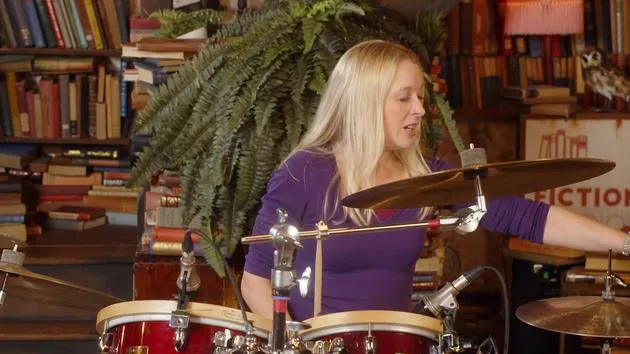
03. Ejemplo 2 - Variaciones de bombo
1:16
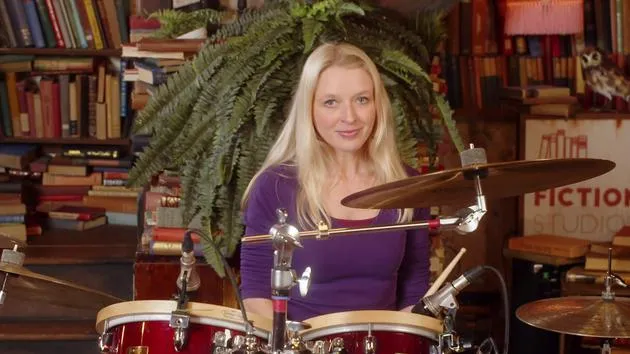
04. Ejemplo 3 - Coordinar las manos
1:09
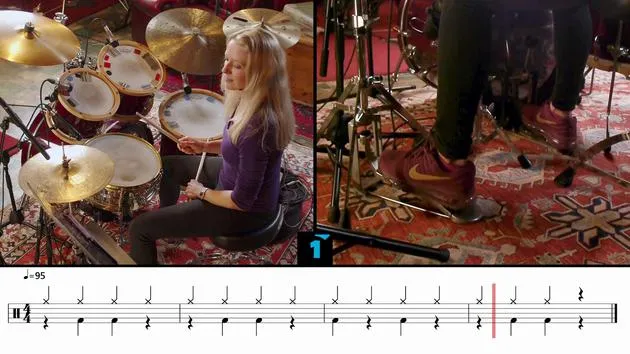
05. Ejercicio extra 1
1:05
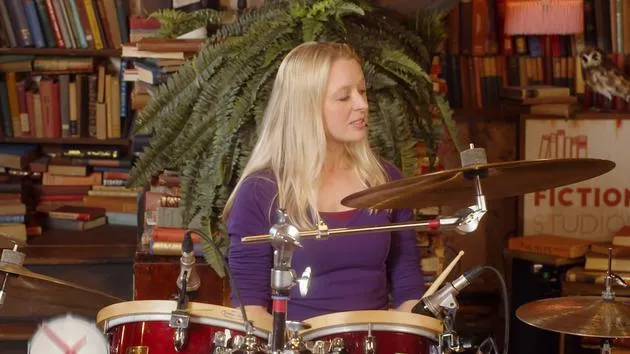
06. Ejercicio extra 2
0:50
07. Resumen de la lección 1 de metal
0:25
08. Lección de metal 2 - Tocar tu primer ritmo completo
1:56
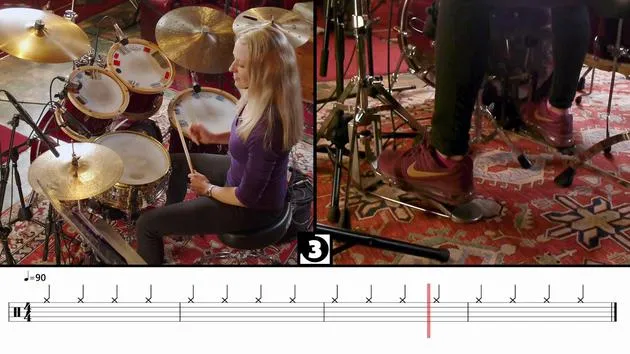
09. Ejemplo 1 - Patrón básico de hi-hat para ritmo de rock
1:08
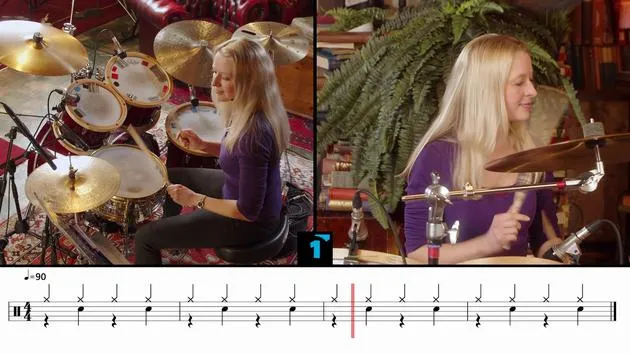
10. Ejemplo 2 - Añadir el back beat
0:58
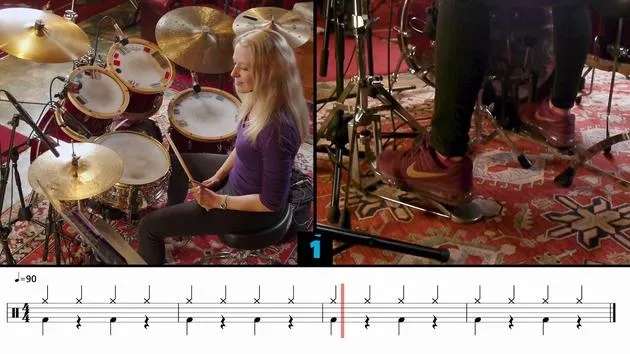
11. Ejemplo 3 - Añadir el bombo
0:59
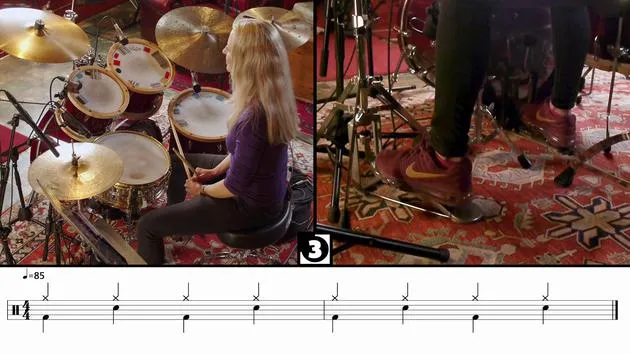
12. Ejemplo 4 - Power Trip compases 13-14
1:32
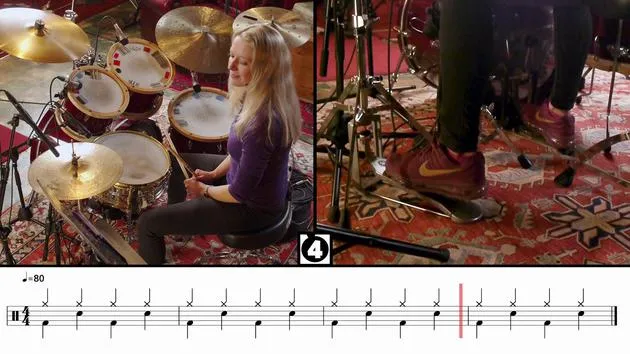
13. Ejercicio extra 1
1:10
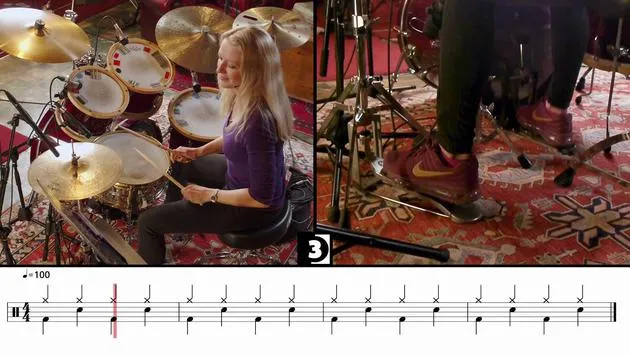
14. Ejercicio adicional 2
0:53
15. Resumen de la sección de metal
1:05
01. Indie - Introducción al estilo
1:26
02. Ejemplo 1 - Descansar en el tercer tiempo
1:01
03. Ejemplo 2 - Más variaciones
1:00
04. Ejemplo 3 - Coordinar las extremidades
2:16
05. Ejercicio extra 1
1:10
06. Ejercicio extra 2
0:50
07. Resumen de la lección 1 de indie
0:25
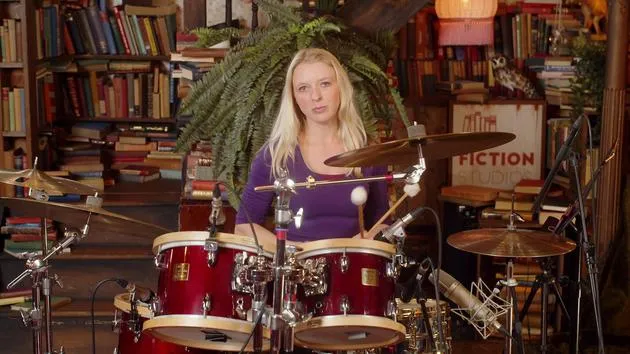
08. Indie Checkpoint: mazas
2:46
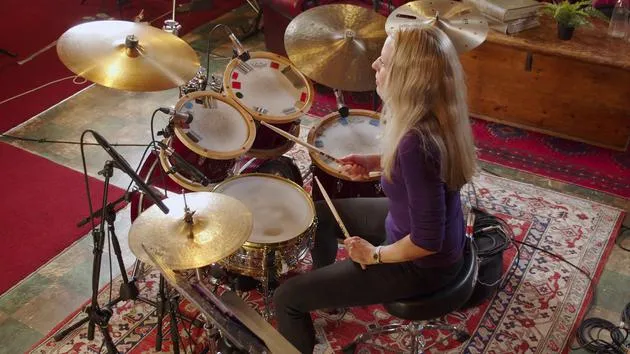
09. Lección de indie 2 - Introducción al bombo y la caja en corcheas
1:25
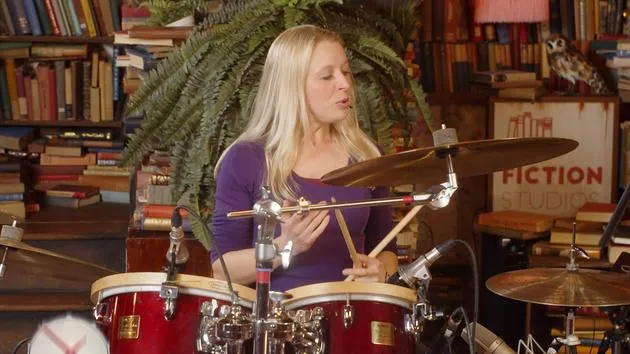
10. Ejemplo 1 - Caja con corcheas
1:36
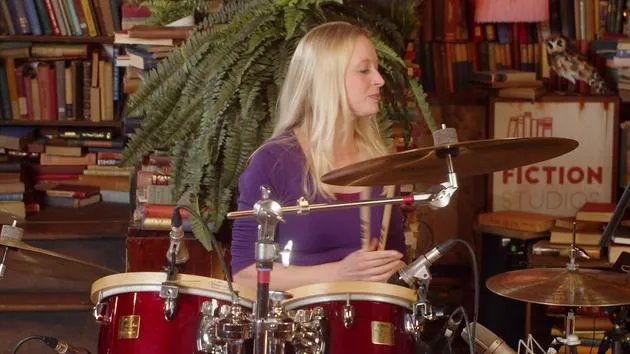
11. Ejemplo 2 - Bombo en corcheas
1:04
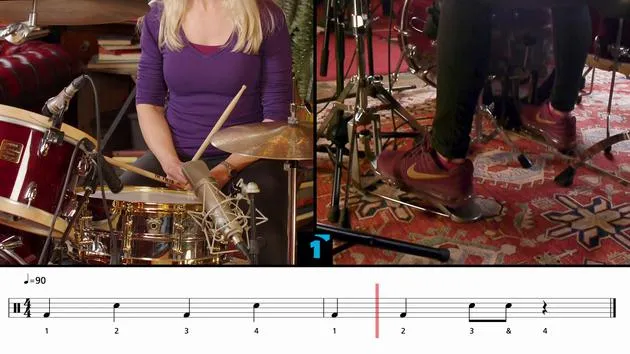
12. Ejemplo 3 - Frase de corcheas
0:59
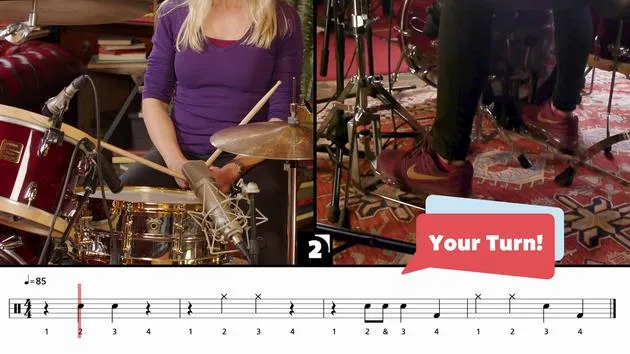
13. Ejemplo 4 - 'Big Mouth' compases 1-4
1:48
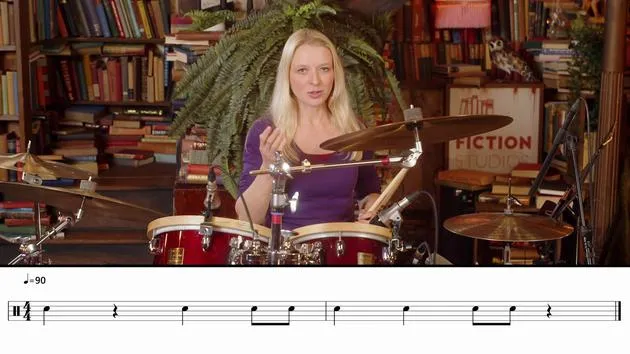
14. Ejercicio extra 1
0:38
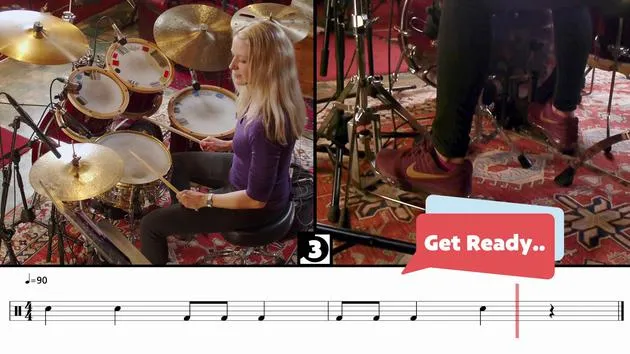
15. Ejercicio extra 2
0:59
16. Resumen de la sección de indie
0:34
01. Introducción al hip-hop - Ritmos básicos y fills
1:33
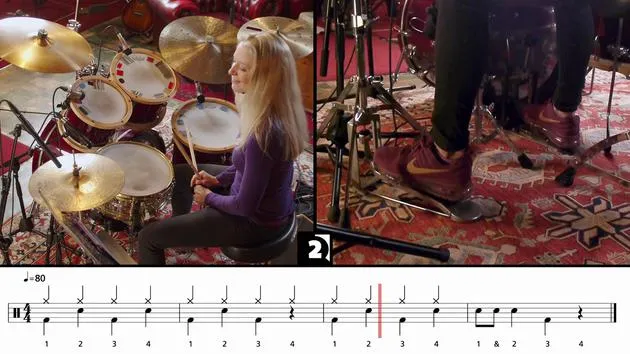
02. Ejemplo 1 - Fill de caja y bombo
1:10
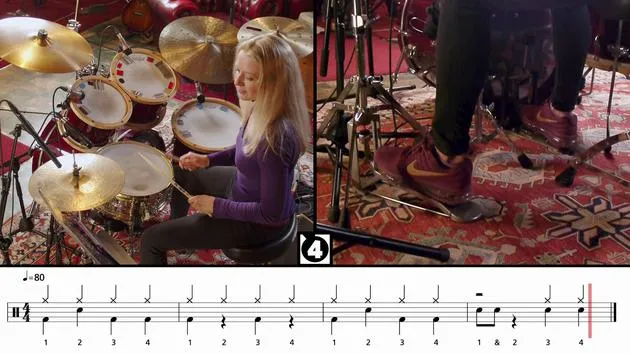
03. Ejemplo 2 - Fill de caja y charles
1:08
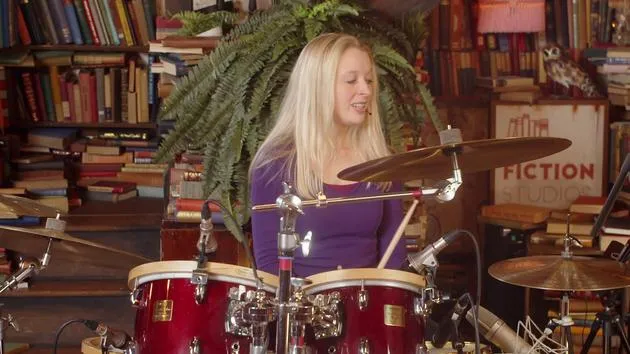
04. Ejemplo 3 - Fill con caja, charles y bombo
1:09
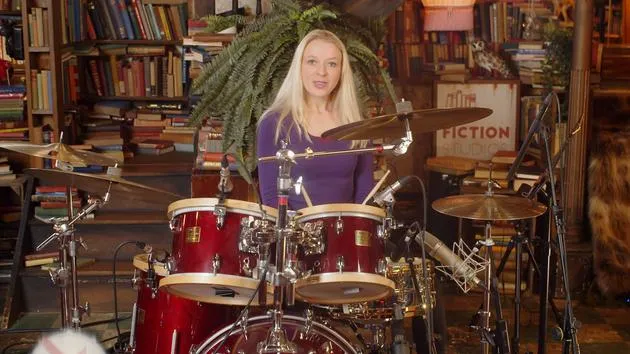
05. Ejercicio extra 1
1:38
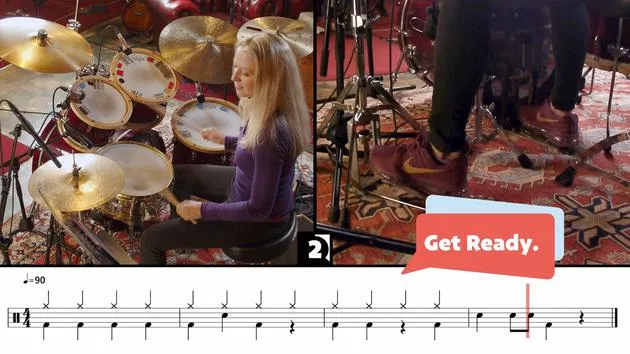
06. Ejercicio extra 2
0:47
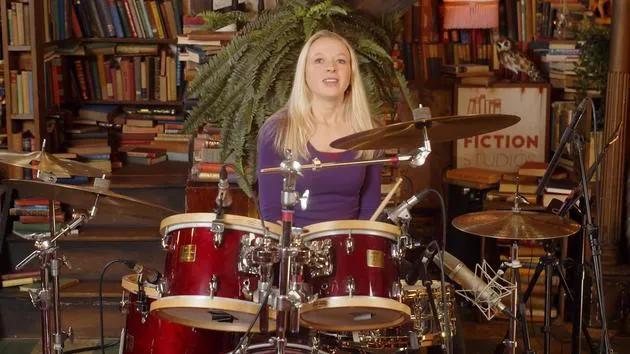
07. Resumen de la lección 1 de hip-hop
0:32
08. Lección de hip hop 2 - Introducción a los beats de corcheas
3:53
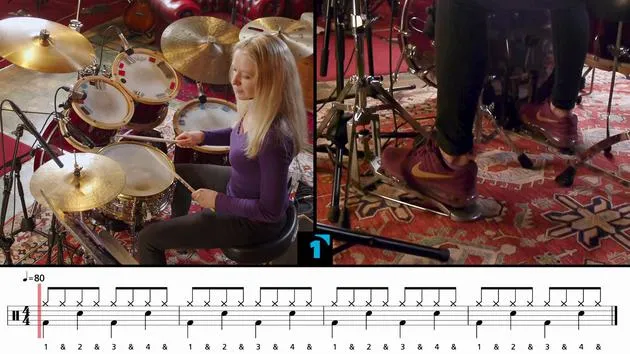
09. Ejemplo 1 - El ritmo básico de corcheas
1:19
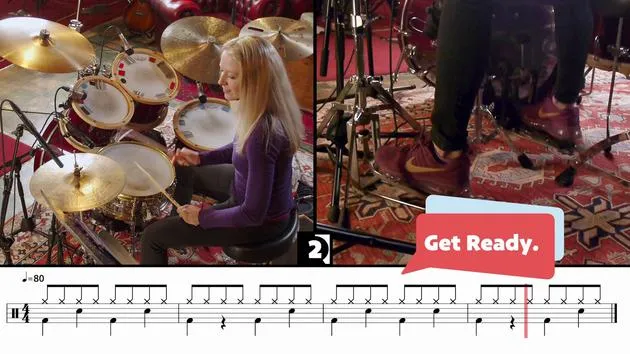
10. Ejemplo 2 - Variaciones de caja
1:28
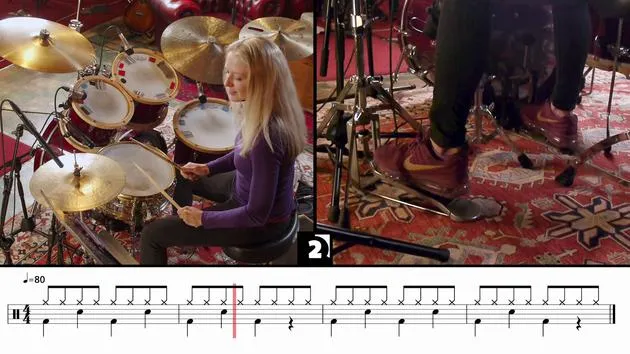
11. Ejemplo 3 - Variaciones de bombo
1:09
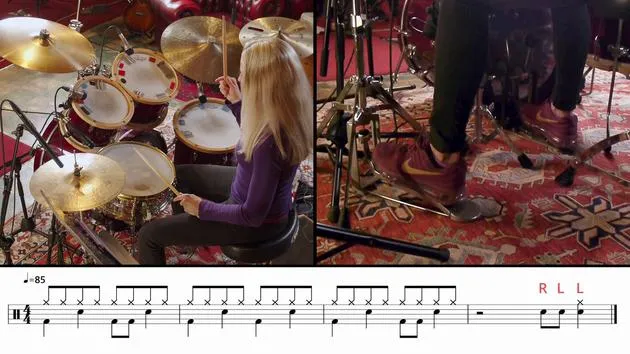
12. Ejemplo 4 - 'The Dogg' compases 13-16
1:56
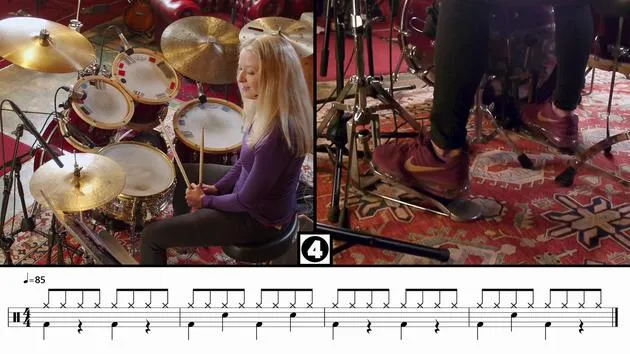
13. Ejercicio extra 1
1:04
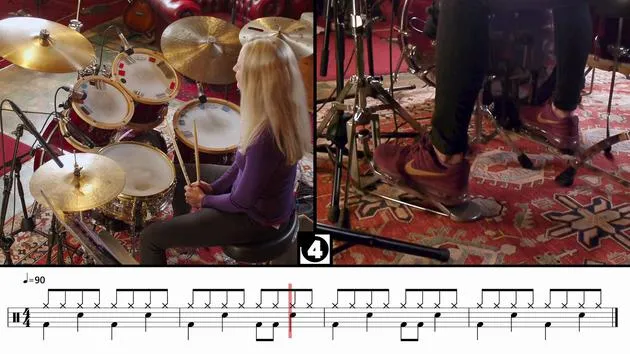
14. Ejercicio adicional 2
1:09
15. Resumen de la sección de hip-hop
0:32
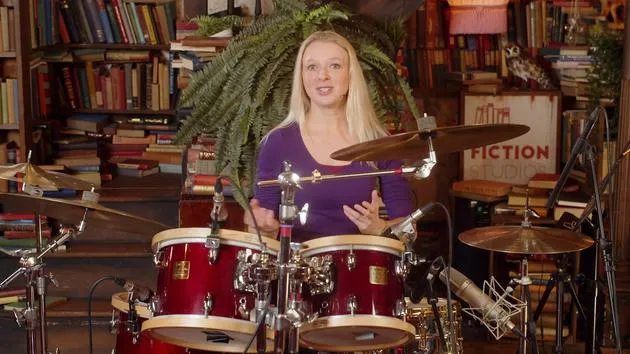
01. Introducción a las piezas
1:04
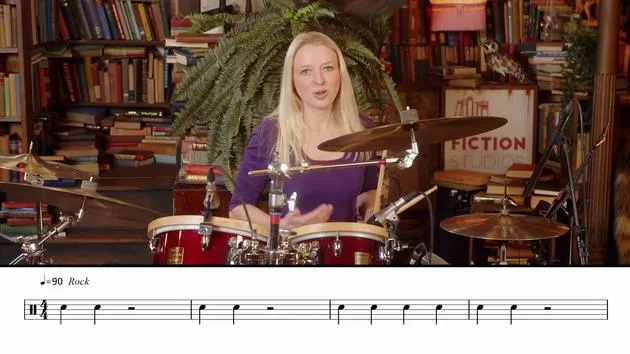
02. Piston (Rock) - Recorrido
4:57
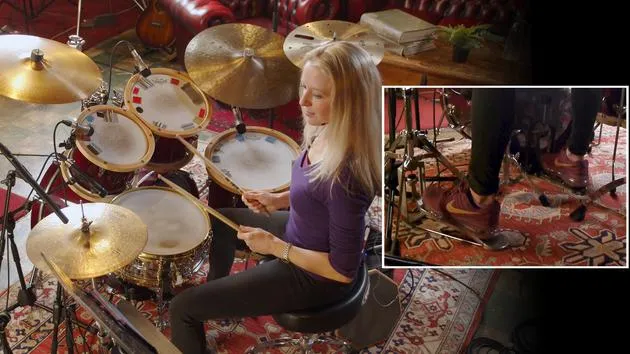
03. Piston (Rock) - Interpretación
0:46
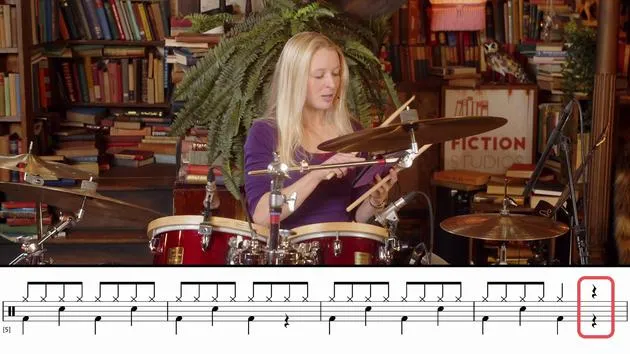
04. Take it to the Top (Pop) - Guía paso a paso
3:58
05. Take it to the Top (Pop) - Interpretación
0:50
06. Borderlands (Country) - Guía paso a paso
3:49
07. Borderlands (Country) - Interpretación
0:48
08. Power Trip - Recorrido
5:04
09. Power Trip (Metal) - Interpretación
0:51
10. Big Mouth (Indie) - Recorrido
5:26
11. Big Mouth (Indie) - Interpretación
0:52
12. The Dogg (Hip Hop) - Guía paso a paso
6:14
13. The Dogg (Hip Hop) - Interpretación
0:51
14. Overload (Rock) - Recorrido
5:23
15. Overload (Rock) - Interpretación
0:50
16. Slam (Metal) - Recorrido
4:28
17. Slam (Metal) - Interpretación
0:51
18. Under the Radar (Indie) - Walkthrough
5:02
19. Under the Radar (Indie) - Interpretación
0:50
Transcripción de la lección
Stick Technique in Drumming
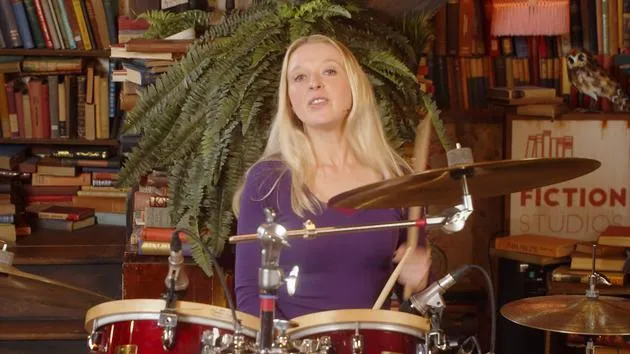
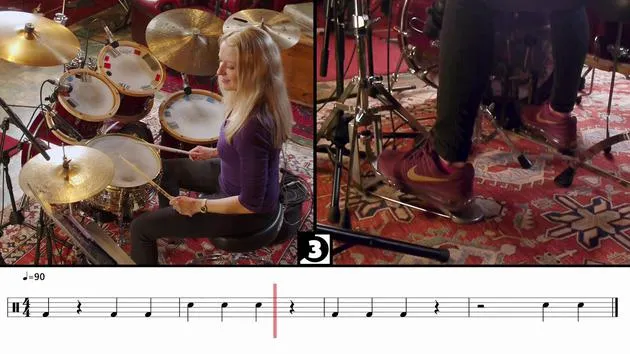
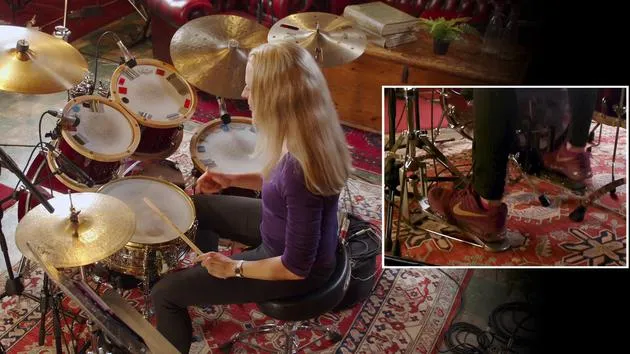
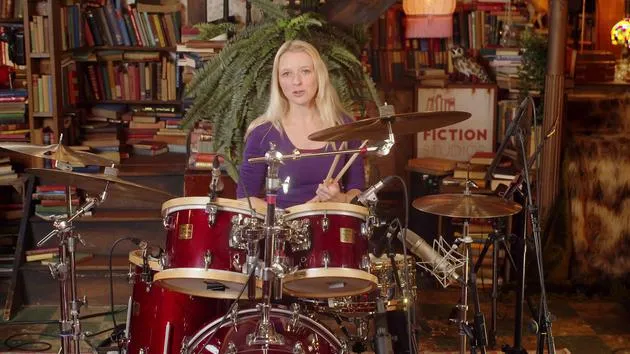
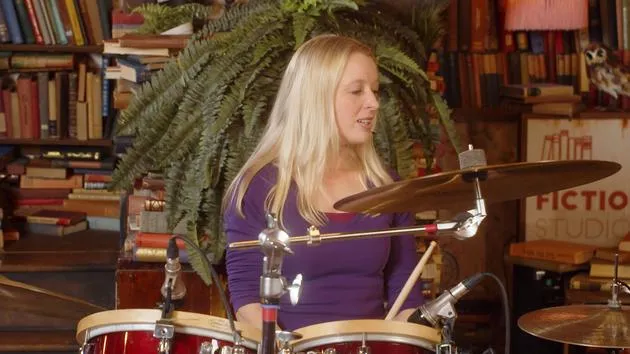
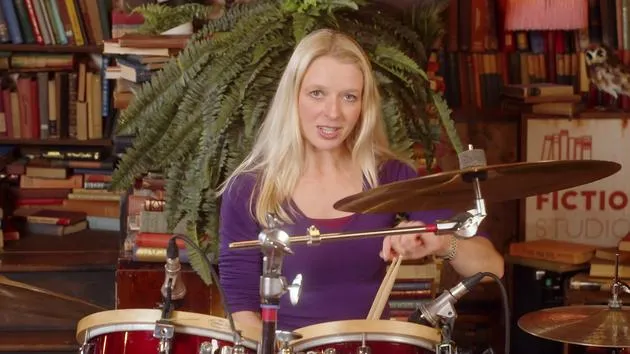
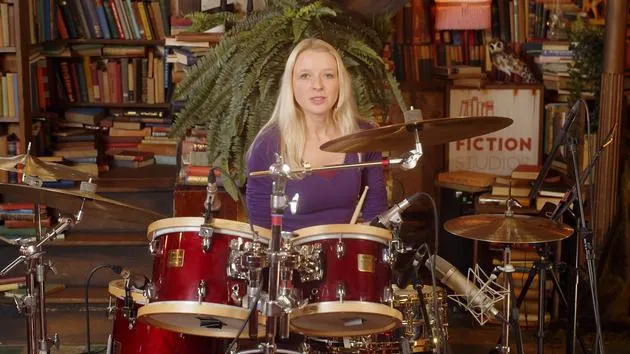
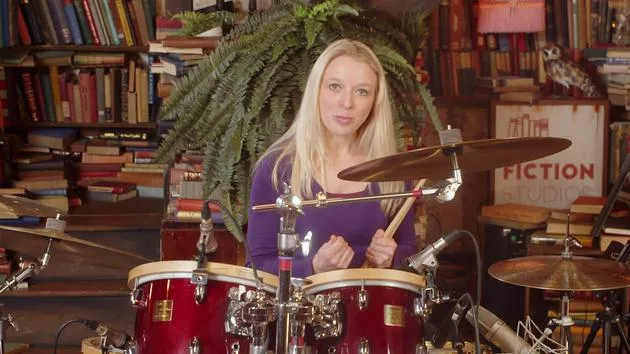
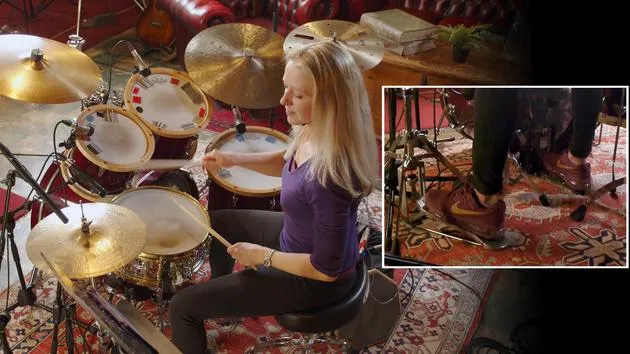
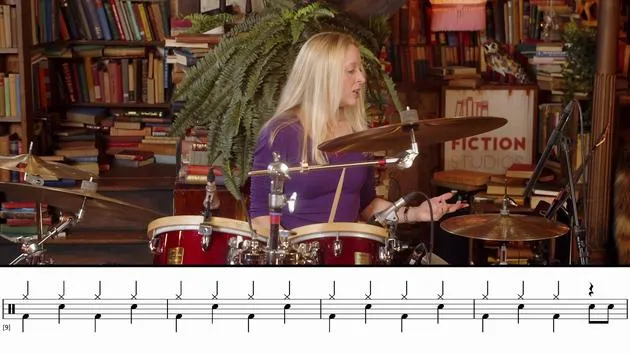
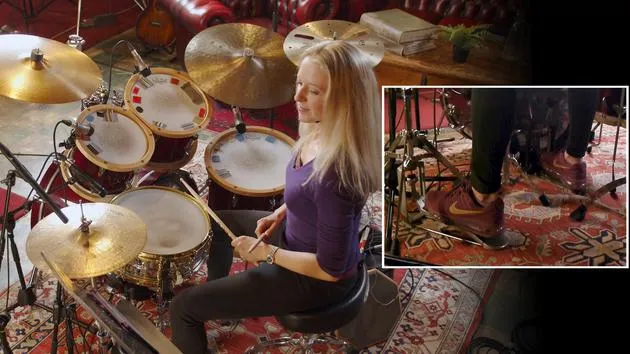
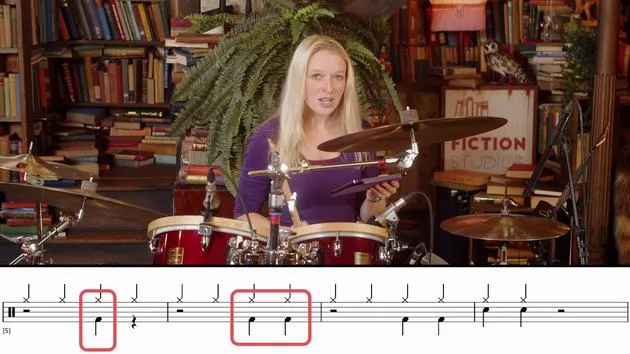
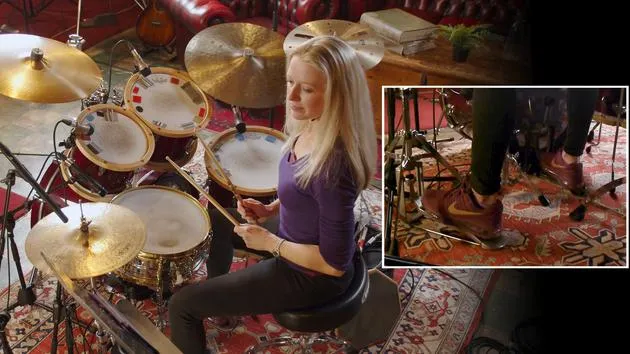
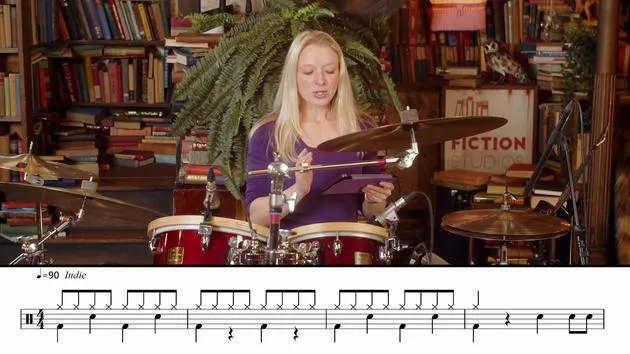
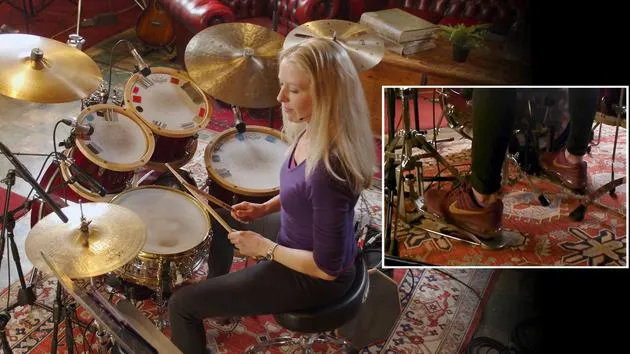
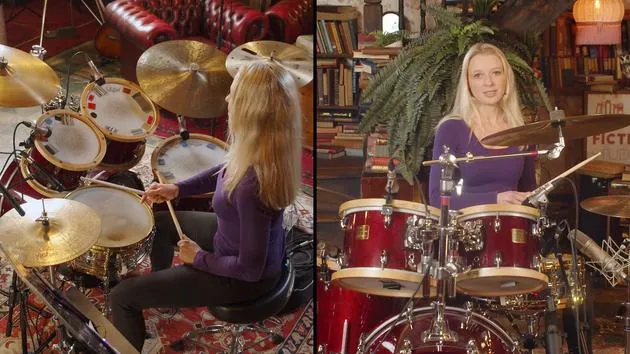
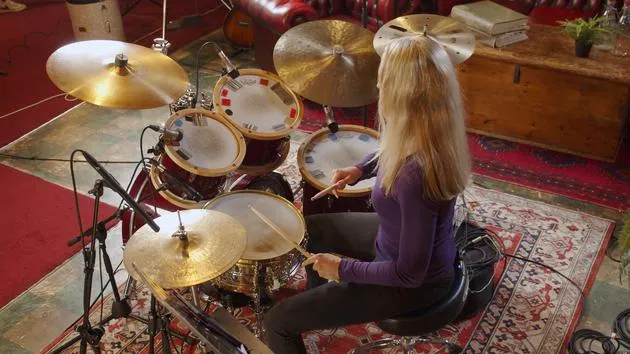
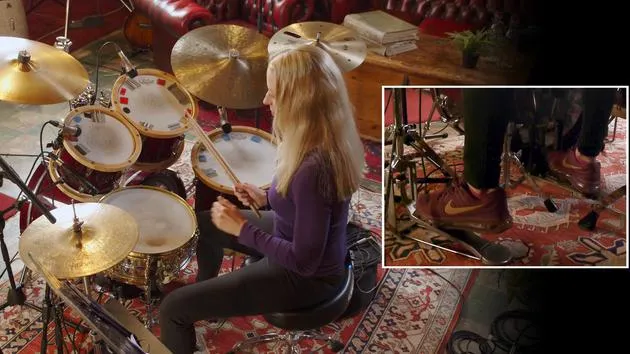
So let's talk a little bit about stick technique. Now, again, there are many different ways to play, but there are some basics and fundamentals that I like to teach and I personally use myself. Often, I have to remind myself to do these things because when you're playing gigs, concerts, and recordings, sometimes we slip into bad habits. It's just worth checking these things every now and then.
Basic Technique
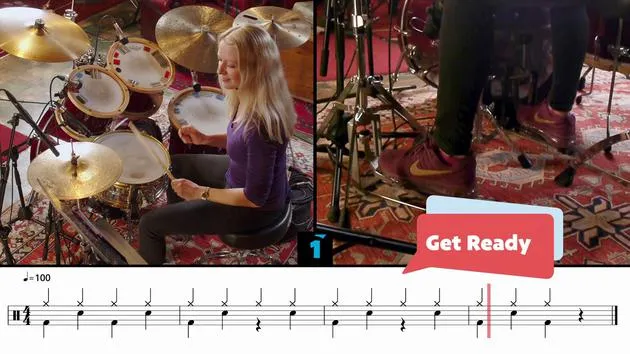
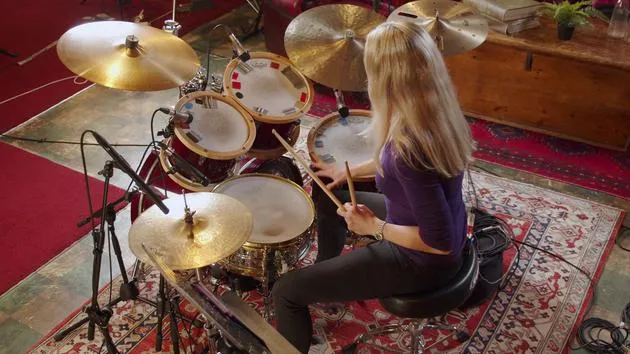
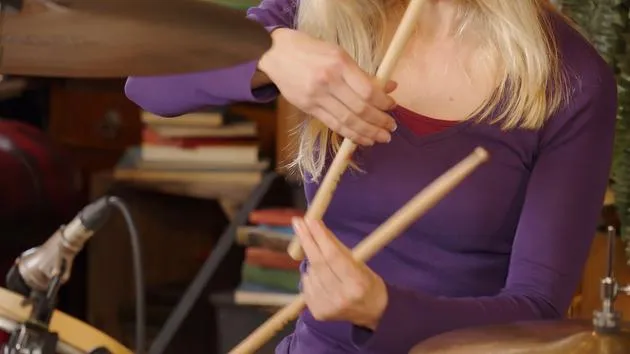
As a basic technique, if you're using matched grip—which is where both sticks are held in the same way (which most people do for rock and pop)—you want the thumb and the first finger to be roughly the same height.
- They don't have to be exact, but they should be approximately the same height.
- Leave a little gap between the first finger and the next three fingers, which generally are all together.
I use the back three fingers quite a lot for some power and double strokes, which you'll get into later on your drumming journey. But this is my starting point. It's the same with my left hand: roughly the same height for the thumb and first finger, a little gap, and then the back three.
You want to have probably about an inch at the back. It's not an exact science; as you're playing, the sticks might move a little bit, especially if you have a nice relaxed grip. So, using matched grip for rock and pop, we like the right and the left to look roughly the same.
Traditional Grip
A lot of students ask me about traditional grip. They don't know it's called that, but it is. Honestly, most students look at me and say, "But lots of drummers play like this." I tell them, "Well, they don't tend to if they're right-handed and they're in a marching band."
Characteristics of Traditional Grip:
- Military drummers and a lot of jazz drummers play this way.
- If they're right-handed, generally their right hand will use matched grip technique, and their left hand will play in the traditional style.
For a right-handed player, traditional grip would look a little like this. It’s a very different angle to actually get the notes. Most of my favorite players use that technique, but I think it's best that we stick to matched grip for now.
Note: If you're left-handed and you want to play traditional grip, your left hand will use the matched grip technique, and your right hand would use the traditional one. But first things first: we're going to play everything this way.
Importance of Relaxation
Make sure you have a nice relaxed grip. Easier said than done, especially when you're learning. A lot of people think they're so determined to get things right that they tense up. The sooner you can stay relaxed, the better it helps you move around the kit. Tension can cause strain in the shoulder, neck, etc.
- For example, if you're playing for hours a day, you don’t want to be too tense.
- I often get told that I look relaxed when I play, and that’s important. It makes my job a lot easier.
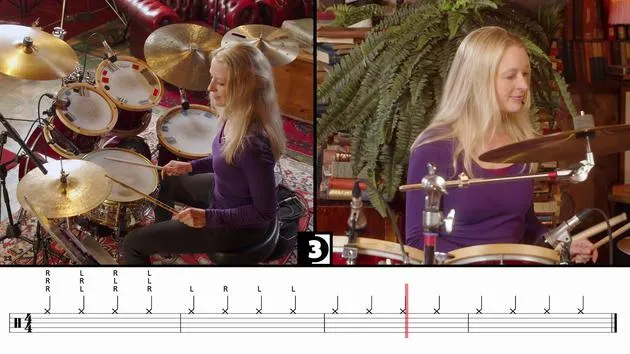
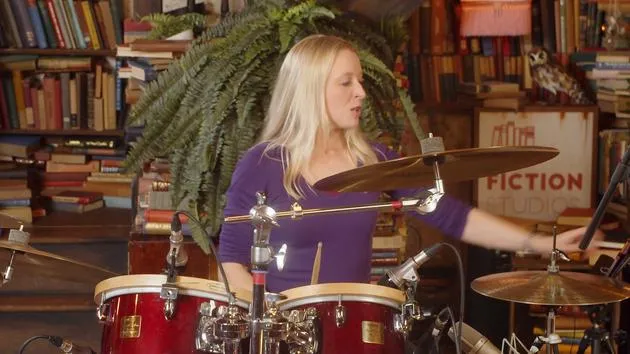
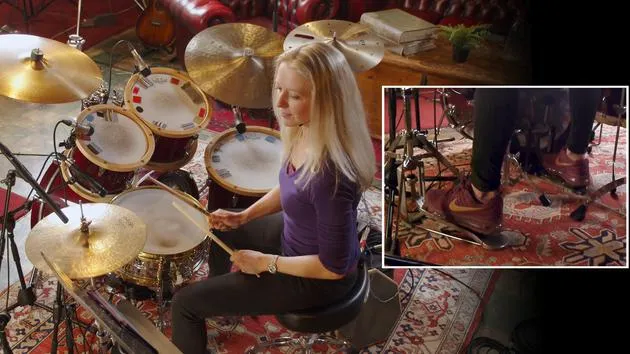
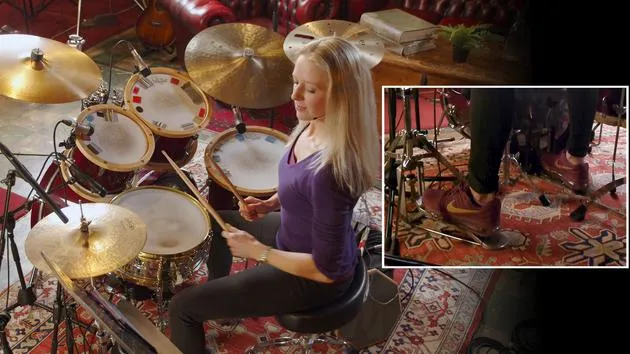
Now, let's strike the drum with single strokes. Just to help you with your technique, we will do one right-hand hit on the snare drum and one left-hand hit.
Grip and Sound
This is a sort of German grip where the back of the hand is at a 45-degree angle. You don’t want to be like this, which is a French timpani grip. But generally, for rock and pop, we want to use the German method.
- Think of it as sort of an upside-down V on the snare drum and going around the toms.
- I'll play one note with the right and one with the left—very relaxed, not straining—so you can achieve a good full sound.
Demonstration of Grip Tension:
If I may demonstrate briefly, this is going to hurt me and I won’t do it for long. I'll play a fill around the drums while being really tense.
"Even my voice has tensed up, and it won't sound as good."
Now, I’ll play relaxed. It creates a sort of effortless feel, which is much more enjoyable to play.
Achieving Balance with the Drumstick
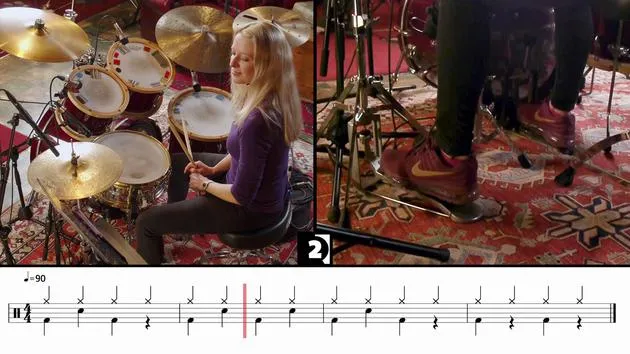
Achieving the balance we want from the drumstick has a lot to do with the fulcrum. This is generally the thumb and the first finger along with the support from the back three fingers.
Location also matters; for example, holding the stick too far up creates weight at the back, making it difficult to control the stick.
- If you hold the stick too far at the back, all the weight will be at the front, hindering rebound or bounce.
In my comfortable playing position, it’s not a controlled bounce, but it demonstrates the most natural bounce point.
Your fulcrum will probably be about an inch at the back of the stick. It's not an exact science—don't get your tape measures out! This is just a good guide for achieving balance.
Advanced Techniques
If you want to dive into double strokes, once you get comfortable with speed, the fulcrum, bounce, and balance point of the stick really come into play.
- Focus on using your back three fingers to pull the stick in—a kind of release and catch method.
- This is a bit more advanced, so don’t worry about it for now.
Stay relaxed, and happy drumming!
114 lecciones
3h 47m de lecciones en vídeo estructuradas
Funciones de vídeo avanzadas
Ralentiza, repite un pasaje, sigue la partitura
Móvil, tablet y ordenador
Practica donde quieras
Garantía de satisfacción 100%
30 días de garantía de devolución
Conoce a tu gurú
Conoce a tu gurú
Sophie Alloway es una batería de sesión y de gira en el corazón de la escena del jazz londinense. Ha actuado con Jason Rebello, Yazz Ahmed, Laurence Cottle y Tony Allen, y destaca por haber tocado para el príncipe Carlos en el Palacio de Buckingham poco antes de que se convirtiera en rey.
Entre sus créditos de gira figuran Roots Manuva, el musical Thriller y Paul Stacey (Oasis / The Black Crowes). También es la batería de la banda original de fusión Lydian Collective, con más de seis millones de reproducciones en Spotify.
Sophie ha grabado sesiones en los estudios Abbey Road, AIR y Angel, y entre sus apariciones televisivas se cuentan Later… with Jools Holland, Glastonbury y dos temporadas del drama Ridley, de Adrian Dunbar. Aparece en Abbey Road Masters: The Drum Sessions y tocó para los finalistas del BBC Young Jazz Musician 2024, emitido en BBC TV y radio. Jon Newey, de Jazz FM, la apodó la "diosa del groove".







