



Introducción al metal: tocar dos voces de batería
Qué incluye el curso
114 lecciones (3h 47m) · 1 gratis
01. Introducción a la batería rock
7:55
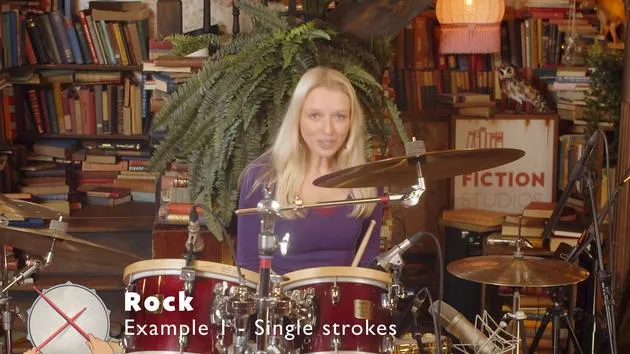
02. Ejemplo 1 - Golpes simples
2:44
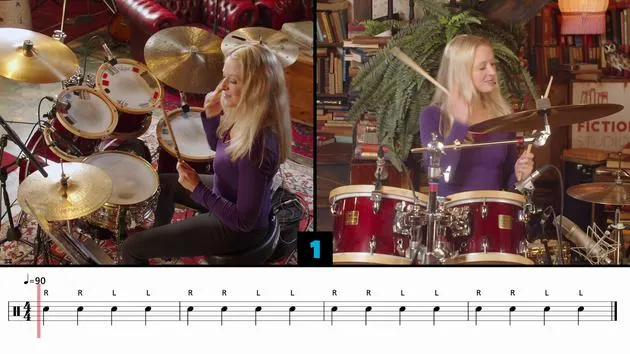
03. Ejemplo 2 - Golpes dobles
1:28
04. Ejemplo 3 - Paradiddles
2:37
05. Bonus - Combinar golpes simples, dobles y paradiddles
2:22
06. Lección de rock 2 - Añadir silencios
1:48
07. Ejemplo 1 - Silencio en el tiempo 4
1:56
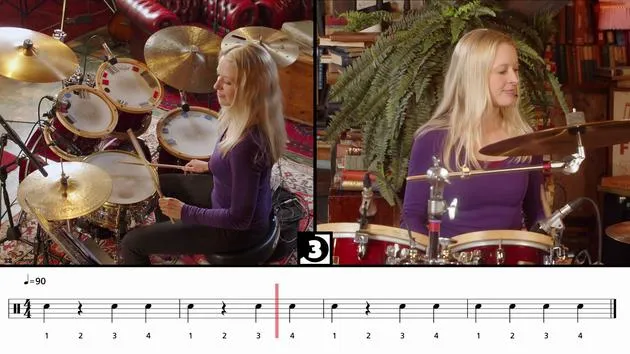
08. Ejemplo 2 - Silencio en el tiempo 2
1:36
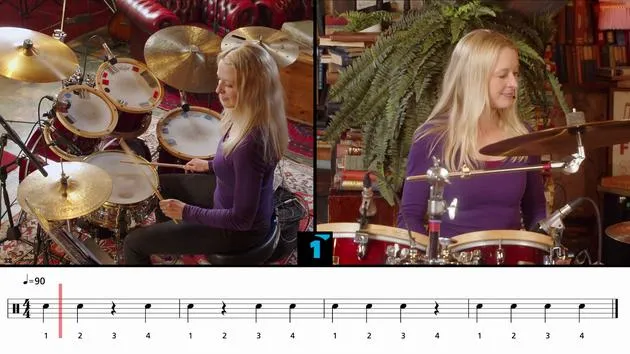
09. Ejemplo 3 - Silencios que se mueven
1:05
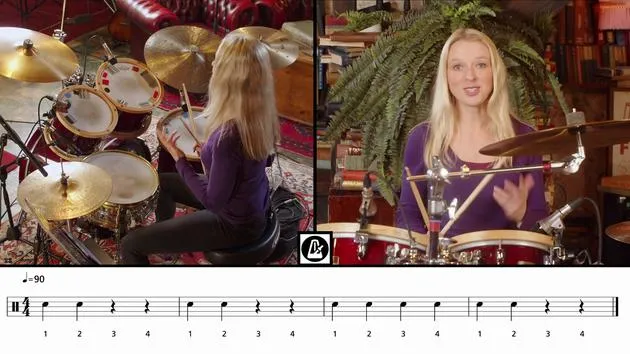
10. Ejemplo 4 - Piston compases 12-16
1:56
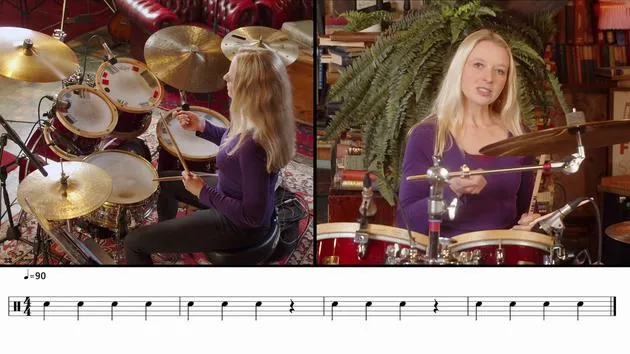
11. Ejercicio extra 1
1:49
12. Ejercicio extra 2
1:02
13. Resumen de la sección de rock
1:50
01. Pop - Añadir el charles
1:31
02. Ejemplo 1 - Negras en el hi-hat
1:40
03. Ejemplo 2 - Silencio en el tiempo 1
1:42
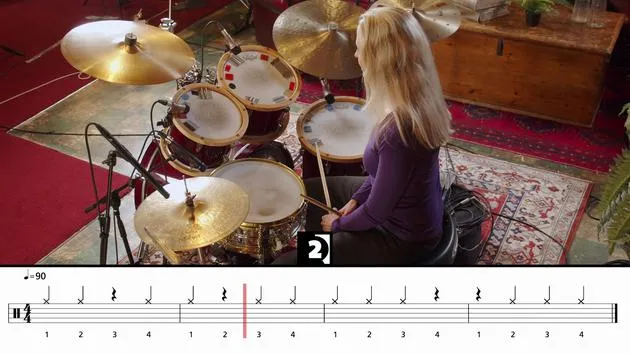
04. Ejemplo 3 - Dos silencios de negra consecutivos
1:28
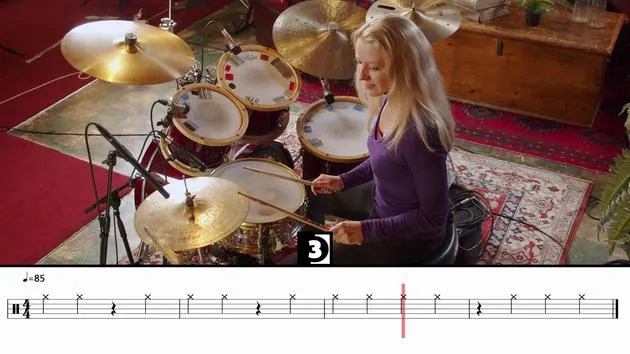
05. Ejercicio extra 1
1:11
06. Ejercicio extra 2
1:10
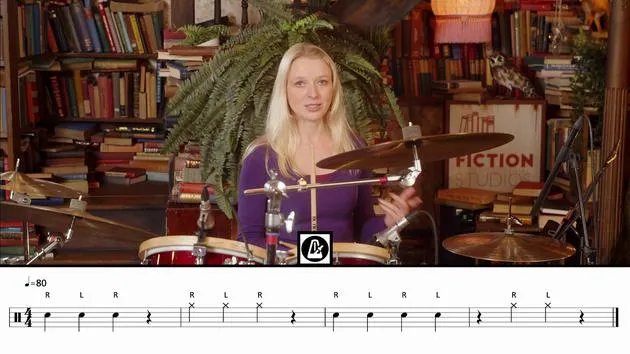
07. Pop Lección 2 Ejemplo 1 - Combinar el hi-hat y la caja
1:11
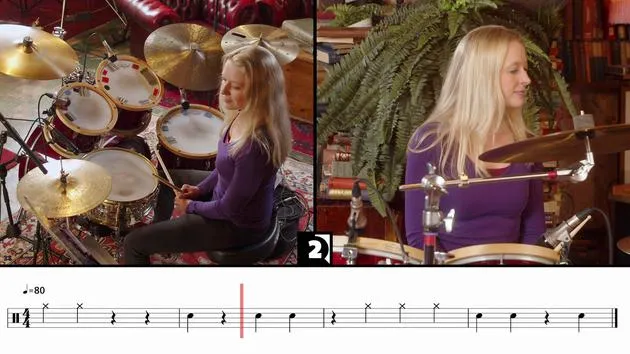
08. Ejemplo 2 - Moverse rápidamente entre las voces de la batería
1:17
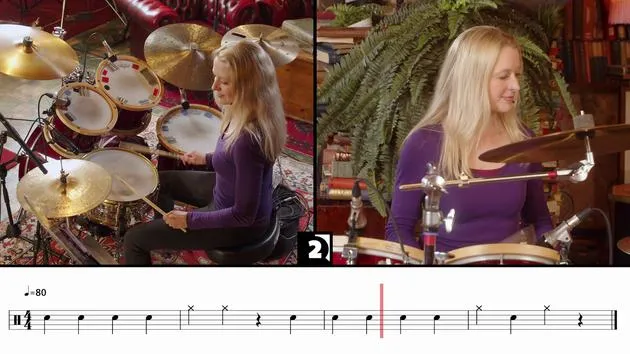
09. Ejemplo 3 - Dos voces de batería en un compás
0:59
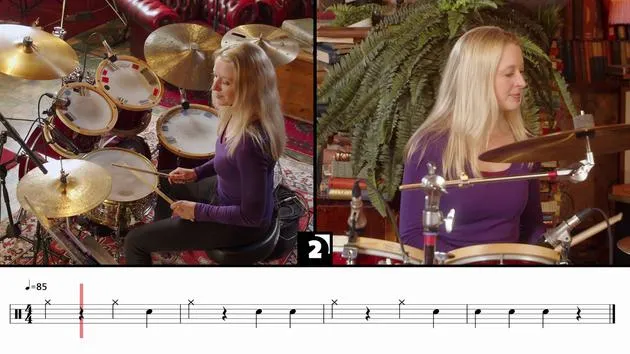
10. Ejemplo 4 - Take It to the Top, compases 1-4
1:10
11. Ejercicio extra 1
1:08
12. Ejercicio extra 2
1:04
13. Resumen de la sección de música pop
0:51
01. Introducción a la música country
4:13
02. Punto de control de habilidades
1:54
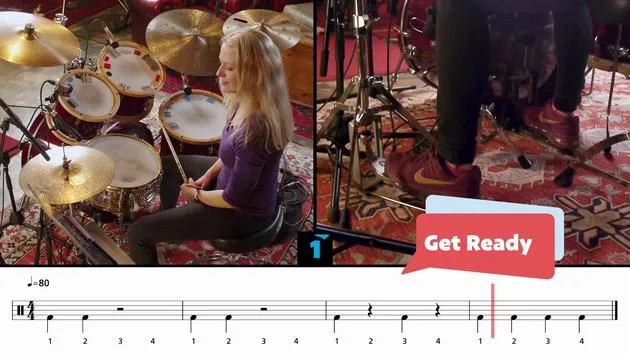
03. Ejemplo 1 - Silencio de blanca
1:18
04. Ejemplo 2 - Colocación del silencio de blanca
1:31
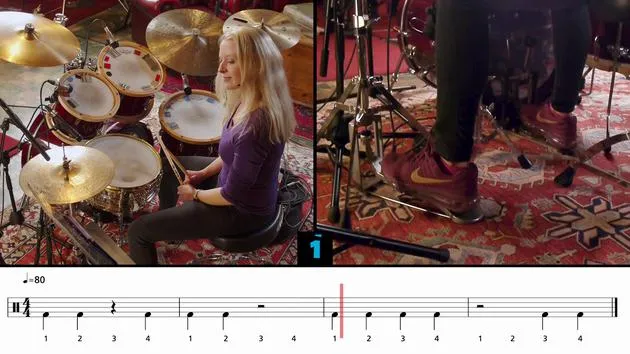
05. Ejemplo 3 - Frases de bombo
1:29
06. Ejercicio extra 1
1:27
07. Ejercicio extra 2
1:10
08. Lección de country 2 - Combinar bombo, caja y charles
3:07
09. Ejemplo 1 - Combinar el bombo y el charles
1:40
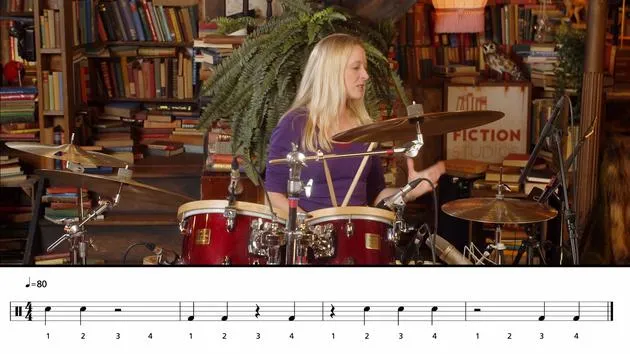
10. Ejemplo 2 - Añadir el silencio de blanca en distintas posiciones
1:10
11. Ejemplo 3 - Moverse rápido entre voces de la batería
1:10
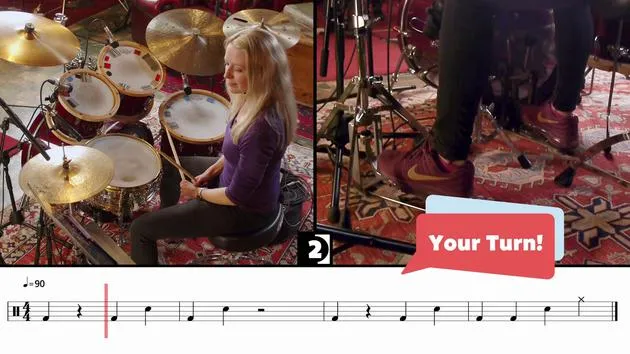
12. Ejemplo 4 - Borderlands compases 1-4
1:06
13. Ejercicio extra 1
1:30
14. Ejercicio extra 2
0:56
15. Resumen de la sección de música country
0:26
01. Introducción al metal: tocar dos voces de batería
Estás aquí3:35
02. Ejemplo 1 - Centrarse en la coordinación
2:19
03. Ejemplo 2 - Variaciones de bombo
1:16
04. Ejemplo 3 - Coordinar las manos
1:09
05. Ejercicio extra 1
1:05
06. Ejercicio extra 2
0:50
07. Resumen de la lección 1 de metal
0:25
08. Lección de metal 2 - Tocar tu primer ritmo completo
1:56
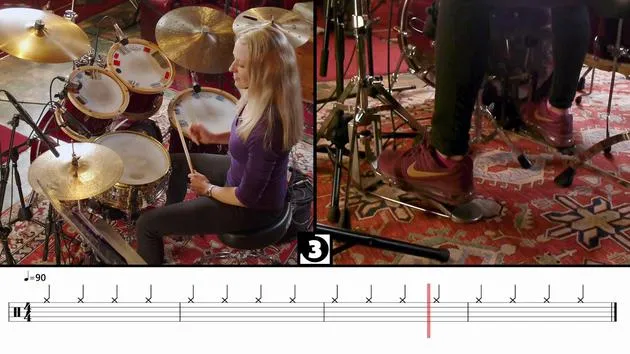
09. Ejemplo 1 - Patrón básico de hi-hat para ritmo de rock
1:08
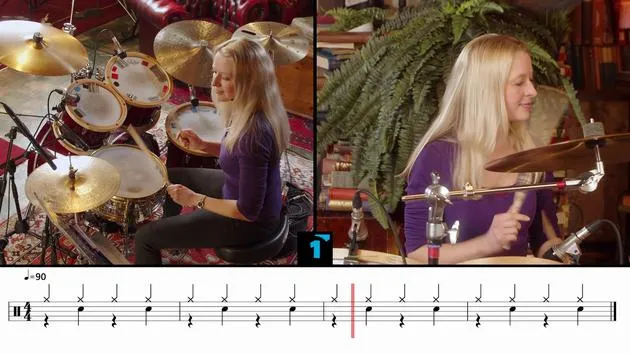
10. Ejemplo 2 - Añadir el back beat
0:58
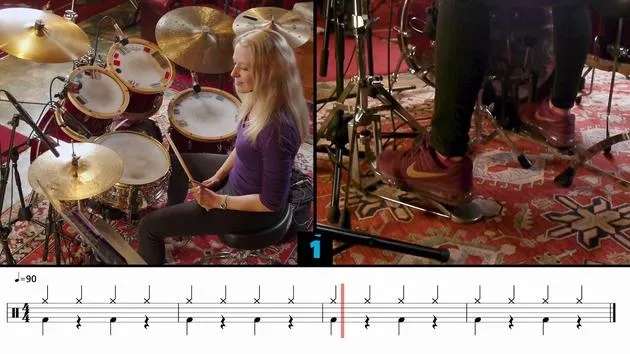
11. Ejemplo 3 - Añadir el bombo
0:59
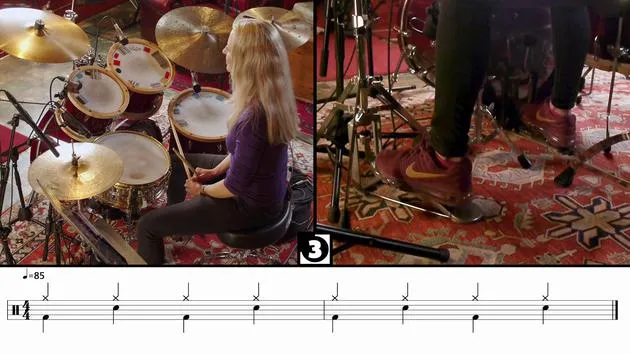
12. Ejemplo 4 - Power Trip compases 13-14
1:32
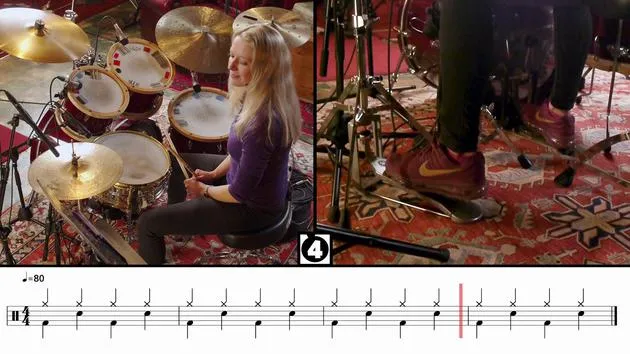
13. Ejercicio extra 1
1:10
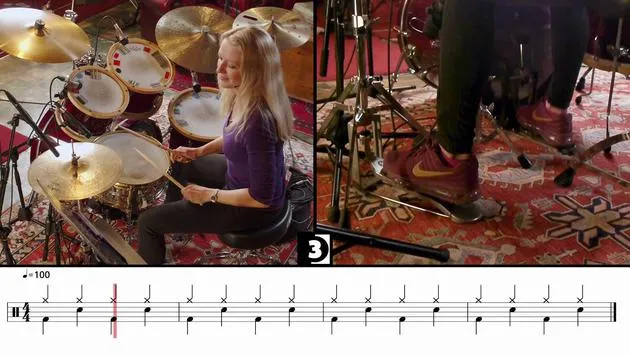
14. Ejercicio adicional 2
0:53
15. Resumen de la sección de metal
1:05
01. Indie - Introducción al estilo
1:26
02. Ejemplo 1 - Descansar en el tercer tiempo
1:01
03. Ejemplo 2 - Más variaciones
1:00
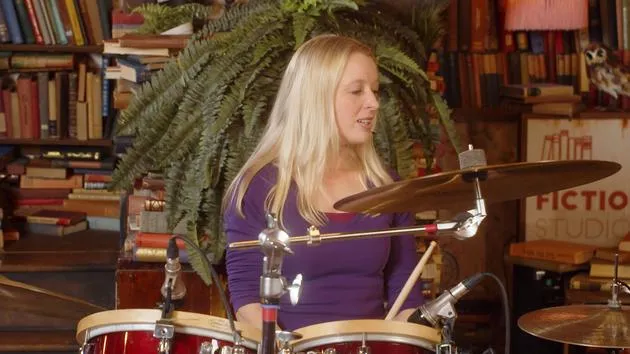
04. Ejemplo 3 - Coordinar las extremidades
2:16
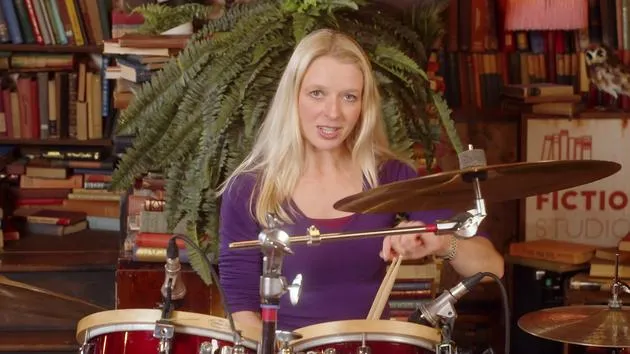
05. Ejercicio extra 1
1:10
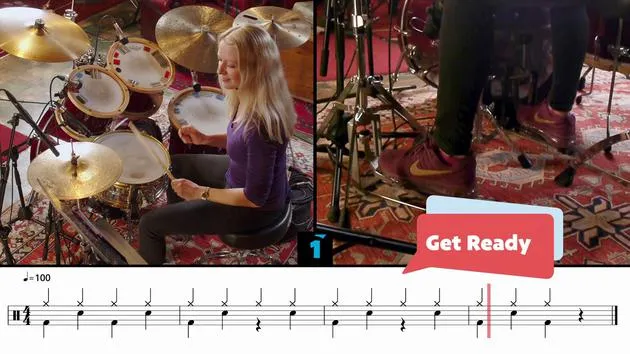
06. Ejercicio extra 2
0:50
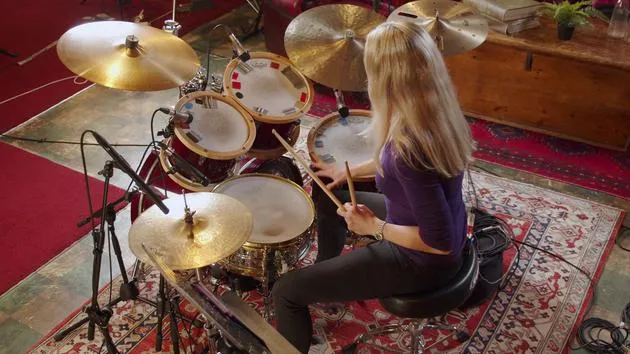
07. Resumen de la lección 1 de indie
0:25
08. Indie Checkpoint: mazas
2:46
09. Lección de indie 2 - Introducción al bombo y la caja en corcheas
1:25
10. Ejemplo 1 - Caja con corcheas
1:36
11. Ejemplo 2 - Bombo en corcheas
1:04
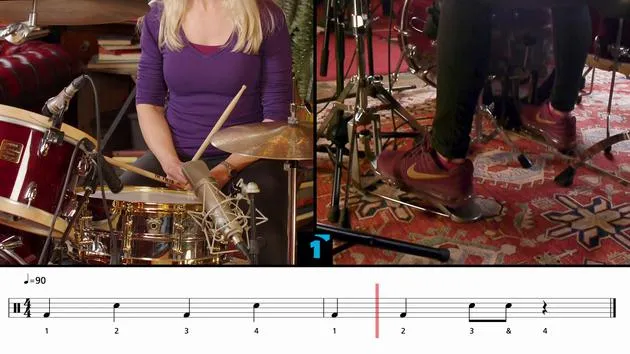
12. Ejemplo 3 - Frase de corcheas
0:59
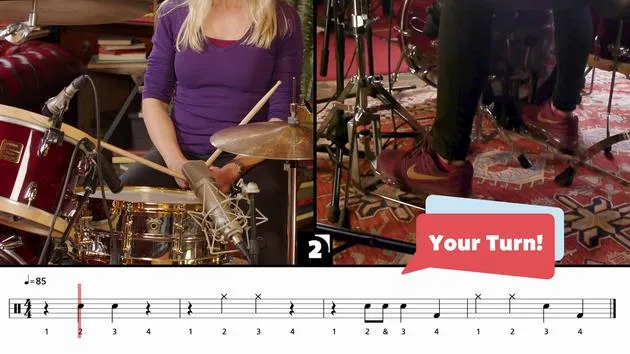
13. Ejemplo 4 - 'Big Mouth' compases 1-4
1:48
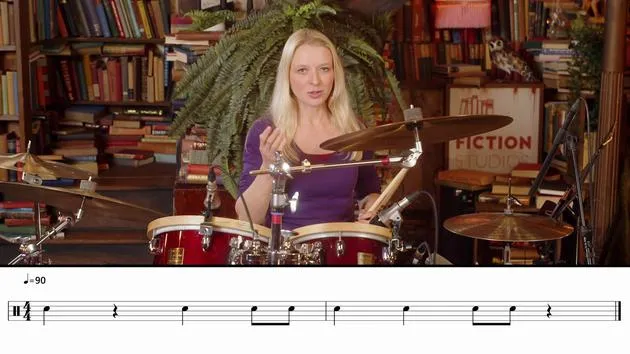
14. Ejercicio extra 1
0:38
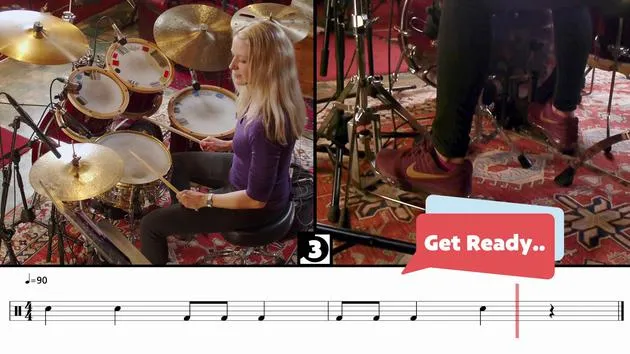
15. Ejercicio extra 2
0:59
16. Resumen de la sección de indie
0:34
01. Introducción al hip-hop - Ritmos básicos y fills
1:33
02. Ejemplo 1 - Fill de caja y bombo
1:10
03. Ejemplo 2 - Fill de caja y charles
1:08
04. Ejemplo 3 - Fill con caja, charles y bombo
1:09
05. Ejercicio extra 1
1:38
06. Ejercicio extra 2
0:47
07. Resumen de la lección 1 de hip-hop
0:32
08. Lección de hip hop 2 - Introducción a los beats de corcheas
3:53
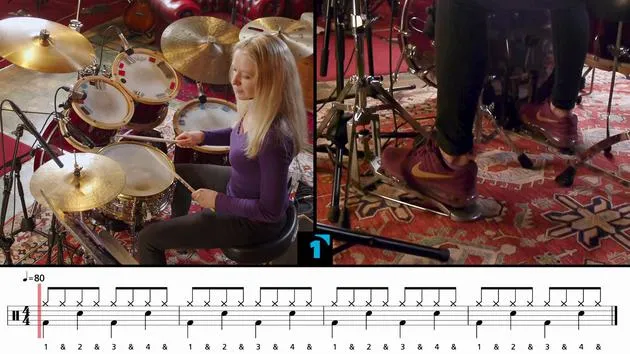
09. Ejemplo 1 - El ritmo básico de corcheas
1:19
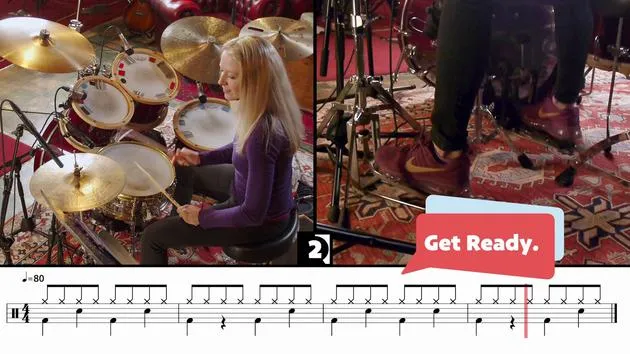
10. Ejemplo 2 - Variaciones de caja
1:28
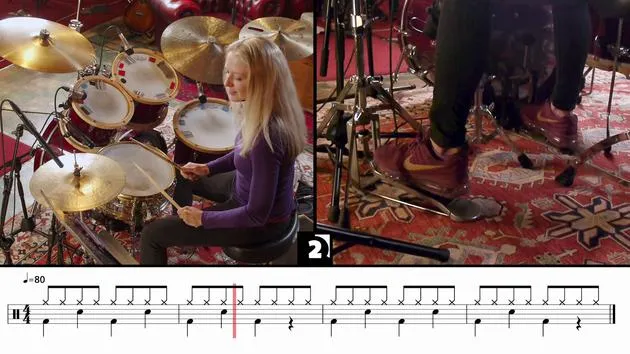
11. Ejemplo 3 - Variaciones de bombo
1:09
12. Ejemplo 4 - 'The Dogg' compases 13-16
1:56
13. Ejercicio extra 1
1:04
14. Ejercicio adicional 2
1:09
15. Resumen de la sección de hip-hop
0:32
01. Introducción a las piezas
1:04
02. Piston (Rock) - Recorrido
4:57
03. Piston (Rock) - Interpretación
0:46
04. Take it to the Top (Pop) - Guía paso a paso
3:58
05. Take it to the Top (Pop) - Interpretación
0:50
06. Borderlands (Country) - Guía paso a paso
3:49
07. Borderlands (Country) - Interpretación
0:48
08. Power Trip - Recorrido
5:04
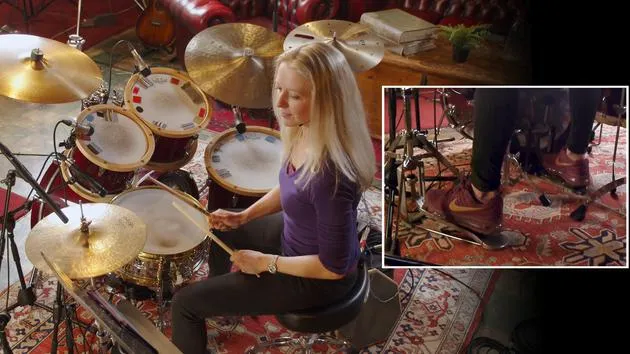
09. Power Trip (Metal) - Interpretación
0:51
10. Big Mouth (Indie) - Recorrido
5:26
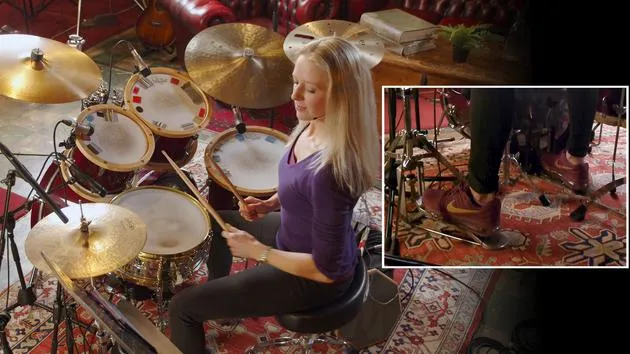
11. Big Mouth (Indie) - Interpretación
0:52
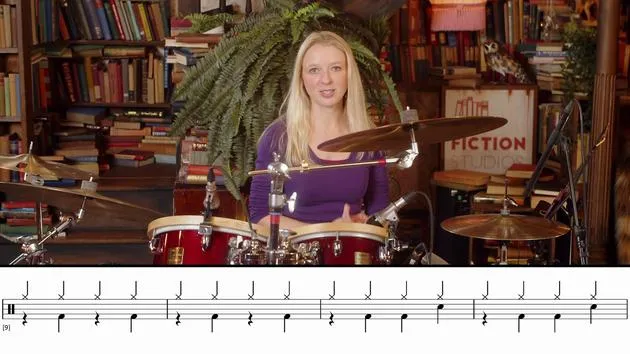
12. The Dogg (Hip Hop) - Guía paso a paso
6:14
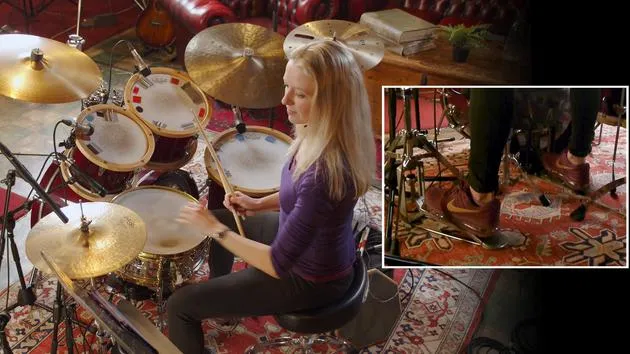
13. The Dogg (Hip Hop) - Interpretación
0:51
14. Overload (Rock) - Recorrido
5:23
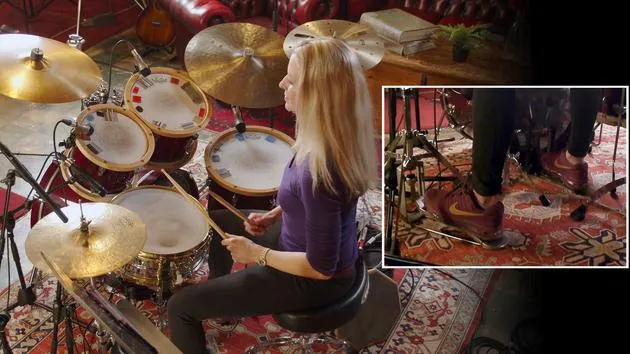
15. Overload (Rock) - Interpretación
0:50
16. Slam (Metal) - Recorrido
4:28
17. Slam (Metal) - Interpretación
0:51
18. Under the Radar (Indie) - Walkthrough
5:02
19. Under the Radar (Indie) - Interpretación
0:50
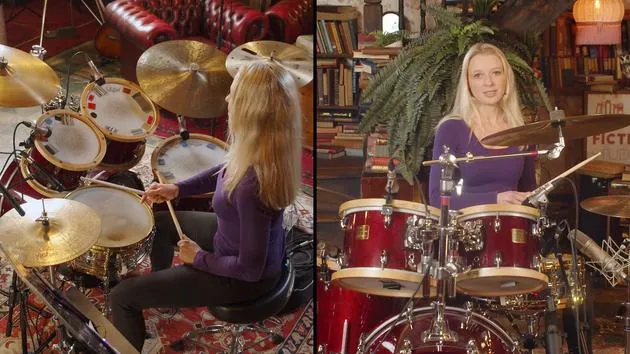
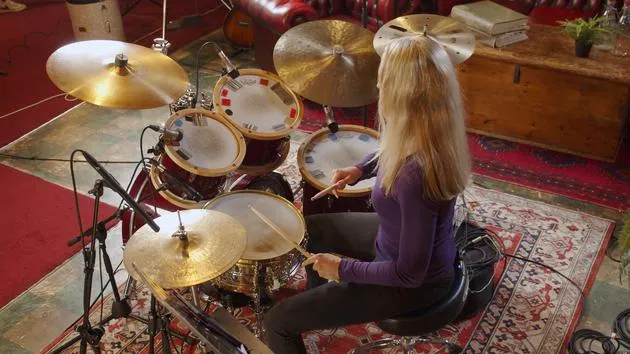
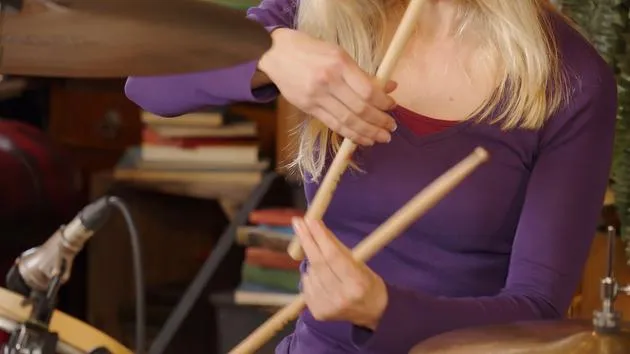
Transcripción de la lección
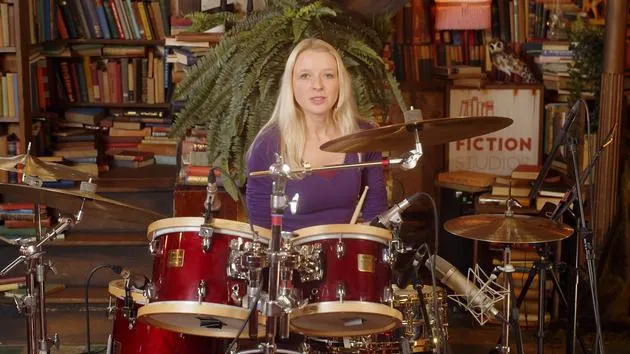
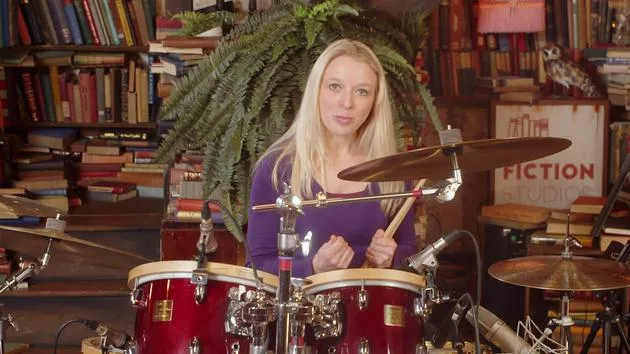
Metal Drumming: An Introduction
Okay, so now we're going to start thinking about metal drumming.
Origin of Metal Drumming
Metal drumming originated as a sort of extension of rock. In the 1970s, many rock bands began to develop a heavier style. Bands like:
- Led Zeppelin
- Black Sabbath
These groups were essentially rock bands, but they took the genre to a slightly different level. Later, other bands like Metallica and Slayer took it even further. Music is always developing, and today, genres are perhaps a little more blurred.
The Excitement of Blended Genres
This blending of influences is exciting, as it allows for a variety of sounds and styles. One song I often mention to my students when discussing heavier rock is:
"Immigrant Song" by Led Zeppelin
The reason I bring this up is that it includes quite a lot of fast bass drum patterns, making it great for developing bass drum technique.
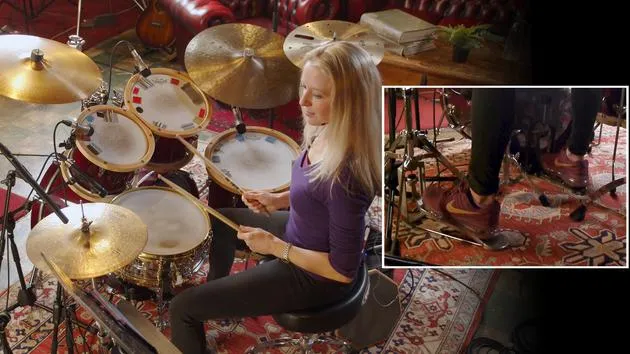
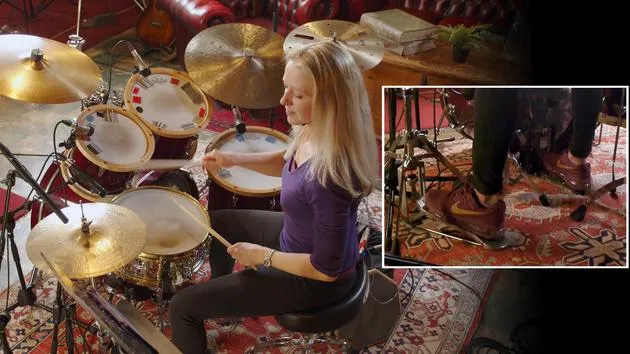
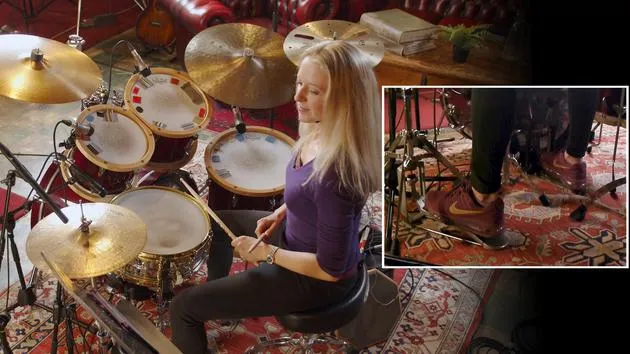
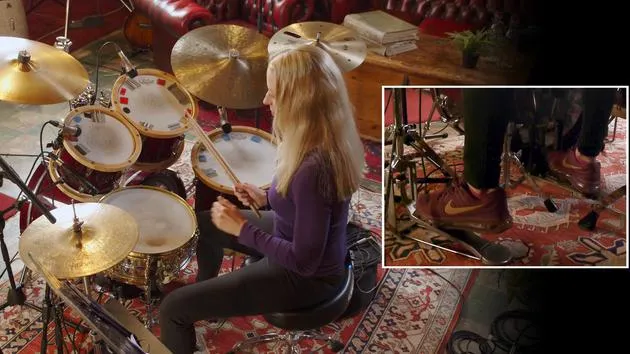
Heel Up vs. Heel Down
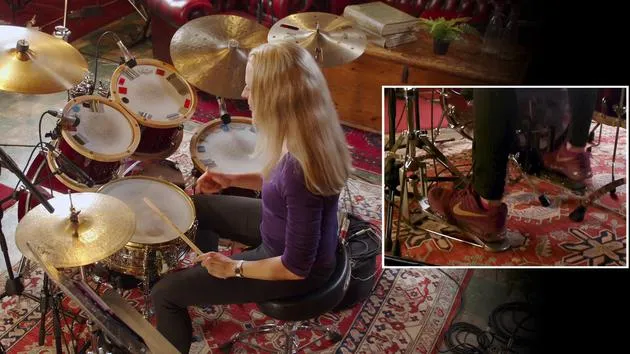
I talked a little bit about heel-up versus heel-down techniques, as well as the heel-toe method, where you combine both. For me, playing this type of groove, I definitely prefer the heel-up position to achieve speed and maintain a more even volume in all those bass drum notes.
However, some may successfully use the heel-down technique—it's ultimately up to you.
Sound Dynamics in Metal Drumming
Other elements that affect the sound we aim to achieve include:
- Loud music: You might want to have the hi-hat slightly open.
- Snare technique: Play the snare harder and louder. You might even want to turn the stick over, as discussed previously. A lot of rock players use this for a very consistent backbeat.
The snare drums typically land on beats two and four.
John Bonham: A Drumming Legend
Now, about this Led Zeppelin groove—I'll do my best to do it justice. John Bonham was a brilliant drummer, and we owe a lot to him. Here’s my little version of it:
- Hit the hi-hats with a bit more attack.
- Play the snare louder.
- Keep the bass drums consistent.
Naturally, when playing multiple 16th note bass drums in a row, the volume may vary slightly. However, with this style of music, we want to keep everything as even as possible—both in volume and in power.
Developing Coordination
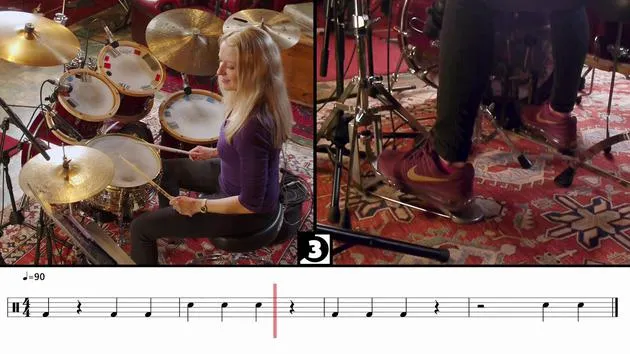
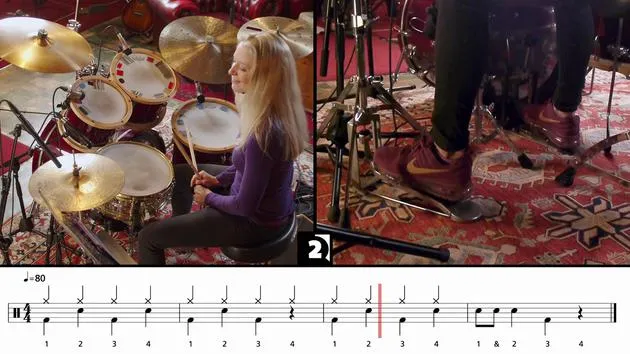
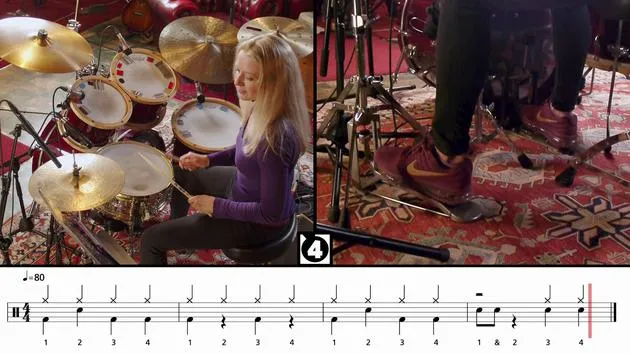
We're going to focus on developing coordination by playing different voices in unison, which we haven't done yet. It’s important to ensure that when we play a hi-hat and bass drum together, they really land together—avoiding any flams.
What is a Flam?
A flam is a rudiment where we play intentionally slightly out of time. For grooves like this, we want to maintain a solid pulse. So, let’s make sure everything is landing together.
Now, let's get on with the examples!
114 lecciones
3h 47m de lecciones en vídeo estructuradas
Funciones de vídeo avanzadas
Ralentiza, repite un pasaje, sigue la partitura
Móvil, tablet y ordenador
Practica donde quieras
Garantía de satisfacción 100%
30 días de garantía de devolución
Conoce a tu gurú
Conoce a tu gurú
Sophie Alloway es una batería de sesión y de gira en el corazón de la escena del jazz londinense. Ha actuado con Jason Rebello, Yazz Ahmed, Laurence Cottle y Tony Allen, y destaca por haber tocado para el príncipe Carlos en el Palacio de Buckingham poco antes de que se convirtiera en rey.
Entre sus créditos de gira figuran Roots Manuva, el musical Thriller y Paul Stacey (Oasis / The Black Crowes). También es la batería de la banda original de fusión Lydian Collective, con más de seis millones de reproducciones en Spotify.
Sophie ha grabado sesiones en los estudios Abbey Road, AIR y Angel, y entre sus apariciones televisivas se cuentan Later… with Jools Holland, Glastonbury y dos temporadas del drama Ridley, de Adrian Dunbar. Aparece en Abbey Road Masters: The Drum Sessions y tocó para los finalistas del BBC Young Jazz Musician 2024, emitido en BBC TV y radio. Jon Newey, de Jazz FM, la apodó la "diosa del groove".







