



The mouthpiece
With
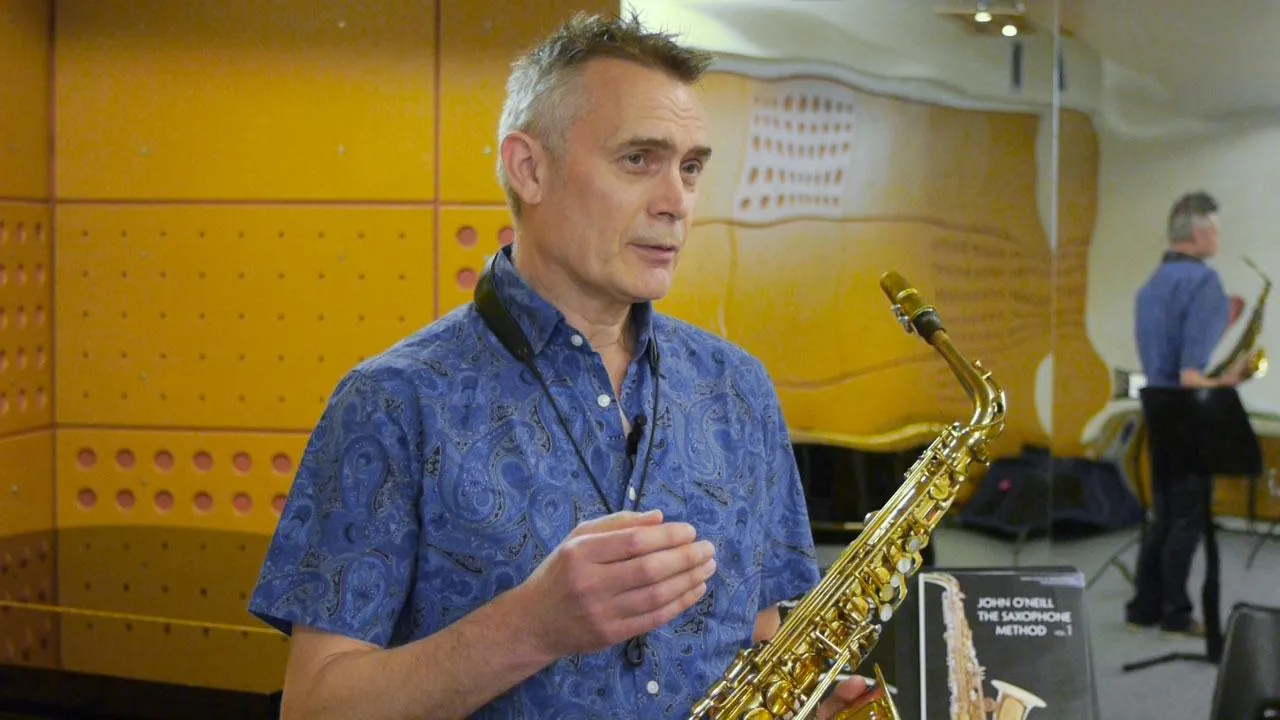
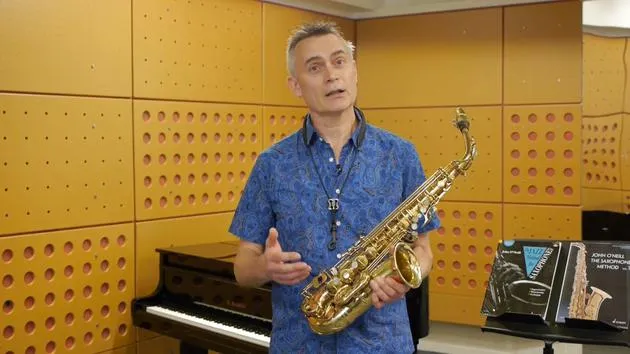
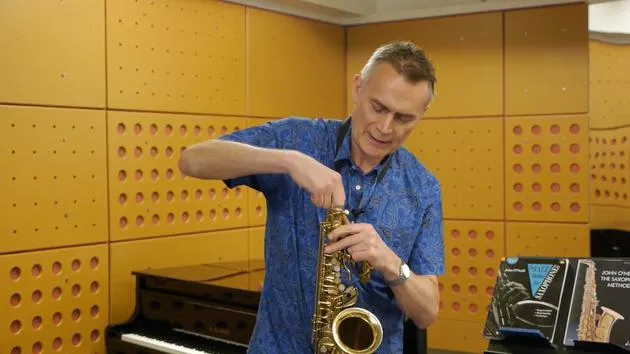
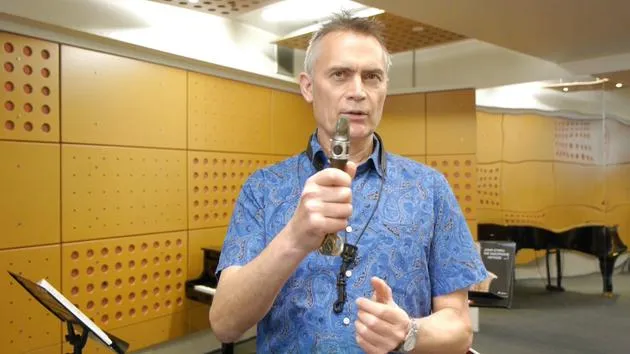
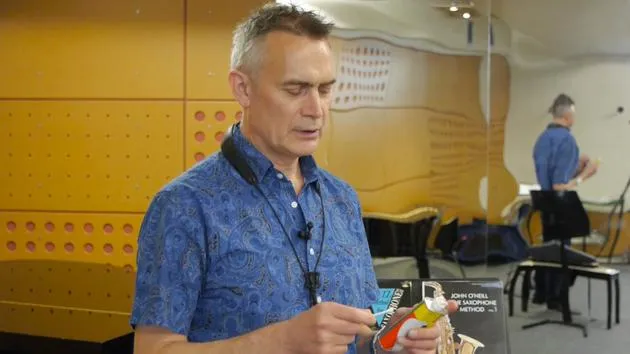
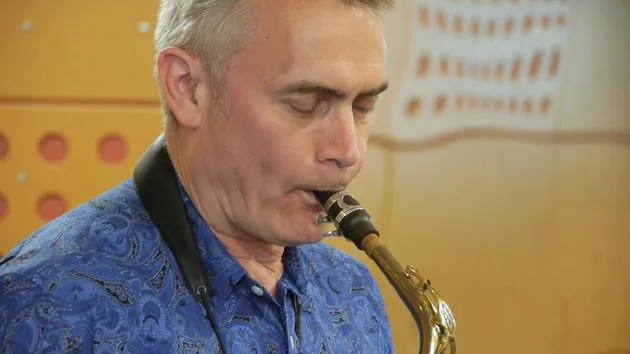
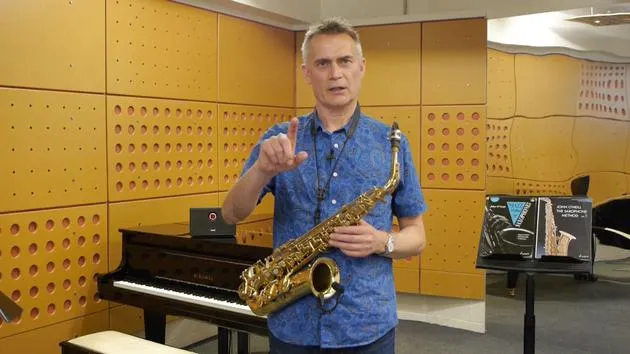
John O'NeillIn this video, John explains how the set-up and care for your mouthpiece and reeds. He also touches on the science of sound and how the reed vibrates. Advice on what to buy and what to look for in a reed.
What's in the course
25 lessons (2h 10m) · 1 free
01. Posture
13:20
02. Fingering
4:10
03. The breath
4:12
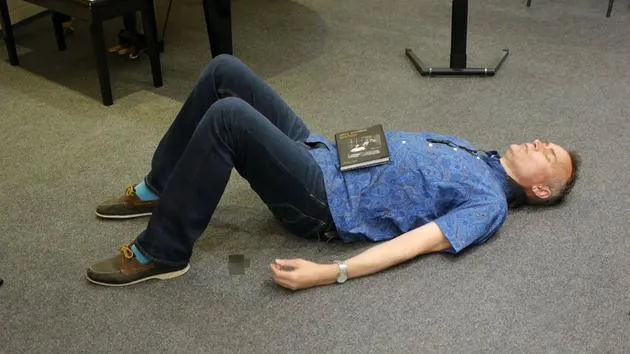
04. Breathing exercise #1
3:24
05. Breathing exercise #2
4:34
06. Breathing exercise #3
2:29
07. Breathing exercise #4
1:27
08. Breathing exercise #5
2:27
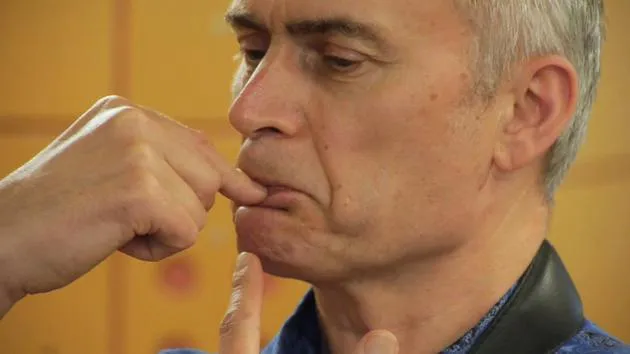
09. Embouchure & your first note
9:46
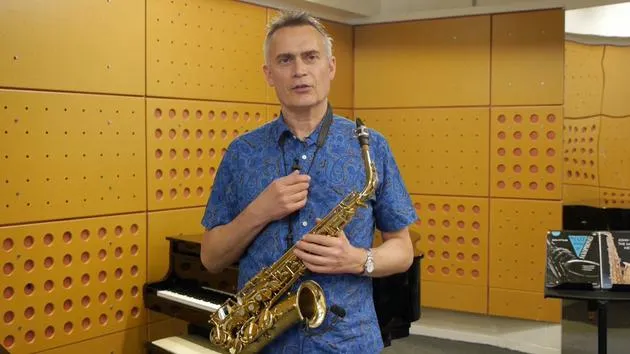
10. Troubleshooting your first note
9:34
11. Developing your sound
3:43
12. Tonguing exercise #1
4:36
13. Tonguing exercise #2
6:49
14. Final thoughts & practising
1:57
Lesson transcript
The Importance of the Mouthpiece in Saxophone Playing
Today, I'm going to talk about the mouthpiece.
Key Points about the Mouthpiece:
-
Sound Production:
- While the saxophone itself is an important part of the equipment, the mouthpiece is even more crucial as this is where the sound is produced.
- The wrong mouthpiece on an expensive saxophone will not yield good results.
- Conversely, a good mouthpiece on an inexpensive saxophone can produce impressive results.
-
Mouthpieces for New Instruments:
- If you buy a new, especially high-end instrument, the mouthpiece included is often decent.
- There's usually no need to change it in the short term, provided you have the right reed, which I will discuss later.
Buying a Mouthpiece
If you're planning to buy a mouthpiece, especially for a second-hand instrument that may not have come with one or has a poor-quality mouthpiece, consider the following:
Metal vs. Ebonite Mouthpieces
-
Material Differences:
- Metal mouthpieces are made of a different material; they are not intrinsically better than Ebonite mouthpieces.
- Myths persist that metal mouthpieces produce a much bigger sound. For example, many alto players using Ebonite mouthpieces can achieve a huge sound.
-
Sound Characteristics:
- You may have heard a player like David Sanborn, performing in a jazz-rock style with an abrasive sound. However, that sound is not solely due to the use of a metal mouthpiece.
- Most alto players actually use Ebonite mouthpieces, which are a kind of hardened rubber.
Key Factors in Mouthpiece Design
- Reed Fit:
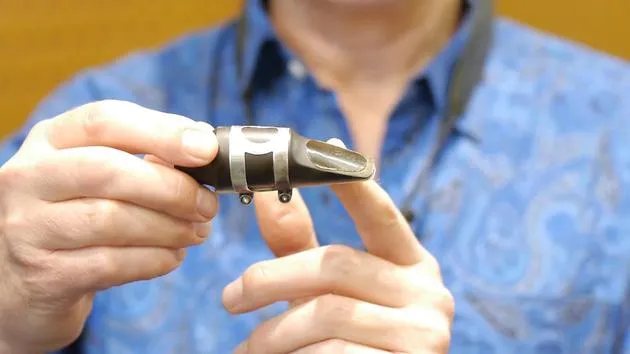
- The reed fits on the mouthpiece as follows:
- The two most important aspects to consider are the tip opening and the lay of the mouthpiece.
Tip Opening
- The tip opening is the gap between the lip of the mouthpiece and the reed.
- A wider gap makes it more challenging to make the reed vibrate.
- A narrower gap allows for easier vibration.
- For beginners, a medium or medium-closed tip opening is recommended.
Lay of the Mouthpiece
- If you hold the mouthpiece to the side, observe where daylight stops between the reed and the mouthpiece; this distance is called the length of the lay.
- A longer lay allows the reed to vibrate more easily, while a shorter lay makes vibration more difficult.
- However, a longer lay may be harder to control.
Recommendations for Beginners
- A classic mouthpiece for alto players is the Meyer 5M, which has a medium tip opening and medium lay. Several famous players, like Phil Woods and Cannonball Adderley, have used it.
- Another excellent option for beginners is the Yamaha 4C mouthpiece.
- This mouthpiece comes with Yamaha student instruments but works well on almost any saxophone.
- It is relatively inexpensive and while it is made of plastic (which can break if dropped on a hard surface), it is very easy to play.
- This mouthpiece will serve you well for the first couple of years of playing, at least.
Feel free to reach out if you have any questions about selecting mouthpieces or reeds!
25 lessons
2h 10m of structured video lessons
Advanced video features
Slow down, loop a passage, follow along
Mobile, tablet & desktop
Practise wherever you are
100% satisfaction guarantee
30-day money-back guarantee
Meet your guru
Meet your guru
John O'Neill is the saxophonist behind The Jazz Method for Saxophone - the Schott series that has taught a generation of players around the world to improvise. First published in 1991, it remains one of the best-selling jazz tutors ever written, alongside his companion methods for clarinet and flute.
He came to the saxophone at twenty, while reading French and German at Trinity College, Oxford, after hearing John Coltrane. He went on to study with British tenor great Don Rendell, and took improvisation from Lee Konitz, Warne Marsh and Peter Ind - direct heirs of the legendary teacher Lennie Tristano. A professional musician since 1979, he specialises in jazz and bossa nova and has played London's leading venues, including Ronnie Scott's, while also writing music for film, television, theatre and dance.
A qualified teacher with decades of experience, John has taught saxophone, clarinet and flute privately and in schools, on the jazz course at Trinity College of Music in London, and at summer schools in Spain and the Czech Republic. He still performs and teaches from his home in North London.







