



Final thoughts & practising
With
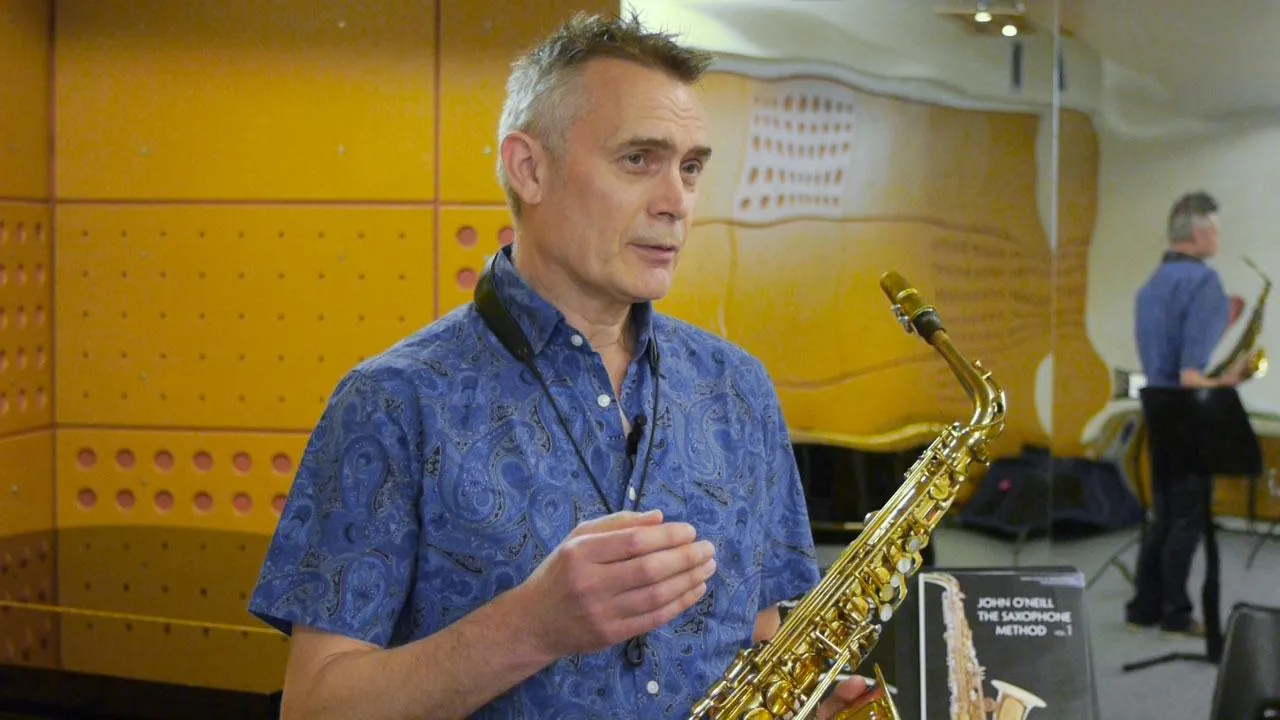
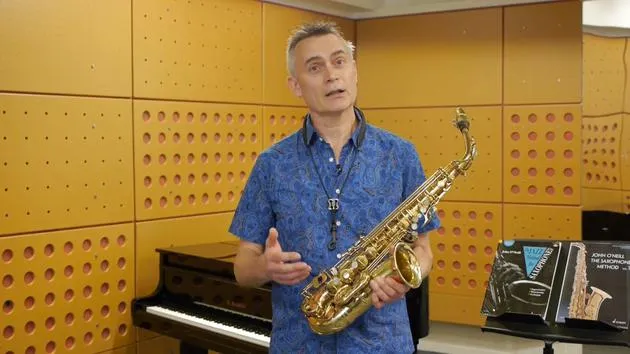
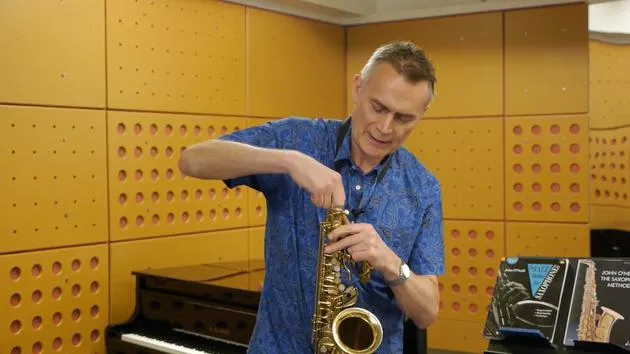
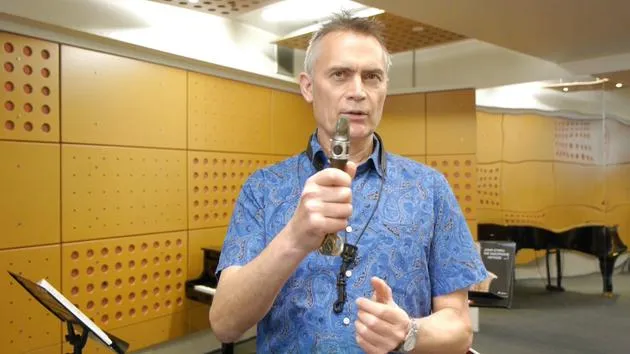
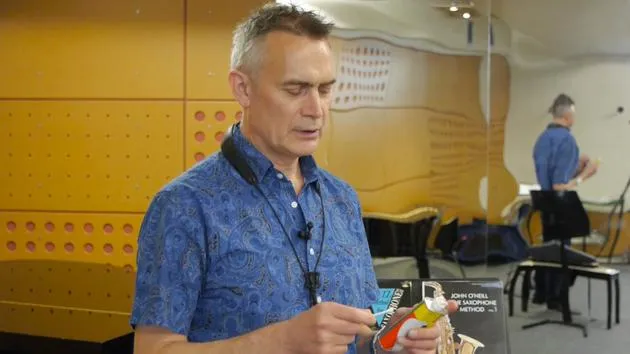
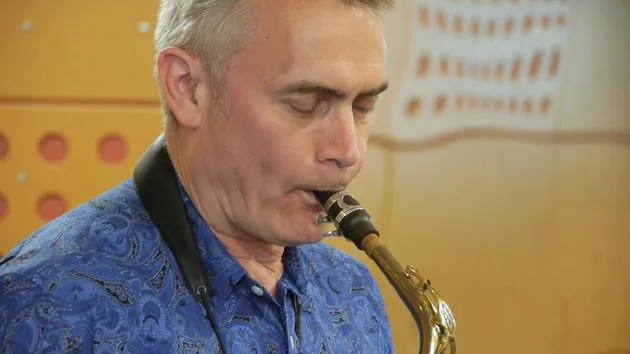
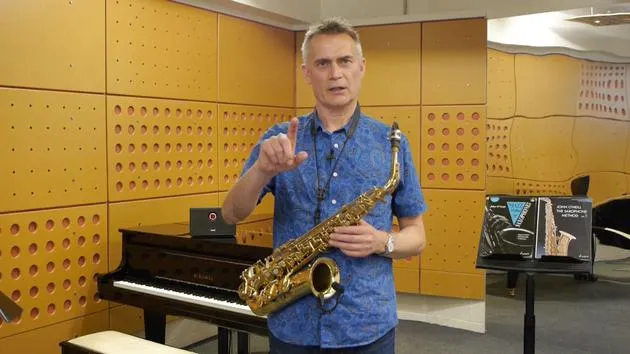
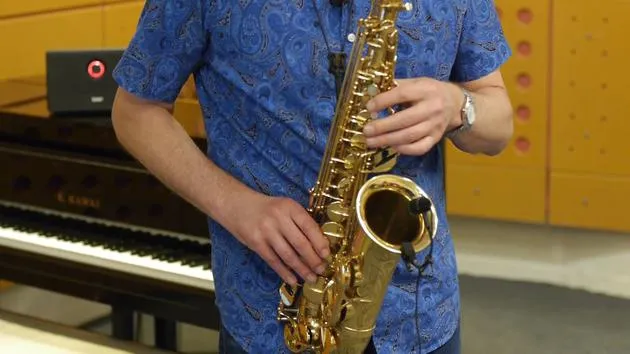
John O'NeillThere are 2 really important exercises we've learned so far - the long note exercise and tonguing on single notes exercise. Those are the 2 exercises that will be absolutely key to determining how well you're going to play the saxophone. John recaps some key concepts to take away and practice.
What's in the course
25 lessons (2h 10m) · 1 free
01. Posture
13:20
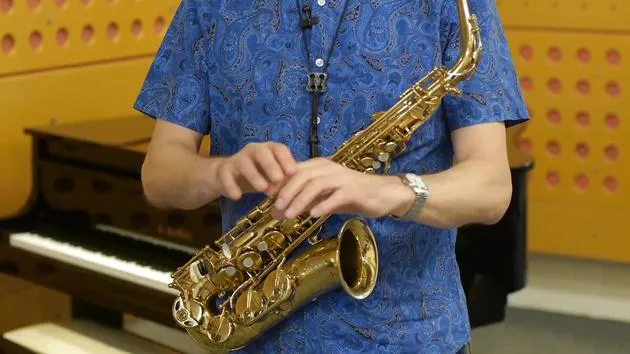
02. Fingering
4:10
03. The breath
4:12
04. Breathing exercise #1
3:24
05. Breathing exercise #2
4:34
06. Breathing exercise #3
2:29
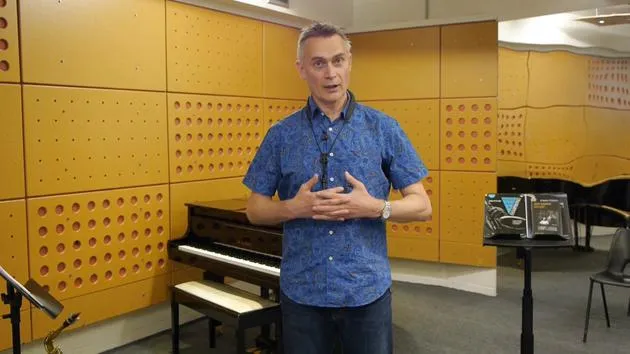
07. Breathing exercise #4
1:27
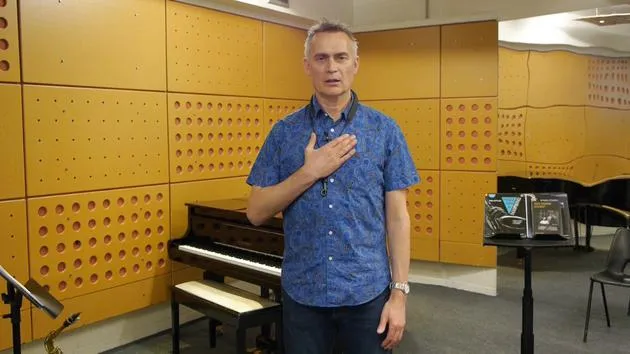
08. Breathing exercise #5
2:27
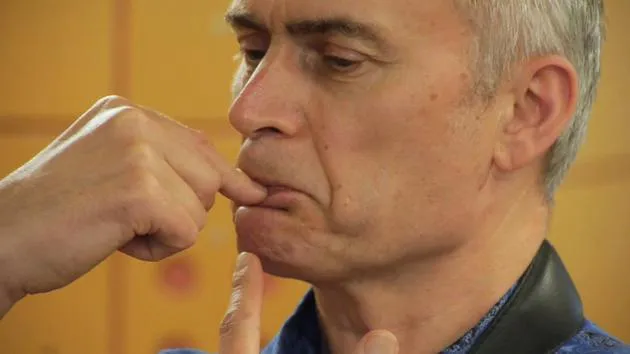
09. Embouchure & your first note
9:46
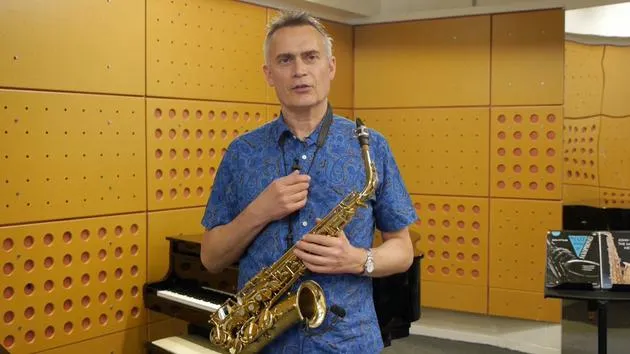
10. Troubleshooting your first note
9:34
11. Developing your sound
3:43
12. Tonguing exercise #1
4:36
13. Tonguing exercise #2
6:49
14. Final thoughts & practising
You are here1:57
Lesson transcript
Essential Exercises for Saxophone Practice
I've identified two really important exercises for mastering the saxophone:
- Long Note Exercise
- Tonguing on Single Notes
Importance of These Exercises
These two exercises will be absolutely key to determining how well you're going to play the saxophone.
Recommended Warm-Up Routine
In every practice session, I recommend the following warm-up routine:
- Start with Breathing Exercises.
- Long Notes:
- Practice for a minimum of two minutes and a maximum of five minutes.
- Tonguing on Single Notes:
- Again, practice for two to five minutes.
Purpose of the Warm-Up
The idea here is to warm up in this order:
- Warm Up Your Breath.
- Warm Up Your Tongue.
- Only then should you start thinking about moving your fingers.
Transition to Playing Pieces
Once you've mastered these exercises or at least feel comfortable with them, you're ready to start playing your first pieces.
Focus Areas While Playing
As you begin to play pieces, think about two key aspects:
- Maintaining Your Line: Aim for a nice steady sound, which you'll develop from the breathing exercises and long notes.
- Tonguing Technique: Remember that every note you play should be treated with a clear articulative syllable.
Keep these principles in mind as you progress in your saxophone playing!
25 lessons
2h 10m of structured video lessons
Advanced video features
Slow down, loop a passage, follow along
Mobile, tablet & desktop
Practise wherever you are
100% satisfaction guarantee
30-day money-back guarantee
Meet your guru
Meet your guru
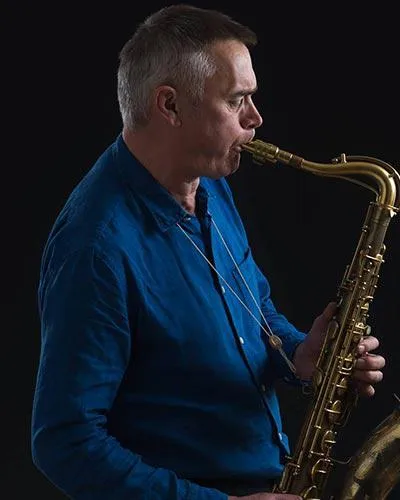
John O'Neill is the saxophonist behind The Jazz Method for Saxophone - the Schott series that has taught a generation of players around the world to improvise. First published in 1991, it remains one of the best-selling jazz tutors ever written, alongside his companion methods for clarinet and flute.
He came to the saxophone at twenty, while reading French and German at Trinity College, Oxford, after hearing John Coltrane. He went on to study with British tenor great Don Rendell, and took improvisation from Lee Konitz, Warne Marsh and Peter Ind - direct heirs of the legendary teacher Lennie Tristano. A professional musician since 1979, he specialises in jazz and bossa nova and has played London's leading venues, including Ronnie Scott's, while also writing music for film, television, theatre and dance.
A qualified teacher with decades of experience, John has taught saxophone, clarinet and flute privately and in schools, on the jazz course at Trinity College of Music in London, and at summer schools in Spain and the Czech Republic. He still performs and teaches from his home in North London.







