



Troubleshooting your first note
With
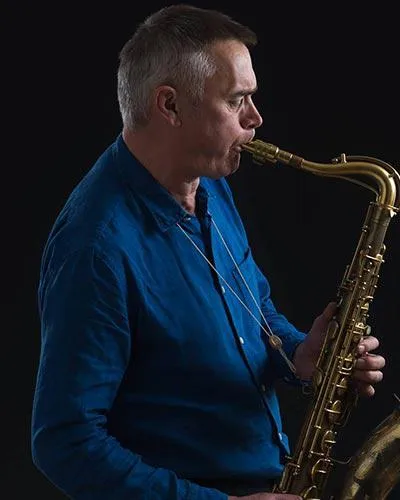
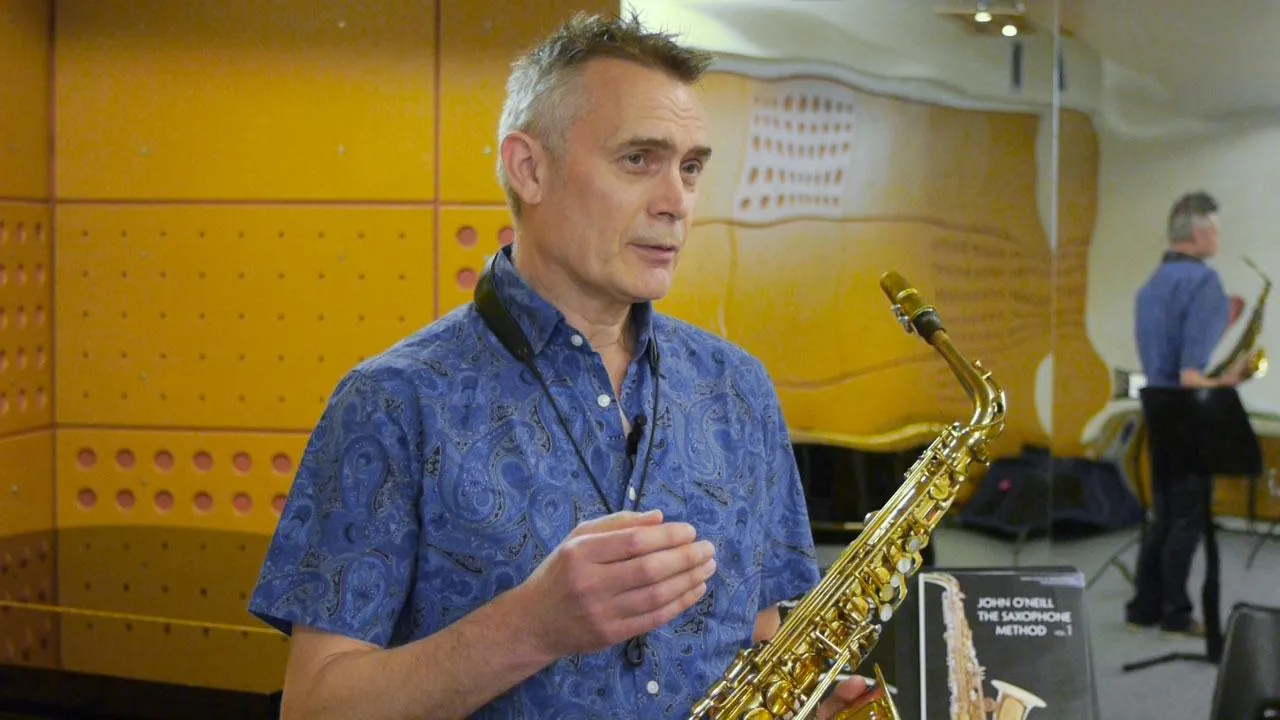
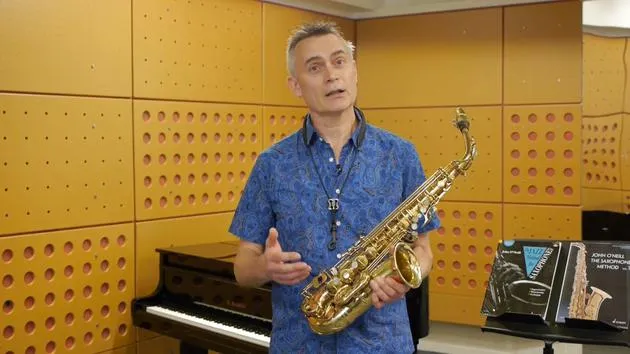
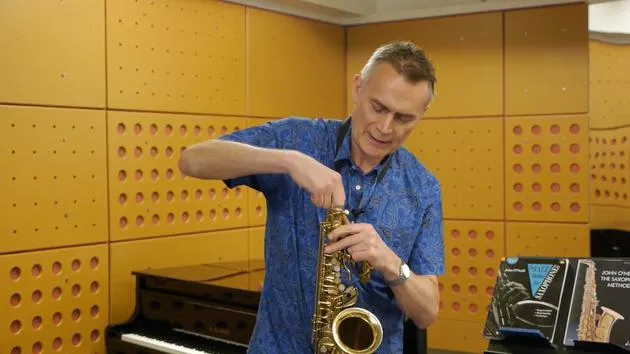
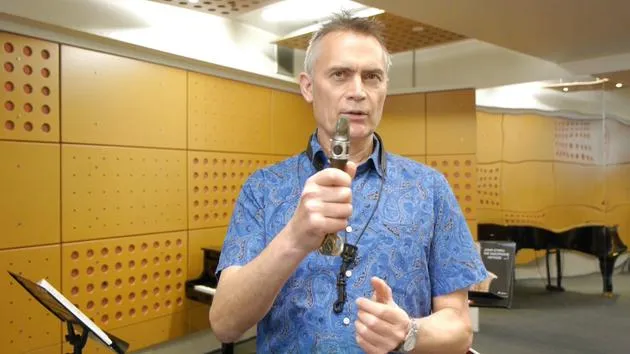
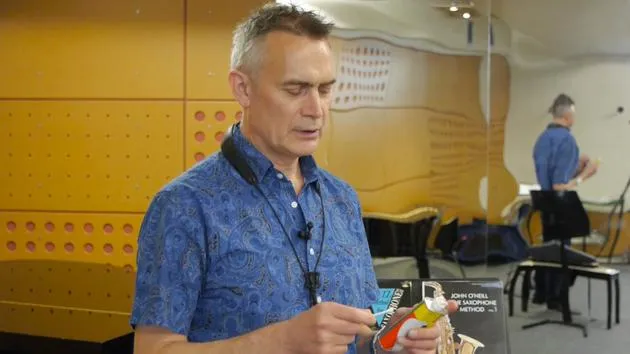
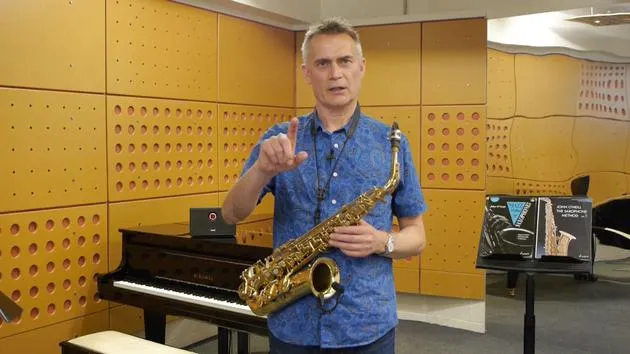
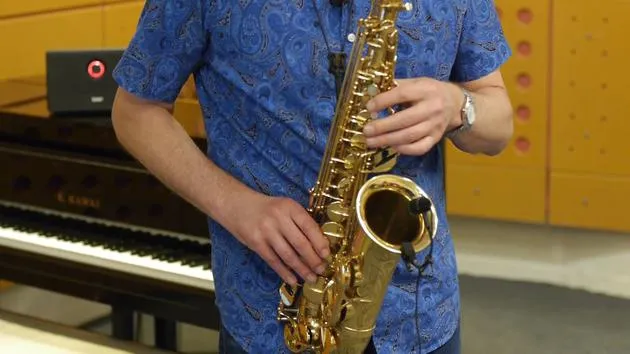
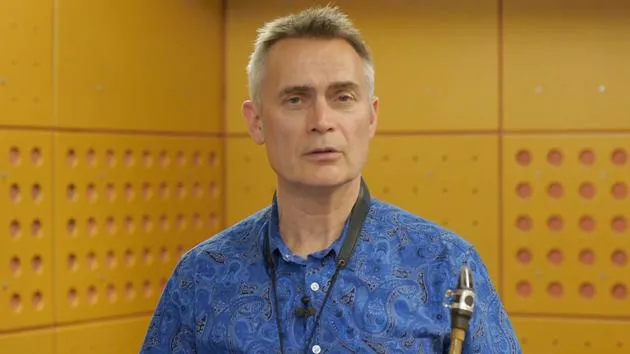
John O'NeillJohn O'Neill helps you fix a first note that won't sound - checking your breath support and embouchure when the saxophone stays silent.
What's in the course
25 lessons (2h 10m) · 1 free
01. Posture
13:20
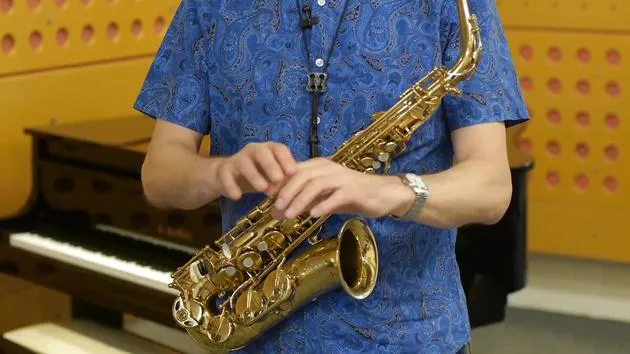
02. Fingering
4:10
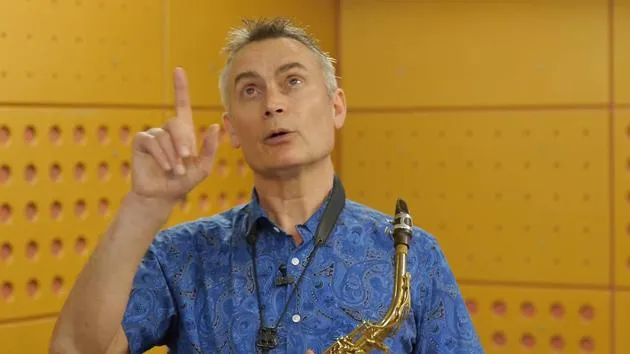
03. The breath
4:12
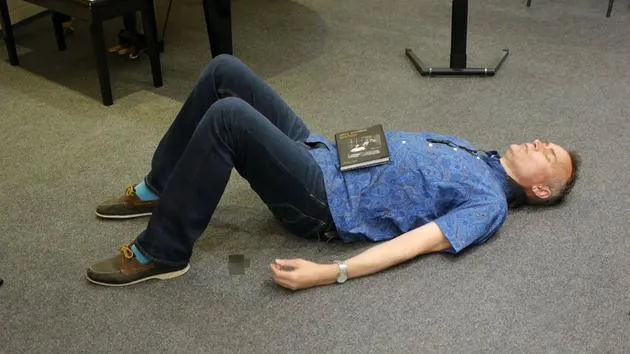
04. Breathing exercise #1
3:24
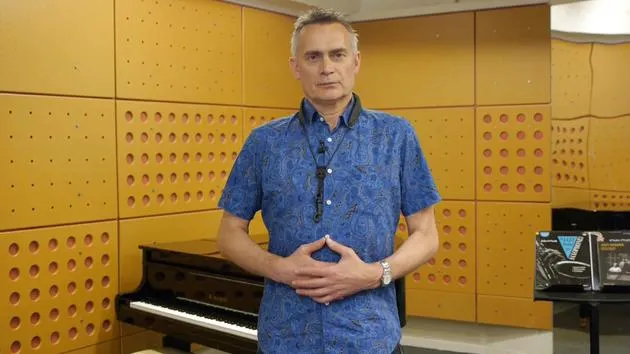
05. Breathing exercise #2
4:34
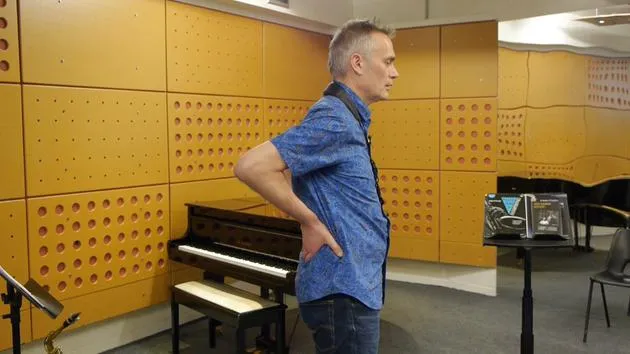
06. Breathing exercise #3
2:29
07. Breathing exercise #4
1:27
08. Breathing exercise #5
2:27
09. Embouchure & your first note
9:46
10. Troubleshooting your first note
You are here9:34
11. Developing your sound
3:43
12. Tonguing exercise #1
4:36
13. Tonguing exercise #2
6:49
14. Final thoughts & practising
1:57
Lesson transcript
Saxophone Playing: Focus on Breath and Embouchure
Now, if your first attempt wasn't terribly successful, the first question I'd ask you is:
Did you remember what you learned in the breathing exercises?
Maybe you were so focused on trying to carefully remember the things that I was mentioning in relation to the embouchure that you forgot.
Remember: It's the breath that makes the sound.
This is where it starts to get tricky. It's a bit like spinning plates. You're trying to focus on one thing, and then you forget another thing. And that's going to happen for a while as you make your first notes on the saxophone. Don't worry about it. Just keep trying to focus on these different aspects of playing.
Key Points to Remember
- The Breath: It's the breath that makes the sound, similar to the way you made that "R" sound.
- Mouthpiece Position:
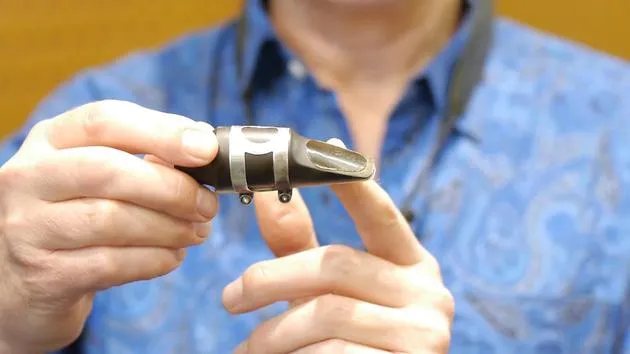
- If you don't put enough mouthpiece in your mouth, the sound will be very muted.
- If you play with too much mouthpiece in your mouth, you risk losing control and may produce a loud but raucous sound.
Practice Tips
-
Warm Air Visualization: When you practice playing your first notes, imagine that you're blowing warm air, as if you were misting up a mirror. You can even visualize the palm of your hand as your mirror and blow onto it.
-
Volume Consistency: Check that the volume of the note remains consistent. Try not to let your note tail off.
-
Avoid Tension: Listen for any unwanted vibration in the sound, which can often be caused by:
- Squeezing too tightly on the mouthpiece.
- Thrusting the chin or jaw forward.
Maintaining Natural Position
Jaw and Bite
-
Jaw Tension: If you move your jaw forward, you may hear the sound vibrating out of control.
- Maintain your natural bite: typically, the upper teeth should be in front of the lower teeth.
-
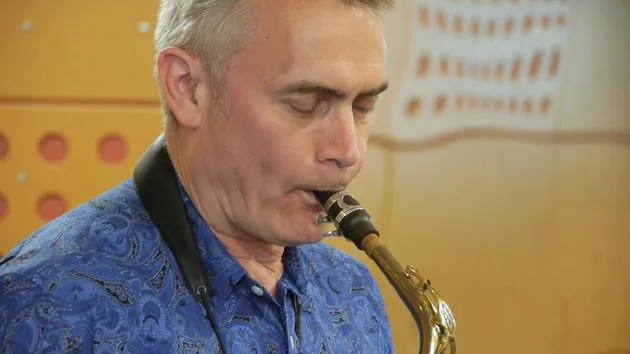
Avoid Unnatural Movements: Don't lower your jaw unusually or push it into strange positions. Focus on your lips, which should feel like an elastic band sealing around the mouthpiece.
Pressure Sensation
- If you're unsure about the amount of pressure to use, think of whistling.
- It's about the same amount of pressure you use when you whistle: firm but relaxed.
Insights from the Past
I remember my first teacher, Dom Rendell. He was a great saxophonist who played with Billie Holiday, Woody Herman, and Stan Kenton. He had the fortune to meet some of the great saxophone players like Lester Young, John Coltrane, and Coleman Hawkins.
A Key Insight
Coleman Hawkins noted that the lower lip should be like a cushion for the reed, which is a lovely concept; the lip allows the reed to vibrate.
Common Faults in Players
-
Bunching the Chin:
- Often, I see this shape where the lower lip or chin bunches up towards the reed.
- This indicates that you're not working properly with the muscles at the corners of your mouth.
-
Using a Mirror for Feedback:
- If you see your chin bunching, return to the image of whistling. Maintain that space between the lip and the chin.
-
Lip Positioning:
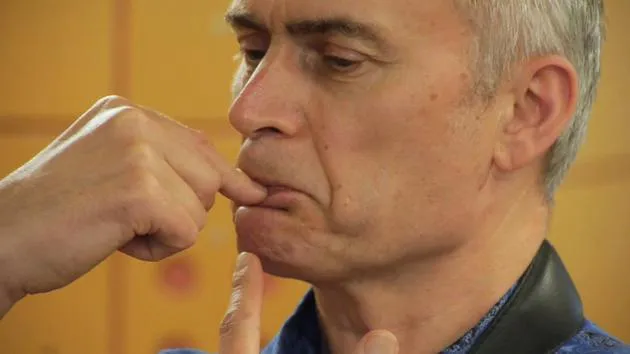
- A slight inward turn of the lower lip is necessary, but don't fold your lip right over, as it complicates the embouchure.
-
Visibility Check:
- You should be able to see a little of the red part of your lower lip while playing. If you tuck it in too much, it disappears.
-
Jaw Thrusting:
- This subtle issue is difficult to correct, but it's essential not to move your jaw forward when you play.
Final Thoughts
Remember, focusing on these aspects will help you achieve a better embouchure and sound quality. Keep practicing, and it will get easier!
25 lessons
2h 10m of structured video lessons
Advanced video features
Slow down, loop a passage, follow along
Mobile, tablet & desktop
Practise wherever you are
100% satisfaction guarantee
30-day money-back guarantee
Meet your guru
Meet your guru
John O'Neill is the saxophonist behind The Jazz Method for Saxophone - the Schott series that has taught a generation of players around the world to improvise. First published in 1991, it remains one of the best-selling jazz tutors ever written, alongside his companion methods for clarinet and flute.
He came to the saxophone at twenty, while reading French and German at Trinity College, Oxford, after hearing John Coltrane. He went on to study with British tenor great Don Rendell, and took improvisation from Lee Konitz, Warne Marsh and Peter Ind - direct heirs of the legendary teacher Lennie Tristano. A professional musician since 1979, he specialises in jazz and bossa nova and has played London's leading venues, including Ronnie Scott's, while also writing music for film, television, theatre and dance.
A qualified teacher with decades of experience, John has taught saxophone, clarinet and flute privately and in schools, on the jazz course at Trinity College of Music in London, and at summer schools in Spain and the Czech Republic. He still performs and teaches from his home in North London.







