Types of Hammond

With
Joe Glossop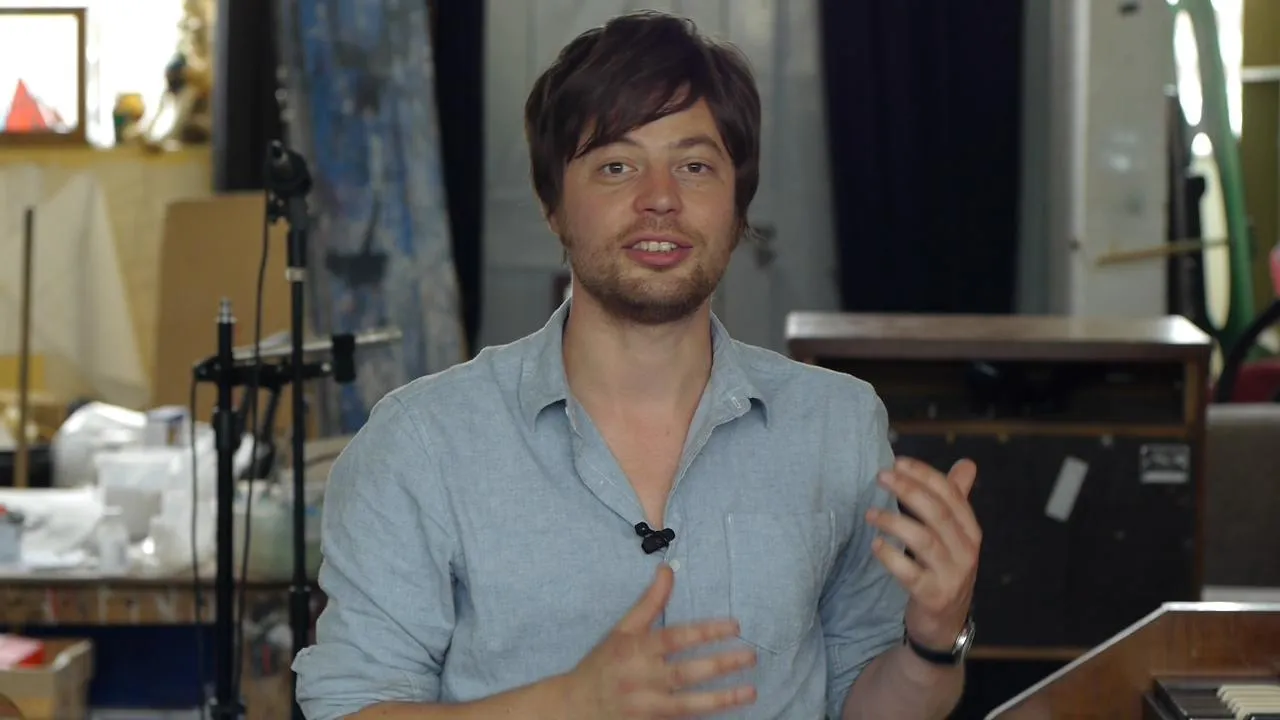
What's in the course
45 lessons (3h 0m) · 1 free
01. Performance: 'Green Onions' Booker T
3:01
02. Tones: 'Green Onions' Booker T
3:08
03. Playing the tune: 'Green Onions' Booker T
8:21
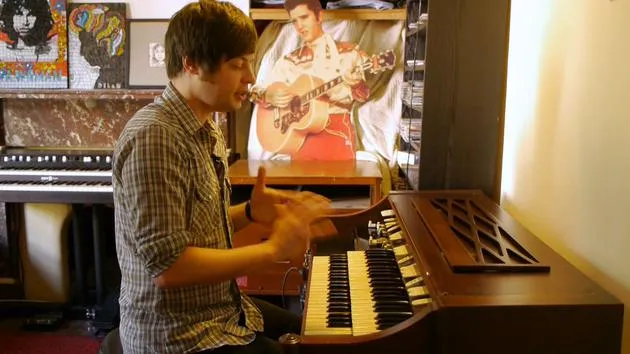
04. Lead lines: 'Green Onions' Booker T
4:43
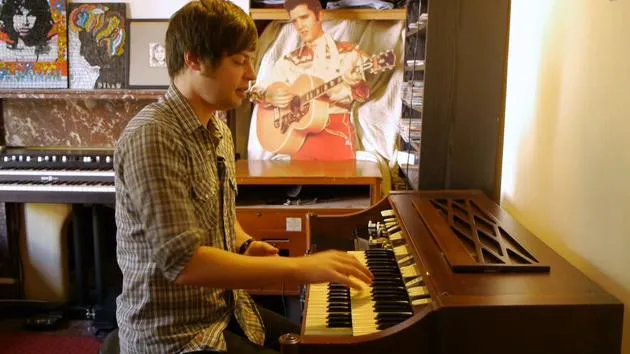
05. Bassline: 'Green Onions' Booker T
2:01
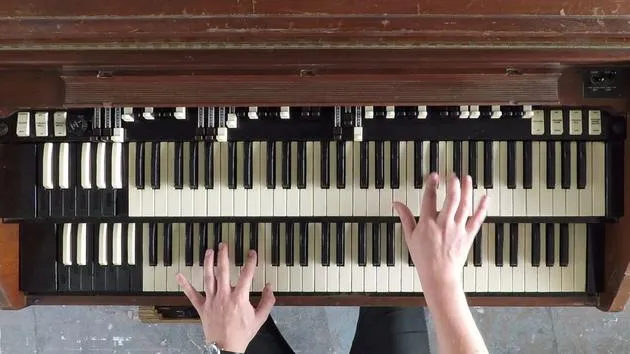
06. Performance: Jimmy McGriff - All About My Girl
3:43
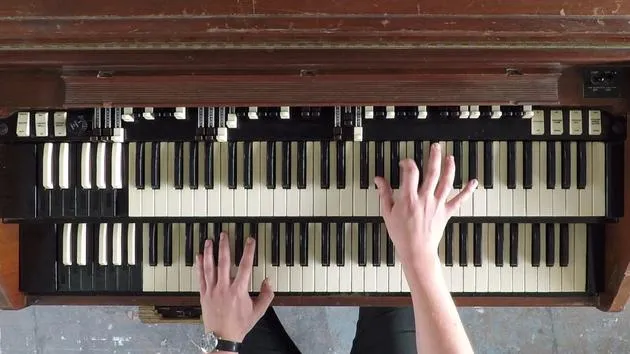
07. Keyboard view performance: Jimmy McGriff - All About My Girl
3:43
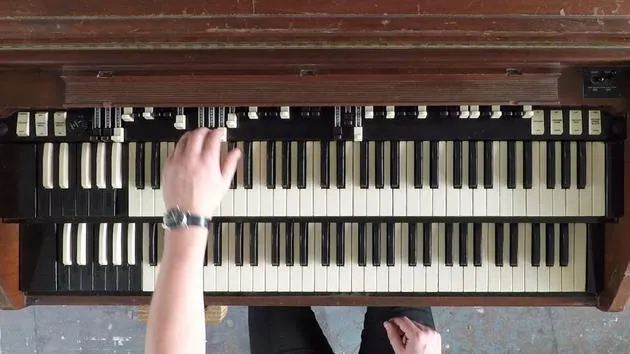
08. Tones: 'All About My Girl' - Jimmy McGriff
4:01
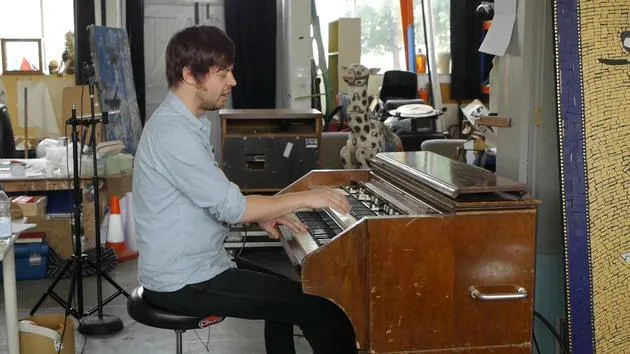
09. Intro: 'All About My Girl' - Jimmy McGriff
2:10
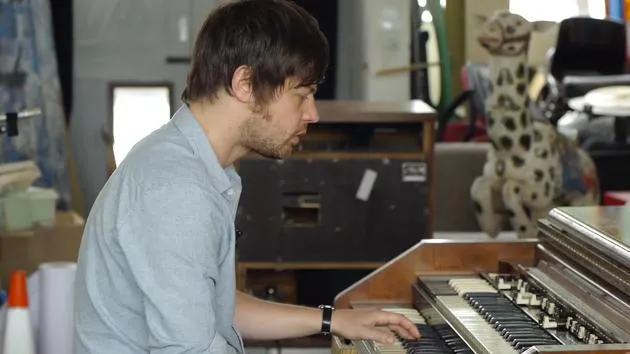
10. Playing the head: 'All About My Girl' - Jimmy McGriff
2:58
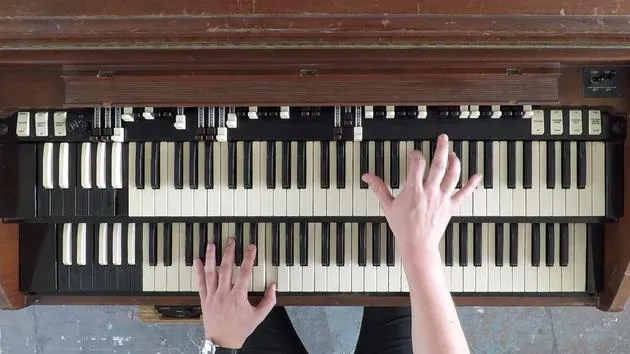
11. Bassline: 'All About My Girl' - Jimmy McGriff
1:52
12. Ending: 'All About My Girl' - Jimmy McGriff
1:51
13. Improvisation and comping: 'All About My Girl' - Jimmy McGriff
4:38
01. A Change is Gonna Come' - Sam Cooke
7:46
02. Keyboard View: 'A Change is Gonna Come' - Sam Cooke
1:20
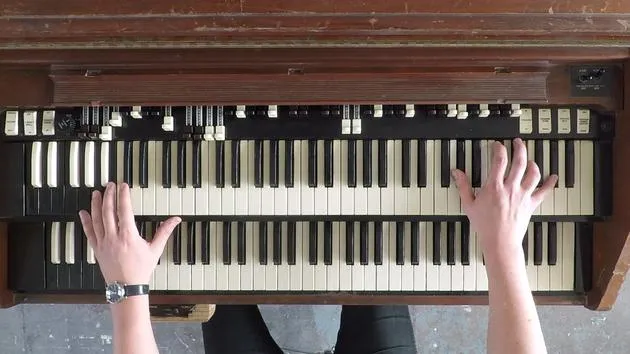
03. La La means I love you' - Booker T
5:39
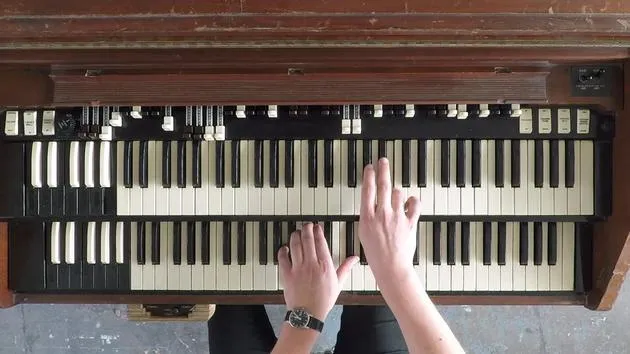
04. Keyboard view: 'La La means I love you' - Booker T
2:25
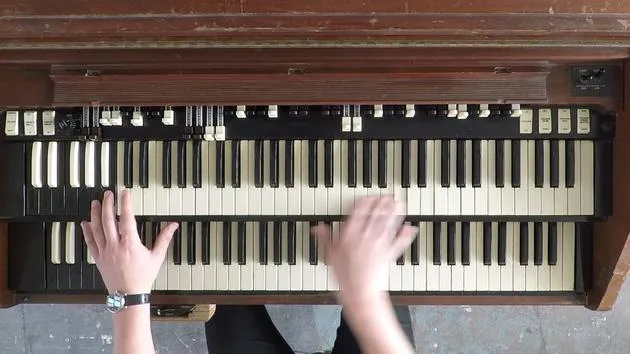
05. Groovin' Booker T & the MGs
4:57
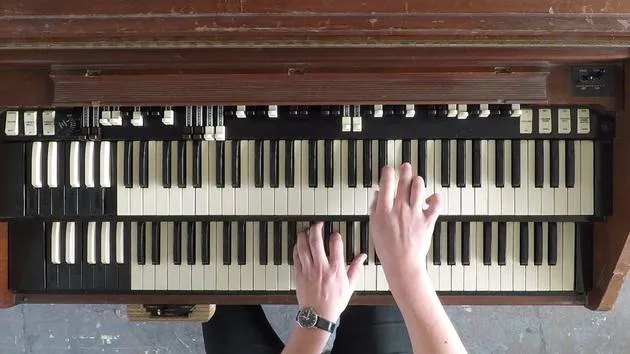
06. Keyboard view: 'Groovin' ' - Booker T & the MGs
1:15
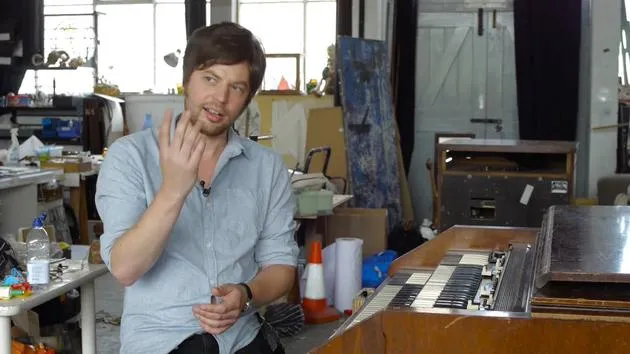
07. Time is Tight' - Booker T & the MGs
5:31
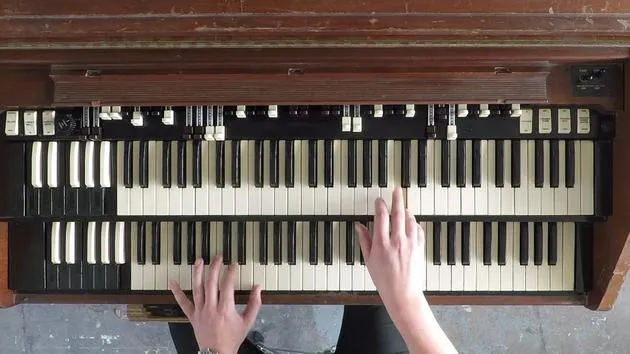
08. Keyboard view: 'Time is Tight' - Booker T & the MGs
1:39
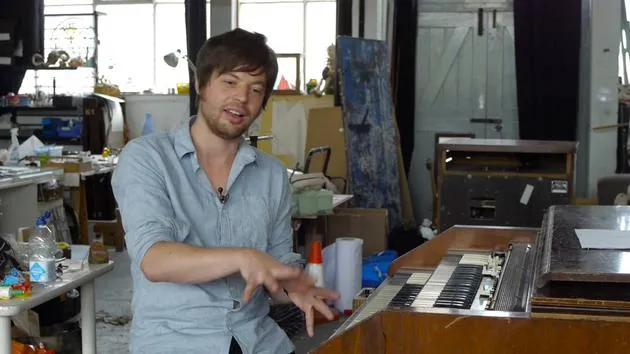
09. 'The Girl from Ipanema' - Antonio Carlos Jobim
6:17
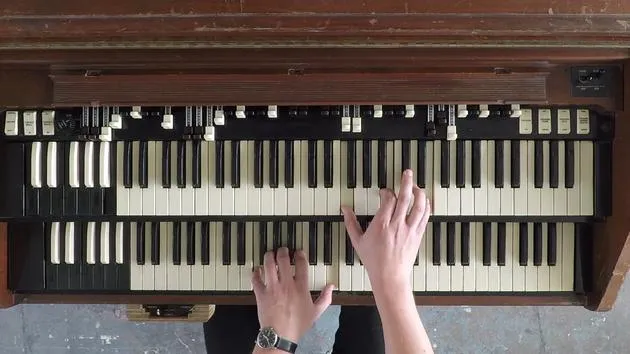
10. Keyboard view: 'The Girl from Ipanema' - Antonio Carlos Jobim
2:36
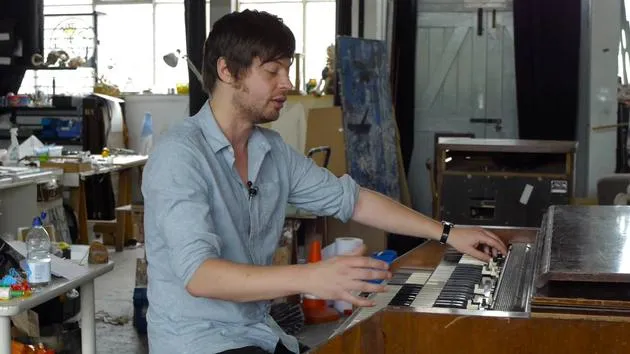
11. Blues based on 'Blue Bash' - Jimmy Smith
7:59
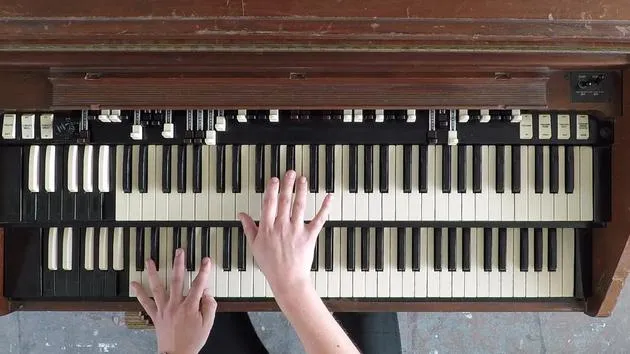
12. Keyboard view: Blues based on 'Blue Bash' - Jimmy Smith
3:24
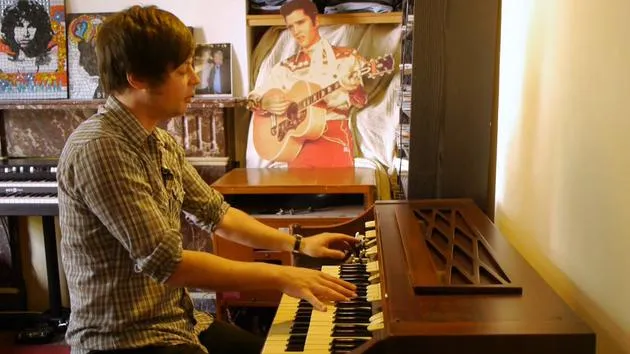
13. Walk on the Wild Side' M series jam - Jimmy Smith
6:44
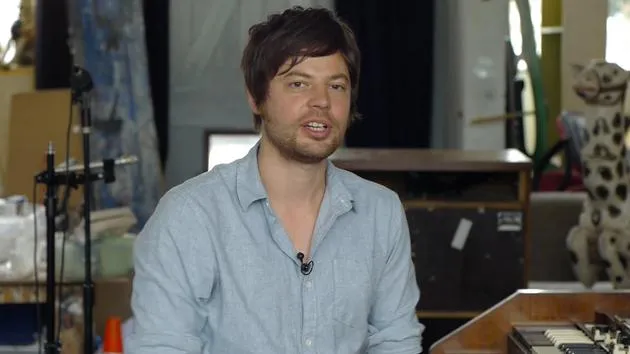
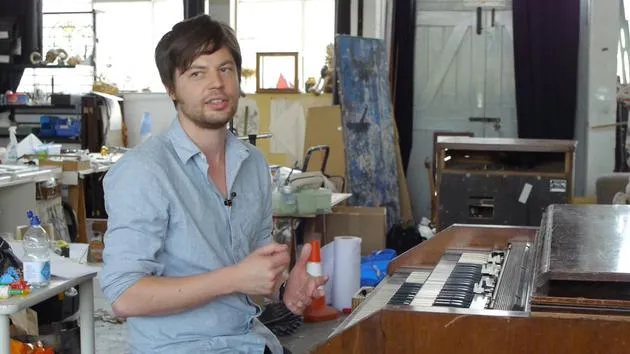
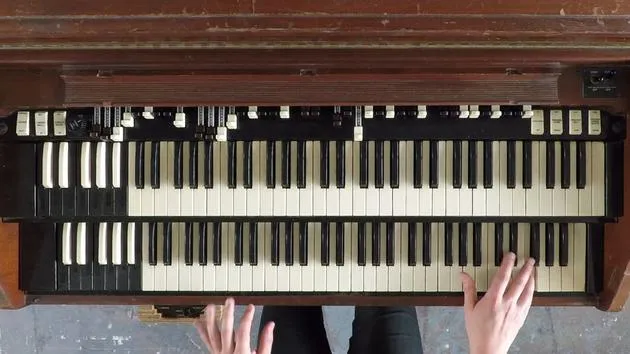
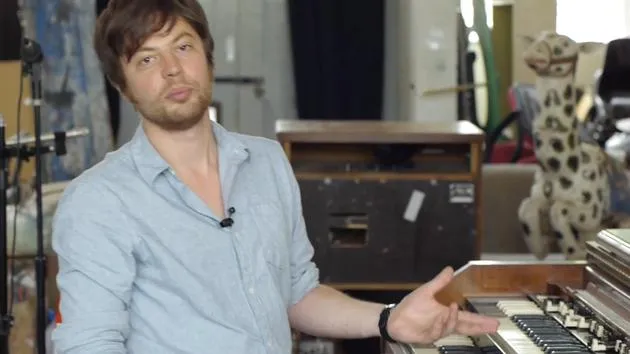
Lesson transcript
Understanding Hammond Organs: A Comprehensive Overview
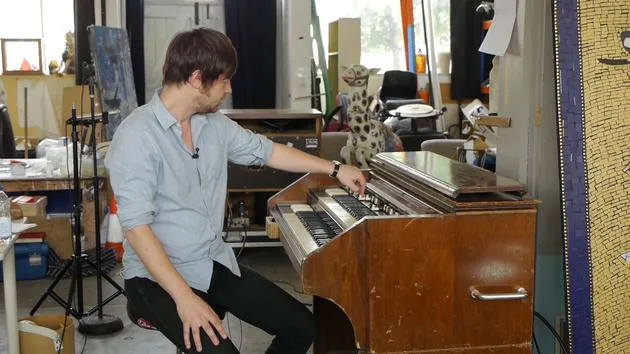
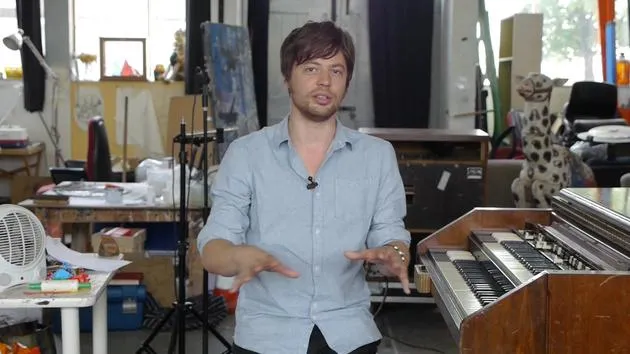
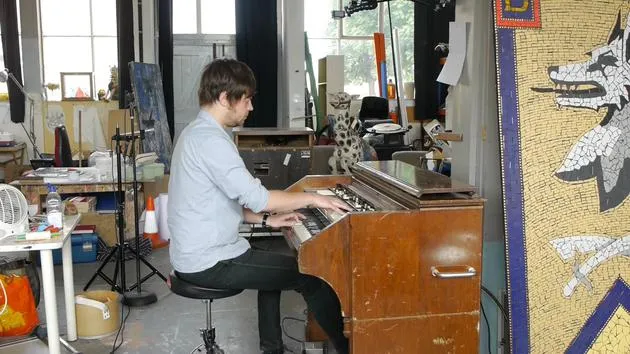
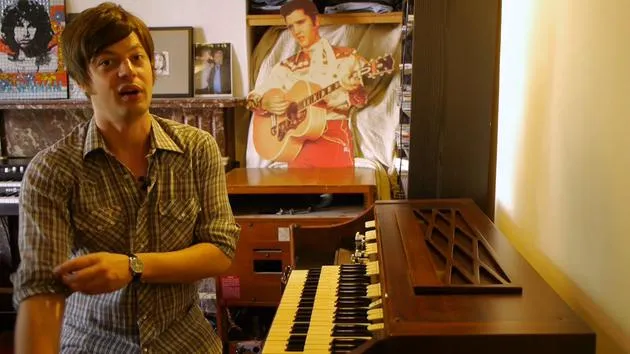
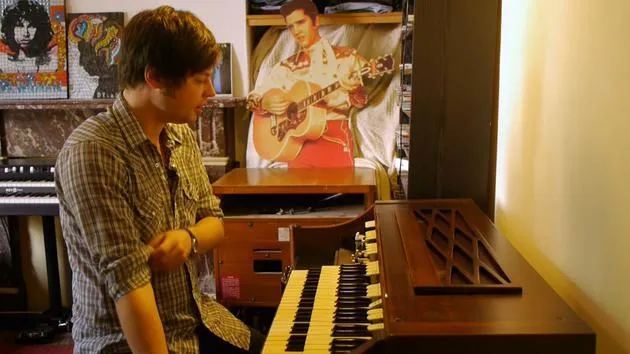
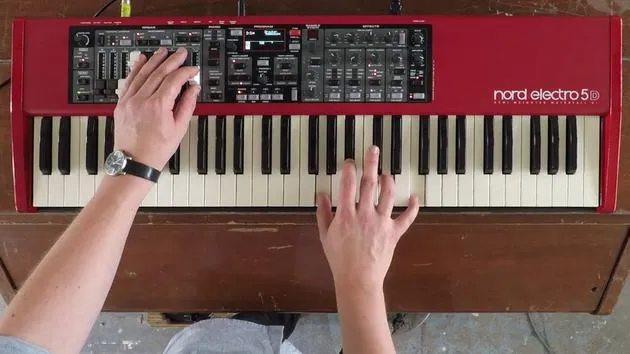
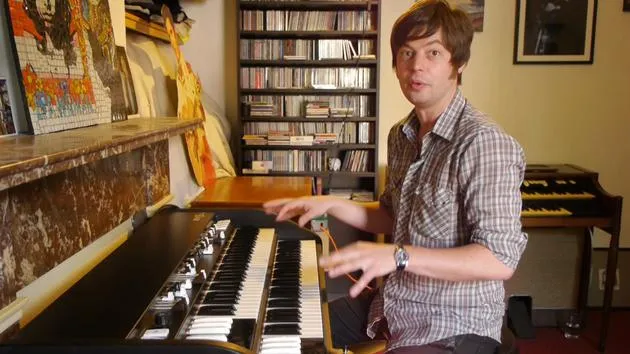
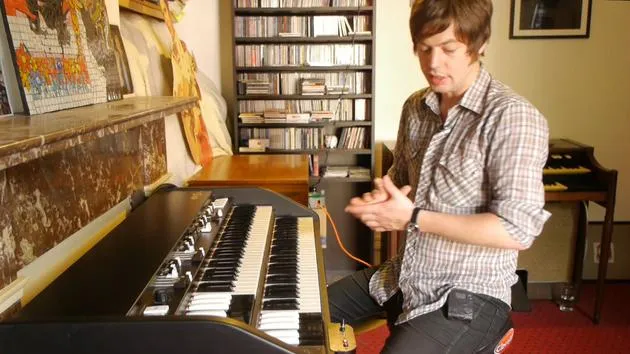
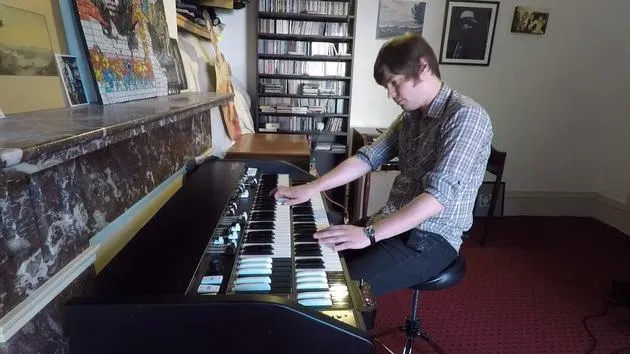
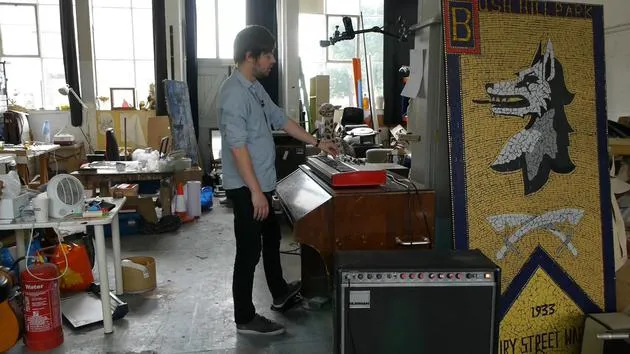
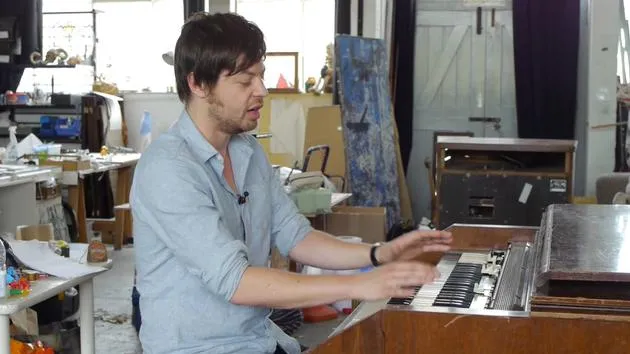
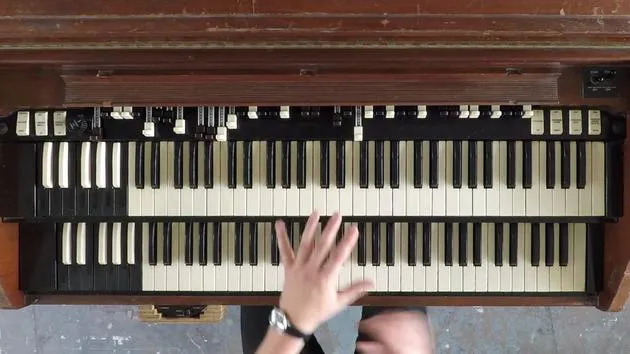
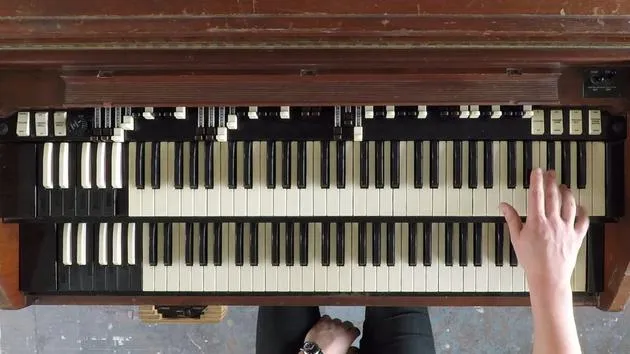
When people think of the Hammond organ, they might believe there's only one model everyone uses. However, that's not the case. There are loads of different models, each contributing to the unique sound of jazz records.
Key Models
-
B3: Often associated with jazz legend Jimmy Smith, many assume they need to invest in a B3 to achieve the sound they desire.
-
C3 and A100:
- These models are internally the same as the B3.
- They feature different wooden frames.
- The A100 includes reverb and an internal speaker.
- Tonally, the sounds produced are identical, and both options are typically half the price of a B3.
Availability
- B3s are rare in the UK, with most being found in America.
- More C3s and A100s were produced in the UK.
Other Popular Models
-
M101 and M100 Series:
- The "101" denotes the design of the curved element and the legs.
- There is also a "102," which has a slightly different design.
-
M3:
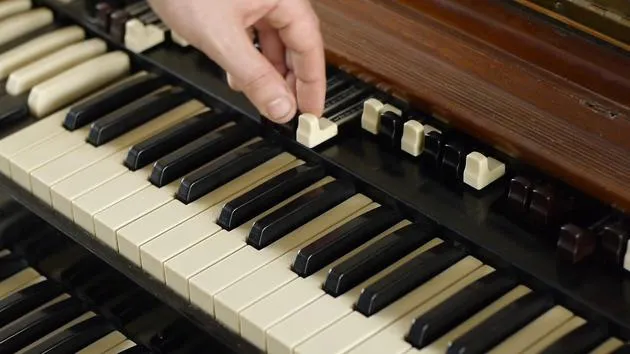
- A very popular model that features rocker tabs similar to the C3.
- This design helps prevent accidental adjustments while playing and includes waterfall keys, which may be preferred over the diving board keys found in other models.
Considerations
-
L Series:
- Slightly less desirable due to a less effective vibrato and percussion unit.
- Marketed as a more affordable version back in the day, yet still capable of producing a great sound.
-
RT3:
- Known as the "big daddy," featuring an additional panel and a full C3 setup with an internal speaker and preset bass options.
- Caution advised: RT3s are quite heavy, so consider this before purchasing.
Recommendations
There's a lot to think about when choosing a Hammond organ. Here are some guidance points:
- Opt for either the C3 or an M100 series, depending on your needs.
- The A100 is always a reliable choice due to its internal speaker and reverb capabilities.
In conclusion, explore what's available and make an informed decision based on your preferences.
45 lessons
3h 0m of structured video lessons
Advanced video features
Slow down, loop a passage, follow along
Mobile, tablet & desktop
Practise wherever you are
100% satisfaction guarantee
30-day money-back guarantee
Meet your guru
Meet your guru
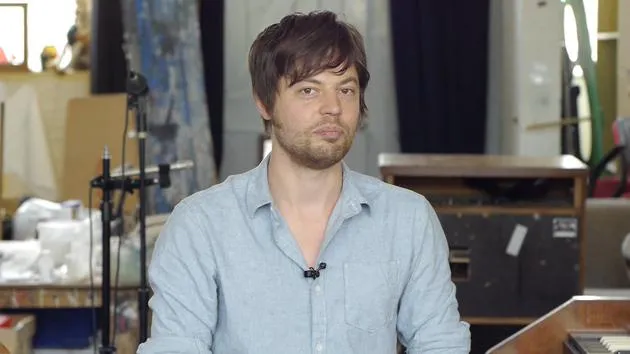
Joe Glossop is a keyboard player from Sheffield who has made his name on the Hammond organ. He currently holds the organ chair in Tom Jones's touring band, and has played with Van Morrison and James Hunter, as well as on piano and Rhodes. His courses get the real Hammond sound out of any keyboard - drawbar registration, the Leslie, the walking-bass left hand, and the comping and soloing vocabulary of the soul-jazz, blues and rock organ traditions, from Jimmy Smith to Booker T.