



Quelles techniques hammond fonctionnent sur les clones ?
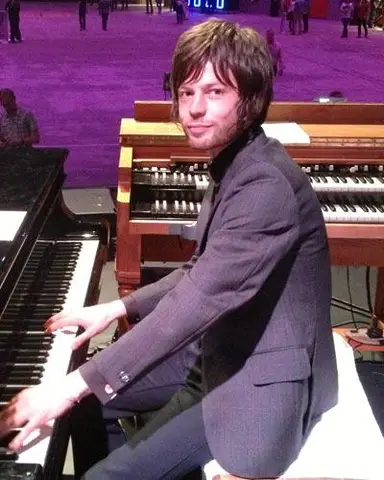
Lesson time: (1min 50sec)
Joe Glossop montre quelles techniques Hammond classiques se transposent aux clones numériques, en le démontrant sur le plus limité Nord Electro 5D.
Course preview
This lesson is part of the course Joue de l'orgue Hammond de façon authentique
Watch a preview of the full course below.
Lesson transcript:
Techniques for Hammond and Digital Clones
In our previous discussion, we explored specific techniques that are characteristic of Hammond organs, many of which can also be applied to digital clones. Let's review some of these techniques:
Key Techniques
-
Quickly Repeated Note with Percussion
This technique translates well to digital versions. The reproduction is quite faithful. -
Held Note with Drawbar Variations
The digital clones also handle this well.
Tip: If I set it to slow, without vibrato or percussion, you can really hear the drawbar variations. -
Leslie Simulation
The simulation isn't bad at all. While it can't replicate the physical act of moving air and placing a mic in front of it, you can get reasonably close.
Recommendation
If you have a chance to visit a studio or a friend who owns a real Hammond, I highly encourage you to give it a try. You'll have a lot of fun!
Conclusion
In the meantime, using digital clones is a very good starting point for practicing and exploring these techniques.
About the instructor
Joe Glossop est un claviériste de Sheffield qui s'est fait un nom à l'orgue Hammond. Il occupe actuellement le poste d'organiste dans le groupe de tournée de Tom Jones, et a joué avec Van Morrison et James Hunter, ainsi qu'au piano et au Rhodes. Ses cours permettent de tirer le véritable son Hammond de n'importe quel clavier : le réglage des drawbars, le Leslie, la basse walking à la main gauche, et le vocabulaire d'accompagnement et de solo des traditions de l'orgue soul-jazz, blues et rock, de Jimmy Smith à Booker T. read more