Getting production help with no money

With
Katie MeluaHow to build advice and mentoring relationships with experienced producers when you're early in your career and have no budget to pay for production.
What's in the course
40 lessons (2h 33m) · 1 free
01. Getting started, open mics and unpaid gigs
2:10
02. Becoming local heroes and booking tours
6:12
03. Getting creative about gigs
3:44
04. Stagecraft – Jeremy from Everything Everything
2:21
05. Capitalising on your audience
4:50
06. Engaging Direct to Fan
5:32
07. Knowing your online audience and using data effectively
10:31
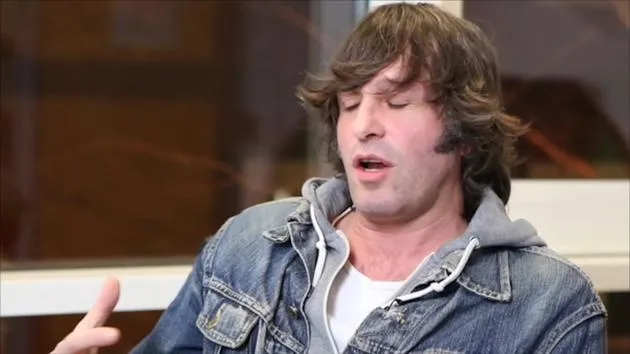
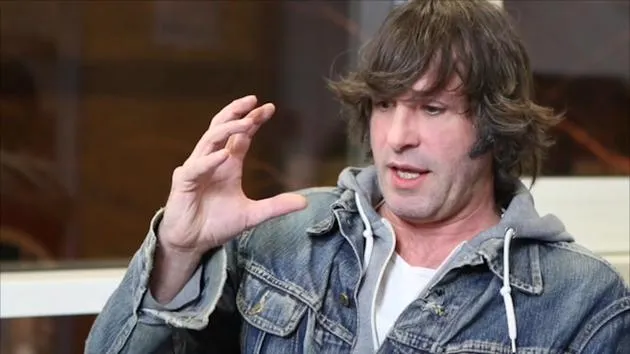
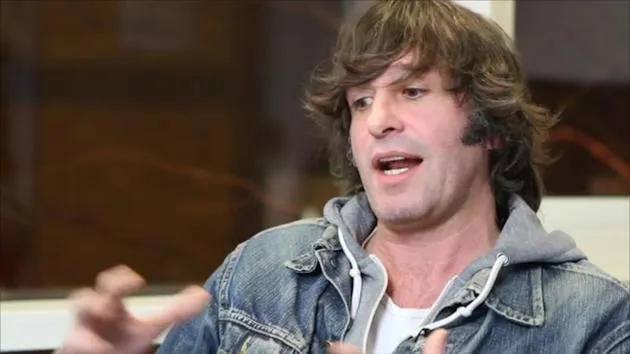
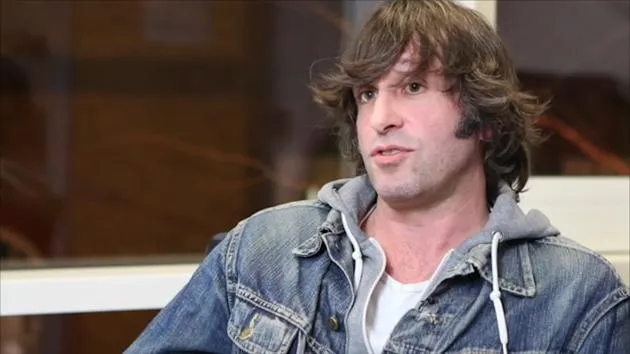
Lesson transcript
Building Relationships with Producers
So, I think there will be a lot of artists who will listen to what I've been talking about and think:
- "Well, I can't get involved with the producer. I have no money, I have no budget."
That's not something you need to necessarily worry about. I have relationships with artists that, at the moment, there's no chance we're going to work together because they haven't got any money to afford to work with me. And that's just not viable for me. But it doesn't mean I can't start developing that relationship from now, so that when they are ready to make records with me, they can say:
- "Okay, I've managed to get some budget together so I can help them."
It's a gamble on my part because they might decide that, at a certain point, they're going to work with somebody else. But hopefully, my thinking is that you develop this relationship, and everything I'm coaching them and talking to them about aligns with their preferences. So it's kind of like:
- "Well, that's the person. Of course I'll work with them."
Communication and Collaboration
For a lot of artists, I communicate purely via email. They'll send me links to private SoundCloud accounts with just little ideas they've got. I'll respond with suggestions, saying:
- "I think you should be doing this" or "I think you should be doing that."
There are cases where artists have said, "Look, we'd love to work with you, but we simply haven't got the budget."
The Influence of Technology
Quite often, because the technology is so cheap now, people can get it on their own laptops. You can get free versions of Pro Tools and all sorts. I think this is a downside as well. Many artists have gotten so used to recording themselves in their bedrooms that they feel they can do it all themselves.
I really don't think that's advisable; while it's possible, it's not necessarily a good idea. I believe you always need someone to bounce ideas off, and that's always better. However, if that's the route you want to go and you're forced to record yourself, that doesn't mean you can't work with a producer.
Coaching and Remote Work
I can also coach you on better ways to make your recording. I can provide input like:
- "That's going to cost you loads less."
- "We won't have as good a record, I don't think," but I can say, "If that's what you want to do, don't record it like that. Try this and try that and use this."
You might be making a massive mistake, and I can coach remotely. However, I don't prefer that, because I don't believe there's any substitute for getting people in a room, particularly a producer and an artist, and getting really intense and immersed in what you're doing.
The Importance of Presence
My role is akin to that of a film director; I can observe and hear what we've set out to make as a record, and I can try to pull the best out from the artist. I don't think you can ever substitute that.
I'm not a fan of a lot of remote session setups where you send someone a track, and they just send you back a bass track. I don't really like any of that. You need to be in a room for me.
Finding Ways to Collaborate
But if you really need to, there are lots of ways that you can talk to the producer you want to work with. They can start helping you from that early process. Then, they can probably come on board at a later stage when you've got some ideas worked out, or after you've done a bit of recording.
Together, you can add to the project, or they can come in and help finish it off and mix it. Again, I'm not promoting this; it's not what I prefer to do. Yet, if there really isn't any other way and you genuinely want to collaborate, there's always a way.
There aren't any limits to how you can work with a producer, and every case is different. You can always find a way.
40 lessons
2h 33m of structured video lessons
Advanced video features
Slow down, loop a passage, follow along
Mobile, tablet & desktop
Practise wherever you are
100% satisfaction guarantee
30-day money-back guarantee
Meet your guru
Meet your guru
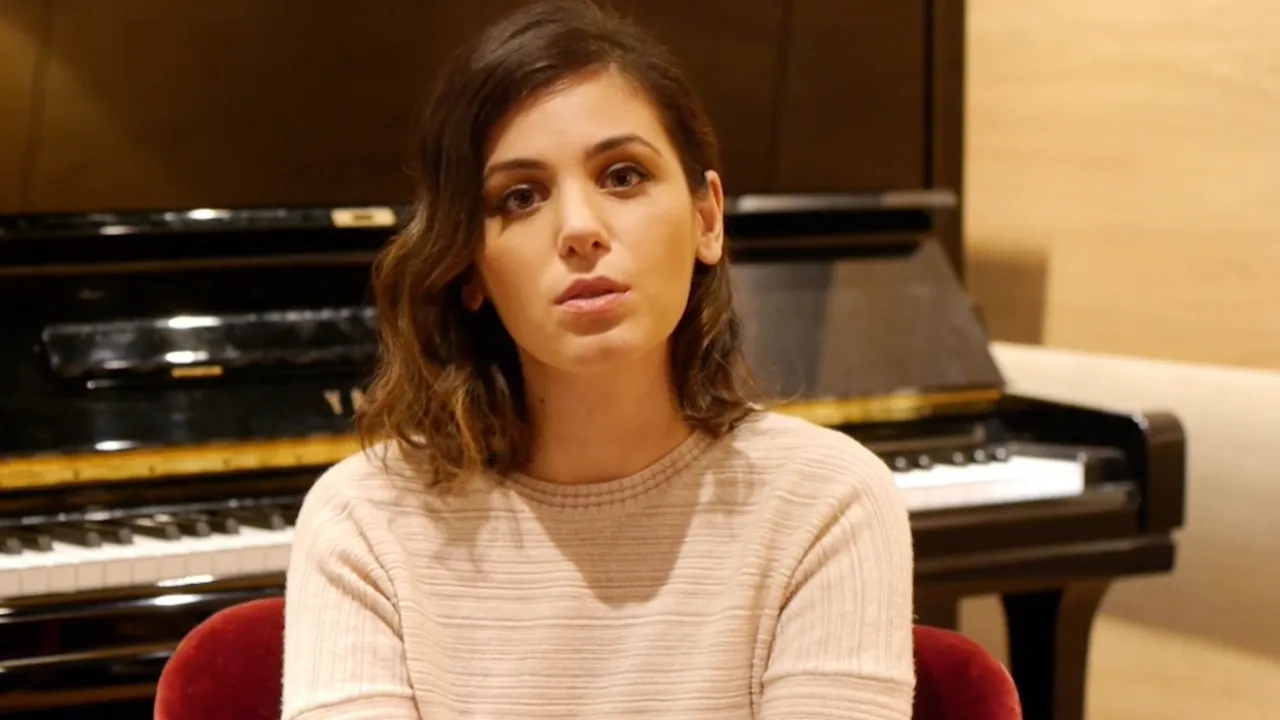
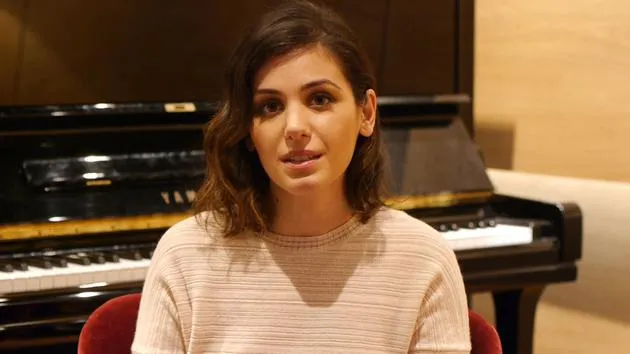
Katie Melua is one of the UK's most successful recording artists, with more than 11 million albums sold worldwide and a string of multi-platinum releases. Born Ketevan Melua in Kutaisi, Georgia, in 1984, she moved with her family to Belfast as a child and later studied at the BRIT School in London, where she was discovered by songwriter and producer Mike Batt.
Her debut album 'Call Off the Search' (2003), released when she was 19, spent six weeks at No. 1 in the UK and went six-times platinum, driven by the hit single 'The Closest Thing to Crazy'. Its follow-up 'Piece by Piece' (2005) topped charts across Europe and featured her signature song 'Nine Million Bicycles'. In 2006 she earned a place in the Guinness World Records book by playing the deepest underwater concert ever staged, 303 metres below sea level on a North Sea gas platform.
A remarkable run of top-ten albums followed — 'Pictures' (2007), the William Orbit-produced 'The House' (2010), 'Secret Symphony' (2012) and 'Ketevan' (2013) — as Melua refined a sound that moves effortlessly between jazz, folk and classic pop songwriting. 'In Winter' (2016), recorded in Georgia with the Gori Women's Choir and produced by Melua herself, revealed a new depth to her artistry.
Her recent work is her most personal: 'Album No. 8' (2020) and 'Love & Money' (2023) drew some of the strongest reviews of her career, and 'Live at the Royal Albert Hall' (2024) celebrated two decades at the top of British music. She remains a captivating live performer, touring extensively across Europe and beyond.