Industry Overview from music journalist Chris Cooke

With
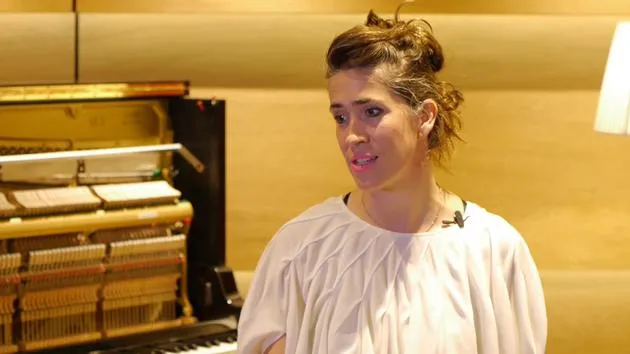
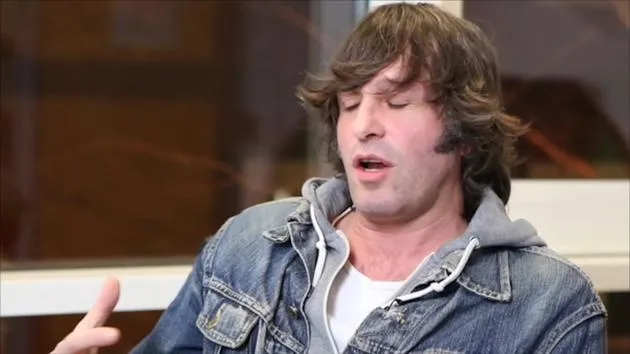
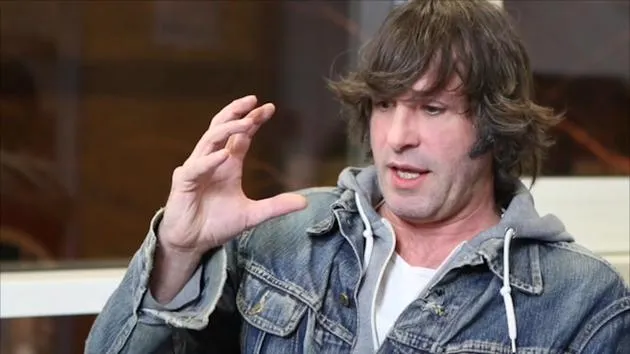
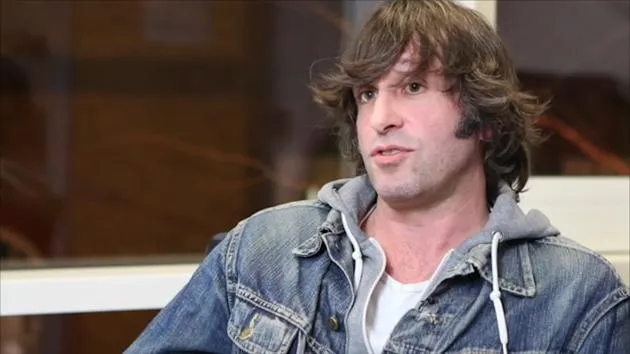
Katie MeluaChris Cooke of industry bulletin Complete Music Update gives his overview of where the music business is heading, and what those trends mean for your career.

What's in the course
40 lessons (2h 33m) · 1 free
01. Getting started, open mics and unpaid gigs
2:10

02. Becoming local heroes and booking tours
6:12

03. Getting creative about gigs
3:44

04. Stagecraft – Jeremy from Everything Everything
2:21

05. Capitalising on your audience
4:50
06. Engaging Direct to Fan
5:32

07. Knowing your online audience and using data effectively
10:31


















Lesson transcript
Music Industry Insights with Chris Cook
Introduction
I'm Chris Cook, the MD and business editor of Complete Music Update. We provide services to the music industry, best known for our news and information services. We have a daily bulletin called the CMU Daily, which is free, so everyone watching should sign up!
The State of Recorded Music
It's certainly true to say that recorded music is bringing in less money than it did in the 1990s, the heyday of the CD. Depending on how you do the math, recorded music worldwide brings in probably about half of what it did in the 1990s, possibly up to two-thirds in terms of revenue.
Recorded Music Revenue Trends
-
Historical Decline (2000-2010):
- Recorded music revenues went down every year.
- Major issues included:
- Online piracy.
- Supermarkets forcing profit margins down.
- The proliferation of music TV reducing the incentive to pay for music.
-
Current Status (2010-Present):
- Worldwide revenues have been more or less flat.
- CD sales continue to decline.
- Vinyl is up, though still a small part of the market.
- Downloads are significantly declining.
- Growth Areas:
- Streaming, particularly subscription services, rather than free services.
Revenue vs. Profit
- We're discussing revenue, not profit.
- For record companies, revenues may be flat, but digital is more profitable than physical.
- There are still significant costs associated with recording, distributing, and marketing new albums.
- However, distribution through streaming platforms is cheaper than selling CDs in shops.
Beyond Recorded Music
We are only talking about the recorded music sector. The music industry is much broader, encompassing:
- Copyright in Songs:
- Publishing income linked to recordings and other sources.
- Live Music:
- Experienced growth during the decade of recorded music decline.
- Merchandise and Brand Partnerships:
- Diversifying income sources for artists.
Opportunities for Artists
As an artist, it remains incredibly challenging to achieve commercial success, particularly for new artists. You are likely to make less from recordings than successful artists did 20 years ago. However, other revenue streams are on the rise, providing ample opportunities.
Evolving Record Deals
The main challenge for the music industry isn't just the decline in recorded music revenues over the last 15 years.
-
The Shift:
- Record labels traditionally invested entirely in one revenue stream.
- Now, they often seek a cut of other revenue streams such as merchandise or brand partnerships.
-
360-Degree Deals:
- Many of these deals are traditional record deals with additional clauses for merch and other revenue sources.
-
Future Opportunities:
- Labels could reinvent the way they collaborate with artists and managers.
- A focus on direct-to-fan strategies could create a sustainable business model.
- Evolution is at the beginning stage, and innovative management-led initiatives are likely to emerge.
The Future of Music Consumption
-
Streaming Growth:
- Streaming is expected to continue growing.
-
Messaging Apps:
- There is a potential trend toward consuming content through messaging apps, with Asian markets leading the way.
- Artists face new challenges in building fan bases on platforms like WhatsApp.
-
Virtual Reality:
- While often met with skepticism, there are indications it may find its footing in the market.
- CMU is observing developments in this space with cautious interest.
Conclusion
In summary, while the recorded music industry faces challenges and declines in certain areas, there are still opportunities for artists willing to innovate and adapt. The evolution of industry dynamics, consumption platforms, and revenue streams provides a landscape ripe for exploration and growth. I remain optimistic about the future of direct-to-fan relationships and the ongoing evolution of label deals.
40 lessons
2h 33m of structured video lessons
Advanced video features
Slow down, loop a passage, follow along
Mobile, tablet & desktop
Practise wherever you are
100% satisfaction guarantee
30-day money-back guarantee
Meet your guru
Meet your guru
Katie Melua is one of the UK's most successful recording artists, with more than 11 million albums sold worldwide and a string of multi-platinum releases. Born Ketevan Melua in Kutaisi, Georgia, in 1984, she moved with her family to Belfast as a child and later studied at the BRIT School in London, where she was discovered by songwriter and producer Mike Batt.
Her debut album 'Call Off the Search' (2003), released when she was 19, spent six weeks at No. 1 in the UK and went six-times platinum, driven by the hit single 'The Closest Thing to Crazy'. Its follow-up 'Piece by Piece' (2005) topped charts across Europe and featured her signature song 'Nine Million Bicycles'. In 2006 she earned a place in the Guinness World Records book by playing the deepest underwater concert ever staged, 303 metres below sea level on a North Sea gas platform.
A remarkable run of top-ten albums followed — 'Pictures' (2007), the William Orbit-produced 'The House' (2010), 'Secret Symphony' (2012) and 'Ketevan' (2013) — as Melua refined a sound that moves effortlessly between jazz, folk and classic pop songwriting. 'In Winter' (2016), recorded in Georgia with the Gori Women's Choir and produced by Melua herself, revealed a new depth to her artistry.
Her recent work is her most personal: 'Album No. 8' (2020) and 'Love & Money' (2023) drew some of the strongest reviews of her career, and 'Live at the Royal Albert Hall' (2024) celebrated two decades at the top of British music. She remains a captivating live performer, touring extensively across Europe and beyond.