Getting a label deal

With
Katie Melua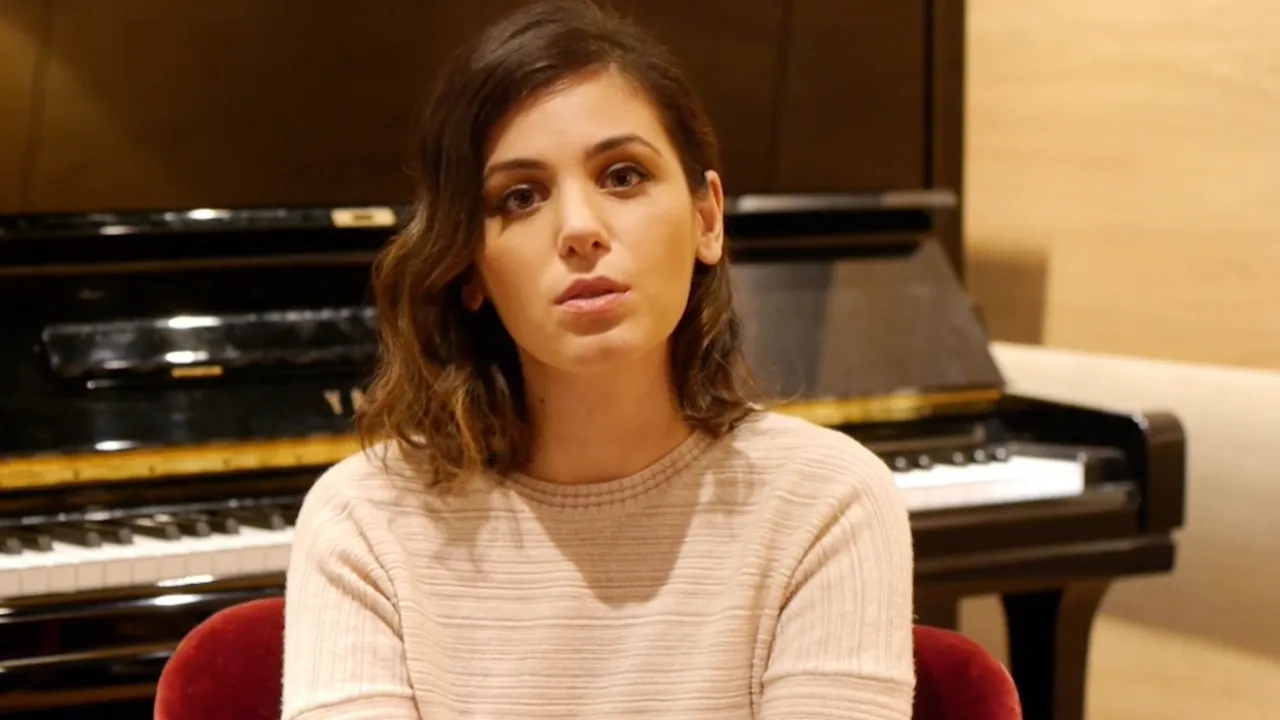
What's in the course
40 lessons (2h 33m) · 1 free
01. Getting started, open mics and unpaid gigs
2:10
02. Becoming local heroes and booking tours
6:12
03. Getting creative about gigs
3:44
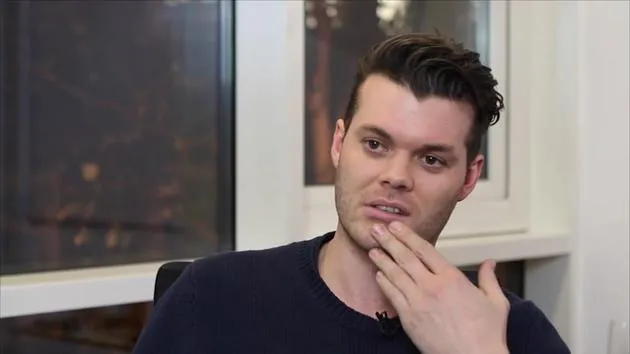
04. Stagecraft – Jeremy from Everything Everything
2:21
05. Capitalising on your audience
4:50
06. Engaging Direct to Fan
5:32
07. Knowing your online audience and using data effectively
10:31


Lesson transcript
The Evolving Landscape of the Music Industry
Chances are you'll have a manager and an agent before a label. However, the record company is often the first business to invest a serious amount of money in you, your career, and your business as an artist.
Current Industry Trends
Generally, labels are signing artists later than they used to. They are looking for artists who:
- Can play in bigger venues
- Have a larger fan base
In the 90s, a bit of buzz, great songs, and a couple of energetic performances might have been enough to secure investment from a label.
Expectations from Labels Today
Now, labels are looking for more. While the A&R might want to sign you based on your songs and performance, within the record company, especially larger ones, there will be people in business affairs asking key questions, such as:
- How many fans do you have?
- How many records can you sell?
- How many tickets can you shift?
You need to do more of that.
The Financial Climate of Record Labels
This shift is partly due to the fact that labels have less money; recorded music generates less revenue than it did in the past. Record companies predominantly secure their investment by selling records.
Because they sell fewer records, make less money, and have less profit, they are investing more wisely. Consequently, they are looking for artists to do more work themselves.
The Impact of the Internet
However, artists today can do things that were not possible in the 90s. Even before the rise of the World Wide Web, labels faced financial troubles but couldn't expect artists to distribute their content easily.
- Pressing CDs was expensive.
- Getting CDs into record shops was difficult.
- Gigging required local venue knowledge, and promoting gigs outside of your hometown was challenging.
You could only expect artists to manage so much, often relying on basic tools like photocopiers at local libraries.
The Dual Nature of Current Music Industry Expectations
So, this change in expectations is twofold:
-
Cautious Label Investment: Labels are more careful with their money and tend to invest later.
-
Increased Artist Independence: Artists can now do more on their own, which also leads to the expectation that they will.
While this increase in responsibility can feel like more work, creating a downside, the upside is that when artists start to negotiate initial deals, they are often further along in their journey.
Advantages for New Artists
This means you gain a stronger negotiating position.
However, it doesn't necessarily guarantee:
- More money
- Ownership of your copyright
These are the things that managers and seasoned artists often stress artists should focus on.
Building Your Fan Base
Nevertheless, artists will likely have a clearer idea of their fan base and already established social media presence, allowing for more ongoing conversations.
This connection provides artists with:
- Greater control even once a label and other business partners come on board
- An opportunity to have more influence over the business side of their work
If you're an entrepreneurial artist, having greater control can be incredibly exciting.
Conclusion
In conclusion, if you are an entrepreneurial artist, this is arguably the best time to be a new act in the music industry.
40 lessons
2h 33m of structured video lessons
Advanced video features
Slow down, loop a passage, follow along
Mobile, tablet & desktop
Practise wherever you are
100% satisfaction guarantee
30-day money-back guarantee
Meet your guru
Meet your guru
Katie Melua is one of the UK's most successful recording artists, with more than 11 million albums sold worldwide and a string of multi-platinum releases. Born Ketevan Melua in Kutaisi, Georgia, in 1984, she moved with her family to Belfast as a child and later studied at the BRIT School in London, where she was discovered by songwriter and producer Mike Batt.
Her debut album 'Call Off the Search' (2003), released when she was 19, spent six weeks at No. 1 in the UK and went six-times platinum, driven by the hit single 'The Closest Thing to Crazy'. Its follow-up 'Piece by Piece' (2005) topped charts across Europe and featured her signature song 'Nine Million Bicycles'. In 2006 she earned a place in the Guinness World Records book by playing the deepest underwater concert ever staged, 303 metres below sea level on a North Sea gas platform.
A remarkable run of top-ten albums followed — 'Pictures' (2007), the William Orbit-produced 'The House' (2010), 'Secret Symphony' (2012) and 'Ketevan' (2013) — as Melua refined a sound that moves effortlessly between jazz, folk and classic pop songwriting. 'In Winter' (2016), recorded in Georgia with the Gori Women's Choir and produced by Melua herself, revealed a new depth to her artistry.
Her recent work is her most personal: 'Album No. 8' (2020) and 'Love & Money' (2023) drew some of the strongest reviews of her career, and 'Live at the Royal Albert Hall' (2024) celebrated two decades at the top of British music. She remains a captivating live performer, touring extensively across Europe and beyond.