



Le monde du Sync

Avec
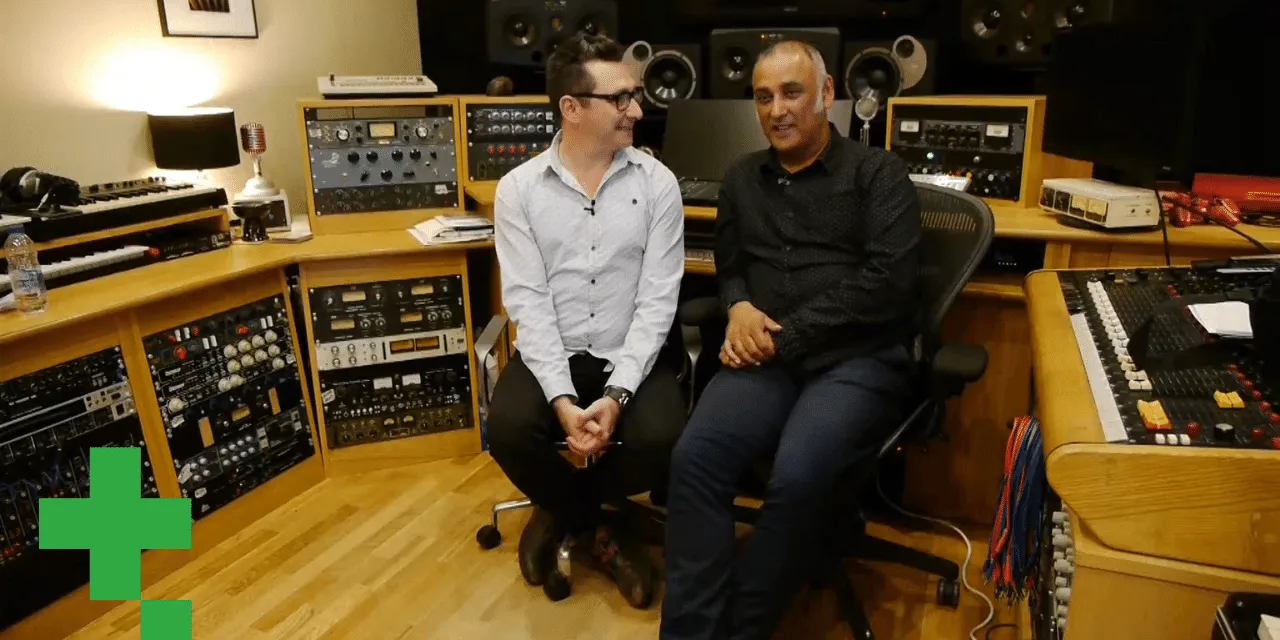
Jay MistryJay Mistry explique le sync, le mariage commercial de la musique et de l'image animée, le fonctionnement des licences, ainsi que la place de la MCPS et de la musique de librairie.
Le contenu du cours
21 leçons (4h 21min) · 1 gratuites
01. Introduction avec Harry Leckstein et Jay Mistry
11:37
02. Une brève histoire de l'édition musicale
6:10
03. Copyright (types de droits) et royalties
Leçon gratuite11:19
04. Conseils aux artistes : se faire payer et travailler avec les éditeurs
15:35
05. Avances, exclusivité et types de contrats d'édition
14:27
06. Se lancer par soi-même
3:01
07. Le marché du jeu vidéo
2:55
08. Comprendre les contrats d'édition
11:51
09. Le monde du Sync
Tu es ici8:23
10. Branding sonore et qu'est-ce qu'un brief. Étude de cas : Ollie Raphael
3:54
11. Décrypteur du jargon du Sync et briseur de mythes
8:38
12. Comprendre les rôles au sein de l'industrie de la télé et du cinéma
11:43
13. Derniers conseils
9:43

01. Entretien avec Ollie Raphael : Delicious Digital et le travail avec la radio
11:38

02. Entretien avec Dan Mallender (Phase Music) - Musique, promos et bandes-annonces pour les industries de la TV, de la radio, du cinéma et du jeu vidéo
16:04

03. Entretien avec Rachel Menzies - Supervision musicale
11:19
04. Entretien avec Richard Ford (Anger Music) - Travailler avec des compositeurs
16:23

05. Entretien avec Stuart Belsham - Découvrir la PRS
37:15
06. Entretien avec Alessio Nanni (via Skype) - Pianiste et compositeur
15:02
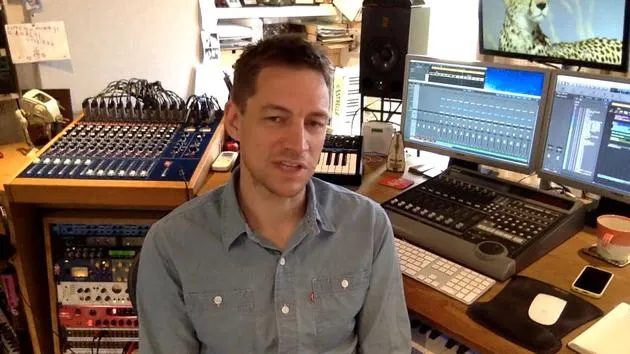
07. Entretien avec Rob Manning (par Skype) - Compositeur pour le cinéma et la TV
15:23

08. Entretien avec Xiaotian Shi (via Skype) - Compositeur pour le cinéma et la TV
18:40
Transcription de la leçon
Understanding Sync and Licensing in Music
Definition of Sync
Synchronization, or sync, is essentially the commercial marriage of music to moving images.
Licensing Explained
Licensing, on the other hand, encompasses various scenarios:
- Within a record company: Licensing a song for a compilation.
- TV programs or films: The use of a song in different media.
In essence, licensing is the legal process you go through to allow someone to use your music in another context.
Commercial and Ethical Considerations
When discussing sync, we also need to consider:
- Commercial considerations: How your music will be used and associated.
- Ethical considerations: Some artists may have specific brands they prefer not to be associated with.
Quote: "In publishing contracts, you often find clauses that allow you to specify certain brands you don't want to sync your music with."
Syncing and Library Music
Differences Between Commercial Tracks and Library Music
- Commercial tracks are existing recordings licensed for use in various projects.
- Library music is specially composed for TV, film, or media, making it readily available for sync.
Instrumental vs. Vocal Music
What Percentage is Synced?
- Approximately 80% of synced music is instrumental.
- About 20% is vocal.
Typically, themes in media may include vocals for interest, but background music, especially during dialogue, tends to be instrumental to avoid distraction.
Composing for the Sync Market
Getting Started
To showcase your work in the sync market:
- Research briefs: Some websites offer opportunities to submit compositions.
- Write to existing footage: Use film or trailer clips to create original music without listening to existing scores.
Tip: Always credit your work appropriately, and if you showcase music and visuals together, ensure you have permission if you intend to monetize it.
Collaboration with Film Schools
Reaching out to film schools is a great way to find opportunities:
- Team up with students working on short films to create original scores.
Balance Between MCPS and Library Music
Understanding Royalties
In the UK:
- Joining MCPS (Mechanical-Copyright Protection Society) provides access to a network of broadcasters.
- If you're part of MCPS, you're bound by their rate card, which means you cannot negotiate your own rates.
Criteria for Being a Library:
- Typically requires a minimum of around 30 tracks.
Publishers and Libraries
An individual can function as a library by joining as a publisher, but:
- Being a non-MCPS member allows you to negotiate your fees directly with networks, though it may require significant effort.
Broadcaster Preferences
From a broadcaster's perspective:
- They tend to prefer MCPS libraries due to the streamlined negotiation process and the efficiency it offers in selecting music.
Closing Thought: It ultimately hinges on the desirability of your music. If it's in high demand, broader negotiations may take place, but MCPS offers a simpler solution for many broadcasters.
21 leçons
4h 21m de leçons vidéo structurées
Fonctions vidéo avancées
Ralentissez, bouclez un passage, suivez la partition
Mobile, tablette et ordinateur
Pratiquez où vous voulez
Satisfaction garantie à 100 %
Garantie remboursement 30 jours
Rencontrez votre guru
Rencontrez votre guru
Jay Mistry est un vétéran de l'industrie musicale fort de 30 ans d'expérience et maîtrise la plupart des aspects du business de la musique.
Jay a débuté sa carrière à la Performing Right Society avant de rejoindre BMG Music Publishing, où on lui a demandé de créer de toutes pièces le département de suivi des revenus. En 2003, il a fondé Musical Sleuth Ltd, le premier service indépendant de suivi des royalties de ce type, qui comptait parmi ses clients Eric Clapton et The Beatles.
Ayant maîtrisé les subtilités du copyright et des royalties, Jay s'est vu proposer de devenir Director of Music Services chez The Discovery Channel en 2009. Son succès chez Discovery a conduit les entrepreneurs new-yorkais Jingle Punks à le recruter pour mettre en place et stabiliser leur activité d'édition aux États-Unis tout en développant leur réseau de collecte mondial. Jay conseille aujourd'hui toute une gamme de compositeurs de haut vol, de librairies musicales, de producteurs de cinéma, d'éditeurs et de plateformes technologiques.
Dans A Guide To Music Publishing And Synchronization, Jay distille trois décennies passées au cœur du métier en conseils clairs et pratiques, te montrant comment fonctionnent réellement l'édition, le copyright, les royalties et les accords de sync — et comment les faire travailler pour toi.







