



Une brève histoire de l'édition musicale

Avec
Jay Mistry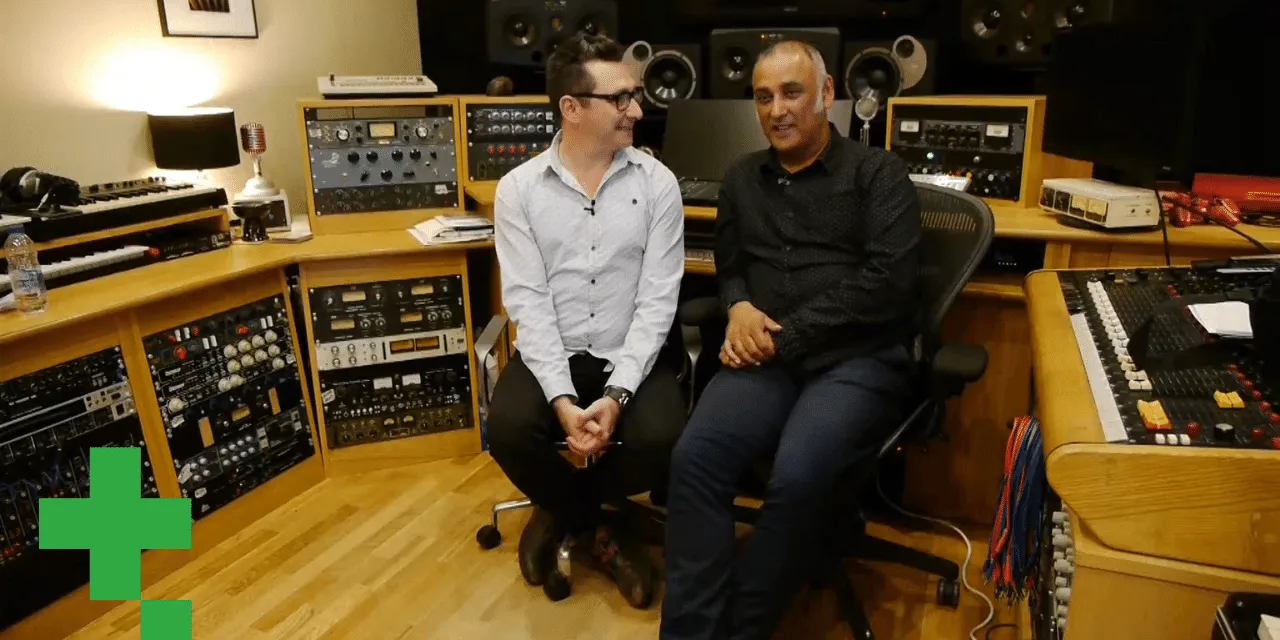
Le contenu du cours
21 leçons (4h 21min) · 1 gratuites
01. Introduction avec Harry Leckstein et Jay Mistry
11:37

02. Une brève histoire de l'édition musicale
Tu es ici6:10
03. Copyright (types de droits) et royalties
Leçon gratuite11:19

04. Conseils aux artistes : se faire payer et travailler avec les éditeurs
15:35
05. Avances, exclusivité et types de contrats d'édition
14:27
06. Se lancer par soi-même
3:01

07. Le marché du jeu vidéo
2:55

08. Comprendre les contrats d'édition
11:51
09. Le monde du Sync
8:23
10. Branding sonore et qu'est-ce qu'un brief. Étude de cas : Ollie Raphael
3:54
11. Décrypteur du jargon du Sync et briseur de mythes
8:38
12. Comprendre les rôles au sein de l'industrie de la télé et du cinéma
11:43
13. Derniers conseils
9:43

01. Entretien avec Ollie Raphael : Delicious Digital et le travail avec la radio
11:38

02. Entretien avec Dan Mallender (Phase Music) - Musique, promos et bandes-annonces pour les industries de la TV, de la radio, du cinéma et du jeu vidéo
16:04

03. Entretien avec Rachel Menzies - Supervision musicale
11:19
04. Entretien avec Richard Ford (Anger Music) - Travailler avec des compositeurs
16:23

05. Entretien avec Stuart Belsham - Découvrir la PRS
37:15
06. Entretien avec Alessio Nanni (via Skype) - Pianiste et compositeur
15:02
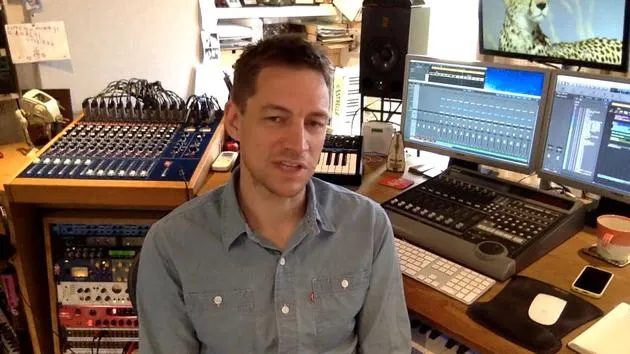
07. Entretien avec Rob Manning (par Skype) - Compositeur pour le cinéma et la TV
15:23

08. Entretien avec Xiaotian Shi (via Skype) - Compositeur pour le cinéma et la TV
18:40
Transcription de la leçon
A Brief History of the Modern Day Music Industry
The Beginnings
So let's go back and look at a very short history of the modern music industry. Where did it begin and what triggered it?
-
Music has been around for thousands of years.
-
It wasn't until the Renaissance period and the birth of printing that music and music publishing really came to the fore.
This was primarily because:
-
Before printing, music was handwritten, making it difficult to duplicate and access.
The Impact of Printing
- With the advent of printing, music became easier to reproduce.
- This led to the monetization of selling sheet music, essentially forming the basis of music publishing.
- The beginnings of copyright emerged around the time of Queen Anne and Henry VII when creators received recognition and royalties for their printed works.
Notable Figures
- King Henry VIII was a pioneer in protecting music printing, asserting that access to sheet music required payment.
- Copyright applies to a number of areas, including music, written words, and art.
Advances in Music Publishing
Originally, the focus was on the written word, as printing music was quite complex due to the scales and notations. However, as printing technology improved (through lithography, brass, and metal printing), duplicating music became more efficient and led to the establishment of a business model.
The Early 20th Century
Evolution of Music Monetization
Now, let's track forward to the early 20th century. In the last hundred years, several factors impacted publishing and copyright:
- With sheet music more accessible, music traveled further.
- Composers sought to monetize their work, leading to the formation of partnerships.
- The first notable partnerships were established by composers like Sassen from France and others from Italy and Germany.
The Rise of Copyright Importance
Copyright became essential for ensuring that creators were paid for their works.
"Music publishing or music is no different to a widget. If you invent it normally, there's a royalty involved whenever it comes to selling that widget."
Industrialization of the Music Industry
In the early part of the 20th century:
- The invention of shellac and vinyl propelled music's accessibility.
- This brought about the concept of duplication; for the first time, single recordings were manufactured in multiple copies.
Establishment of MCPS
- The Mechanical Copyright Protection Society (MCPS) was created, focusing on the royalties tied to the replication of records.
- It applies to various formats like CDs, 8-tracks, and MP3s today.
The Role of Broadcasting
This evolution meant that music could be disseminated widely, especially with the advent of radio and television.
- Music exposure increased through different media: radio, TV, and eventually online platforms.
Performance Royalties
-
The broadcasting of music introduced another royalty payment known as the performance rate.
-
Initially centered around live performances (like string quartets), this concept expanded to include various formats of music consumption today:
- Live performances
- Broadcast music
- Radio
As we move forward, the ways of generating performance income have diversified, reflecting the evolving landscape of the music industry.
21 leçons
4h 21m de leçons vidéo structurées
Fonctions vidéo avancées
Ralentissez, bouclez un passage, suivez la partition
Mobile, tablette et ordinateur
Pratiquez où vous voulez
Satisfaction garantie à 100 %
Garantie remboursement 30 jours
Rencontrez votre guru
Rencontrez votre guru
Jay Mistry est un vétéran de l'industrie musicale fort de 30 ans d'expérience et maîtrise la plupart des aspects du business de la musique.
Jay a débuté sa carrière à la Performing Right Society avant de rejoindre BMG Music Publishing, où on lui a demandé de créer de toutes pièces le département de suivi des revenus. En 2003, il a fondé Musical Sleuth Ltd, le premier service indépendant de suivi des royalties de ce type, qui comptait parmi ses clients Eric Clapton et The Beatles.
Ayant maîtrisé les subtilités du copyright et des royalties, Jay s'est vu proposer de devenir Director of Music Services chez The Discovery Channel en 2009. Son succès chez Discovery a conduit les entrepreneurs new-yorkais Jingle Punks à le recruter pour mettre en place et stabiliser leur activité d'édition aux États-Unis tout en développant leur réseau de collecte mondial. Jay conseille aujourd'hui toute une gamme de compositeurs de haut vol, de librairies musicales, de producteurs de cinéma, d'éditeurs et de plateformes technologiques.
Dans A Guide To Music Publishing And Synchronization, Jay distille trois décennies passées au cœur du métier en conseils clairs et pratiques, te montrant comment fonctionnent réellement l'édition, le copyright, les royalties et les accords de sync — et comment les faire travailler pour toi.







