



Entretien avec Stuart Belsham - Découvrir la PRS

Avec
Jay MistryUn entretien de 40 minutes avec Stuart Belsham, de PRS for Music, sur ce que fait la PRS, comment elle collabore avec les éditeurs et comment en devenir membre.
Le contenu du cours
21 leçons (4h 21min) · 1 gratuites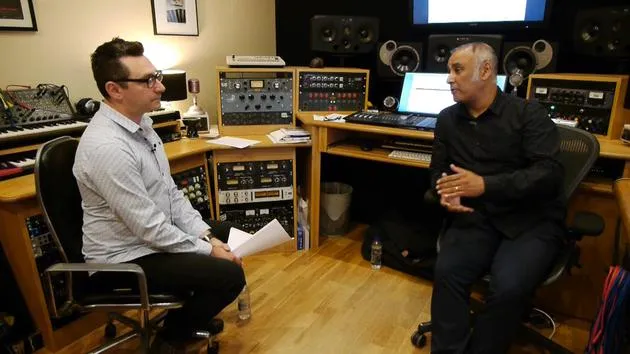
01. Introduction avec Harry Leckstein et Jay Mistry
11:37
02. Une brève histoire de l'édition musicale
6:10
03. Copyright (types de droits) et royalties
Leçon gratuite11:19
04. Conseils aux artistes : se faire payer et travailler avec les éditeurs
15:35
05. Avances, exclusivité et types de contrats d'édition
14:27
06. Se lancer par soi-même
3:01
07. Le marché du jeu vidéo
2:55
08. Comprendre les contrats d'édition
11:51
09. Le monde du Sync
8:23
10. Branding sonore et qu'est-ce qu'un brief. Étude de cas : Ollie Raphael
3:54
11. Décrypteur du jargon du Sync et briseur de mythes
8:38
12. Comprendre les rôles au sein de l'industrie de la télé et du cinéma
11:43
13. Derniers conseils
9:43

01. Entretien avec Ollie Raphael : Delicious Digital et le travail avec la radio
11:38

02. Entretien avec Dan Mallender (Phase Music) - Musique, promos et bandes-annonces pour les industries de la TV, de la radio, du cinéma et du jeu vidéo
16:04

03. Entretien avec Rachel Menzies - Supervision musicale
11:19
04. Entretien avec Richard Ford (Anger Music) - Travailler avec des compositeurs
16:23
05. Entretien avec Stuart Belsham - Découvrir la PRS
Tu es ici37:15
06. Entretien avec Alessio Nanni (via Skype) - Pianiste et compositeur
15:02
07. Entretien avec Rob Manning (par Skype) - Compositeur pour le cinéma et la TV
15:23

08. Entretien avec Xiaotian Shi (via Skype) - Compositeur pour le cinéma et la TV
18:40
Transcription de la leçon
Welcome to Tile Yard
Introduction
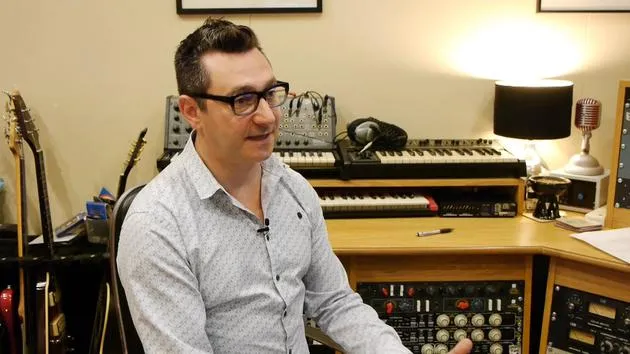
Hello, Stuart. Welcome to Tile Yard. First of all, who are you? What do you do?
Well, I'm Stuart Belsham, I work at PRS for Music and my role is Education and Outreach Manager. Predominantly, I work in East England and the East Midlands area.
Great. And what is PRS?
PRS stands for the Performing Rights Society. It is a royalty collection and distribution society that acts on behalf of songwriters, composers, producers, and music publishers. Our main purpose is to ensure that when their music is used in public, they receive remuneration for it. We collect and license music on their behalf, then pay them royalties.
Different Areas of PRS
In terms of the different areas of PRS, what do they cover within the different departments?
PRS is, to my best knowledge, the largest employer in the music industry with over 600 staff. Internally, we are divided into:
- Front Office
- Back Office
- Membership, which deals with its membership base
Behind that, there are various important departments including:
- Operations
- Distribution
- International Department
Membership Insights
You mentioned that your membership represents composers and publishers. Can you elaborate on your relationship with publishers?
As you rightly say, our membership base includes publishers, songwriters, composers, and producers. Currently, we have about 118,000 members, with the majority being composer and songwriter-based. The number of publisher members is probably between 8,000 to 10,000. Our publishers range from major entities, like Universal, to small independent publishers.
Differentiating PRS and Publishers
What is the difference between PRS and publishers?
PRS collectively manages the rights of songwriters, composers, and publishers to administer on the songwriter's behalf. We license all public uses of music in the UK.
Essentially:
- PRS collects and distributes royalties for public music use, primarily in businesses.
- Publishers enter contracts with composers and songwriters to promote their music across various platforms (advertisements, films, etc.) and facilitate connections between composers and performers.
Simplifying PRS and Publisher Roles
For those confused about the difference:
- PRS handles licensing for media outlets (pubs, clubs, radio, TV) and collects the money to pay composers and publishers.
- Publishers sign songwriters' works and help exploit that music in various areas.
The Role of Reciprocal Deals
I've heard something called reciprocal deals. Can you explain that?
Certainly. PRS licenses in the UK, but every major territory has its own licensing body. For example, in the USA, there's ASCAP and BMI.
When, say, the Foo Fighters (an American band) have their music played in the UK, we collect the income and then send that to the relevant American organization rather than paying the artists directly.
Joining as a Publisher
How can someone join as a publisher, and is it easy?
To become a publishing member, you can self-publish your works. If you're an independent composer, you don't have to join as a publisher. However, if you want to represent others, you'll need:
- A small repertoire of at least 15 works.
- To pay a joining fee of £400.
Additional Membership Information
- Joining as a songwriter costs £100 for PRS and £50 for MCPS (Mechanical Copyright Protection Society).
- You need to have an active repertoire to make membership worthwhile, as our primary role is to license and distribute royalties.
Payments and Royalties
How often do payments happen for composers and publishers?
Payments from PRS occur quarterly. In contrast, MCPS payments can happen as frequently as monthly, depending on the activity of your works.
Payment Systems and Statements
When members receive statements, they should analyze their usage. If they notice missing income, they can raise a query through our membership team.
Membership Queries:
- Members can submit queries online for any discrepancies related to their statements.
Conclusion
Final Thoughts on the Industry
The music industry is experiencing challenges, especially concerning digital income. However, at PRS, we strive to ensure that all songwriters receive proper compensation for their work online.
Thank you, Stuart, for sharing such insightful information!
You're welcome, and it's a pleasure to share my knowledge.
21 leçons
4h 21m de leçons vidéo structurées
Fonctions vidéo avancées
Ralentissez, bouclez un passage, suivez la partition
Mobile, tablette et ordinateur
Pratiquez où vous voulez
Satisfaction garantie à 100 %
Garantie remboursement 30 jours
Rencontrez votre guru
Rencontrez votre guru
Jay Mistry est un vétéran de l'industrie musicale fort de 30 ans d'expérience et maîtrise la plupart des aspects du business de la musique.
Jay a débuté sa carrière à la Performing Right Society avant de rejoindre BMG Music Publishing, où on lui a demandé de créer de toutes pièces le département de suivi des revenus. En 2003, il a fondé Musical Sleuth Ltd, le premier service indépendant de suivi des royalties de ce type, qui comptait parmi ses clients Eric Clapton et The Beatles.
Ayant maîtrisé les subtilités du copyright et des royalties, Jay s'est vu proposer de devenir Director of Music Services chez The Discovery Channel en 2009. Son succès chez Discovery a conduit les entrepreneurs new-yorkais Jingle Punks à le recruter pour mettre en place et stabiliser leur activité d'édition aux États-Unis tout en développant leur réseau de collecte mondial. Jay conseille aujourd'hui toute une gamme de compositeurs de haut vol, de librairies musicales, de producteurs de cinéma, d'éditeurs et de plateformes technologiques.
Dans A Guide To Music Publishing And Synchronization, Jay distille trois décennies passées au cœur du métier en conseils clairs et pratiques, te montrant comment fonctionnent réellement l'édition, le copyright, les royalties et les accords de sync — et comment les faire travailler pour toi.







