



Entretien avec Xiaotian Shi (via Skype) - Compositeur pour le cinéma et la TV

Avec
Jay MistryLe compositeur pour le cinéma et la télévision Xiaotian Shi revient sur la composition de la musique de son thriller Servants Quarter, de la réception du scénario à la livraison de la dernière cue, avec des conseils pour percer dans l'industrie.
Le contenu du cours
21 leçons (4h 21min) · 1 gratuites
01. Introduction avec Harry Leckstein et Jay Mistry
11:37
02. Une brève histoire de l'édition musicale
6:10
03. Copyright (types de droits) et royalties
Leçon gratuite11:19
04. Conseils aux artistes : se faire payer et travailler avec les éditeurs
15:35
05. Avances, exclusivité et types de contrats d'édition
14:27
06. Se lancer par soi-même
3:01
07. Le marché du jeu vidéo
2:55
08. Comprendre les contrats d'édition
11:51
09. Le monde du Sync
8:23
10. Branding sonore et qu'est-ce qu'un brief. Étude de cas : Ollie Raphael
3:54
11. Décrypteur du jargon du Sync et briseur de mythes
8:38
12. Comprendre les rôles au sein de l'industrie de la télé et du cinéma
11:43
13. Derniers conseils
9:43
01. Entretien avec Ollie Raphael : Delicious Digital et le travail avec la radio
11:38
02. Entretien avec Dan Mallender (Phase Music) - Musique, promos et bandes-annonces pour les industries de la TV, de la radio, du cinéma et du jeu vidéo
16:04
03. Entretien avec Rachel Menzies - Supervision musicale
11:19
04. Entretien avec Richard Ford (Anger Music) - Travailler avec des compositeurs
16:23
05. Entretien avec Stuart Belsham - Découvrir la PRS
37:15
06. Entretien avec Alessio Nanni (via Skype) - Pianiste et compositeur
15:02
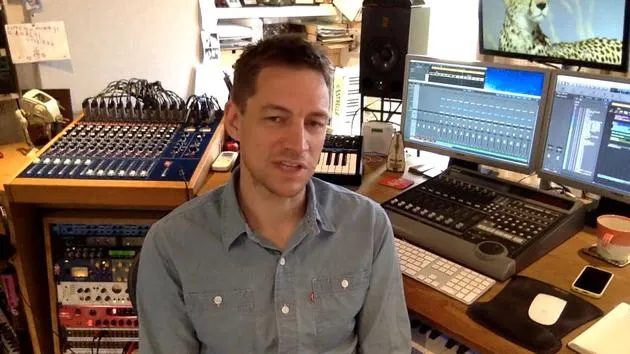
07. Entretien avec Rob Manning (par Skype) - Compositeur pour le cinéma et la TV
15:23

08. Entretien avec Xiaotian Shi (via Skype) - Compositeur pour le cinéma et la TV
Tu es ici18:40
Transcription de la leçon
Music Lesson: Interview with Film Composer Xiaotian Shi
Introduction
Jay: Hello, Xiaotian.
Xiaotian: Hi.
Jay: Hi, Xiaotian, can you just explain to everyone who you are and what you do?
Xiaotian: Sure. My name is Xiaotian Shi and I'm a film composer. I've been working in the media music field for quite a few years, writing scores for feature films, TV shows, library music, and TV commercials, a range of different mediums.
How Xiaotian Got Started
Jay: How did you get into the business in the first place? What was the process?
Xiaotian: I was trained classically as a pianist. Growing up, I wished to be a concert pianist. However, around 14 years old, I discovered the music of John Barry. His scores, like Out of Africa, Dances with Wolves, and Somewhere in Time, really touched me. I became fascinated with his music and even queued up outside the Albert Hall in the pouring rain just to see him perform. I've loved film music ever since.
Jay: What was your first break?
Xiaotian: My first break was working professionally on a Discovery Channel show, Stephen Hawking's Universe, where I collaborated with composer Sheridan Tongue. I was truly inspired by the experience and motivated to continue my work.
Current Projects
Jay: What are you working on currently?
Xiaotian: Most recently, I completed a feature film called Servants Quarter. It's a psychological thriller that features a blend of jump scares, emotional trauma, tension-building moments, and surprising twists. It encompasses a variety of scoring styles, from horror-thriller elements to epic hybrids with emotional undertones, as well as gentle, subtle writing.
The Process of Working on Servants Quarter
Jay: Can you tell us about the process of working on Servants Quarter?
Xiaotian: This was an unusual process for me. Usually, as a composer, I work on a fairly finished cut of the film. However, in this case, I was sent the script early on, before shooting began. The directors wanted me to compose a piece of music so they could choreograph a dance to it, reflecting the main character's emotional changes and traumas.
Inspiration and Composition
Jay: How did you find inspiration?
Xiaotian: I had several chats and coffee meetings with the director before they started shooting. I worked under a specific deadline to complete the score for the dance sequence, along with the main piano theme that recurs throughout the film. It acts like a leitmotif in classical music, showcasing the character's evolving emotional state.
Time and Effort
Jay: How much time did you spend writing the whole score?
Xiaotian: The amount of time spent revising each cue is significantly longer than the initial writing process. I received the script last year and completed the dance sequence by October. I started working on the music for the early cut of the film at the beginning of the year, which took about two months from start to finish.
Balancing Multiple Projects
Jay: While working on a film, do you work on other projects as well?
Xiaotian: I wish I could focus solely on one film at a time. However, sometimes there are delays in film production, which means I have to wait weeks before continuing. During those periods, I work on different projects but try to plan ahead to avoid major clashes.
Advice for Young Composers
Jay: What advice would you give to young composers aspiring to create film scores?
Xiaotian: Writing for film is not just about creating beautiful music that enhances the scene; it's a collaborative experience. You need to work closely with directors and understand the artistic vision of the entire team. This requires flexibility and strong communication skills, as there are many stakeholders whose input can greatly influence the score.
Influence of Temp Scores
Jay: How much influence do you really have over the music?
Xiaotian: Often, directors have a temp score, music they've selected from existing films that they feel fits their project. This can be both beneficial and limiting. While it provides guidance on what the team envisions, it can also lead to "temp love," where they become attached to the original music, making it challenging to propose alternatives.
Software Tips
Jay: Any top tips regarding software for scoring?
Xiaotian: It's not about how much software you have, but how well you know it. Understanding the different sounds and colors available in software is crucial. You can have the best tools, but without the knowledge of utilizing them effectively, the production quality may suffer. My early work with Sound Iron and their sample libraries taught me a lot about production techniques.
Closing Remarks
Jay: Thank you for your time, Xiaotian. Any future projects on the horizon?
Xiaotian: I'm finishing a film called Sinkhole, an American sci-fi adventure featuring Andrew Wilson and a team of promising young stars. The story involves a group of kids who discover a sinkhole.
Jay: Good luck with everything!
Xiaotian: Thank you very much, Jay!
21 leçons
4h 21m de leçons vidéo structurées
Fonctions vidéo avancées
Ralentissez, bouclez un passage, suivez la partition
Mobile, tablette et ordinateur
Pratiquez où vous voulez
Satisfaction garantie à 100 %
Garantie remboursement 30 jours
Rencontrez votre guru
Rencontrez votre guru
Jay Mistry est un vétéran de l'industrie musicale fort de 30 ans d'expérience et maîtrise la plupart des aspects du business de la musique.
Jay a débuté sa carrière à la Performing Right Society avant de rejoindre BMG Music Publishing, où on lui a demandé de créer de toutes pièces le département de suivi des revenus. En 2003, il a fondé Musical Sleuth Ltd, le premier service indépendant de suivi des royalties de ce type, qui comptait parmi ses clients Eric Clapton et The Beatles.
Ayant maîtrisé les subtilités du copyright et des royalties, Jay s'est vu proposer de devenir Director of Music Services chez The Discovery Channel en 2009. Son succès chez Discovery a conduit les entrepreneurs new-yorkais Jingle Punks à le recruter pour mettre en place et stabiliser leur activité d'édition aux États-Unis tout en développant leur réseau de collecte mondial. Jay conseille aujourd'hui toute une gamme de compositeurs de haut vol, de librairies musicales, de producteurs de cinéma, d'éditeurs et de plateformes technologiques.
Dans A Guide To Music Publishing And Synchronization, Jay distille trois décennies passées au cœur du métier en conseils clairs et pratiques, te montrant comment fonctionnent réellement l'édition, le copyright, les royalties et les accords de sync — et comment les faire travailler pour toi.







