



Comprendre les contrats d'édition

Avec
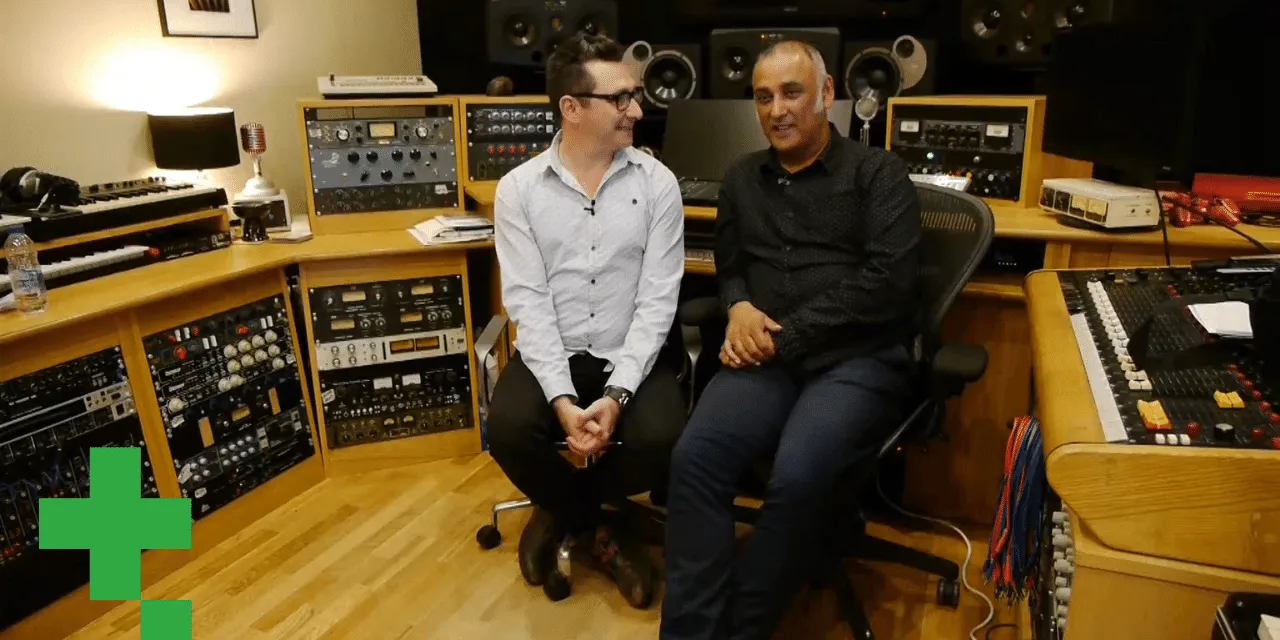
Jay MistryJay Mistry passe en revue les termes clés d'un contrat d'édition - durée, territoire, exclusivité, avances, taux de royalties et garanties - à l'aide d'un contrat type du Musicians' Union.
Le contenu du cours
21 leçons (4h 21min) · 1 gratuites
01. Introduction avec Harry Leckstein et Jay Mistry
11:37
02. Une brève histoire de l'édition musicale
6:10
03. Copyright (types de droits) et royalties
Leçon gratuite11:19
04. Conseils aux artistes : se faire payer et travailler avec les éditeurs
15:35
05. Avances, exclusivité et types de contrats d'édition
14:27
06. Se lancer par soi-même
3:01
07. Le marché du jeu vidéo
2:55
08. Comprendre les contrats d'édition
Tu es ici11:51
09. Le monde du Sync
8:23
10. Branding sonore et qu'est-ce qu'un brief. Étude de cas : Ollie Raphael
3:54
11. Décrypteur du jargon du Sync et briseur de mythes
8:38
12. Comprendre les rôles au sein de l'industrie de la télé et du cinéma
11:43
13. Derniers conseils
9:43

01. Entretien avec Ollie Raphael : Delicious Digital et le travail avec la radio
11:38

02. Entretien avec Dan Mallender (Phase Music) - Musique, promos et bandes-annonces pour les industries de la TV, de la radio, du cinéma et du jeu vidéo
16:04

03. Entretien avec Rachel Menzies - Supervision musicale
11:19
04. Entretien avec Richard Ford (Anger Music) - Travailler avec des compositeurs
16:23
05. Entretien avec Stuart Belsham - Découvrir la PRS
37:15
06. Entretien avec Alessio Nanni (via Skype) - Pianiste et compositeur
15:02
07. Entretien avec Rob Manning (par Skype) - Compositeur pour le cinéma et la TV
15:23

08. Entretien avec Xiaotian Shi (via Skype) - Compositeur pour le cinéma et la TV
18:40
Transcription de la leçon
Understanding Publishing Contracts: Key Points for First-Time Reviewers
Okay, so let's start looking at the publishing contract. We're not going to get into a lot of detail or legalese, but rather focus on how someone like you can advise a person seeing a contract for the first time. Here are some important titles and headings to look out for:
Start Date and End Date (Term)
- Importance: Knowing how long you are in the contract is crucial.
- Typical Length: Usually, the term is three years, which allows ample time to produce music and for publishers to collect royalties.
- Caution: Be wary of contracts longer than three years, such as a five-year deal.
Advance Payments
- Structure: Advances can vary based on whether you're a pure songwriter or writing for an artist.
- Option for Advances: Depending on the artist's albums, advances could be:
- Paid annually or segmented (e.g. £50,000 every term).
- Minimum Song Delivery: Exclusivity agreements often include clauses on the number of songs needed per year to qualify for the next advance.
Important Terms and Clauses
Territory
- Nature of Territory: Usually, contracts are worldwide to allow publishers to collect royalties globally.
- Sub-Publishing Deals: These may be limited to specific territories (e.g., France).
- Inquiry: Ask the publisher about their sub-publishing arrangements to ensure global royalty collection.
Exclusivity
- Definition: An exclusive agreement prevents you from working with other publishing companies.
- Importance: Be aware of what you're signing if the contract states it is exclusive.
Repayment of Advances
- Understanding Repayment: Advances function like loans; they are paid back through royalties collected from your works.
- Money Flow: Before receiving additional funds, the publisher will deduct prior advances from your collected royalties.
Commitment
- Minimum Commitment: Expect an agreement on the minimum number of songs you need to create over a certain period (e.g., 10 or 20 songs).
- Quality Control: Publishers look for releases that have been recorded by artists; you can't just write any songs to meet your commitment.
Royalty Rates
- Importance: Understand how much you will earn from the deal.
- Varied Rates:
- Starting rates might be around 50/50 or 70/30.
- Rate adjustments can be made as you gain recognition.
- Differentiation: Different rates apply for various platforms such as film, TV, or the Internet.
Jurisdiction
- Critical Information: Generally found at the end of contracts, specifying the governing law of the agreement (e.g., California or UK law).
- Caution for UK Composers: If signing US contracts, ensure they are governed by UK law unless you have legal support in the US.
Warranties
- Obligations: Like commitments, warranties outline responsibilities on both sides regarding the quality and fulfillment of the contract.
Conclusion
We've covered several key terms in music publishing contracts. For specific examples of different types of contracts, please refer to the course page. Always ensure you understand each aspect of a contract before signing!
21 leçons
4h 21m de leçons vidéo structurées
Fonctions vidéo avancées
Ralentissez, bouclez un passage, suivez la partition
Mobile, tablette et ordinateur
Pratiquez où vous voulez
Satisfaction garantie à 100 %
Garantie remboursement 30 jours
Rencontrez votre guru
Rencontrez votre guru
Jay Mistry est un vétéran de l'industrie musicale fort de 30 ans d'expérience et maîtrise la plupart des aspects du business de la musique.
Jay a débuté sa carrière à la Performing Right Society avant de rejoindre BMG Music Publishing, où on lui a demandé de créer de toutes pièces le département de suivi des revenus. En 2003, il a fondé Musical Sleuth Ltd, le premier service indépendant de suivi des royalties de ce type, qui comptait parmi ses clients Eric Clapton et The Beatles.
Ayant maîtrisé les subtilités du copyright et des royalties, Jay s'est vu proposer de devenir Director of Music Services chez The Discovery Channel en 2009. Son succès chez Discovery a conduit les entrepreneurs new-yorkais Jingle Punks à le recruter pour mettre en place et stabiliser leur activité d'édition aux États-Unis tout en développant leur réseau de collecte mondial. Jay conseille aujourd'hui toute une gamme de compositeurs de haut vol, de librairies musicales, de producteurs de cinéma, d'éditeurs et de plateformes technologiques.
Dans A Guide To Music Publishing And Synchronization, Jay distille trois décennies passées au cœur du métier en conseils clairs et pratiques, te montrant comment fonctionnent réellement l'édition, le copyright, les royalties et les accords de sync — et comment les faire travailler pour toi.







