



Entretien avec Rachel Menzies - Supervision musicale

Avec
Jay MistryLa superviseuse musicale Rachel Menzies explique en quoi consiste le métier au quotidien, avec qui elle travaille, comment fonctionne la rémunération et comment percer dans le sync pour la télé et le cinéma.
Le contenu du cours
21 leçons (4h 21min) · 1 gratuites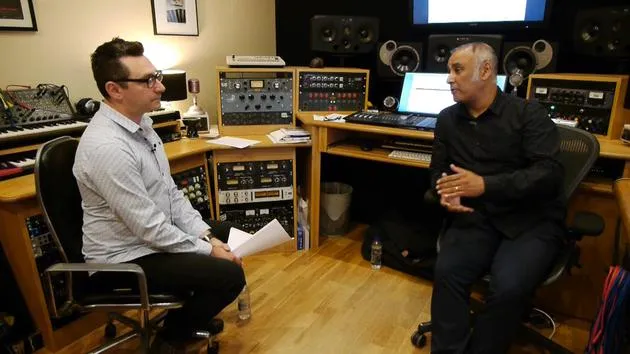
01. Introduction avec Harry Leckstein et Jay Mistry
11:37
02. Une brève histoire de l'édition musicale
6:10
03. Copyright (types de droits) et royalties
Leçon gratuite11:19
04. Conseils aux artistes : se faire payer et travailler avec les éditeurs
15:35
05. Avances, exclusivité et types de contrats d'édition
14:27
06. Se lancer par soi-même
3:01
07. Le marché du jeu vidéo
2:55
08. Comprendre les contrats d'édition
11:51
09. Le monde du Sync
8:23
10. Branding sonore et qu'est-ce qu'un brief. Étude de cas : Ollie Raphael
3:54
11. Décrypteur du jargon du Sync et briseur de mythes
8:38
12. Comprendre les rôles au sein de l'industrie de la télé et du cinéma
11:43
13. Derniers conseils
9:43

01. Entretien avec Ollie Raphael : Delicious Digital et le travail avec la radio
11:38

02. Entretien avec Dan Mallender (Phase Music) - Musique, promos et bandes-annonces pour les industries de la TV, de la radio, du cinéma et du jeu vidéo
16:04
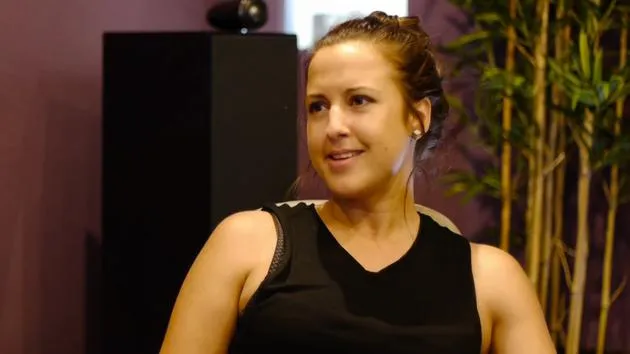
03. Entretien avec Rachel Menzies - Supervision musicale
Tu es ici11:19
04. Entretien avec Richard Ford (Anger Music) - Travailler avec des compositeurs
16:23
05. Entretien avec Stuart Belsham - Découvrir la PRS
37:15
06. Entretien avec Alessio Nanni (via Skype) - Pianiste et compositeur
15:02
07. Entretien avec Rob Manning (par Skype) - Compositeur pour le cinéma et la TV
15:23

08. Entretien avec Xiaotian Shi (via Skype) - Compositeur pour le cinéma et la TV
18:40
Transcription de la leçon
Interview with Rachel Menzies: The Role of a Music Supervisor
Rachel: Welcome to Talia. Thank you so much for having me.
Sue: First of all, could you start off by telling us who you are and what you do?
Rachel: Sure! So, my name is Rachel Menzies, and I am a music supervisor. I work for a company called Native Music, and I also have my own company called Hookline, which is a small publisher representing independent artists for sync. We have a real focus on TV and film placements.
What is Music Supervision?
Sue: Let's talk a little bit more about music supervision. What is that? What does a music supervisor do, and how did you get into it?
Rachel: Music supervision is essentially providing an impartial source for finding music. Native Music specifically works with advertisements. You can be a music supervisor for film and other types of usage, but we specifically focus on advertising.
Day-to-Day Responsibilities
Rachel: It's our job to find music for our clients. Personally, I got into it because it's something I've always wanted to do. I've spent the last 12 to 13 years gaining experience in various areas, such as:
- Publishing
- Representing composers for sync
This broad understanding of the music industry is vital to being an effective music supervisor.
Sue: So what would your day-to-day involve?
Rachel: Depending on the project, it could involve:
- Meeting with advertising clients and discussing their budgets and needs
- Analyzing briefs to dissect what the client wants
- Conducting searches for suitable music
We work with various types of music, not just library music.
Understanding Music Needs
Music Specifications
Sue: Music advisors deal with all sorts of music, right?
Rachel: Yes! It all depends on the budget and the specific type of music that the client is looking for. It's our job to translate their brief into musical terms.
Traits of a Music Supervisor
Sue: What traits do you think are needed to be a good music supervisor? Do you have to be musical?
Rachel: Absolutely! A thorough understanding of music is essential. You need to be able to describe music in technical terms. It definitely helps if you're a musician; I'm a violinist myself.
In addition to musical knowledge, you need:
- An understanding of licenses, contracts, and intellectual property
- The ability to read and negotiate terms in contracts
- A network of rights holders to expedite processes
Networking and Relationships
Sue: Who do you usually deal with? Composers, libraries, labels?
Rachel: It's a bit of everything! Currently, we're probably doing about 50% composition and 50% direct sync, licensing existing tracks. Lately, I've found we work more with labels and publishers than libraries.
The Business Side of Music Supervision
Sue: It sounds like you need to have good business acuity along with musical knowledge. Would you agree?
Rachel: Definitely! A common misconception is that music supervisors only listen to a lot of music, which isn't true. Much of our work involves the business side, such as:
- Negotiating deals
- Clearing rights
- Ensuring fair agreements for both the agency and rights holder
Most Favored Nation (MFN)
Sue: I've heard the term MFN mentioned regarding rights clearance. What does that mean?
Rachel: MFN stands for "Most Favored Nation." When licensing any track, traditionally, the master rights are owned by the label, and the composition is owned by the publisher. It's crucial to clear both rights during negotiations.
Payment Structures
Sue: Regarding payment, how does that work when you get a job?
Rachel: It varies. If it's a straightforward music supervision job, you might receive a percentage of the clearance fee. Other options include:
- A salary as a full-time supervisor
- Independent supervision fees or demo fees
Getting Into Music Supervision
Sue: If someone wanted to break into this business, what advice would you give?
Rachel: First, it's crucial to understand what a music supervisor does. Many people email me expressing interest because they like music, thinking it's similar to A&R. It's quite different.
To break into the field, I recommend:
- Shadowing a music supervisor
- Gaining experience in related areas (publishing, rights holders, and sales)
- Spending time understanding how the industry operates
Listening to Music
Sue: Do you receive many demos, and how much music do you listen to daily?
Rachel: Yes! We receive a lot of demos from independent writers and rights holders. On top of that, we have various playback sessions and personal music collections.
I listen to music during my commute and often attend live events. You really have to love music and understand its context in the sync world.
Favorite Briefs and Experiences
Sue: Do you have a preference for the type of briefs you work on, such as ads, TV, or film?
Rachel: Ads are our specialty. Many briefs involve well-known tracks, like "Uptown Funk" or "Rather Be" by Clean Bandit. However, I enjoy working on more obscure briefs, like discovering an independent artist's hidden gem.
Trends in Current Music
Sue: How important is current music and trends in your work?
Rachel: Very important! About 70% to 80% of my briefs involve music that's about to break. Our solid relationships with rights holders help us stay ahead.
Live Music Attendance
Sue: Do you attend many gigs?
Rachel: Yes, a lot! I go to three or four gigs a week. For example, I'm looking forward to a playback for De La Soul tonight!
Memorable Projects
Sue: What's been the most rewarding project you've worked on?
Rachel: One project that won several awards involved licensing a track for Thatcher Cider. It was an independent band called the Miley Macambos.
I also recently worked on a Pepsi Max commercial with one of my artists, which allowed for creative flexibility with the music.
Sue: What current projects are you working on?
Rachel: We recently finished an exciting project for the BBC Olympics, where we collaborated with Jamie and Commons to create a track specifically for the event. We helped add instrumentation, giving it a true Olympic feel.
Concluding Thoughts
Sue: It sounds like music supervision requires a multifaceted skill set.
Rachel: Absolutely! There's a myth that this job is all glamour, but there's so much more to it than meets the eye.
Sue: Thank you very much, Rachel!
Rachel: Thank you for having me! I appreciate it.
21 leçons
4h 21m de leçons vidéo structurées
Fonctions vidéo avancées
Ralentissez, bouclez un passage, suivez la partition
Mobile, tablette et ordinateur
Pratiquez où vous voulez
Satisfaction garantie à 100 %
Garantie remboursement 30 jours
Rencontrez votre guru
Rencontrez votre guru
Jay Mistry est un vétéran de l'industrie musicale fort de 30 ans d'expérience et maîtrise la plupart des aspects du business de la musique.
Jay a débuté sa carrière à la Performing Right Society avant de rejoindre BMG Music Publishing, où on lui a demandé de créer de toutes pièces le département de suivi des revenus. En 2003, il a fondé Musical Sleuth Ltd, le premier service indépendant de suivi des royalties de ce type, qui comptait parmi ses clients Eric Clapton et The Beatles.
Ayant maîtrisé les subtilités du copyright et des royalties, Jay s'est vu proposer de devenir Director of Music Services chez The Discovery Channel en 2009. Son succès chez Discovery a conduit les entrepreneurs new-yorkais Jingle Punks à le recruter pour mettre en place et stabiliser leur activité d'édition aux États-Unis tout en développant leur réseau de collecte mondial. Jay conseille aujourd'hui toute une gamme de compositeurs de haut vol, de librairies musicales, de producteurs de cinéma, d'éditeurs et de plateformes technologiques.
Dans A Guide To Music Publishing And Synchronization, Jay distille trois décennies passées au cœur du métier en conseils clairs et pratiques, te montrant comment fonctionnent réellement l'édition, le copyright, les royalties et les accords de sync — et comment les faire travailler pour toi.







