



Se lancer par soi-même

Avec
Jay Mistry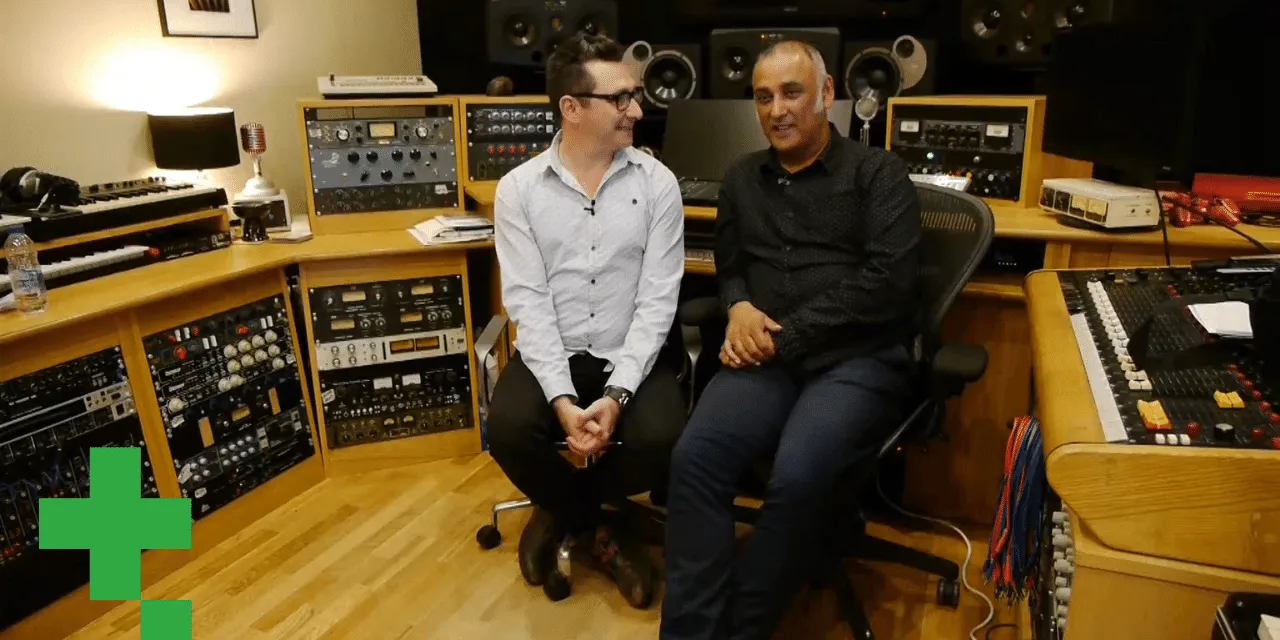
Le contenu du cours
21 leçons (4h 21min) · 1 gratuites
01. Introduction avec Harry Leckstein et Jay Mistry
11:37
02. Une brève histoire de l'édition musicale
6:10
03. Copyright (types de droits) et royalties
Leçon gratuite11:19
04. Conseils aux artistes : se faire payer et travailler avec les éditeurs
15:35
05. Avances, exclusivité et types de contrats d'édition
14:27
06. Se lancer par soi-même
Tu es ici3:01
07. Le marché du jeu vidéo
2:55
08. Comprendre les contrats d'édition
11:51
09. Le monde du Sync
8:23
10. Branding sonore et qu'est-ce qu'un brief. Étude de cas : Ollie Raphael
3:54
11. Décrypteur du jargon du Sync et briseur de mythes
8:38
12. Comprendre les rôles au sein de l'industrie de la télé et du cinéma
11:43
13. Derniers conseils
9:43
01. Entretien avec Ollie Raphael : Delicious Digital et le travail avec la radio
11:38
02. Entretien avec Dan Mallender (Phase Music) - Musique, promos et bandes-annonces pour les industries de la TV, de la radio, du cinéma et du jeu vidéo
16:04
03. Entretien avec Rachel Menzies - Supervision musicale
11:19
04. Entretien avec Richard Ford (Anger Music) - Travailler avec des compositeurs
16:23
05. Entretien avec Stuart Belsham - Découvrir la PRS
37:15
06. Entretien avec Alessio Nanni (via Skype) - Pianiste et compositeur
15:02
07. Entretien avec Rob Manning (par Skype) - Compositeur pour le cinéma et la TV
15:23
08. Entretien avec Xiaotian Shi (via Skype) - Compositeur pour le cinéma et la TV
18:40
Transcription de la leçon
Taking Initiative in Songwriting
I suppose, you know, just taking your own initiative. If people are listening to this and thinking, "Well, that's amazing, but I'm not signed to a publisher," let me tell you:
- Form a Collective: You can get together with some mates or other people you know who write music.
- Diverse Collaboration: If you've spent all of your time writing hip hop, consider collaborating with somebody who writes folk, or whatever genre inspires you.
You can absolutely do this independently. You don't necessarily need to be signed to attend a songwriting camp.
Creative Process
Oh, right, right! It's really more about the creative process. For example, if we mentioned Notting Hill and John Saunderson is there:
- If you give him something he likes, he's likely to introduce you to other songwriters to elevate your skills.
- You'll be writing with people who do this day in and day out.
- And keep in mind, he hasn't shelled out an advance for you initially.
If you write a great track, he might say, "Well, let's do a single song assignment," as we discussed earlier. Then, you can work from there.
It's a great way to start your research. Earlier, we spoke about researching publishing companies. You might want to find out what kind of sub-publishing deals they offer.
Hallmark of a Good Publisher
Surely, that's a hallmark of a good publisher, someone who organizes lots of songwriter camps and networking events.
- Yes, absolutely! To me, that's what defines a proactive publisher.
We talked about collection deals and admin deals, those where you're basically just registering and collecting. This is one type of publisher.
Behind the Scenes vs. Proactive Publishers
- Behind the Scenes: Almost like the behind-the-scenes publishers.
- Proactive Publishers: Then you have someone like Notting Hill or Downtown, or other firms that are very proactive.
It really depends on what sort of composer you are. If you enjoy an environment where you can do co-writes, that's fantastic.
Do Your Homework
But remember to do your homework, find out what these publishers do.
The other side to consider is the inbox side. A good publisher should have connections with:
- Broadcasters
- Filmmakers
- Ad agencies
Important Note: They should be receiving plenty of briefs and subsequently sending them out.
A&R Departments
Your A&R (Artist & Repertoire) department within a publishing company should know which brief to send to you. They should be familiar with your style and capabilities.
- For instance, if a brief comes in for some folk music or techno, they should know just the right person in their roster to send it to.
This is really important as well, having a good A&R person at a publishing company can make a significant difference in your career.
21 leçons
4h 21m de leçons vidéo structurées
Fonctions vidéo avancées
Ralentissez, bouclez un passage, suivez la partition
Mobile, tablette et ordinateur
Pratiquez où vous voulez
Satisfaction garantie à 100 %
Garantie remboursement 30 jours
Rencontrez votre guru
Rencontrez votre guru
Jay Mistry est un vétéran de l'industrie musicale fort de 30 ans d'expérience et maîtrise la plupart des aspects du business de la musique.
Jay a débuté sa carrière à la Performing Right Society avant de rejoindre BMG Music Publishing, où on lui a demandé de créer de toutes pièces le département de suivi des revenus. En 2003, il a fondé Musical Sleuth Ltd, le premier service indépendant de suivi des royalties de ce type, qui comptait parmi ses clients Eric Clapton et The Beatles.
Ayant maîtrisé les subtilités du copyright et des royalties, Jay s'est vu proposer de devenir Director of Music Services chez The Discovery Channel en 2009. Son succès chez Discovery a conduit les entrepreneurs new-yorkais Jingle Punks à le recruter pour mettre en place et stabiliser leur activité d'édition aux États-Unis tout en développant leur réseau de collecte mondial. Jay conseille aujourd'hui toute une gamme de compositeurs de haut vol, de librairies musicales, de producteurs de cinéma, d'éditeurs et de plateformes technologiques.
Dans A Guide To Music Publishing And Synchronization, Jay distille trois décennies passées au cœur du métier en conseils clairs et pratiques, te montrant comment fonctionnent réellement l'édition, le copyright, les royalties et les accords de sync — et comment les faire travailler pour toi.







