



Introduction avec Harry Leckstein et Jay Mistry

Avec
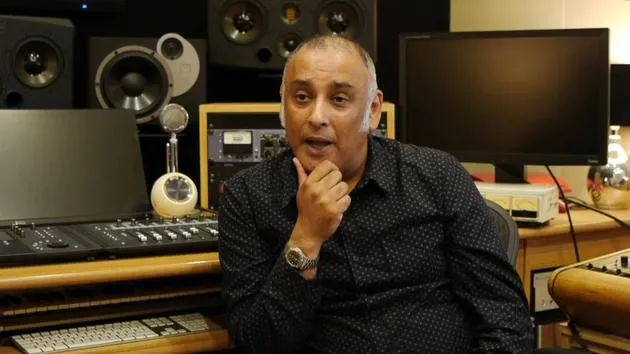
Jay MistryUne introduction à ce cours sur l’édition musicale et les licences de synchronisation avec le consultant Jay Mistry, couvrant l’histoire de l’édition, les contrats, les royalties et les accords de synchronisation.
Le contenu du cours
21 leçons (4h 21min) · 1 gratuites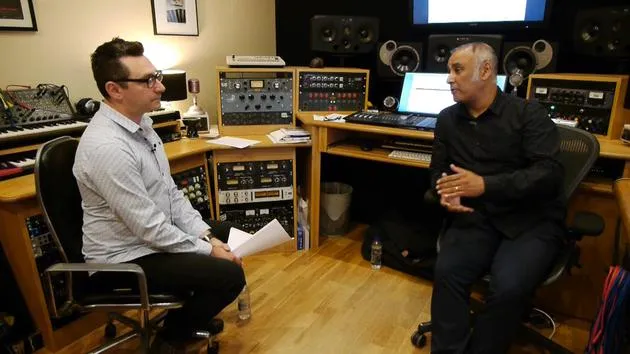
01. Introduction avec Harry Leckstein et Jay Mistry
Tu es ici11:37
02. Une brève histoire de l'édition musicale
6:10
03. Copyright (types de droits) et royalties
Leçon gratuite11:19
04. Conseils aux artistes : se faire payer et travailler avec les éditeurs
15:35
05. Avances, exclusivité et types de contrats d'édition
14:27
06. Se lancer par soi-même
3:01
07. Le marché du jeu vidéo
2:55
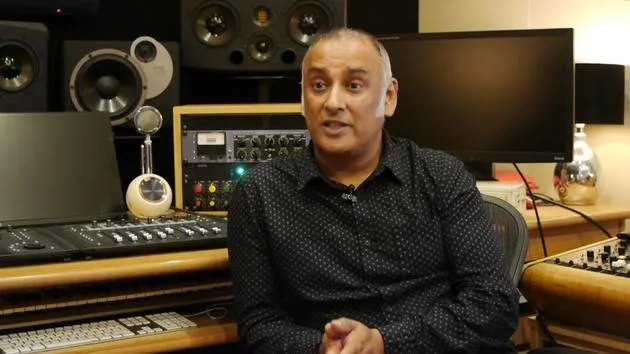
08. Comprendre les contrats d'édition
11:51
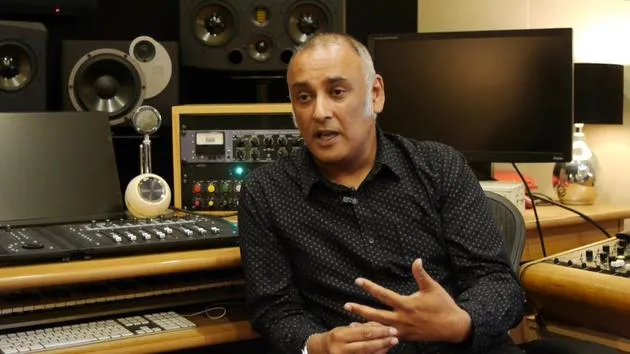
09. Le monde du Sync
8:23
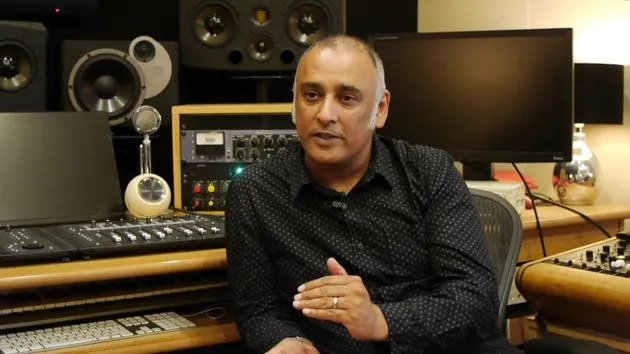
10. Branding sonore et qu'est-ce qu'un brief. Étude de cas : Ollie Raphael
3:54
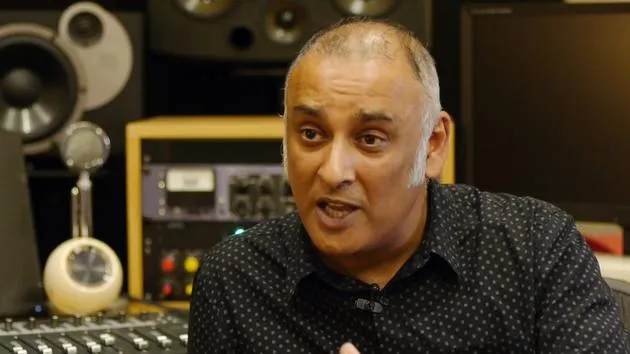
11. Décrypteur du jargon du Sync et briseur de mythes
8:38
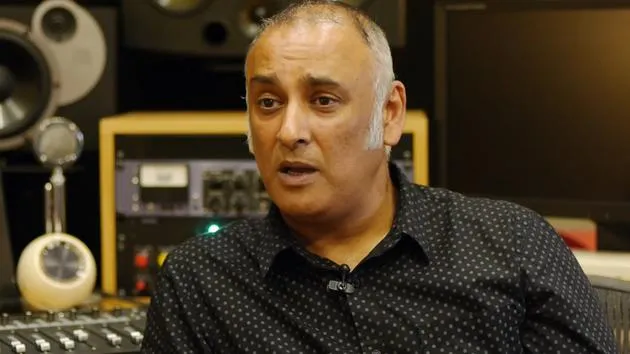
12. Comprendre les rôles au sein de l'industrie de la télé et du cinéma
11:43
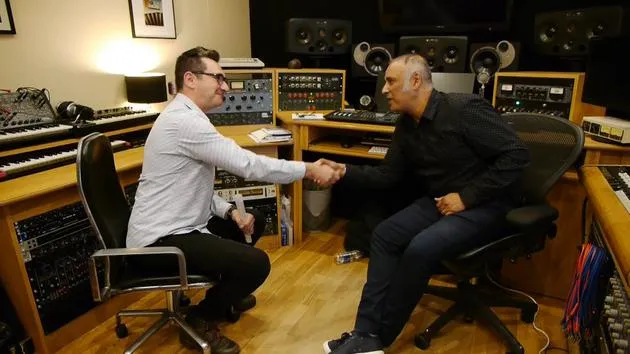
13. Derniers conseils
9:43

01. Entretien avec Ollie Raphael : Delicious Digital et le travail avec la radio
11:38

02. Entretien avec Dan Mallender (Phase Music) - Musique, promos et bandes-annonces pour les industries de la TV, de la radio, du cinéma et du jeu vidéo
16:04

03. Entretien avec Rachel Menzies - Supervision musicale
11:19
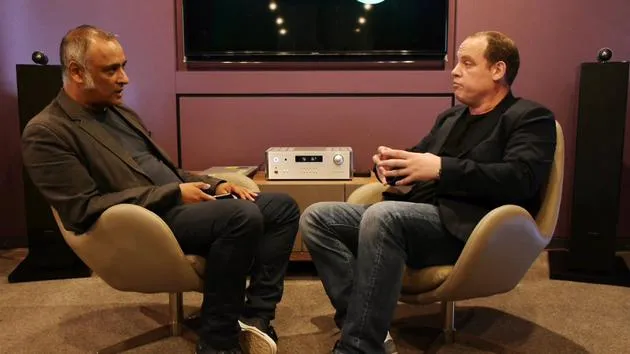
04. Entretien avec Richard Ford (Anger Music) - Travailler avec des compositeurs
16:23
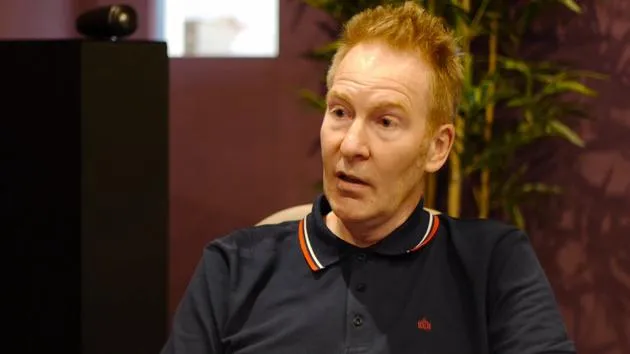
05. Entretien avec Stuart Belsham - Découvrir la PRS
37:15
06. Entretien avec Alessio Nanni (via Skype) - Pianiste et compositeur
15:02
07. Entretien avec Rob Manning (par Skype) - Compositeur pour le cinéma et la TV
15:23

08. Entretien avec Xiaotian Shi (via Skype) - Compositeur pour le cinéma et la TV
18:40
Transcription de la leçon
Welcome to the Course
Hello and welcome to this online short course delivered by Taillard Education in association with Music Gurus. This course is about music publishing and sync licensing with consultant Jay Mistry.
Course Overview
Throughout the course, we will cover:
- The history of music publishing
- How publishing came about
- The commerce and industry of publishing
- Publishing Contracts
- What a publishing contract looks like
- Things to look out for when negotiating a deal
- Collecting Societies and Royalty Payments
- The mechanics of how the commercialism of songs works in the world
- Sync Licensing
- The marriage of music to moving images
- Plenty of examples and anecdotal evidence
So, let's get started!
Introduction
Hi, Jake.
Hello. How are you?
I'm good, thank you.
Jay Mistry's Role
So tell us a little bit about what you do today and how your job works.
Well, I own a consultancy called JM Consulting. We've been going for about a year now. My clients are basically music publishers, music libraries, composers, and tech companies who want to get into the music industry.
And what do you do for them?
Usually, for example, a tech company will come to me and say, "We want to invest either into a publishing company or we've got some sort of gadget that would work really well within the industry. How do we get in there?" So I would do a report on that. Music libraries, especially in the UK, don't have representation outside of the UK, so I'm helping them with that and trying to get them contacts within the film and TV industry, both in the UK and the US. More recently, I've just come back from Medium, and we're trying to expand that into Europe as well. For composers, it could be anything from getting a sync license to helping them produce a piece of music for TV or film.
Career Background
Okay, great. Thank you. Before we go deeper into the history of publishing, let's look back a little. Where did your career start? What was your trajectory to end up where you are today?
Well, that's a great question. I knew from the age of about 10 that I wanted to be in the music industry, purely because of my admiration for songwriters and music in general. I love music, I devour music. By the time I was 17, there was a job going at the PRS, and I applied for it as a summer job. Basically, I never went back to school. I've been in the music industry for about 30 years now.
Did you consciously decide that somewhere like the PRS was a gatekeeper to many labels and publishers and songwriters?
It wasn't conscious. My brother worked there and suggested I come in for a month over the summer holidays and just do a little temping job. I said, "Cool," and I just stayed. I didn't go back.
Learning the Industry
At PRS, I learned a lot about the copyright framework and how licensing and royalty payments work. You'll hear this a lot in the music industry when people say, "Where did you start off?" Many people did start at the PRS, including a lot of my contemporaries. It's a great ground for education in terms of how the industry works, because PRS is a membership organization of publishers and composers. You've got the best of both worlds there.
And where did you go from there?
After PRS, I got a call from BMG. They were starting a new division called royalty tracking and wanted me to help them do that. I went through a process of interviews, and I started this division, it was the second royalty tracking division within a major after EMI.
Understanding Royalty Tracking
What does that mean, "royalty tracking," for people who aren't aware?
Royalty tracking is basically looking at statements and contracts and analyzing income. It can refer to an individual composer or artist, or it could be a company like BMG. BMG would get paid from organizations like PRS, essentially auditing to ensure everything runs as it should regarding copyright and royalties.
Exactly. For instance, when we register a song on PRS, if there is a typo or misspelling, or if a number is wrong, the income might not go through. You have to double-check everything.
Exactly! It could be as simple as getting paid for nine tracks out of ten on an album, or it could be a mistake with the title that prevents proper matching during the process.
Moving Forward
So, from PRS to BMG, where did you go next?
While I was working at BMG, I realized I was only working with BMG-signed composers. I thought about all the other composers and smaller publishers who couldn't afford a full-time royalty tracking person. So, I decided to go out on my own and started a company called Musical Sleuth. I spent nine great years working there with a couple of colleagues. It was all about tracking down missing money for clients.
That's fascinating. Can you tell us about your first clients?
My first client was Ellis Rich from IMG, and my second client was Eric Clapton. So, I had major clients in terms of composers and publishers. In the end, EMI, Universal, Bug, and Peer became my clients too, purely because I could offer an interim auditing service called desktop auditing. It was cheaper than hiring a qualified accountant or auditor, but because I knew the industry, I could do 80-90% of what an auditor could do.
Transitioning to Discovery Channel
From Sleuth, where did you go next?
One of my clients was Discovery Channel, which had a small library in the States and wanted to expand. They saw potential for revenue outside the US and asked me to join them.
And this was money generated through music in their library being used in television programs?
Exactly! Those programs were broadcast all over different territories, and there were pots of money that could be collected, which they sought to capitalize on. They were doing okay in the US but needed help with their internal processes to ensure everything flowed correctly, including interactions with ASCAP and BMI societies.
How long did you spend at Discovery, and where did you head next?
I was based in the UK but spent a lot of time in Washington with my team. I also traveled throughout Europe negotiating deals. After Discovery, I got a call from Jingle Punks, which had a music licensing company based in New York. They wanted me onboard to do a similar job to Discovery, expanding their worldwide collection representation.
Current Consultancy
As you can see, my journey really combines a specialist understanding of copyright and royalties with sales skills, introducing new clients or exploring new territories. At Jingle Punks, I initially worked alone, but they later hired another sales-oriented colleague named Joe, allowing us to work on pitches and acquire new business.
Now, bringing us up to date, you started your consultancy about a year ago. Why did you decide to go out on your own again?
It was due to my accumulated knowledge and experience. Discovery and Jingle Punks gave me a solid basis in the sync and library world, and most of my clients now include libraries and composers working in film and TV.
Advice for Beginners
As a final note, what advice would you give to those thinking of starting in this industry? Would you recommend joining a collecting agency as a great way to learn the inner workings of the industry?
Absolutely! Whether it's a PRO, a publishing company, or a record company, getting into any of those at any level gives you the opportunity to progress within the industry.
21 leçons
4h 21m de leçons vidéo structurées
Fonctions vidéo avancées
Ralentissez, bouclez un passage, suivez la partition
Mobile, tablette et ordinateur
Pratiquez où vous voulez
Satisfaction garantie à 100 %
Garantie remboursement 30 jours
Rencontrez votre guru
Rencontrez votre guru
Jay Mistry est un vétéran de l'industrie musicale fort de 30 ans d'expérience et maîtrise la plupart des aspects du business de la musique.
Jay a débuté sa carrière à la Performing Right Society avant de rejoindre BMG Music Publishing, où on lui a demandé de créer de toutes pièces le département de suivi des revenus. En 2003, il a fondé Musical Sleuth Ltd, le premier service indépendant de suivi des royalties de ce type, qui comptait parmi ses clients Eric Clapton et The Beatles.
Ayant maîtrisé les subtilités du copyright et des royalties, Jay s'est vu proposer de devenir Director of Music Services chez The Discovery Channel en 2009. Son succès chez Discovery a conduit les entrepreneurs new-yorkais Jingle Punks à le recruter pour mettre en place et stabiliser leur activité d'édition aux États-Unis tout en développant leur réseau de collecte mondial. Jay conseille aujourd'hui toute une gamme de compositeurs de haut vol, de librairies musicales, de producteurs de cinéma, d'éditeurs et de plateformes technologiques.
Dans A Guide To Music Publishing And Synchronization, Jay distille trois décennies passées au cœur du métier en conseils clairs et pratiques, te montrant comment fonctionnent réellement l'édition, le copyright, les royalties et les accords de sync — et comment les faire travailler pour toi.







