



Conseils aux artistes : se faire payer et travailler avec les éditeurs

Avec
Jay Mistry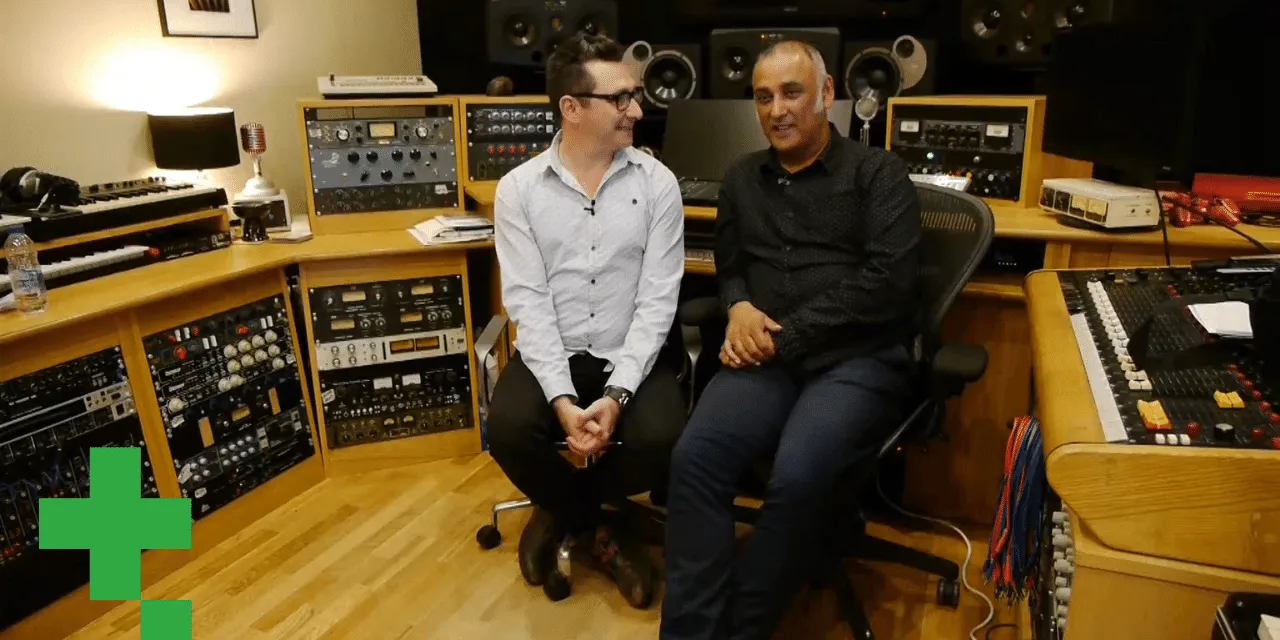
Le contenu du cours
21 leçons (4h 21min) · 1 gratuites
01. Introduction avec Harry Leckstein et Jay Mistry
11:37
02. Une brève histoire de l'édition musicale
6:10
03. Copyright (types de droits) et royalties
Leçon gratuite11:19
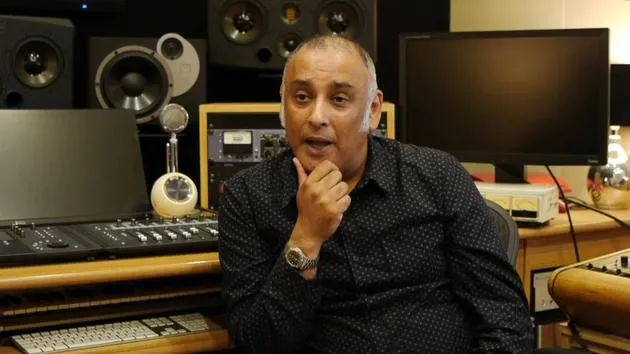
04. Conseils aux artistes : se faire payer et travailler avec les éditeurs
Tu es ici15:35
05. Avances, exclusivité et types de contrats d'édition
14:27
06. Se lancer par soi-même
3:01
07. Le marché du jeu vidéo
2:55
08. Comprendre les contrats d'édition
11:51
09. Le monde du Sync
8:23
10. Branding sonore et qu'est-ce qu'un brief. Étude de cas : Ollie Raphael
3:54
11. Décrypteur du jargon du Sync et briseur de mythes
8:38
12. Comprendre les rôles au sein de l'industrie de la télé et du cinéma
11:43
13. Derniers conseils
9:43
01. Entretien avec Ollie Raphael : Delicious Digital et le travail avec la radio
11:38
02. Entretien avec Dan Mallender (Phase Music) - Musique, promos et bandes-annonces pour les industries de la TV, de la radio, du cinéma et du jeu vidéo
16:04
03. Entretien avec Rachel Menzies - Supervision musicale
11:19
04. Entretien avec Richard Ford (Anger Music) - Travailler avec des compositeurs
16:23
05. Entretien avec Stuart Belsham - Découvrir la PRS
37:15
06. Entretien avec Alessio Nanni (via Skype) - Pianiste et compositeur
15:02
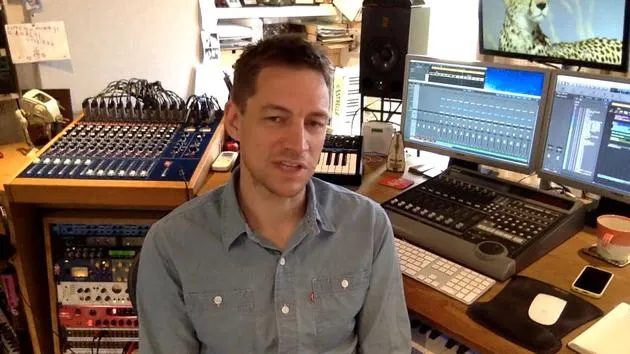
07. Entretien avec Rob Manning (par Skype) - Compositeur pour le cinéma et la TV
15:23

08. Entretien avec Xiaotian Shi (via Skype) - Compositeur pour le cinéma et la TV
18:40
Transcription de la leçon
Joining a PRO: The First Step for Composers, Songwriters, and Artists
With all those good definitions of income streams, what is a good first step for a composer, songwriter, or artist to take when it comes to joining a PRO?
Join a PRO
Fundamentally, the first thing you have to do when you decide to become a composer is to join a PRO (performing rights organization) of your choice.
- In America, you have ASCAP, BMI, and SESAC.
- In the UK, there's PRS.
- In Germany, you have GEMA.
Wherever you are in the world, there will be a PRO that you can join. What joining a PRO allows you to do is:
- Register your tracks (making them more or less copyrighted)
- Ensure that the PRO knows about your tracks
- Receive payment whenever your tracks get played
So, it's crucial to become a member of a PRO, particularly if you're planning to release your own music online or through digital distributors.
Registering with PRS and MCPS
You might consider joining PRS first and, as your songs reach some form of product, join the other side, the MCPS (Mechanical-Copyright Protection Society).
Key Points:
- As a composer, you wouldn't typically join MCPS; that's more for publishers who collect mechanical income.
- For artists, a record contract usually handles the recording side.
- DIY artists should still be members of a PRO like PRS, especially if releasing music online via platforms like iTunes.
Benefits of Joining a Distributor
If you're going the DIY route, consider joining an aggregator or digital distributor which can help with:
- Taking care of the deals with online outlets.
- Providing a direct link with people who will pay you for mechanical rights.
Examples of digital distributors include:
- The Orchard
- AWAL
- Ditto
- Believe
The Benefits of a Publishing Deal
What Publishers Can Do for You
Having a publishing deal can be beneficial depending on your aspirations as a composer. Here are some ways publishers can assist:
- Register Your Songs: They collect income through PRO memberships.
- Exploit Your Work: Publishers can connect you with other composers, find opportunities, and help protect your works from infringement.
- Forge Relationships: They often have the necessary connections with record companies, increasing your chances of having your work covered by artists.
Collaboration Opportunities
- If you're a composer who doesn't want to tour, a publisher can connect you with artists who will perform your songs commercially.
- They can reach out to record companies when artists are looking for tracks, which can be mutually beneficial.
Networking and Community
Importance of Networking
Networking is essential:
- Attend events held by organizations like PRS, which host various gatherings and networking events throughout the year.
- Networking events are a great way to connect and can lead to unexpected opportunities.
You'll find that a significant portion of composers might feel shy, but it's vital to get out and meet people.
Example Networking Opportunities
- Tile Yard hosts networking evenings each month, which are great for making connections in the industry.
Making Connections
Timing is crucial. For example, if you meet a publisher who is looking for a ballad and you happen to have one, that could lead to significant opportunities.
Prolific Activity
The Benefits of Being Prolific
To establish a career as a composer, being prolific is vital. Here's why:
- Every song you create is an opportunity.
- You might only need a handful of standout tracks from the numerous songs you write.
Specialization in Songwriting
Different Roles in Songwriting
Songwriters can specialize in various areas:
- Hook writers focus on catchy choruses.
- Composers can create instrumental music for programming.
- Collaborations can maximize effectiveness, for instance, pairing a producer with a vocalist and a lyricist.
Advantages of Working with a Publisher
Global Reach
Joining a reputable publisher provides access to:
- Sub Publishers: Many publishers have sub-publishing agreements with companies around the world, enabling your music to be represented globally.
- Local Expertise: Sub publishers understand their local markets better and can enhance the potential for your music.
Exploring Publishing Companies
When researching publishers, consider:
- Their sub-publishing network and its effectiveness in various regions.
- Whether they are connected with major players like Sony or Universal, which gives them wider reach.
Sync Opportunities
Sync Departments
Publishers often have dedicated sync departments to look for opportunities with TV and film companies. Sync placements can be a lucrative avenue for composers.
While technology is creating new platforms for uploading songs and matching them with sync briefs, having a dedicated publisher generally increases your chances of getting placed due to their established relationships.
Conclusion
For a young composer, exploring publishing opportunities and actively getting involved with a PRO and networking can set the foundation for a successful career in music. Keep creating, connecting, and exploring avenues for your compositions.
21 leçons
4h 21m de leçons vidéo structurées
Fonctions vidéo avancées
Ralentissez, bouclez un passage, suivez la partition
Mobile, tablette et ordinateur
Pratiquez où vous voulez
Satisfaction garantie à 100 %
Garantie remboursement 30 jours
Rencontrez votre guru
Rencontrez votre guru
Jay Mistry est un vétéran de l'industrie musicale fort de 30 ans d'expérience et maîtrise la plupart des aspects du business de la musique.
Jay a débuté sa carrière à la Performing Right Society avant de rejoindre BMG Music Publishing, où on lui a demandé de créer de toutes pièces le département de suivi des revenus. En 2003, il a fondé Musical Sleuth Ltd, le premier service indépendant de suivi des royalties de ce type, qui comptait parmi ses clients Eric Clapton et The Beatles.
Ayant maîtrisé les subtilités du copyright et des royalties, Jay s'est vu proposer de devenir Director of Music Services chez The Discovery Channel en 2009. Son succès chez Discovery a conduit les entrepreneurs new-yorkais Jingle Punks à le recruter pour mettre en place et stabiliser leur activité d'édition aux États-Unis tout en développant leur réseau de collecte mondial. Jay conseille aujourd'hui toute une gamme de compositeurs de haut vol, de librairies musicales, de producteurs de cinéma, d'éditeurs et de plateformes technologiques.
Dans A Guide To Music Publishing And Synchronization, Jay distille trois décennies passées au cœur du métier en conseils clairs et pratiques, te montrant comment fonctionnent réellement l'édition, le copyright, les royalties et les accords de sync — et comment les faire travailler pour toi.







