



Comprendre les rôles au sein de l'industrie de la télé et du cinéma

Avec
Jay MistryJay Mistry décrit les cinq personnes que tu dois connaître dans la musique pour la télé et le cinéma - producteur, réalisateur, producteur exécutif, monteur et superviseur musical - et comment travailler avec chacune.
Le contenu du cours
21 leçons (4h 21min) · 1 gratuites
01. Introduction avec Harry Leckstein et Jay Mistry
11:37
02. Une brève histoire de l'édition musicale
6:10
03. Copyright (types de droits) et royalties
Leçon gratuite11:19
04. Conseils aux artistes : se faire payer et travailler avec les éditeurs
15:35
05. Avances, exclusivité et types de contrats d'édition
14:27
06. Se lancer par soi-même
3:01
07. Le marché du jeu vidéo
2:55
08. Comprendre les contrats d'édition
11:51
09. Le monde du Sync
8:23
10. Branding sonore et qu'est-ce qu'un brief. Étude de cas : Ollie Raphael
3:54
11. Décrypteur du jargon du Sync et briseur de mythes
8:38
12. Comprendre les rôles au sein de l'industrie de la télé et du cinéma
Tu es ici11:43
13. Derniers conseils
9:43
01. Entretien avec Ollie Raphael : Delicious Digital et le travail avec la radio
11:38
02. Entretien avec Dan Mallender (Phase Music) - Musique, promos et bandes-annonces pour les industries de la TV, de la radio, du cinéma et du jeu vidéo
16:04
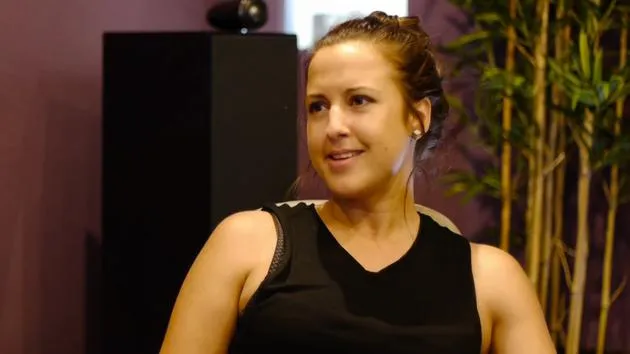
03. Entretien avec Rachel Menzies - Supervision musicale
11:19
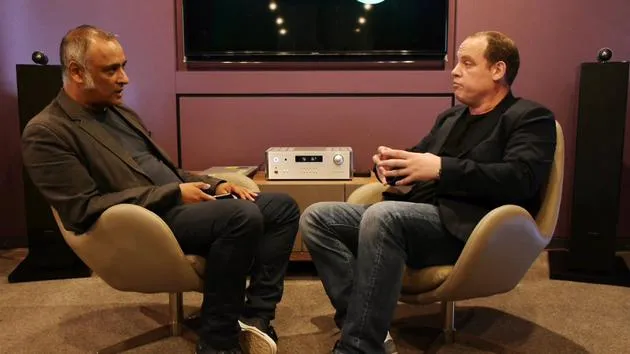
04. Entretien avec Richard Ford (Anger Music) - Travailler avec des compositeurs
16:23
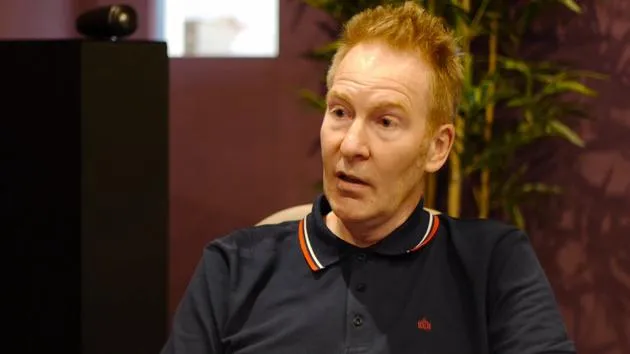
05. Entretien avec Stuart Belsham - Découvrir la PRS
37:15
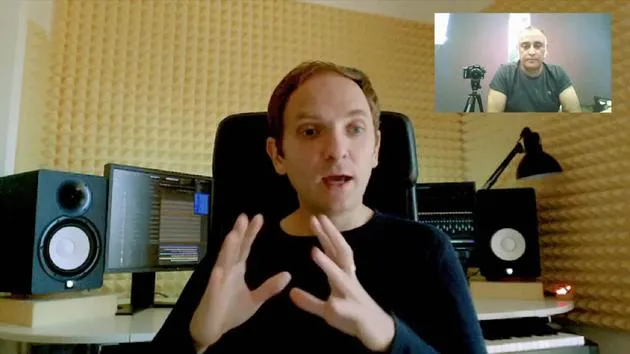
06. Entretien avec Alessio Nanni (via Skype) - Pianiste et compositeur
15:02
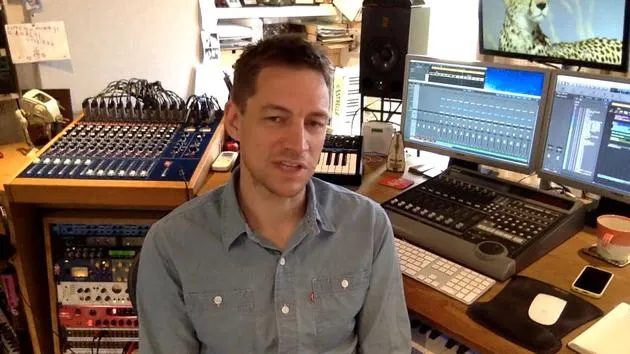
07. Entretien avec Rob Manning (par Skype) - Compositeur pour le cinéma et la TV
15:23

08. Entretien avec Xiaotian Shi (via Skype) - Compositeur pour le cinéma et la TV
18:40
Transcription de la leçon
Understanding the Roles in Music for Media
In addition to understanding and developing your techniques for style and different range, it's essential to know the various roles in the TV and film industry that connect with the music side of things.
Key Roles in Production
- Producer
- Director
- EP (Executive Producer)
- Editor
- Music Supervisor
These are the primary roles you will likely encounter when dealing with music for media.
The Music Supervisor's Role
Let's focus on the Music Supervisor, the first logical connection point in production.
Responsibilities:
- Find the right piece of music from a library.
- Work with a composer to create bespoke music.
- Review the film script while considering budget possibilities.
Types of Music Supervisors:
- In film, they license existing music and arrange for original compositions.
- In TV, they typically curate tracks from libraries for placement.
The Producer and Director Dynamics
The Director:
- Holds the creative vision for the entire film or show.
- Looks for music that seamlessly fits the project's aesthetic.
The Producer:
- Focuses on the production aspect, budget, feasibility, and overall organization.
- Collaborates closely with the director but from a more practical standpoint.
Music in Advertising
In the advertising world, the dynamics change slightly:
- Music Advisors: Agencies often employ music advisors.
- Focus is on rapid, impactful branding.
- Ads require music that is quick to license and often involves commercial tunes or unique cover versions of iconic songs, as seen in campaigns like John Lewis ads.
The Role of Music in Digital and In-store Spaces
Music is also used strategically in the digital realm and in retail environments:
- Websites: Music can promote websites or enhance a brand's digital presence.
- In-store Displays: High-end stores, like Harrods, may use music to complement product displays.
- Events: Companies creating holograms for events will often incorporate music to enhance the audience experience.
The Opportunities in Music and Sync
With so many aspects of media touched by music and sync, there's significant potential for those starting out or looking to grow their careers.
The Importance of Networking
A crucial step for newcomers is networking, which connects you to opportunities. Many aspiring professionals ask about starting costs, but:
- 30% will go toward running the company.
- 70% should be allocated to marketing.
Building Connections:
- Attend industry lunches and dinners.
- Join clubs like The Groucho or The Hospital Club to meet media professionals.
- Engage in events that promote networking with key figures in production.
Practical Steps for Newcomers
-
Create a Showreel:
- Keep it concise: 3 to 5 minutes.
- Feature clips of 10 to 20 seconds from various projects (adverts, dramas, trailers).
- Ensure smooth transitions between clips for a cohesive flow.
-
Maximize Your Time:
- If possible, spend at least two weeks to a month in LA, the heart of film and advertising.
- Attend events like the SYNC mission funded by organizations promoting UK composers.
-
Consider Local Opportunities:
- If LA isn't feasible, research local broadcasters.
- Look for internships or volunteer positions to gain insider experience.
-
Do Your Research:
- Identify suitable companies for your music style.
- Tailor your approach, don't send a ballad demo to a rock label.
-
Network Strategically:
- Find and attend relevant industry events.
- Build relationships with individuals who are likely to be interested in your music.
Conclusion
Success in music for media relies on understanding the industry's dynamics, actively networking, and being prepared with a strong portfolio. Connect, promote, and position yourself where opportunities arise!
21 leçons
4h 21m de leçons vidéo structurées
Fonctions vidéo avancées
Ralentissez, bouclez un passage, suivez la partition
Mobile, tablette et ordinateur
Pratiquez où vous voulez
Satisfaction garantie à 100 %
Garantie remboursement 30 jours
Rencontrez votre guru
Rencontrez votre guru
Jay Mistry est un vétéran de l'industrie musicale fort de 30 ans d'expérience et maîtrise la plupart des aspects du business de la musique.
Jay a débuté sa carrière à la Performing Right Society avant de rejoindre BMG Music Publishing, où on lui a demandé de créer de toutes pièces le département de suivi des revenus. En 2003, il a fondé Musical Sleuth Ltd, le premier service indépendant de suivi des royalties de ce type, qui comptait parmi ses clients Eric Clapton et The Beatles.
Ayant maîtrisé les subtilités du copyright et des royalties, Jay s'est vu proposer de devenir Director of Music Services chez The Discovery Channel en 2009. Son succès chez Discovery a conduit les entrepreneurs new-yorkais Jingle Punks à le recruter pour mettre en place et stabiliser leur activité d'édition aux États-Unis tout en développant leur réseau de collecte mondial. Jay conseille aujourd'hui toute une gamme de compositeurs de haut vol, de librairies musicales, de producteurs de cinéma, d'éditeurs et de plateformes technologiques.
Dans A Guide To Music Publishing And Synchronization, Jay distille trois décennies passées au cœur du métier en conseils clairs et pratiques, te montrant comment fonctionnent réellement l'édition, le copyright, les royalties et les accords de sync — et comment les faire travailler pour toi.







