



Entretien avec Rob Manning (par Skype) - Compositeur pour le cinéma et la TV
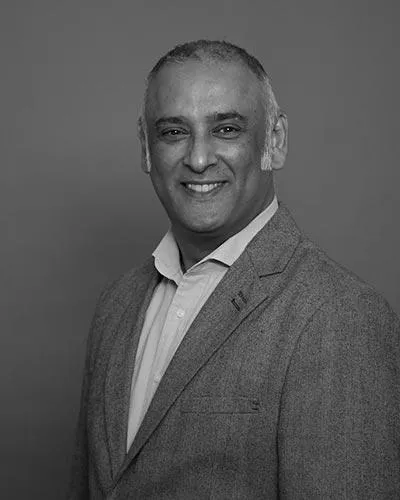
Avec
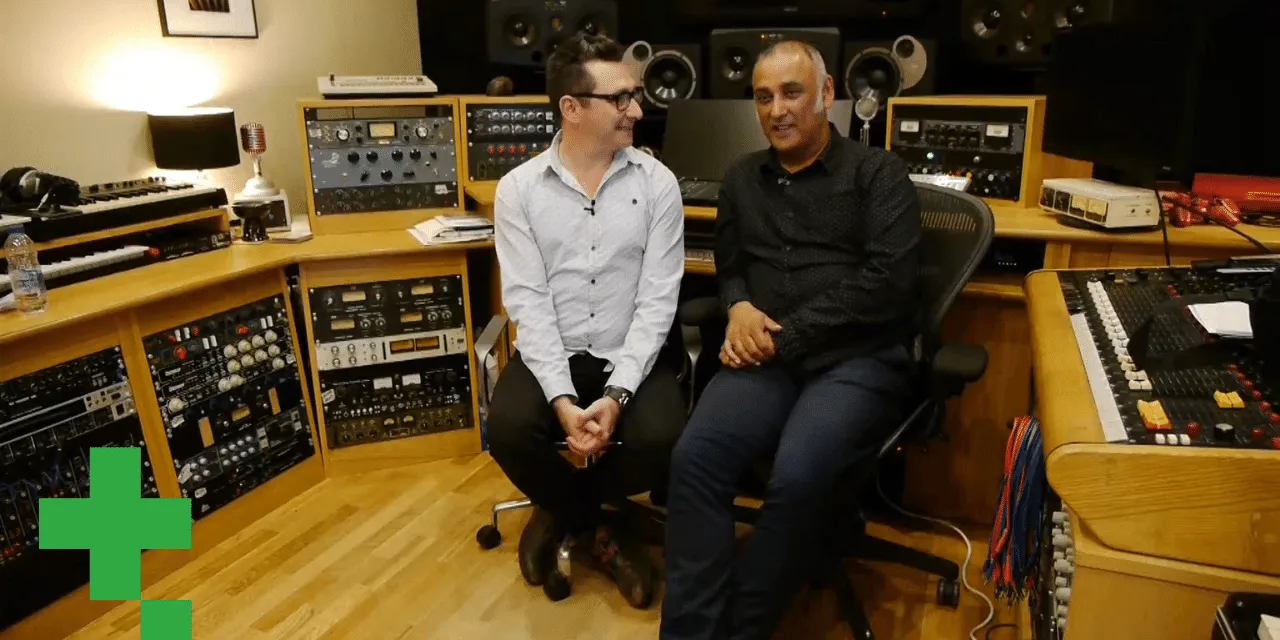
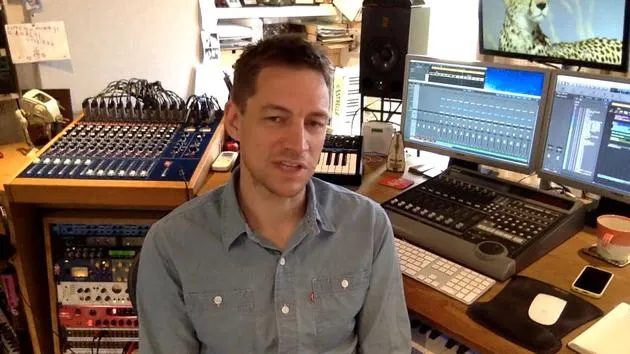
Jay MistryLe compositeur pour le cinéma et la TV Rob Manning parle avec Jay Mistry de la musique de documentaires : comment naissent les projets, comment il compose et des conseils pour percer dans le métier.
Le contenu du cours
21 leçons (4h 21min) · 1 gratuites
01. Introduction avec Harry Leckstein et Jay Mistry
11:37
02. Une brève histoire de l'édition musicale
6:10
03. Copyright (types de droits) et royalties
Leçon gratuite11:19
04. Conseils aux artistes : se faire payer et travailler avec les éditeurs
15:35
05. Avances, exclusivité et types de contrats d'édition
14:27
06. Se lancer par soi-même
3:01
07. Le marché du jeu vidéo
2:55
08. Comprendre les contrats d'édition
11:51
09. Le monde du Sync
8:23
10. Branding sonore et qu'est-ce qu'un brief. Étude de cas : Ollie Raphael
3:54
11. Décrypteur du jargon du Sync et briseur de mythes
8:38
12. Comprendre les rôles au sein de l'industrie de la télé et du cinéma
11:43
13. Derniers conseils
9:43
01. Entretien avec Ollie Raphael : Delicious Digital et le travail avec la radio
11:38
02. Entretien avec Dan Mallender (Phase Music) - Musique, promos et bandes-annonces pour les industries de la TV, de la radio, du cinéma et du jeu vidéo
16:04
03. Entretien avec Rachel Menzies - Supervision musicale
11:19
04. Entretien avec Richard Ford (Anger Music) - Travailler avec des compositeurs
16:23
05. Entretien avec Stuart Belsham - Découvrir la PRS
37:15
06. Entretien avec Alessio Nanni (via Skype) - Pianiste et compositeur
15:02
07. Entretien avec Rob Manning (par Skype) - Compositeur pour le cinéma et la TV
Tu es ici15:23
08. Entretien avec Xiaotian Shi (via Skype) - Compositeur pour le cinéma et la TV
18:40
Transcription de la leçon
Music Composition Insights with Rob Manning
Introduction
Hi, Rob, thanks for joining us from your studio. How are you doing?
Rob: I'm doing well, thanks, Jay. How you doing?
Jay: I'm good, thank you.
Who is Rob Manning?
Jay: First of all, can you explain to everyone who you are and what you do?
Rob: Yeah. I'm Rob Manning and I am a film and TV composer. I specialize mainly in documentaries.
Path to Composing
Jay: How did you get into working in this business?
Rob: I kind of came in through the side door. I was working as a location sound recordist in TV for about 10 years before getting my first composing commission.
- While on a job somewhere in Europe, some of my music came on my iPod, and the director I was working with liked it and asked me to do some stuff they were doing.
- There were huge gaps between my composing commissions at first.
- As the bands I was in fell apart, I started to look at composing as another way to keep in music and enjoy music.
It took a long while to narrow the gaps between commissions, and I was juggling two jobs for quite a while, but eventually, I was able to retire the boom pole and concentrate on composing full-time.
Specialization in Documentaries
Jay: Is there a particular genre that you specialize in?
Rob: Yeah, I end up doing a lot of documentaries. I've done bits and bobs in commercials and dramas, but documentaries are what I tend to do a lot of, and I like them.
Documentaries are great; they are massively varied and you often learn a lot. They're often quite touching, which is a nice thing to be involved in.
Case Study: Deadly Islands
Jay: If we talk about one of your docs, for example, I think it's called Deadly Islands. How did that project come about?
Rob: One second, let me just do that. Deadly Islands was a series for Discovery.
- I had previously worked with the series producer on another fairly large-scale documentary series for Discovery.
- They took me from one job onto the next. It was as simple as that.
Jay: So, they knew you already and thought, "This is the guy for the job"?
Rob: Yes. My first meeting with that series producer was on a previous job, and the production company had brought me onto that initial job.
- That job obviously went well in the eyes of the producer.
- For her next project, she was doing another series with Discovery and asked me to take part in that as well.
You build relationships with these people, and as they move and take their next jobs, they often take you with them.
Starting a Project
Jay: After you got the job, where do you start? Do you have the finished versions and write the music to it, or do you do it as you go along? How does it work?
Rob: Well, within TV, there are slightly more organized jobs that call you in advance, and then there are others that, for some unknown reason, call you much later on.
In general:
- You start with an initial meeting, chatting through a brief, a style, and a sound.
- Whether it's a big orchestral dramatic piece or a very intimate acoustic sound will determine a different approach.
- If they have footage to show you, you can see the locations, characters, and pacing within the editing.
If they're not at that stage, and you're just talking about a script or ideas, you can start working with whatever references they've got.
Importance of References
Jay: We've heard a lot in previous conversations about references. How important are they when you're composing?
Rob: References are key and really important because music is subjective and can be hard to discuss.
- Some people might interpret a piece of music as "blue," while others might feel it is "green."
- It can lead to long lists of adjectives being exchanged without clarity.
Having something to look at or some temp music as a reference can help clarify preferences.
Deadly Islands: The Process
Jay: With regard to Deadly Islands: you started working on it. How long does that process take?
Rob: Deadly Islands was a five-part wildlife series.
- From our initial conversations, it was clear they wanted something fairly epic, cinematic, and dramatic.
- We had a budget to record with a live orchestra, which meant considering practical aspects, like amount and type of musicians, recording dates, and bookings.
As the editing progresses, the score develops hand in hand with it.
We probably worked on it for about three to four months.
Working Multiple Projects
Jay: If you've composed a piece of music for a particular part of a show and you're waiting for feedback, what do you do? Do you work on multiple projects?
Rob: Yes, you're more than likely going to have more than one job on the go.
- Generally, no one job pays enough to work solely on one.
- Even if you're busy with a series, you're likely to be catching up and working on multiple scenes until the end, up to the post-production phase.
Favorite Projects
Jay: Let's end with your favorite program you've worked on, one that you enjoyed both the process and the outcome.
Rob: My favorite jobs change fairly regularly. Recently, I worked on a feature doc called Chuck Norris versus Communism, which I co-composed with my friend Annikitin.
- It was informative and enjoyable, with a film noir score and rich sound design.
I've also done a small-scale BBC3 documentary that was touching and memorable.
Advice for Aspiring Composers
Jay: Any advice for budding composers out there?
Rob: For anyone starting in composing: just keep going if it's something you know you want to do.
- Gain real experience.
- Learn the equipment, terminology, and creative language.
- Make connections with filmmakers, look at universities or filmmaking courses to connect with new filmmakers.
Building relationships with emerging filmmakers might be more fruitful than trying to break into established networks.
Jay: Great advice. Thank you, Rob.
Rob: Pleasure very much. Good luck with all your future projects!
Jay: Thanks a lot. Take care.
Rob: Cheers. Bye.
21 leçons
4h 21m de leçons vidéo structurées
Fonctions vidéo avancées
Ralentissez, bouclez un passage, suivez la partition
Mobile, tablette et ordinateur
Pratiquez où vous voulez
Satisfaction garantie à 100 %
Garantie remboursement 30 jours
Rencontrez votre guru
Rencontrez votre guru
Jay Mistry est un vétéran de l'industrie musicale fort de 30 ans d'expérience et maîtrise la plupart des aspects du business de la musique.
Jay a débuté sa carrière à la Performing Right Society avant de rejoindre BMG Music Publishing, où on lui a demandé de créer de toutes pièces le département de suivi des revenus. En 2003, il a fondé Musical Sleuth Ltd, le premier service indépendant de suivi des royalties de ce type, qui comptait parmi ses clients Eric Clapton et The Beatles.
Ayant maîtrisé les subtilités du copyright et des royalties, Jay s'est vu proposer de devenir Director of Music Services chez The Discovery Channel en 2009. Son succès chez Discovery a conduit les entrepreneurs new-yorkais Jingle Punks à le recruter pour mettre en place et stabiliser leur activité d'édition aux États-Unis tout en développant leur réseau de collecte mondial. Jay conseille aujourd'hui toute une gamme de compositeurs de haut vol, de librairies musicales, de producteurs de cinéma, d'éditeurs et de plateformes technologiques.
Dans A Guide To Music Publishing And Synchronization, Jay distille trois décennies passées au cœur du métier en conseils clairs et pratiques, te montrant comment fonctionnent réellement l'édition, le copyright, les royalties et les accords de sync — et comment les faire travailler pour toi.







