



Copyright (types de droits) et royalties

Avec
Jay Mistry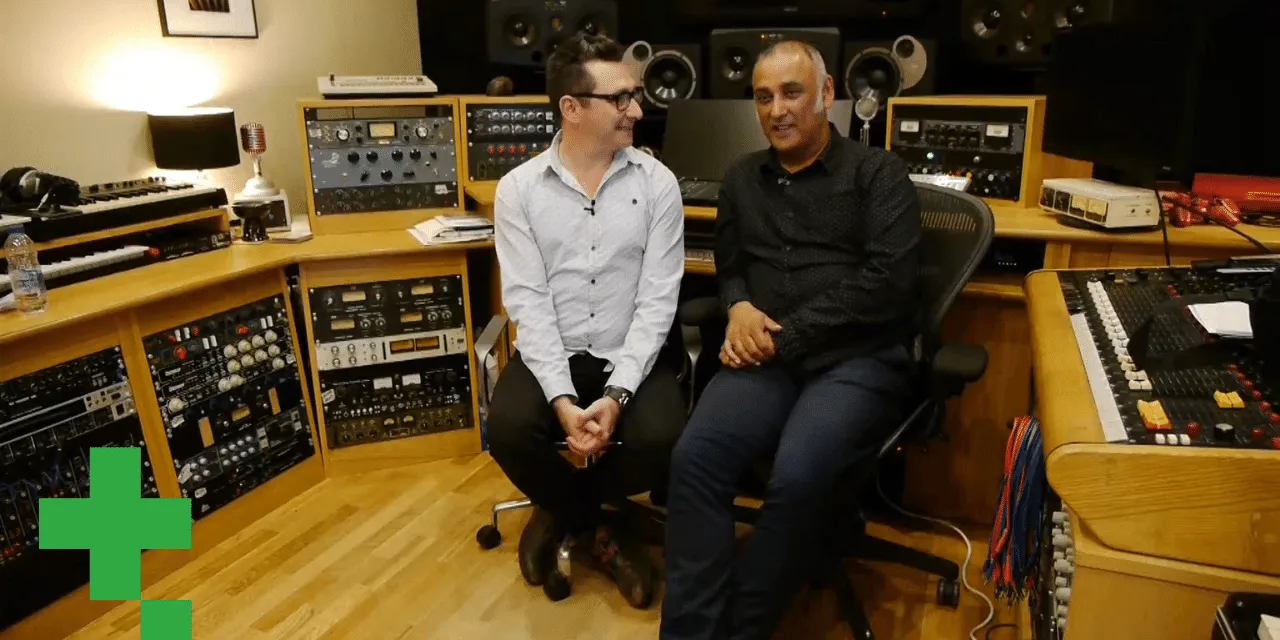
Le contenu du cours
21 leçons (4h 21min) · 1 gratuites
01. Introduction avec Harry Leckstein et Jay Mistry
11:37
02. Une brève histoire de l'édition musicale
6:10
03. Copyright (types de droits) et royalties
Tu es ici11:19
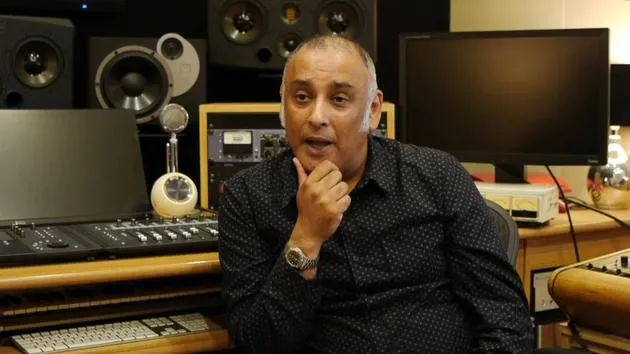
04. Conseils aux artistes : se faire payer et travailler avec les éditeurs
15:35
05. Avances, exclusivité et types de contrats d'édition
14:27
06. Se lancer par soi-même
3:01
07. Le marché du jeu vidéo
2:55
08. Comprendre les contrats d'édition
11:51
09. Le monde du Sync
8:23
10. Branding sonore et qu'est-ce qu'un brief. Étude de cas : Ollie Raphael
3:54
11. Décrypteur du jargon du Sync et briseur de mythes
8:38
12. Comprendre les rôles au sein de l'industrie de la télé et du cinéma
11:43
13. Derniers conseils
9:43
01. Entretien avec Ollie Raphael : Delicious Digital et le travail avec la radio
11:38
02. Entretien avec Dan Mallender (Phase Music) - Musique, promos et bandes-annonces pour les industries de la TV, de la radio, du cinéma et du jeu vidéo
16:04
03. Entretien avec Rachel Menzies - Supervision musicale
11:19
04. Entretien avec Richard Ford (Anger Music) - Travailler avec des compositeurs
16:23
05. Entretien avec Stuart Belsham - Découvrir la PRS
37:15
06. Entretien avec Alessio Nanni (via Skype) - Pianiste et compositeur
15:02
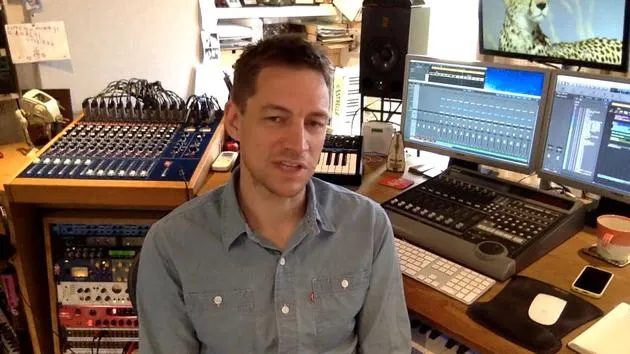
07. Entretien avec Rob Manning (par Skype) - Compositeur pour le cinéma et la TV
15:23

08. Entretien avec Xiaotian Shi (via Skype) - Compositeur pour le cinéma et la TV
18:40
Transcription de la leçon
Understanding Copyright and Royalties in Music
What is Copyright?
Copyright is fundamentally the right to copy. It encompasses:
- The intellectual property rights associated with writing, composing, or creating a work.
- Ownership of the copyright resides with the creator from the moment the work is made, provided it is original.
When you wish to duplicate your work, you can grant rights to others, such as:
- Publishers, who can exploit the music under a publishing deal.
- Record companies, which can record and distribute your music.
When Does Copyright Occur?
Copyright occurs at the moment your work is fixed in some way.
Common Questions:
- Do I need to send a copy of it to myself?
- No, sending a dated copy was a method used pre-digital revolution but is no longer necessary.
- Do I need to register my copyright with a website?
- Not required. Basic electronic dating is sufficient for proof of ownership.
Ownership of Copyright
You retain ownership of your music unless you decide to sell it or assign rights.
- Leasing Copyright: Typically during a publishing deal which lasts for a specific period (e.g., 2-3 years).
- Retention Periods: Some agreements allow for eventual return of rights to the creator.
Types of Rights within Copyright
Two distinct types of rights are inherent in copyright:
- Performance Rights: Usually belong to the publisher or composer.
- Mechanical Rights: Typically owned by a record company or artist.
Distinction Explained:
- If you cover someone else's song, you receive mechanical royalties from that recording.
- If you write and perform your own song, you benefit from performance royalties, which can also come from recordings of that song.
Mechanical vs. Performance Rights
- Mechanical Rights: Link to the recording of a song.
- Performance Rights: Link to the performance of a song.
Importance of Agreements:
When recording in a studio, ensure you have a contract that specifies:
- Your payment for recording.
- Your ownership of the master recording.
Collecting Royalties
Royalties can be collected in several ways:
Types of Royalties:
- Performance Royalties: Generated from live performances, radio play, etc.
- Mechanical Royalties: Collected from sales of physical or digital products.
- Streaming Royalties: For music played on platforms. This is primarily performance-based.
- Sync Licensing: Fees for the use of your music in videos or films.
Sync Licensing
Sync licensing has become increasingly popular because it offers:
- An upfront fee for licensing music.
- Ongoing royalties for each use of the music in TV, film, etc.
Importance of Sync:
As traditional music sales decline, composers and artists look to sync as a profitable avenue. The growth of channels creates opportunities for widespread music use.
Understanding Performance Royalties from TV
With the growth of channels, performance royalties can vary greatly:
- Cue Sheets: Outline which songs are played and are crucial for accurate royalties tracking.
- Licensing: The performance income depends heavily on factors like viewership and whether the use is properly licensed.
Key Points to Remember:
- Not all plays equate to guaranteed royalties.
- Broadcasters negotiate fees based on expected music usage and viewer statistics.
Summary
Understanding copyright and royalties is essential for anyone in the music industry:
- Differentiate between performance and mechanical rights.
- Ensure proper agreements are in place when recording.
- Explore sync licensing as a lucrative alternative revenue stream.
By grasping the mechanics of copyright ownership and royalty collection, you can better navigate the complexities of the music industry.
21 leçons
4h 21m de leçons vidéo structurées
Fonctions vidéo avancées
Ralentissez, bouclez un passage, suivez la partition
Mobile, tablette et ordinateur
Pratiquez où vous voulez
Satisfaction garantie à 100 %
Garantie remboursement 30 jours
Rencontrez votre guru
Rencontrez votre guru
Jay Mistry est un vétéran de l'industrie musicale fort de 30 ans d'expérience et maîtrise la plupart des aspects du business de la musique.
Jay a débuté sa carrière à la Performing Right Society avant de rejoindre BMG Music Publishing, où on lui a demandé de créer de toutes pièces le département de suivi des revenus. En 2003, il a fondé Musical Sleuth Ltd, le premier service indépendant de suivi des royalties de ce type, qui comptait parmi ses clients Eric Clapton et The Beatles.
Ayant maîtrisé les subtilités du copyright et des royalties, Jay s'est vu proposer de devenir Director of Music Services chez The Discovery Channel en 2009. Son succès chez Discovery a conduit les entrepreneurs new-yorkais Jingle Punks à le recruter pour mettre en place et stabiliser leur activité d'édition aux États-Unis tout en développant leur réseau de collecte mondial. Jay conseille aujourd'hui toute une gamme de compositeurs de haut vol, de librairies musicales, de producteurs de cinéma, d'éditeurs et de plateformes technologiques.
Dans A Guide To Music Publishing And Synchronization, Jay distille trois décennies passées au cœur du métier en conseils clairs et pratiques, te montrant comment fonctionnent réellement l'édition, le copyright, les royalties et les accords de sync — et comment les faire travailler pour toi.







