Cuándo necesitas un abogado

Con
Imogen Heap¿Cuándo deberías contar con un abogado? La mayoría de los músicos espera a tener un contrato sobre la mesa, pero cultivar esa relación antes merece la pena.
Qué incluye el curso
44 lecciones (2h 11m) · 1 gratis
01. Conoce a los mánager: por qué los necesitas y qué hacen
2:35
02. Conseguir representación: qué buscan los mánagers
Lección gratis4:39
03. La naturaleza de la relación artista-mánager
5:18
04. Actuar con profesionalidad
2:50

05. ¿Quién es el siguiente? Formar tu equipo
2:14
06. Comisión habitual para los mánagers
2:56

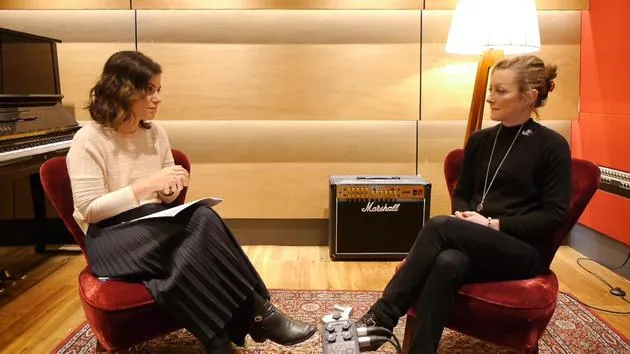
Transcripción de la lección
Building Professional Relationships in the Music Industry
I think it's important that you try and make connections with professionals before the deals land. This way, you'll have a relationship with someone you can trust.
Key Points to Remember:
- Established Relationships: Before deals come in, connect with industry professionals.
- Early Communication: Don't wait until a deal is presented. Reach out and establish communication early.
- Understanding Needs: Know who you're talking to and what kinds of things they are looking for. This facilitates reasonable conversations.
The Importance of Background:
Instead of saying, "This has just come in from X Label, do you think I should sign it?", it's better to approach the situation with:
- Context: Have a bit of background on the artist.
- Goals: Understand their ultimate aims.
This allows you to provide informed advice rather than simply judging a deal as good or bad. For example, instead of saying, "Yes, this is a good deal" or "No, this is a bad deal", you could indicate:
- "This isn't really what you were looking for."
- "This doesn't align with where you want to go."
Long-Term Business Perspective:
It's not uncommon to see clients for the first time when they've just been offered something. However, if you're considering your business as an artist in the long term:
- You should start thinking about what deals you're looking for.
- Begin to put your team around you.
Final Thoughts:
It's always worth getting in touch with lawyers and other professionals:
- Introduce Yourself: Make those important connections early.
- Foster Relationships: When deals come along, you'll have someone to go to, with whom you already have a bit of a relationship.
By following these strategies, you'll be better prepared to navigate offers and make decisions that align with your artistic and business goals.
44 lecciones
2h 11m de lecciones en vídeo estructuradas
Funciones de vídeo avanzadas
Ralentiza, repite un pasaje, sigue la partitura
Móvil, tablet y ordenador
Practica donde quieras
Garantía de satisfacción 100%
30 días de garantía de devolución
Conoce a tu gurú
Conoce a tu gurú
Imogen Heap es una cantante, compositora, productora y tecnóloga inglesa ganadora de un Grammy, cuya influencia recorre dos décadas de pop, electrónica y música para cine — y buena parte de la tecnología que los artistas de hoy dan por sentada.
Nacida en Londres en 1977 y con formación clásica en piano, violonchelo y clarinete, publicó su álbum debut 'iMegaphone' en 1998 antes de formar el dúo Frou Frou con el productor Guy Sigsworth, cuya canción 'Let Go' llegó a una audiencia global gracias a la película Garden State. Su álbum 'Speak for Yourself' (2005), escrito y producido íntegramente por ella, incluyó 'Hide and Seek', el hito a capela que después impulsó el nº 1 de Jason Derulo 'Whatcha Say' y 'Goodnight n Go' de Ariana Grande, y que sigue conquistando a nuevas generaciones de oyentes.
'Ellipse' (2009) ganó el Grammy en la categoría Best Engineered Album, Non-Classical — grabado en su propio estudio doméstico — y más tarde coescribió y produjo 'Clean' en '1989' de Taylor Swift, ganador del Grammy al Álbum del Año. También compuso la música de la obra teatral 'Harry Potter and the Cursed Child'.
Innovadora incansable, Heap desarrolló los guantes gestuales MI.MU — reconocidos con tres doctorados honoris causa — y fundó Mycelia y The Creative Passport, iniciativas que construyen un ecosistema de datos más justo para los artistas. En 2024 regresó con 'What Have You Done to Me?', creada junto a su álter ego vocal de IA, Mogen, mientras el resurgir viral de 'Headlock' acercaba su música a millones de nuevos fans.