Cómo gestionar el conflicto y las relaciones tóxicas

Con
Imogen HeapCómo manejar los conflictos y las relaciones tóxicas en la música: reconocer cuándo la tensión alimenta la creatividad y cuándo ha llegado el momento de alejarse.
Qué incluye el curso
44 lecciones (2h 11m) · 1 gratis
01. Conoce a los mánager: por qué los necesitas y qué hacen
2:35

02. Conseguir representación: qué buscan los mánagers
Lección gratis4:39
03. La naturaleza de la relación artista-mánager
5:18

04. Actuar con profesionalidad
2:50

05. ¿Quién es el siguiente? Formar tu equipo
2:14
06. Comisión habitual para los mánagers
2:56













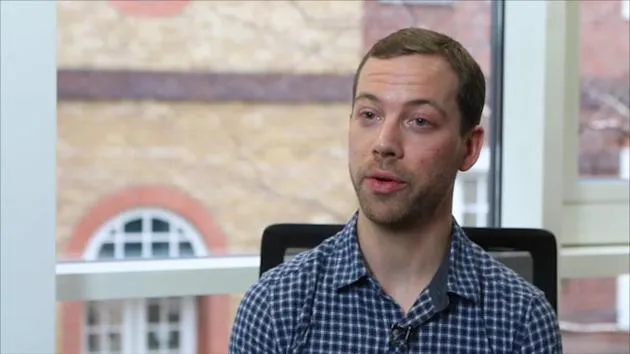
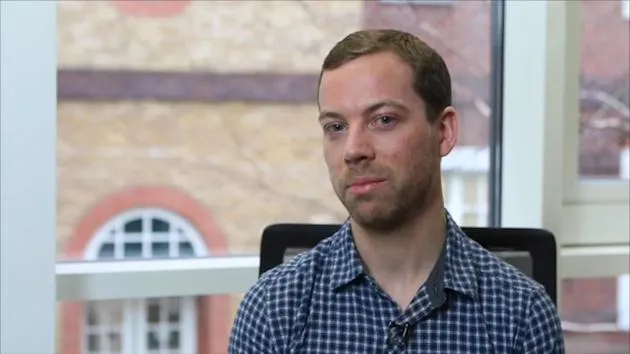
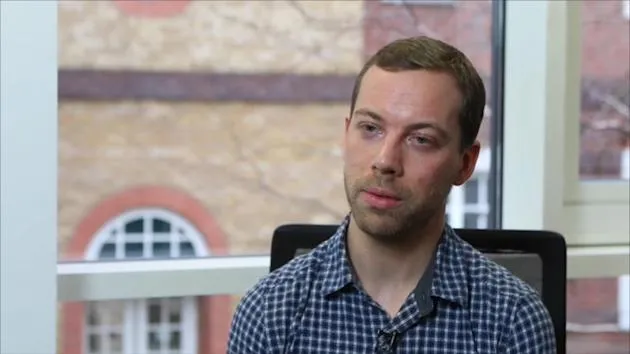
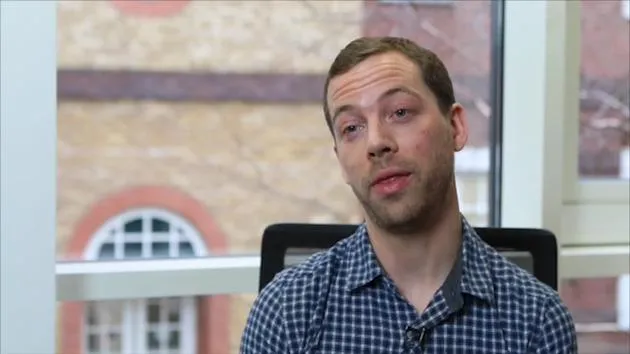





Transcripción de la lección
Navigating Toxic Relationships in Music Creation
If a relationship is toxic, this can happen with co-writers or band members. Sometimes, conflict can be great because it sparks wonderful creativity, and it's actually all right.
I've worked in music for many years, and I can tell you:
- Volatile relationships can lead to the best music.
- When it becomes unhealthy, it's vital to acknowledge that, yes, this is an unhealthy, toxic relationship that we have.
The Dual Nature of Conflict
Yes, it can provide us with material and inspiration for our music. However, if it becomes too much, you have to part ways. Consider what you might lose along the way.
- It is possible to manage conflict healthily.
- When that conflict helps you create a better song, it becomes more manageable if you acknowledge that, yes, this person may be unhealthy.
For instance, this might be someone who:
- Is using a lot of drugs
- Is constantly in bad relationships
Finding Value in Chaos
You might look at the situation and ask yourself: What is the value of this for both of us?
- It's crucial to want them to be healthy, but if the goal is delivering creative material, those clashes can sometimes work in your favor.
- Once you accept and acknowledge these conflicts, you might find that it's actually beneficial.
Reflecting on Conflict
When you experience conflict, consider:
- Is there anything good coming from this conflict?
- What will I lose if I remove this conflict from my life?
You often find artists who have had some success, who now have a manager, perhaps a friend from their early days.
- This first manager may be the most honest voice in their career.
- When this manager says, "Hey, this third single sucks. You need to rewrite this," successful artists might react defensively, thinking, "I've had two hits; I don't need to listen to you anymore."
As this conflict escalates, artists may surround themselves with sycophants, leading to a crucial moment of reflection:
- Is this person still being honest with me?
- Are they perhaps giving me good advice, even if I don't want to hear it?
A Lesson in Listening
It's about understanding the nature of the conflict. Sometimes, the things we don't want to hear are the very things we learn and grow from.
44 lecciones
2h 11m de lecciones en vídeo estructuradas
Funciones de vídeo avanzadas
Ralentiza, repite un pasaje, sigue la partitura
Móvil, tablet y ordenador
Practica donde quieras
Garantía de satisfacción 100%
30 días de garantía de devolución
Conoce a tu gurú
Conoce a tu gurú
Imogen Heap es una cantante, compositora, productora y tecnóloga inglesa ganadora de un Grammy, cuya influencia recorre dos décadas de pop, electrónica y música para cine — y buena parte de la tecnología que los artistas de hoy dan por sentada.
Nacida en Londres en 1977 y con formación clásica en piano, violonchelo y clarinete, publicó su álbum debut 'iMegaphone' en 1998 antes de formar el dúo Frou Frou con el productor Guy Sigsworth, cuya canción 'Let Go' llegó a una audiencia global gracias a la película Garden State. Su álbum 'Speak for Yourself' (2005), escrito y producido íntegramente por ella, incluyó 'Hide and Seek', el hito a capela que después impulsó el nº 1 de Jason Derulo 'Whatcha Say' y 'Goodnight n Go' de Ariana Grande, y que sigue conquistando a nuevas generaciones de oyentes.
'Ellipse' (2009) ganó el Grammy en la categoría Best Engineered Album, Non-Classical — grabado en su propio estudio doméstico — y más tarde coescribió y produjo 'Clean' en '1989' de Taylor Swift, ganador del Grammy al Álbum del Año. También compuso la música de la obra teatral 'Harry Potter and the Cursed Child'.
Innovadora incansable, Heap desarrolló los guantes gestuales MI.MU — reconocidos con tres doctorados honoris causa — y fundó Mycelia y The Creative Passport, iniciativas que construyen un ecosistema de datos más justo para los artistas. En 2024 regresó con 'What Have You Done to Me?', creada junto a su álter ego vocal de IA, Mogen, mientras el resurgir viral de 'Headlock' acercaba su música a millones de nuevos fans.