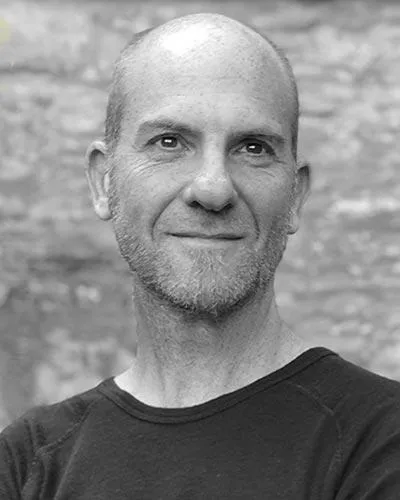
Ser fiel a ti mismo como artista

Con
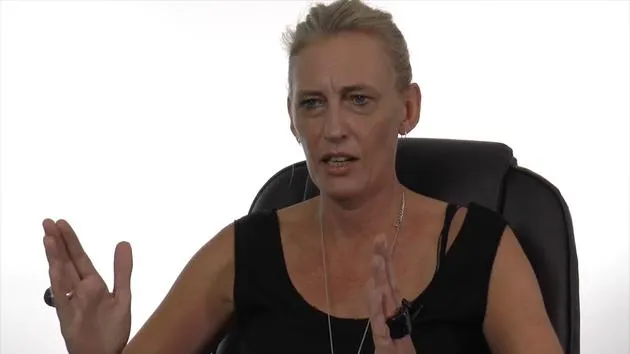
Imogen HeapLa psicóloga conductual Claire Cvier habla de saber quién eres como artista y de por qué construir una carrera sobre el sueño de otra persona puede causar un verdadero daño psicológico.
Qué incluye el curso
44 lecciones (2h 11m) · 1 gratis
01. Conoce a los mánager: por qué los necesitas y qué hacen
2:35
02. Conseguir representación: qué buscan los mánagers
Lección gratis4:39
03. La naturaleza de la relación artista-mánager
5:18

04. Actuar con profesionalidad
2:50

05. ¿Quién es el siguiente? Formar tu equipo
2:14
06. Comisión habitual para los mánagers
2:56





















Transcripción de la lección
Music Mentorship Insights with Claire Cvier
Introduction
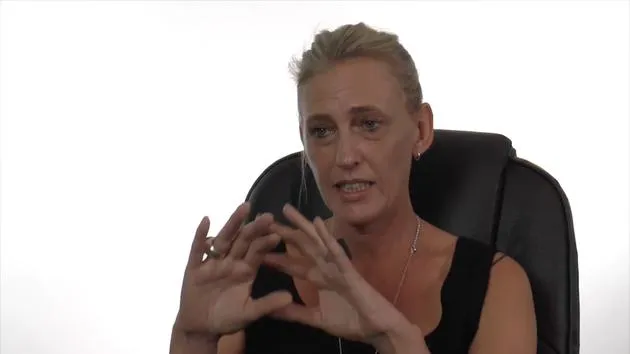
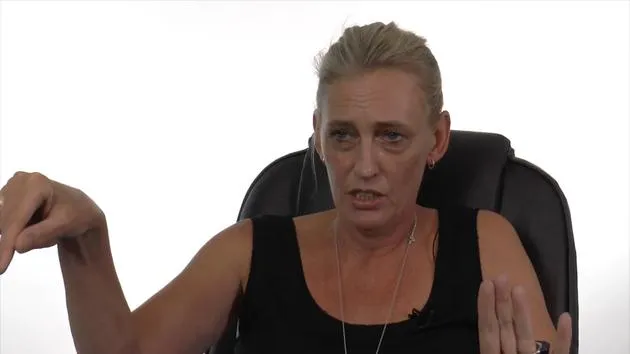
My name's Claire Cvier. I work now as a behavioural psychologist. I apply behavioural psychology to mentoring and developing artists, as well as assisting management companies, agents, labels, and publishers when artists need a little bit of extra support.
Finding Your Destination
When I work with new people who are really starting from scratch, I take them into this sort of value system:
- Finding Your Goal: Ask yourself, if you were getting in a taxi, do you know the exact destination you want to go to?
- Are you vaguely saying it's about fame or happiness?
- You have to really focus on what your message is and why you're doing this, as well as the greater good of your work.
Once you set that charter, it starts to make it a lot easier to determine what measures need to be taken to reach your final destination.
The Challenges Artists Face
There's a lot of artists who sign with labels, and they often feel pressured to conform. They may:
- Take the first deal offered
- Wear the clothes suggested
- Change their appearance based on external opinions
I think it's been documented that artists like Marina and the Diamonds have experienced similar challenges. You achieve some success, collaborate, write with others, and release an album that the record company and your manager want to put out.
Even at the time, it's easy to think, "Hey, I can't complain about this; I'm doing well." But then comes the realization:
"Oh, that's not representative of the person I am."
Marina has since written an album herself and expressed satisfaction with it, stating:
"I don't really mind if it doesn't sell or if it's not a massive commercial success."
Understanding Success
It's crucial to understand what success means to you. Fame is a very strange, abstract thing. Do you want a long-term, sustainable career in music? If so, the more you build up your skill set, the better.
- If you're just a singer doing covers without the ability to play or produce, you may find yourself living someone else's dream.
- That's fine if you understand that it is someone else's dream.
However, if you know deep down that you need to write these songs and have words to express, remember:
- Your value is significant.
- There is a reason you are doing what you do; it can change the world in some way, whether it's making people happier or connecting with others who have been in similar situations.
The Cost of Fame
You really do have to acknowledge this. If you don't, you often see where people take the fame, and it turns into:
- Drugs
- Drinking
- Self-harm
You must measure what you're losing along the way to get to where you want to be.
Consider the sacrifices required:
- Being apart from family
- Navigating relationships
It's very difficult to maintain a relationship while pursuing a career as a musician. You have to let a lot go.
"You can't have it all."
Ultimately, you need to assess whether it's possible for you to balance these aspects, as ignoring this can lead to dangerous outcomes.
44 lecciones
2h 11m de lecciones en vídeo estructuradas
Funciones de vídeo avanzadas
Ralentiza, repite un pasaje, sigue la partitura
Móvil, tablet y ordenador
Practica donde quieras
Garantía de satisfacción 100%
30 días de garantía de devolución
Conoce a tu gurú
Conoce a tu gurú
Imogen Heap es una cantante, compositora, productora y tecnóloga inglesa ganadora de un Grammy, cuya influencia recorre dos décadas de pop, electrónica y música para cine — y buena parte de la tecnología que los artistas de hoy dan por sentada.
Nacida en Londres en 1977 y con formación clásica en piano, violonchelo y clarinete, publicó su álbum debut 'iMegaphone' en 1998 antes de formar el dúo Frou Frou con el productor Guy Sigsworth, cuya canción 'Let Go' llegó a una audiencia global gracias a la película Garden State. Su álbum 'Speak for Yourself' (2005), escrito y producido íntegramente por ella, incluyó 'Hide and Seek', el hito a capela que después impulsó el nº 1 de Jason Derulo 'Whatcha Say' y 'Goodnight n Go' de Ariana Grande, y que sigue conquistando a nuevas generaciones de oyentes.
'Ellipse' (2009) ganó el Grammy en la categoría Best Engineered Album, Non-Classical — grabado en su propio estudio doméstico — y más tarde coescribió y produjo 'Clean' en '1989' de Taylor Swift, ganador del Grammy al Álbum del Año. También compuso la música de la obra teatral 'Harry Potter and the Cursed Child'.
Innovadora incansable, Heap desarrolló los guantes gestuales MI.MU — reconocidos con tres doctorados honoris causa — y fundó Mycelia y The Creative Passport, iniciativas que construyen un ecosistema de datos más justo para los artistas. En 2024 regresó con 'What Have You Done to Me?', creada junto a su álter ego vocal de IA, Mogen, mientras el resurgir viral de 'Headlock' acercaba su música a millones de nuevos fans.