Introducción: para qué sirve un contrato

Con
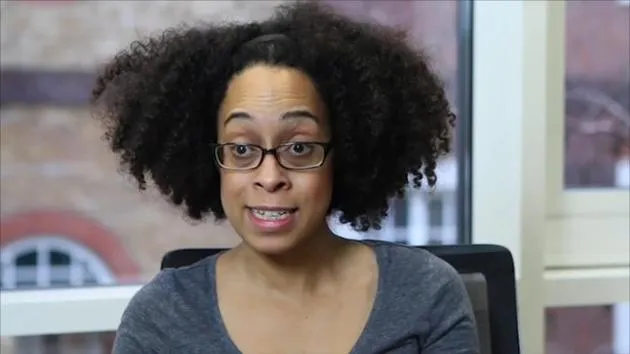
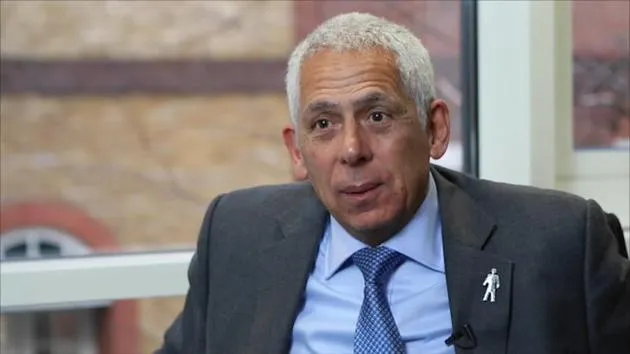
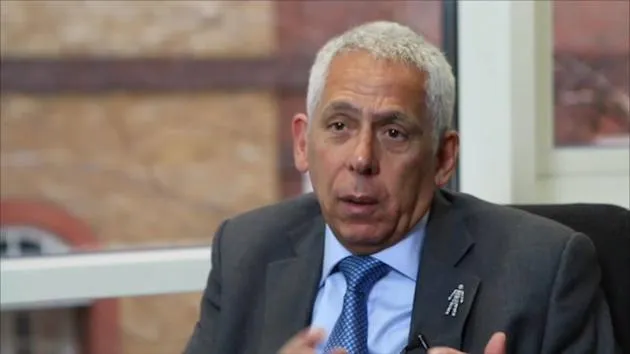
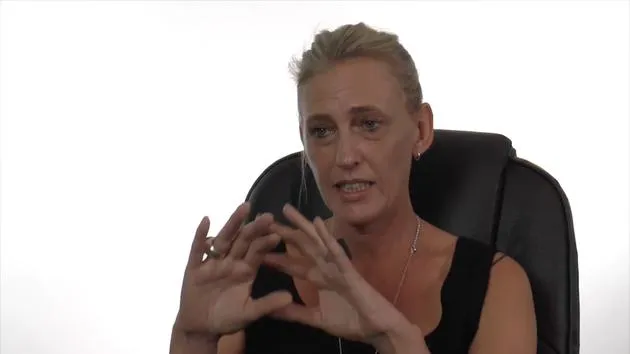
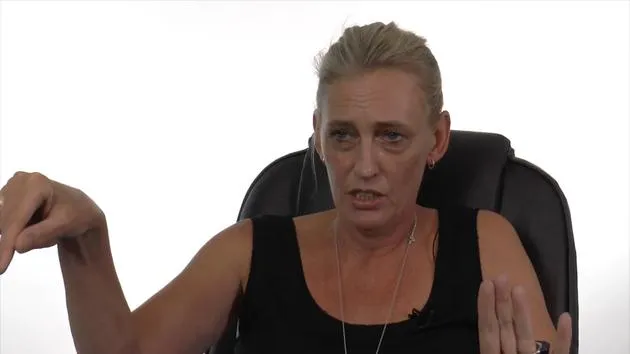
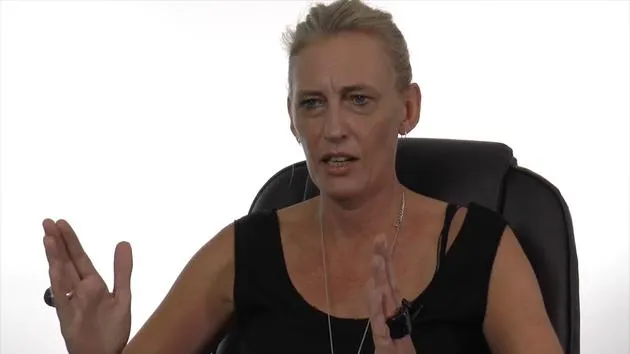
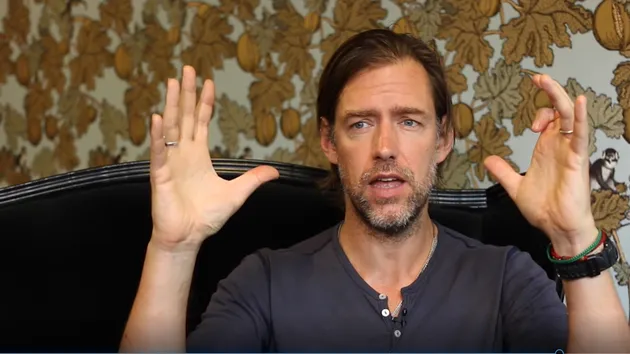
Imogen HeapLa músico Katie Melua y Lucie Caswell, directora ejecutiva de la Featured Artist Coalition, presentan su charla sobre los aspectos esenciales de los contratos
Qué incluye el curso
44 lecciones (2h 11m) · 1 gratis
01. Conoce a los mánager: por qué los necesitas y qué hacen
2:35
02. Conseguir representación: qué buscan los mánagers
Lección gratis4:39

03. La naturaleza de la relación artista-mánager
5:18

04. Actuar con profesionalidad
2:50
05. ¿Quién es el siguiente? Formar tu equipo
2:14
06. Comisión habitual para los mánagers
2:56
























Transcripción de la lección
Understanding Music Industry Contracts
Introduction
Hello! I'm Katie Melloa, a musician with experience in the music industry since I was 18. Today, we're here to demystify contracts in the music world. I'm excited to be joined by the incredible Lucy Caswell for this conversation.
Important Note: While we have extensive experience, neither of us is a qualified lawyer. We hope to share our insights drawn from years in the industry.
Meet Lucy Caswell
- Background: I am the Chief Executive of the Featured Artists Coalition (FAC). Our mission is to help artists develop their careers through various forms of support.
- Services Offered:
- Advocating for artists' voices in policy-making
- Providing access to legal advice
- Supporting artists as small businesses
We also provide resources like a standard management contract available on the FAC website.
Sample Contract
- Management Contract: The contract is a collaboration with the Music Managers Forum and the Musicians Union.
- Purpose: It's a thorough example that offers insight into standard practices, though individual contracts may differ.
Breakdown of Contracts
Understanding a contract can reduce fear when faced with difficult legal language and high hourly rates from lawyers.
Key Features of Contracts
-
Purpose:
- A contract sets the ground rules for collaboration.
- It outlines who is working with whom and how the partnership will function.
-
Evolution of Contracts:
- My experience with different management contracts demonstrates how they evolve. My present contract with ATC differs significantly from my first contract at 18, reflecting my growth as an artist and change in my objectives.
-
Support Needs:
- Different contracts address varying levels of support based on your career stage.
Recommendations for Artists
-
Know What Matters:
- Identify what you care about in a partnership.
- Discuss these priorities during contract negotiations.
-
Building Relationships:
- Establish a foundation of trust with your manager.
- The contract serves as solid documentation of your relationship, providing clarity and direction.
Conclusion
In essence, effective contract discussions and negotiations stem from understanding your own values and establishing clear communication with your manager. As you navigate the music industry, remember that contracts can be a powerful tool when used effectively.
Let's continue this conversation and explore more about music industry contracts together!
44 lecciones
2h 11m de lecciones en vídeo estructuradas
Funciones de vídeo avanzadas
Ralentiza, repite un pasaje, sigue la partitura
Móvil, tablet y ordenador
Practica donde quieras
Garantía de satisfacción 100%
30 días de garantía de devolución
Conoce a tu gurú
Conoce a tu gurú
Imogen Heap es una cantante, compositora, productora y tecnóloga inglesa ganadora de un Grammy, cuya influencia recorre dos décadas de pop, electrónica y música para cine — y buena parte de la tecnología que los artistas de hoy dan por sentada.
Nacida en Londres en 1977 y con formación clásica en piano, violonchelo y clarinete, publicó su álbum debut 'iMegaphone' en 1998 antes de formar el dúo Frou Frou con el productor Guy Sigsworth, cuya canción 'Let Go' llegó a una audiencia global gracias a la película Garden State. Su álbum 'Speak for Yourself' (2005), escrito y producido íntegramente por ella, incluyó 'Hide and Seek', el hito a capela que después impulsó el nº 1 de Jason Derulo 'Whatcha Say' y 'Goodnight n Go' de Ariana Grande, y que sigue conquistando a nuevas generaciones de oyentes.
'Ellipse' (2009) ganó el Grammy en la categoría Best Engineered Album, Non-Classical — grabado en su propio estudio doméstico — y más tarde coescribió y produjo 'Clean' en '1989' de Taylor Swift, ganador del Grammy al Álbum del Año. También compuso la música de la obra teatral 'Harry Potter and the Cursed Child'.
Innovadora incansable, Heap desarrolló los guantes gestuales MI.MU — reconocidos con tres doctorados honoris causa — y fundó Mycelia y The Creative Passport, iniciativas que construyen un ecosistema de datos más justo para los artistas. En 2024 regresó con 'What Have You Done to Me?', creada junto a su álter ego vocal de IA, Mogen, mientras el resurgir viral de 'Headlock' acercaba su música a millones de nuevos fans.