Entender tu negocio y a sus inversores

Con
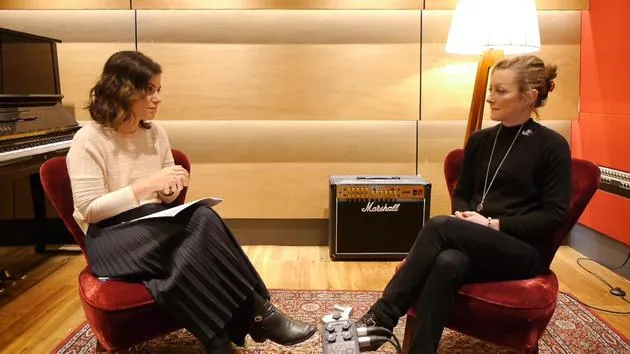
Imogen HeapAsesores del sector explican las distintas formas de financiar una carrera musical, desde subvenciones y crowdfunding hasta inversión de capital, y qué esperan los inversores a cambio.
Qué incluye el curso
44 lecciones (2h 11m) · 1 gratis
01. Conoce a los mánager: por qué los necesitas y qué hacen
2:35
02. Conseguir representación: qué buscan los mánagers
Lección gratis4:39
03. La naturaleza de la relación artista-mánager
5:18
04. Actuar con profesionalidad
2:50
05. ¿Quién es el siguiente? Formar tu equipo
2:14
06. Comisión habitual para los mánagers
2:56
01. Entender tu negocio y a sus inversores
Estás aquí3:51
02. Financiación de amigos y familia
1:55
03. Financiación mediante subvenciones
2:41
04. Crowdfunding
4:18
05. El modelo de Pledge Music
5:01
06. Patrocinio y colaboraciones con marcas
3:03
07. Financiación mediante deuda
2:51
08. Inversión de capital
2:35
Transcripción de la lección
Lesson on Music Industry Finance
Introduction
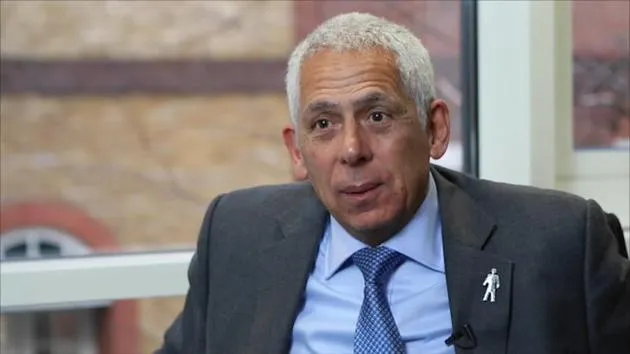
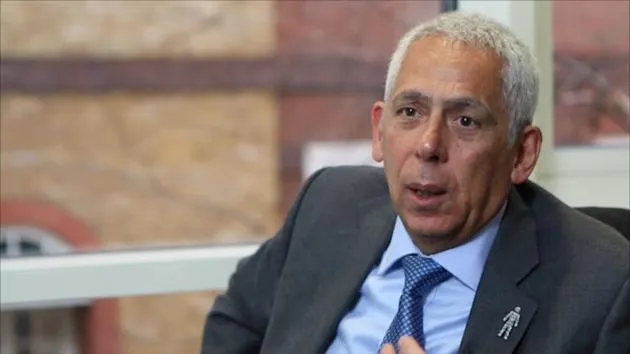
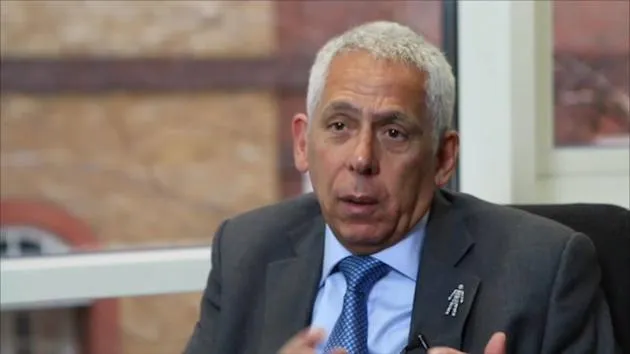
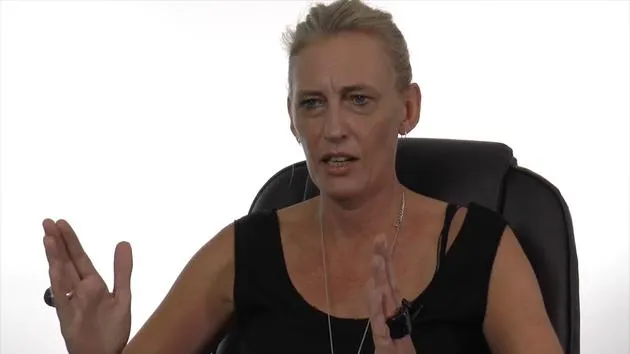
My name is Chris Panay. I'm an accountant.
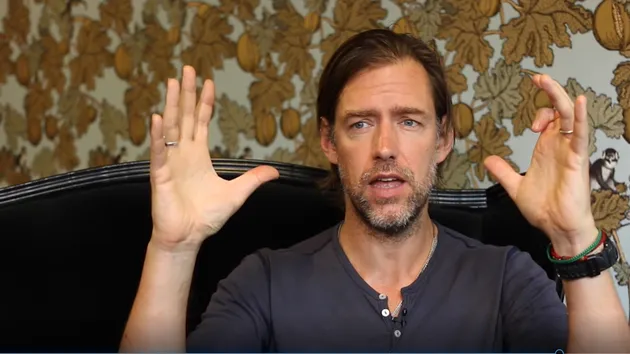
I'm Paul Barton, the managing director of Pledge Music UK.
My name is Remy Harris. I'm a consultant and a business advisor. I run my own company, CC Pen, Eye & Co., and have done so for the last 35 years.
Understanding the Music Industry
Pledge Music is a direct-to-fan music company that's designed to work with facets of the music industry.
Key Components
My specialty is advising music companies on finance and funding.
- Every artist must recognize that we call it the music industry for one reason: it is an industry.
- Just like any other industry, you must know all the key components.
Common Misconceptions
I've had people in the past say to me:
"I don't want to know anything about the money, I just want to concentrate on my art."
It has been said to me so many times. My view is:
"No, you have to know about your business."
We will teach you about your business across all types of funding and investment.
Understanding Financial Expectations
The most important thing is to understand what the person that you're asking for money wants.
- Know their expectations of you.
- Whether it's asking your mum for money or a venture capital investor or the bank, they all have different reasons for being willing to invest in you.
- They may want to make a lot of money back.
- They may just want to see you do well.
It's really important to focus on what that person wants and how you're going to communicate that to them.
The Importance of Financial Awareness
There will come a day when you will want to know about your money:
- How much money do you have?
- How long can it last?
- Why have I got so little?
- Why have I got so much?
It's crucial for every single artist to take the role of their accountant very, very seriously.
The Accountant's Role
I know some artists find it daunting, but they shouldn't.
- Your accountant is part of your management team.
- They are no different from your manager, who guides your career, or your lawyer, who provides legal protection.
The accountant is there to guide you in terms of your business career.
Developing Lifelong Financial Skills
By taking control of the financial side of your business, you're going to develop lifelong skills that will aid your career.
- Hopefully, you'll have a long career as an artist and will need these skills for negotiating deals and sorting out the money side of things.
Continuing to Seek Opportunities
Even if you're not successful at first, spend time and effort looking into opportunities for funding.
"It could be really, really valuable for sustaining your career in the long term."
The Importance of Strong Professional Relationships
My mantra, especially for young artists, is:
"You're only as strong as your weakest link."
- If you have a weak manager, your career will not progress as quickly or at all.
- If you have a weak lawyer, where the contractual ramifications haven't been thought through, you will encounter problems down the line.
- The same applies to an accountant.
If the accountant isn't fully on board and knows what they're doing, that deficiency will be illustrated very clearly at some point.
Conclusion
It's very important for everyone to recognize their role, and the artist is at the epicenter, looking at each component part.
44 lecciones
2h 11m de lecciones en vídeo estructuradas
Funciones de vídeo avanzadas
Ralentiza, repite un pasaje, sigue la partitura
Móvil, tablet y ordenador
Practica donde quieras
Garantía de satisfacción 100%
30 días de garantía de devolución
Conoce a tu gurú
Conoce a tu gurú
Imogen Heap es una cantante, compositora, productora y tecnóloga inglesa ganadora de un Grammy, cuya influencia recorre dos décadas de pop, electrónica y música para cine — y buena parte de la tecnología que los artistas de hoy dan por sentada.
Nacida en Londres en 1977 y con formación clásica en piano, violonchelo y clarinete, publicó su álbum debut 'iMegaphone' en 1998 antes de formar el dúo Frou Frou con el productor Guy Sigsworth, cuya canción 'Let Go' llegó a una audiencia global gracias a la película Garden State. Su álbum 'Speak for Yourself' (2005), escrito y producido íntegramente por ella, incluyó 'Hide and Seek', el hito a capela que después impulsó el nº 1 de Jason Derulo 'Whatcha Say' y 'Goodnight n Go' de Ariana Grande, y que sigue conquistando a nuevas generaciones de oyentes.
'Ellipse' (2009) ganó el Grammy en la categoría Best Engineered Album, Non-Classical — grabado en su propio estudio doméstico — y más tarde coescribió y produjo 'Clean' en '1989' de Taylor Swift, ganador del Grammy al Álbum del Año. También compuso la música de la obra teatral 'Harry Potter and the Cursed Child'.
Innovadora incansable, Heap desarrolló los guantes gestuales MI.MU — reconocidos con tres doctorados honoris causa — y fundó Mycelia y The Creative Passport, iniciativas que construyen un ecosistema de datos más justo para los artistas. En 2024 regresó con 'What Have You Done to Me?', creada junto a su álter ego vocal de IA, Mogen, mientras el resurgir viral de 'Headlock' acercaba su música a millones de nuevos fans.