



PUSH 1
Con
Brian Funk
Qué incluye el curso
30 lecciones (2h 20m) · 1 gratis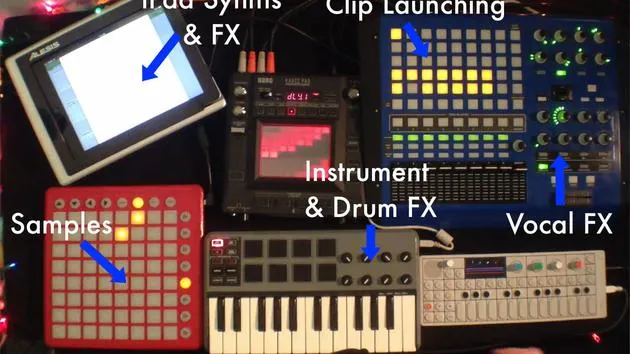
Transcripción de la lección
Using Push in Live Performance
I'd like to talk a little bit about using the Push inside a live performance. Ableton's Push controller was designed to solve an old problem, as they say, of creating a track from scratch. And it's excellent at that. It really does shine in that respect.
Can it Work in a Live Situation?
But can it work in a live situation? And I found yes, very much so. It's very fun and useful. However, there are a few things you want to think about. I'm going to go over all this stuff right now.
My Setup
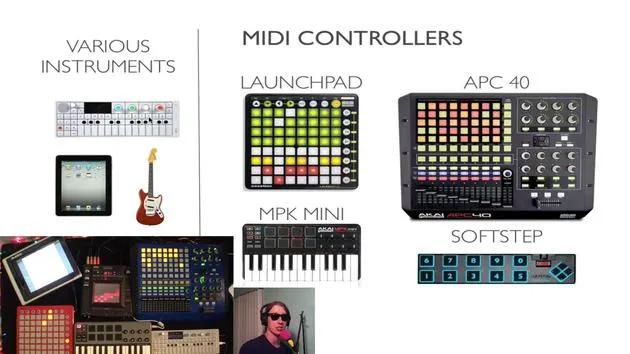
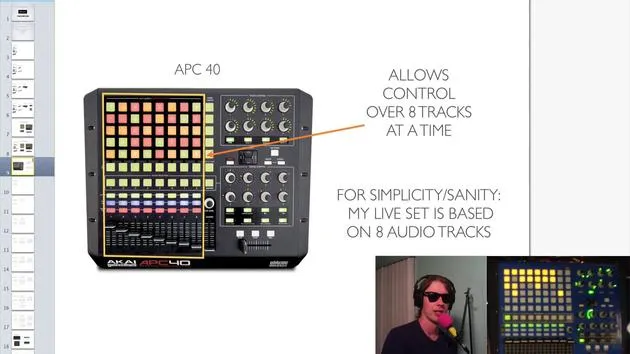
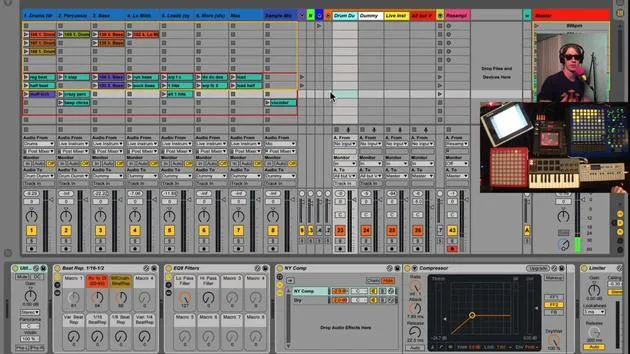
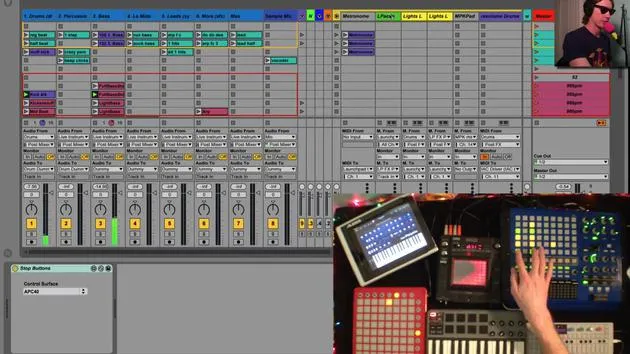
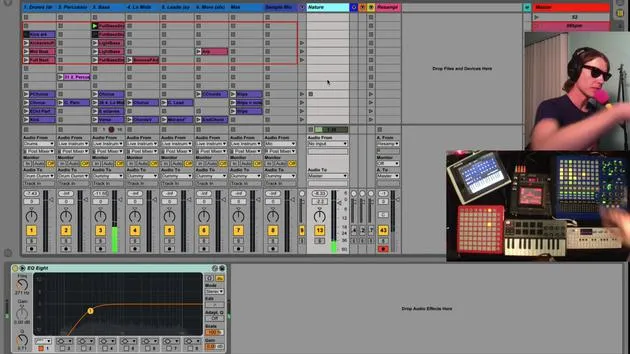
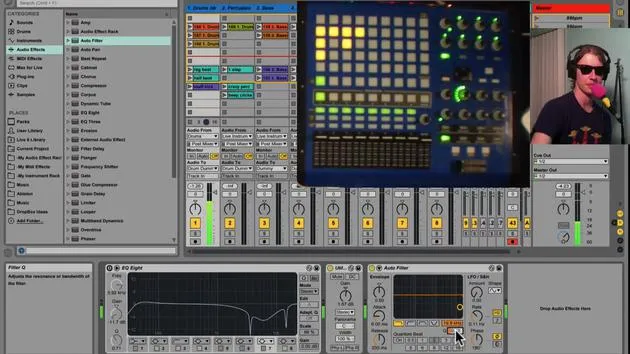
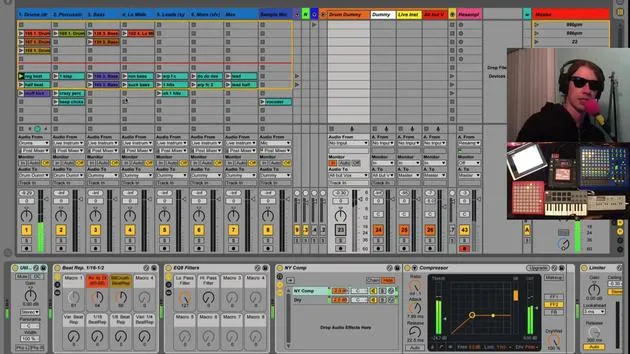
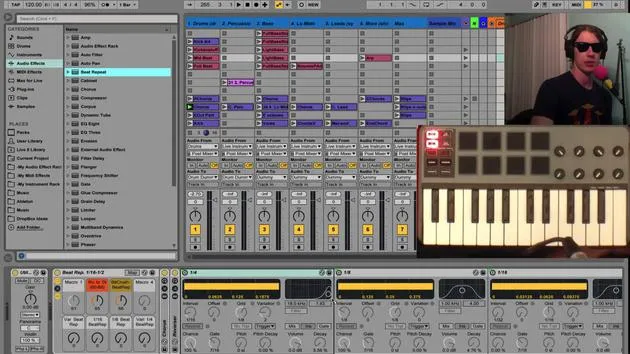
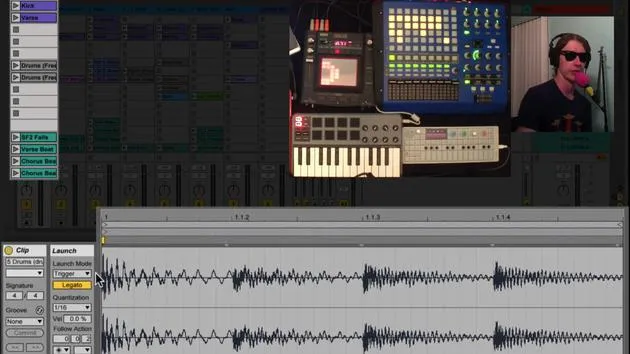
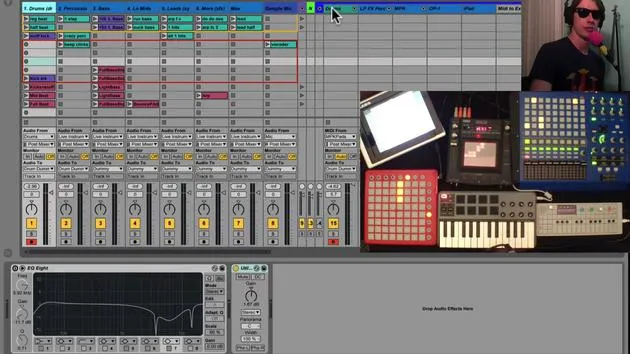
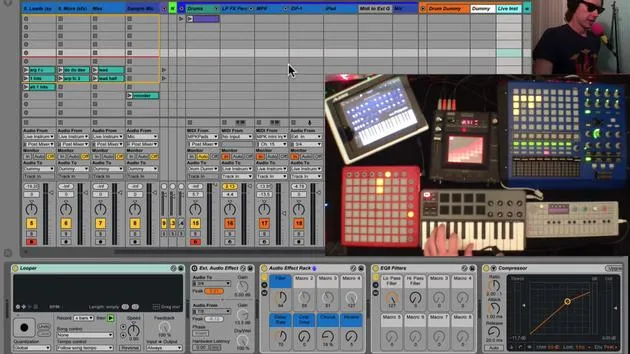
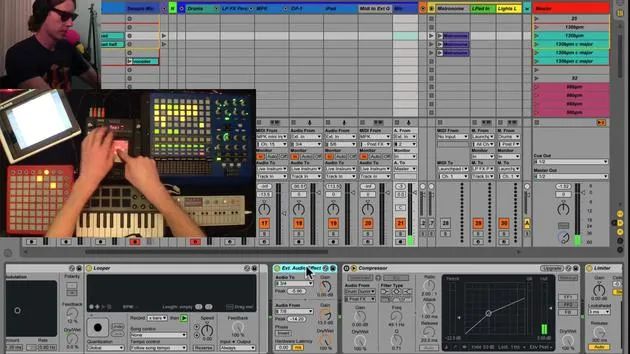
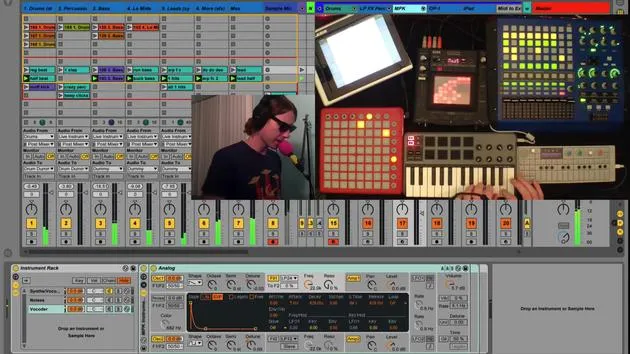
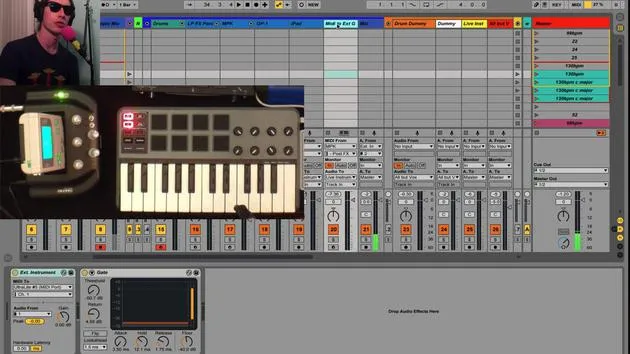
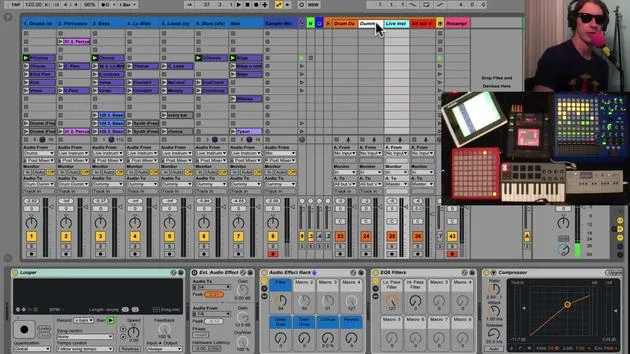
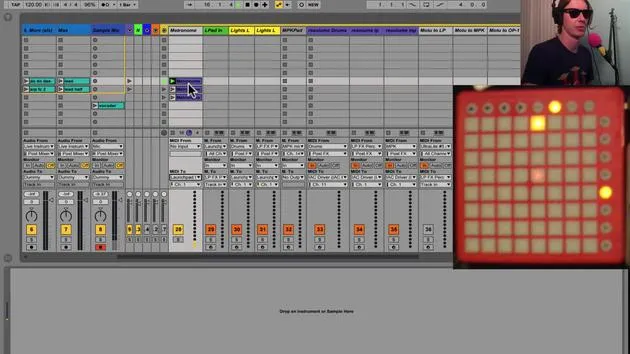
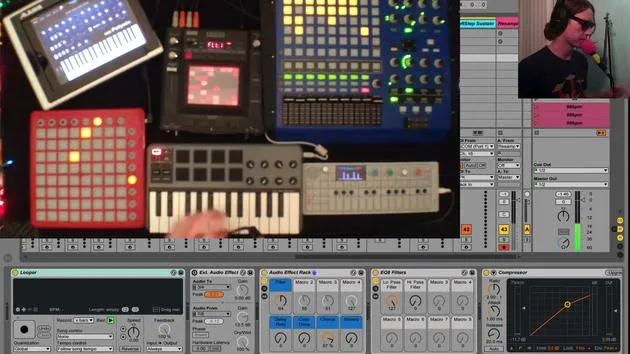
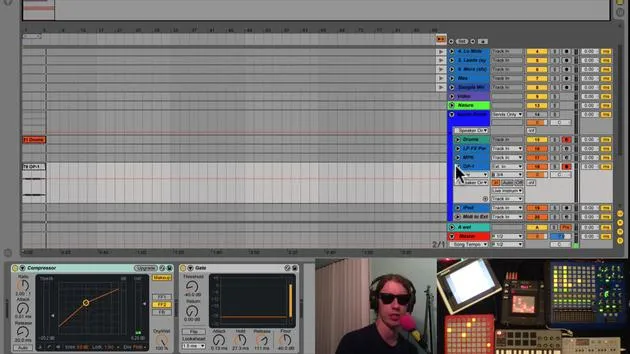
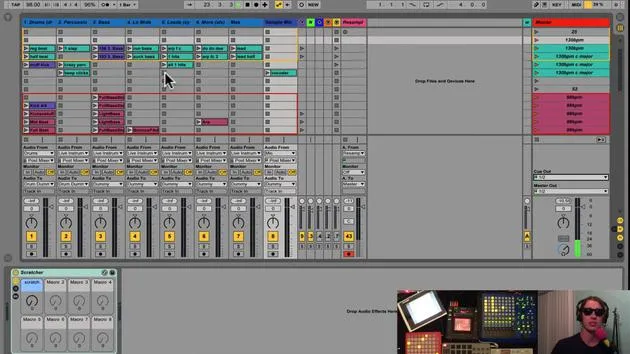
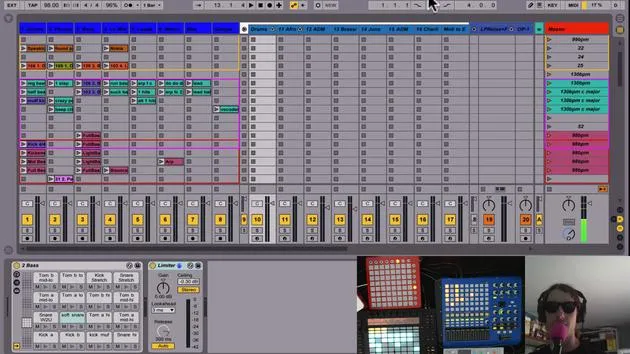
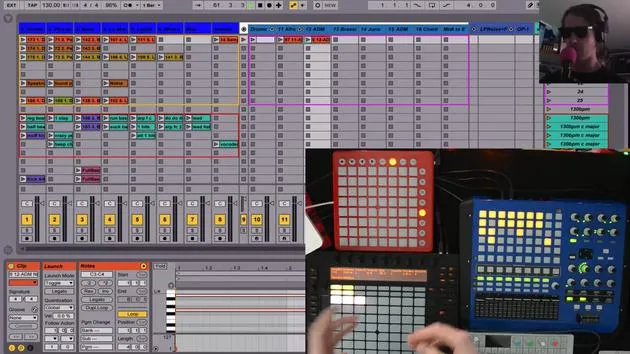
The first thing I've done is, you know, I've got my normal tracks with all the clips and everything over here on the left. I keep track of all that using the APC40. I find that to be just what I'm used to.
So that's what I'm doing right now. I could very easily use the Push and travel through everything. The Push is nice because it gives me:
- Eight clips instead of five rows of clips
- Color coding
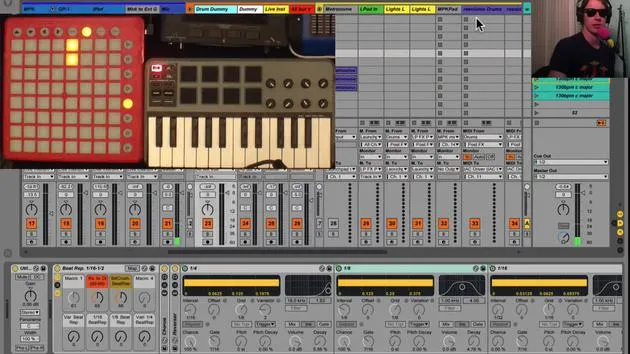
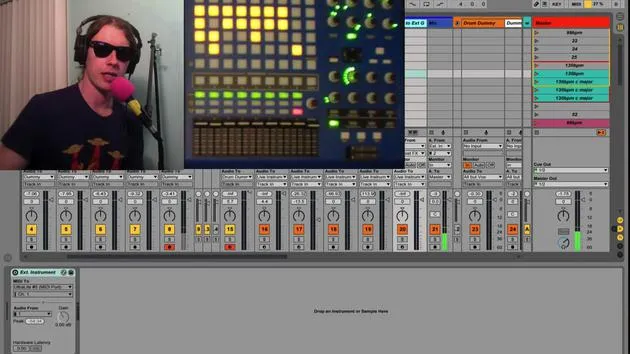
But the reason I'm doing it this way is that I like to keep my Push over here because I've created eight tracks of instruments. These tracks include:
- Drums
- Percussive sounds
- Synths
- All kinds of stuff
Recording and Controlling Clips
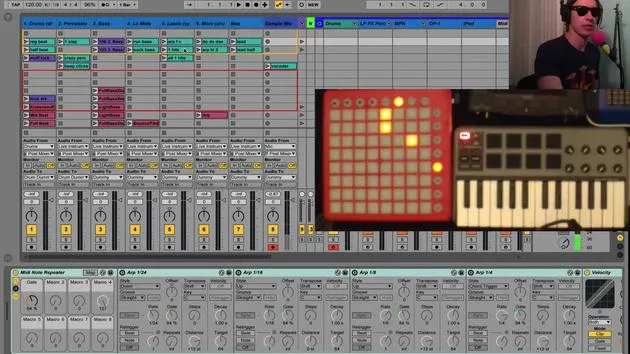
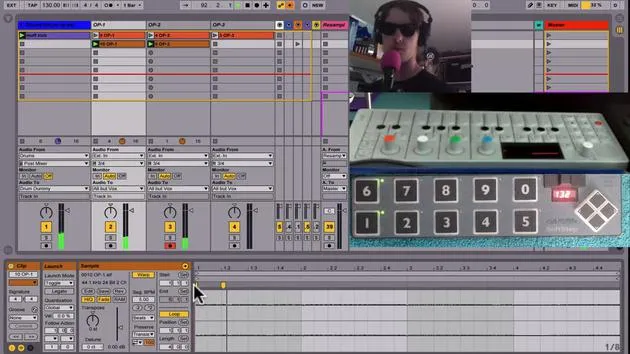
What I like to do is to record in here and then use Session Mode to control my clips that will be coming over.
Starting Off with Drums
So I'll give you a little example. Push is great for starting off songs. I might start off with some drums. I will get my Session Mode right up here where it's going to be, and go back to Note.
- I'm just going to start throwing in some kicks
- Followed by some snares
- Then some hi-hats
Okay, so right there, I've just got a beat, and this could very well be how I start a song off.
Adding More Elements
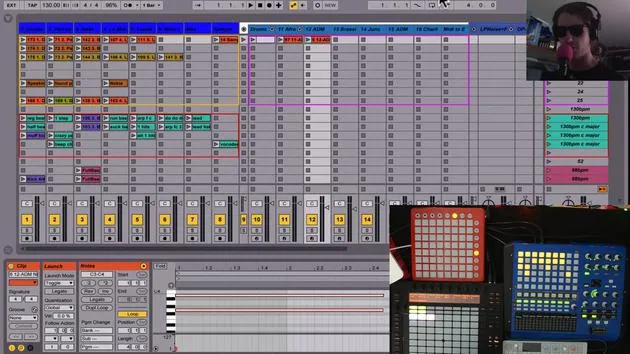
I'll move over to the next track and throw in some percussion. Now I can move over to my next track and throw in an arpeggiated line, and so on and so forth.
What I've basically done here is started off a track just with the Push.
Mixing Improvisation with Pre-Recorded Songs
Now, what's kind of fun is I can then go into my other clips and start throwing in other things. For example, I might supplement the drums with the beat from one of my songs.
- Okay, so now I've got a beat here.
- I'm playing in the same key, so I can throw in things that are going on in my track later on.
I might then drop out some of the stuff going on here, take out that percussion, drop my drums, and then take that part out.
Now what I've done is I'm inside one of my pre-recorded songs and I've basically taken an improvisation and switched into now a track that I'm going to start playing for my show.
Conclusion
So, I'm finding Push to be really useful for improvisation in between tracks or to start off tracks. It's really great for that!
30 lecciones
2h 20m de lecciones en vídeo estructuradas
Funciones de vídeo avanzadas
Ralentiza, repite un pasaje, sigue la partitura
Móvil, tablet y ordenador
Practica donde quieras
Garantía de satisfacción 100%
30 días de garantía de devolución
Conoce a tu gurú
Conoce a tu gurú
Brian Funk es músico, productor, compositor y Ableton Certified Trainer. Desde 2014 imparte el curso Advanced Music Production with Ableton Live para el Berklee College of Music. Ha tocado la guitarra, el bajo, la batería y los sintetizadores, y ha cantado en bandas de rock de gira, y hoy en día se centra en su directo electrónico en solitario, llevando al escenario sus experimentos de estudio.
A Brian le encanta escribir, enseñar y el diseño de sonido. Produce tutoriales y Sound Packs de Ableton Live, y desde 2011 publica Packs gratuitos de Ableton Live: más de 125 hasta ahora. Como Ableton Certified Trainer ha dado clases y seminarios que abarcan cada fase del proceso de producción, y escribe con regularidad en su blog y para otras publicaciones.
Influenciado por el rock and roll, los videojuegos, el primer hip hop, el punk y la electrónica, desde The Beatles, Neil Young, Nirvana y Aerosmith hasta Neon Indian, describe su propio sonido como 'futurista, aunque nostálgico'. En su curso de MusicGurus, Live Performance in Ableton Live, te muestra cómo convierte ideas de estudio en un directo real y práctico: sampleando sonidos y transformándolos en instrumentos tocables, pasando guitarras y sintetizadores por equipos electrónicos, y mezclando y componiendo sobre la marcha mientras toca en directo y canta. Acabarás siendo capaz de construir e interpretar tu propio directo electrónico con confianza.







