



Rock-Lektion 2 - Pausen hinzufügen
Sophie Alloway stellt die Viertelpause vor und zeigt, wie der Raum, den du lässt, genauso wichtig ist wie die Noten, und wie das Durchzählen der Übungen dein Timing stabil hält.
Das steckt im Kurs
114 Lektionen (3h 47m) · 1 gratis
01. Einführung ins Rock-Schlagzeug
7:55
02. Beispiel 1 - Single Strokes
2:44
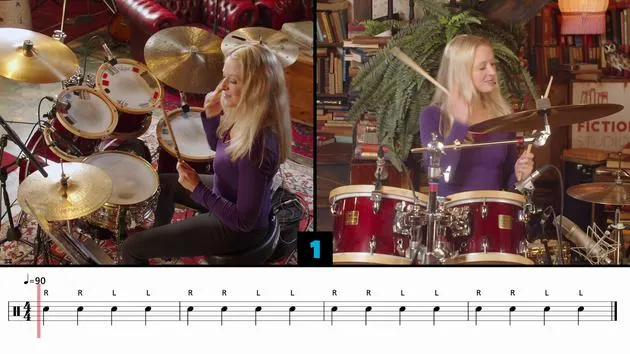
03. Beispiel 2 - Doppelschläge
1:28
04. Beispiel 3 - Paradiddles
2:37
05. Bonus - Single Strokes, Double Strokes und Paradiddles kombinieren
2:22
06. Rock-Lektion 2 - Pausen hinzufügen
Du bist hier1:48
07. Beispiel 1 - Pause auf Schlag 4
1:56
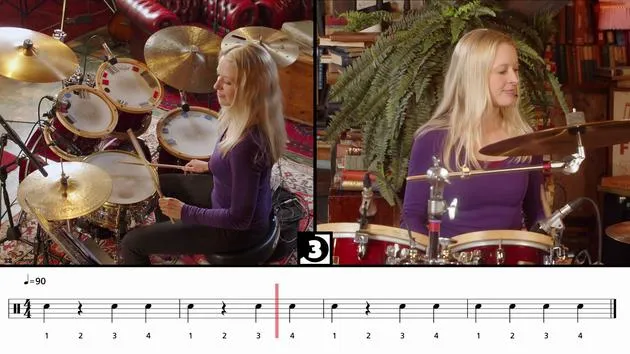
08. Beispiel 2 – Pause auf Schlag 2
1:36
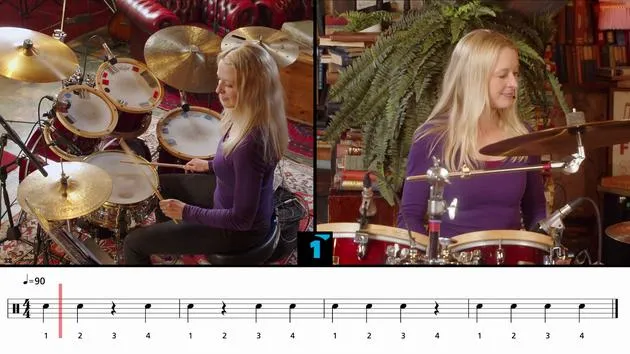
09. Beispiel 3 - Wandernde Pausen
1:05
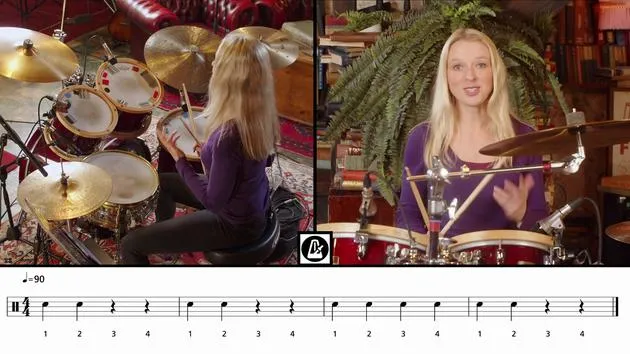
10. Beispiel 4 - Piston Takte 12-16
1:56
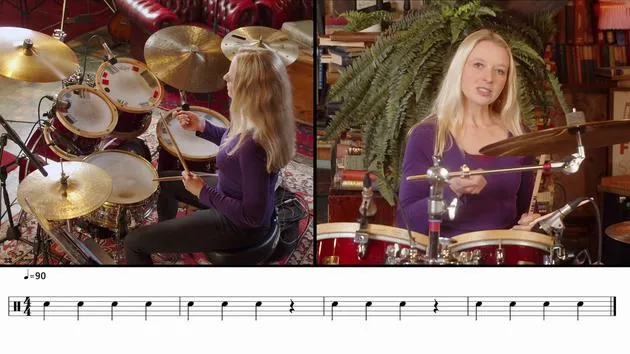
11. Bonusübung 1
1:49
12. Bonus-Übung 2
1:02
13. Zusammenfassung des Rock-Abschnitts
1:50
01. Pop - Die Hi-Hat hinzufügen
1:31
02. Beispiel 1 - Viertelnoten auf der Hi-Hat
1:40
03. Beispiel 2 - Pause auf Zählzeit 1
1:42
04. Beispiel 3 - Zwei aufeinanderfolgende Viertelpausen
1:28
05. Bonus-Übung 1
1:11
06. Bonusübung 2
1:10
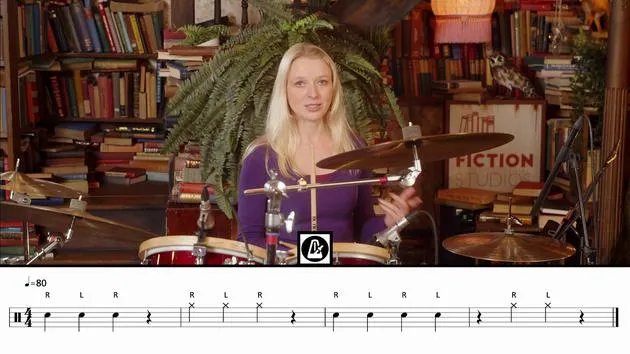
07. Pop Lektion 2 Beispiel 1 - Hi-Hat und Snare kombinieren
1:11
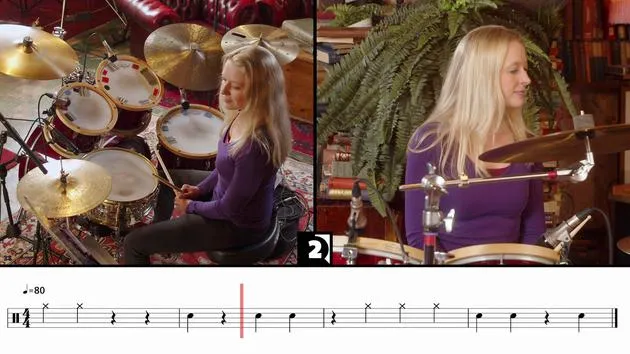
08. Beispiel 2 - Schnelles Wechseln zwischen den Schlagzeugstimmen
1:17
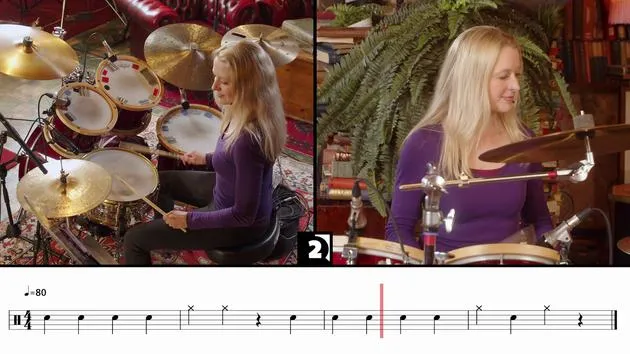
09. Beispiel 3 - Zwei Schlagzeugstimmen in einem Takt
0:59
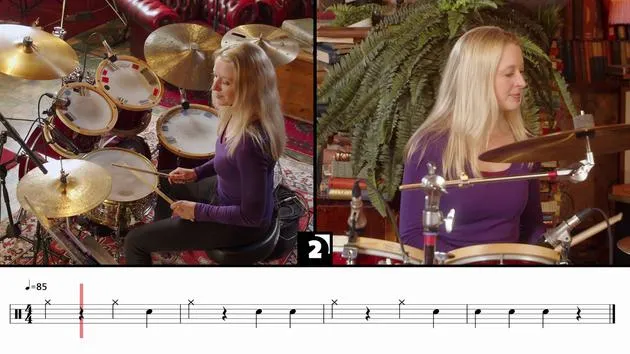
10. Beispiel 4 - Take It to the Top, Takte 1-4
1:10
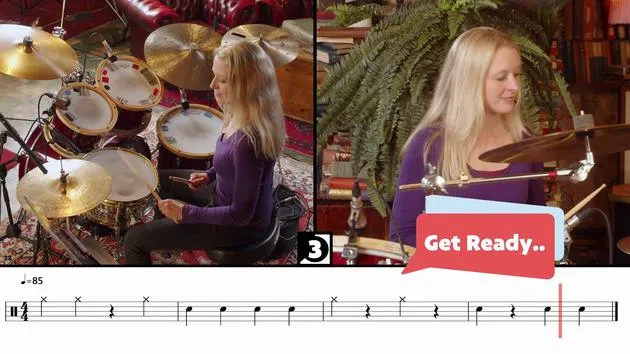
11. Bonusübung 1
1:08
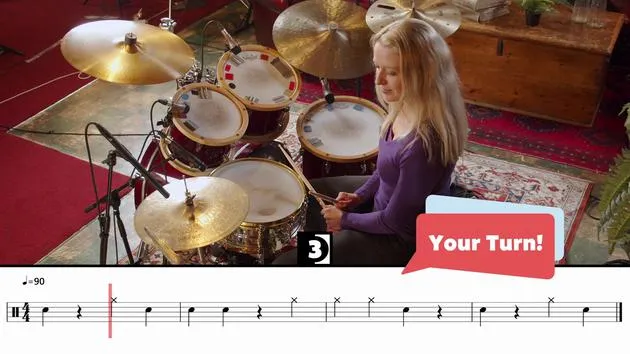
12. Bonusübung 2
1:04
13. Zusammenfassung des Pop-Musik-Abschnitts
0:51
01. Einführung in die Country-Musik
4:13
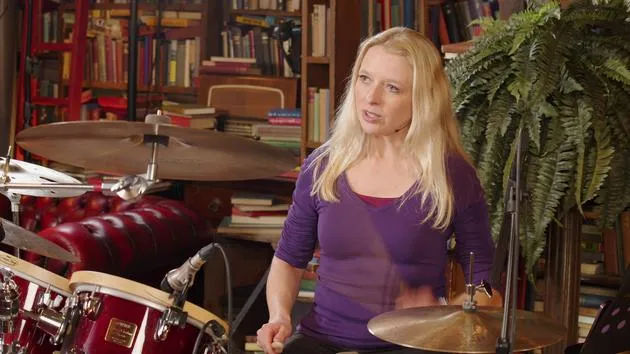
02. Skills-Checkpoint
1:54
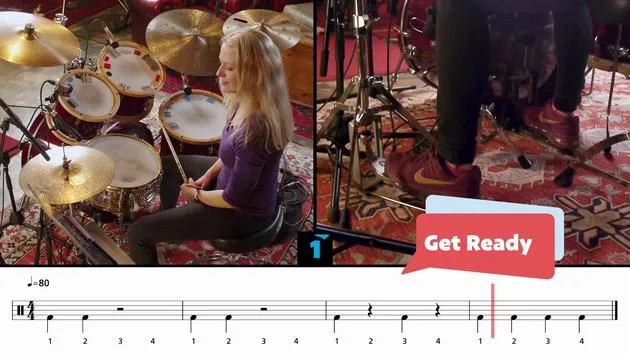
03. Beispiel 1 - Halbe Pause
1:18
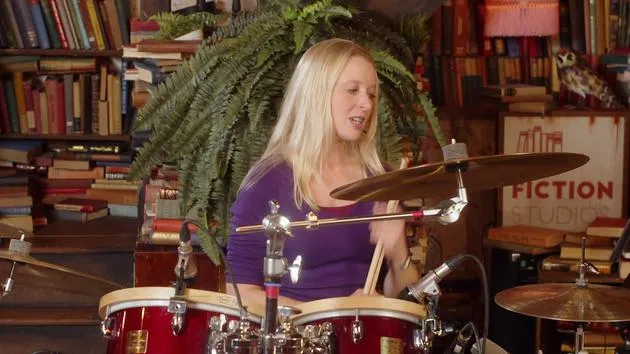
04. Beispiel 2 – Platzierung der Halbe-Pause
1:31
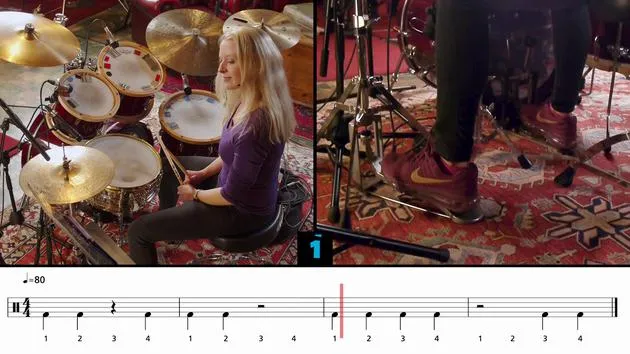
05. Beispiel 3 - Bassdrum-Phrasen
1:29
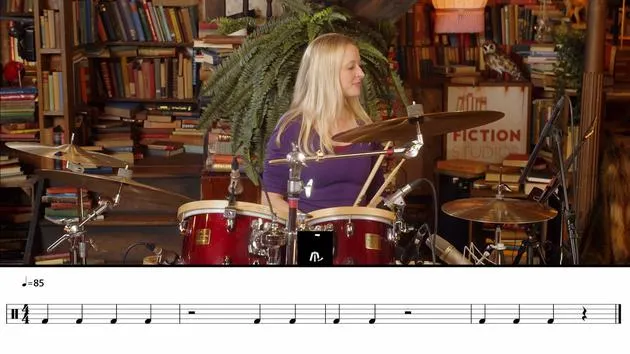
06. Bonusübung 1
1:27
07. Bonusübung 2
1:10
08. Country-Lektion 2 - Bassdrum, Snare und Hi-Hat kombinieren
3:07
09. Beispiel 1 - Bassdrum und Hi-Hat kombinieren
1:40
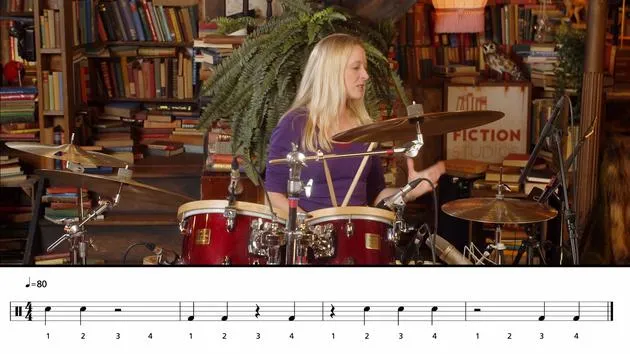
10. Beispiel 2 - Die Halbe-Pause an verschiedenen Stellen einfügen
1:10
11. Beispiel 3 - Schnelles Wechseln zwischen den Schlagzeugstimmen
1:10
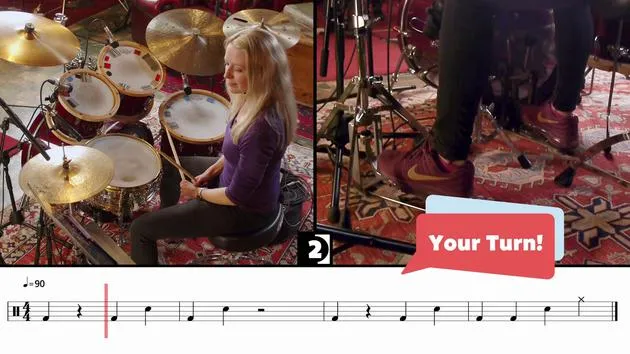
12. Beispiel 4 - Borderlands Takte 1-4
1:06
13. Bonusübung 1
1:30
14. Bonusübung 2
0:56
15. Zusammenfassung des Country-Music-Abschnitts
0:26
01. Metal-Einführung: zwei Schlagzeugstimmen spielen
3:35
02. Beispiel 1 - Fokus auf Koordination
2:19
03. Beispiel 2 - Bassdrum-Variationen
1:16
04. Beispiel 3 - Die Hände koordinieren
1:09
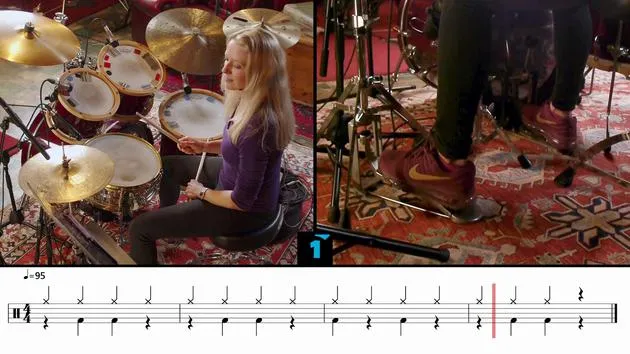
05. Bonus-Übung 1
1:05
06. Bonus-Übung 2
0:50
07. Zusammenfassung von Metal-Lektion 1
0:25
08. Metal-Lektion 2 - Deinen ersten vollständigen Beat spielen
1:56
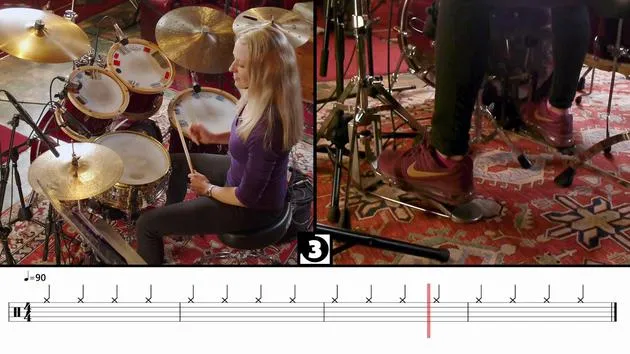
09. Beispiel 1 - Grundlegendes Hi-Hat-Pattern für den Rock-Beat
1:08
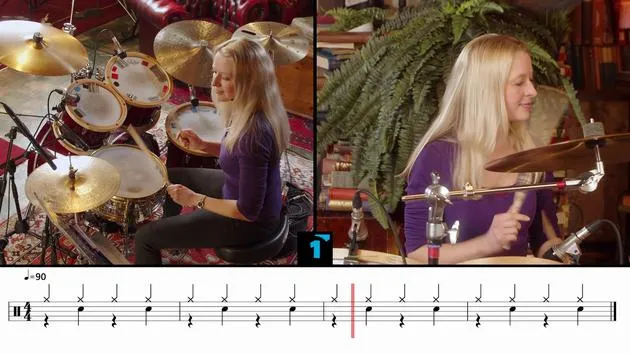
10. Beispiel 2 - Den Backbeat hinzufügen
0:58
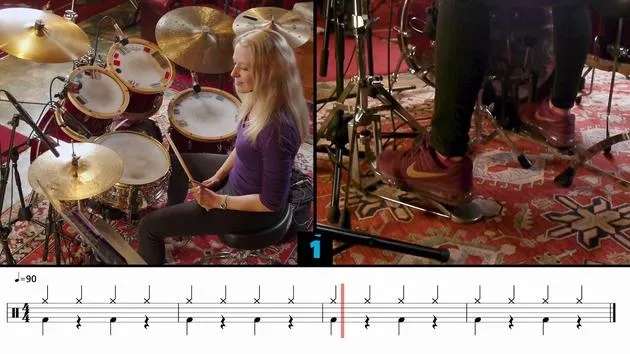
11. Beispiel 3 - Die Bassdrum hinzufügen
0:59
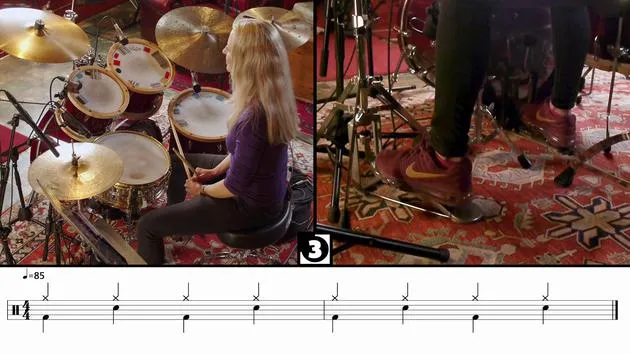
12. Beispiel 4 – Power Trip Takte 13-14
1:32
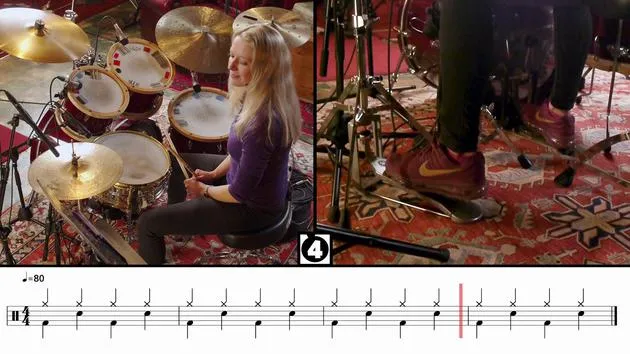
13. Bonus-Übung 1
1:10
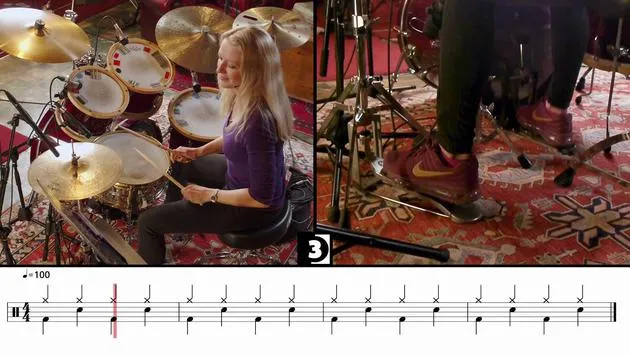
14. Bonus-Übung 2
0:53
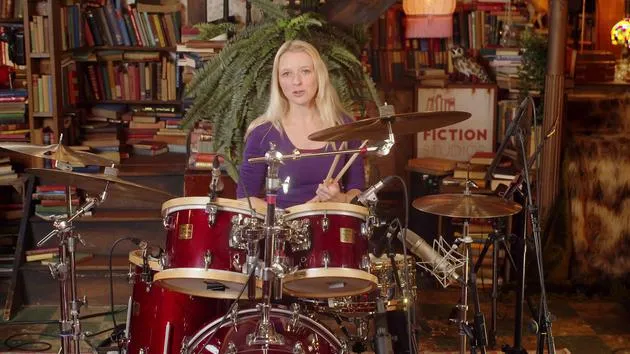
15. Zusammenfassung des Metal-Abschnitts
1:05
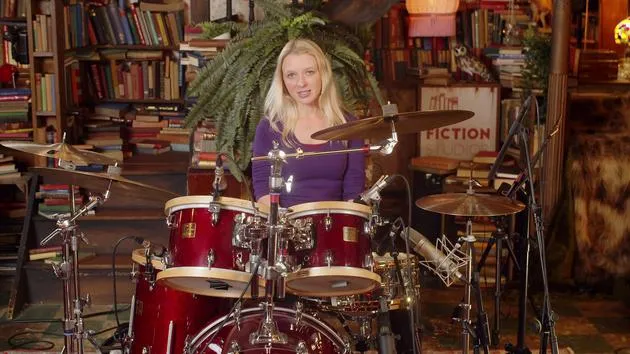
01. Indie - Einführung in den Stil
1:26
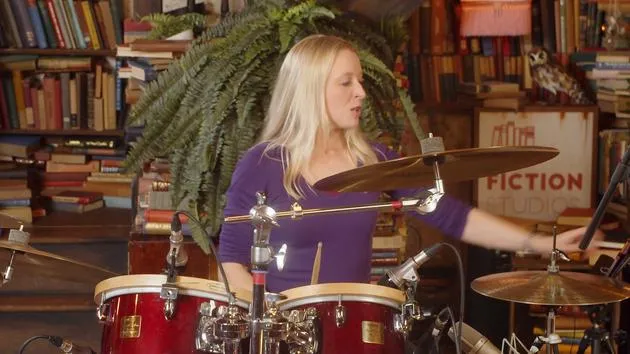
02. Beispiel 1 - Pause auf Schlag drei
1:01
03. Beispiel 2 - Mehr Variationen
1:00
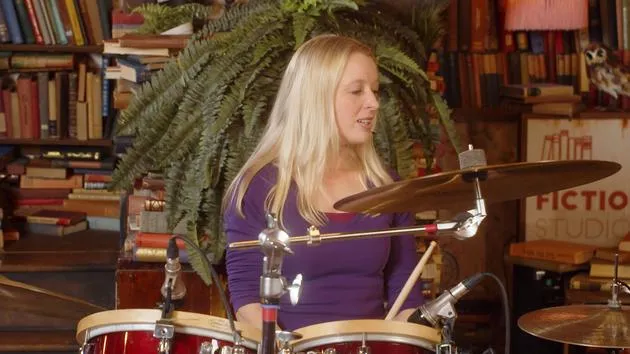
04. Beispiel 3 - Die Gliedmaßen koordinieren
2:16
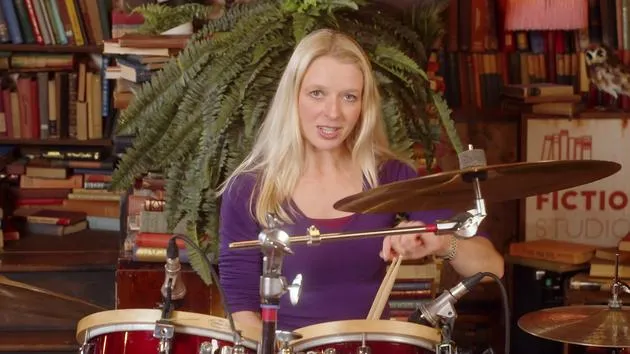
05. Bonus-Übung 1
1:10
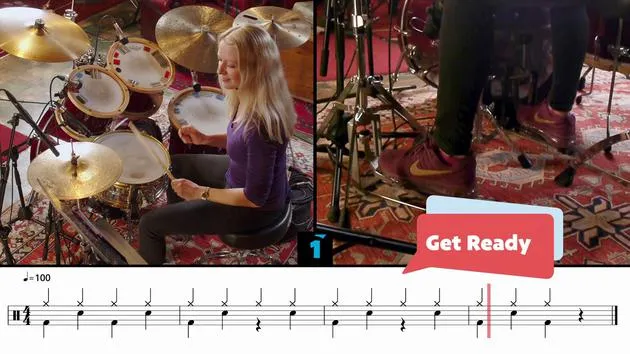
06. Bonusübung 2
0:50
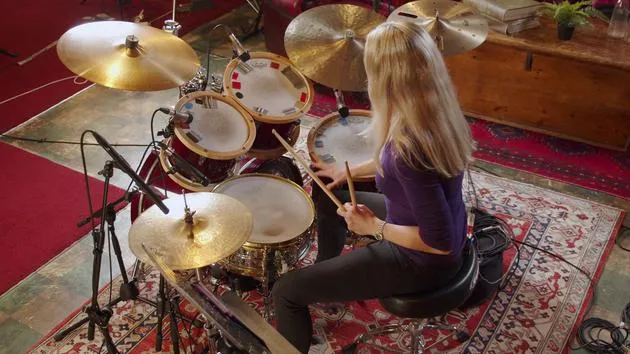
07. Zusammenfassung von Indie-Lektion 1
0:25
08. Indie Checkpoint: Mallets
2:46
09. Indie-Lektion 2 - Einführung in Bassdrum und Snare in Achteln
1:25
10. Beispiel 1 - Snare mit Achtelnoten
1:36
11. Beispiel 2 - Bassdrum in Achteln
1:04
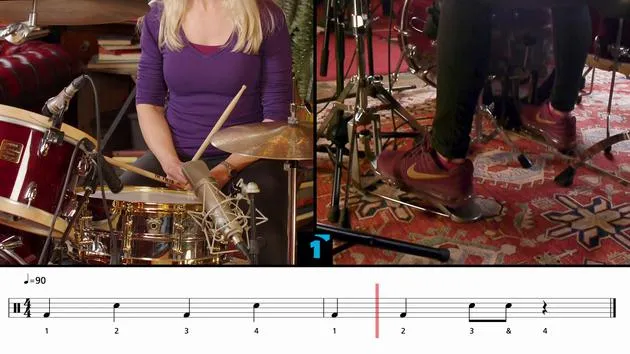
12. Beispiel 3 - Achtelnoten-Phrase
0:59
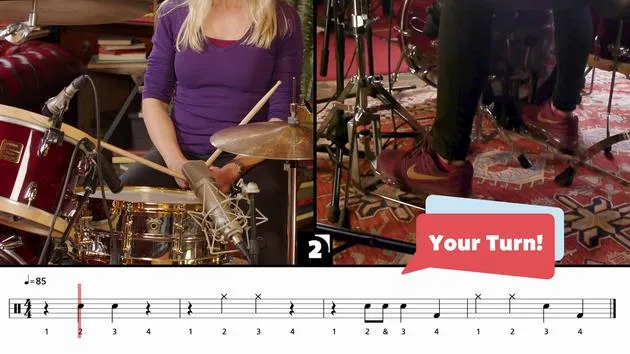
13. Beispiel 4 - 'Big Mouth' Takte 1-4
1:48
14. Bonusübung 1
0:38
15. Bonus-Übung 2
0:59
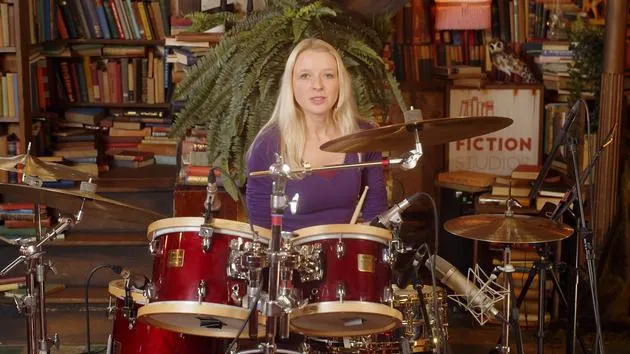
16. Zusammenfassung des Indie-Abschnitts
0:34
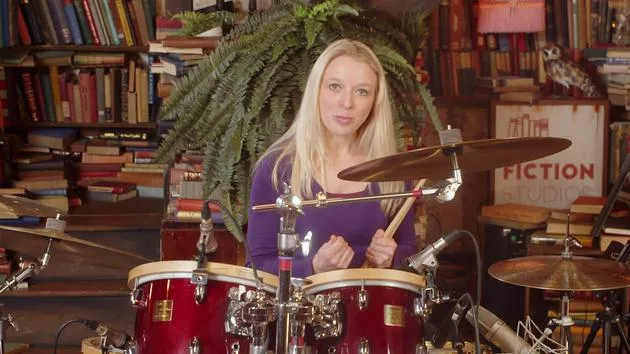
01. Hip-Hop-Einführung - Grundlegende Beats und Fills
1:33
02. Beispiel 1 - Snare- & Bassdrum-Fill
1:10
03. Beispiel 2 - Snare- & Hi-Hat-Fill
1:08
04. Beispiel 3 - Fill mit Snare, Hi-Hat und Bassdrum
1:09
05. Bonusübung 1
1:38
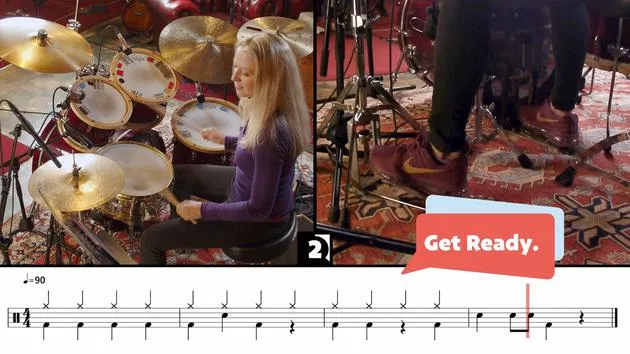
06. Bonusübung 2
0:47
07. Zusammenfassung der Hip-Hop-Lektion 1
0:32
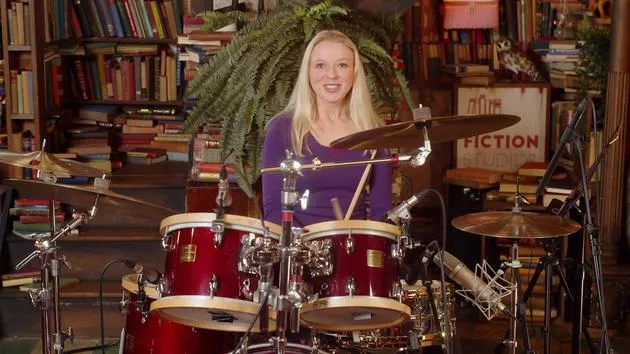
08. Hip-Hop-Lektion 2 - Einführung in Achtel-Beats
3:53
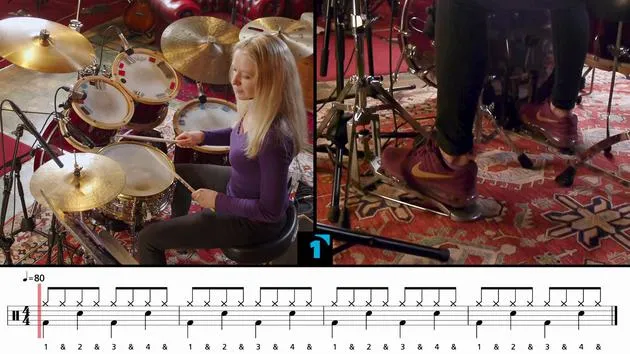
09. Beispiel 1 - Der grundlegende Achtel-Beat
1:19
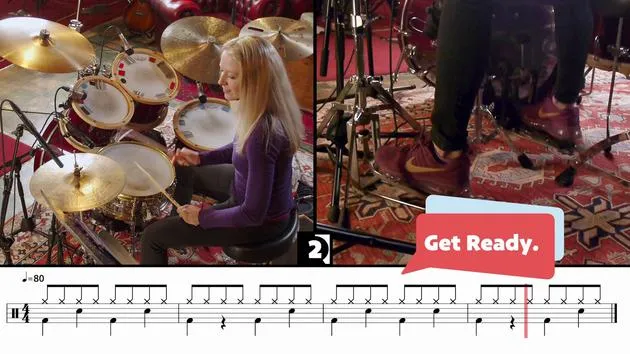
10. Beispiel 2 - Snare-Variationen
1:28
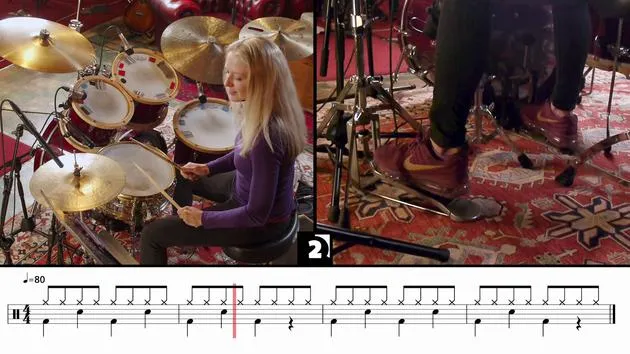
11. Beispiel 3 - Bassdrum-Variationen
1:09
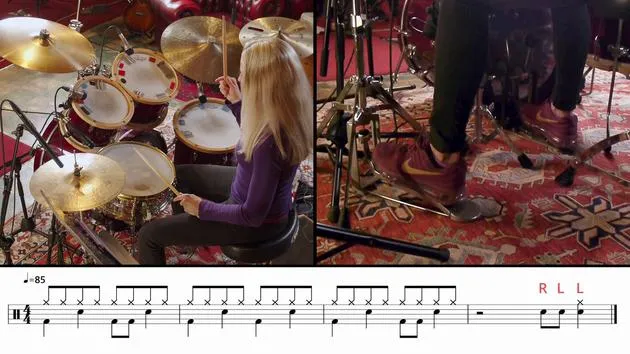
12. Beispiel 4 - 'The Dogg' Takte 13-16
1:56
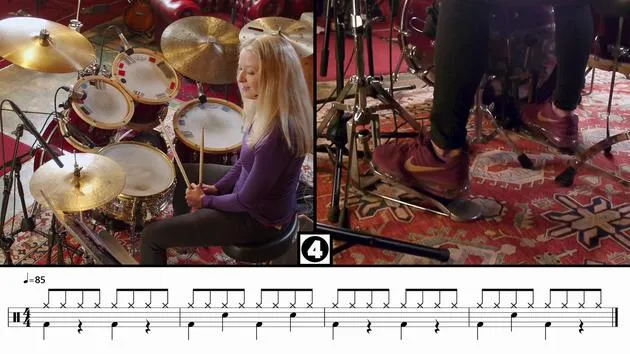
13. Bonusübung 1
1:04
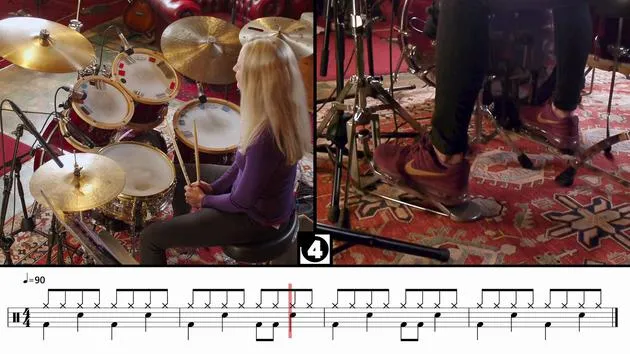
14. Bonus-Übung 2
1:09
15. Zusammenfassung des Hip-Hop-Abschnitts
0:32
01. Einführung in die Stücke
1:04
02. Piston (Rock) - Walkthrough
4:57
03. Piston (Rock) - Performance
0:46
04. Take it to the Top (Pop) - Durchgang
3:58
05. Take it to the Top (Pop) - Interpretation
0:50
06. Borderlands (Country) - Walkthrough
3:49
07. Borderlands (Country) - Aufführung
0:48
08. Power Trip - Durchgang
5:04
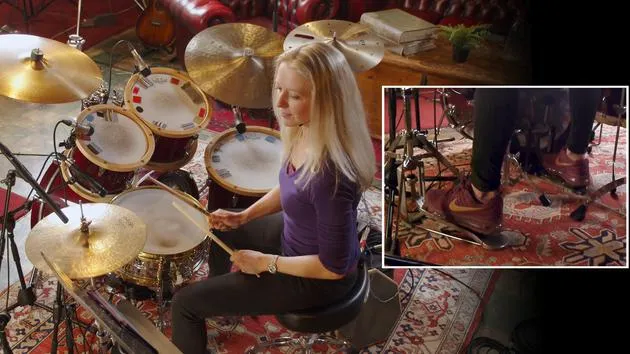
09. Power Trip (Metal) - Performance
0:51
10. Big Mouth (Indie) - Durchgang
5:26
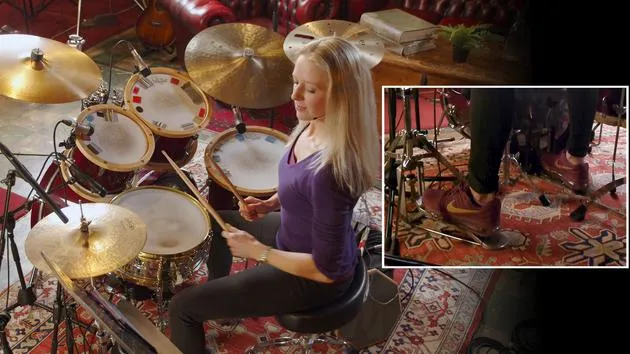
11. Big Mouth (Indie) - Performance
0:52
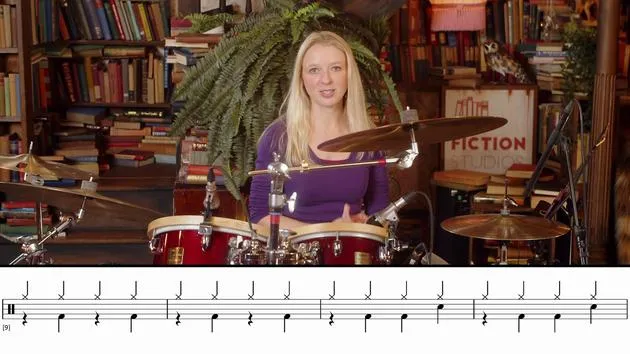
12. The Dogg (Hip Hop) - Durchgang
6:14
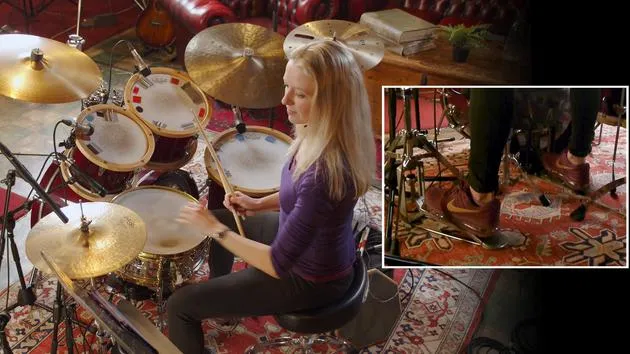
13. The Dogg (Hip Hop) - Aufführung
0:51
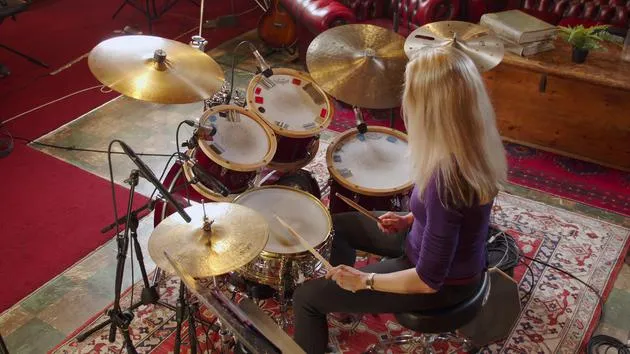
14. Overload (Rock) - Durchgang
5:23
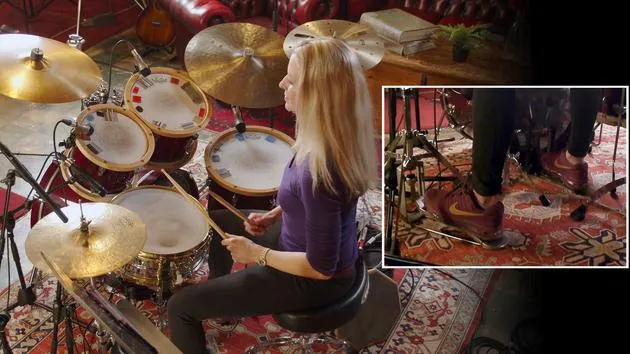
15. Overload (Rock) - Interpretation
0:50
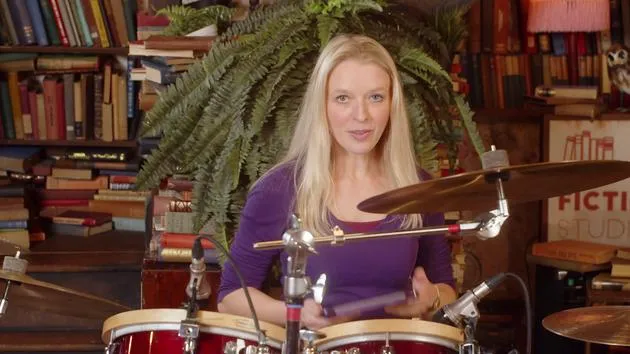
16. Slam (Metal) - Durchgang
4:28
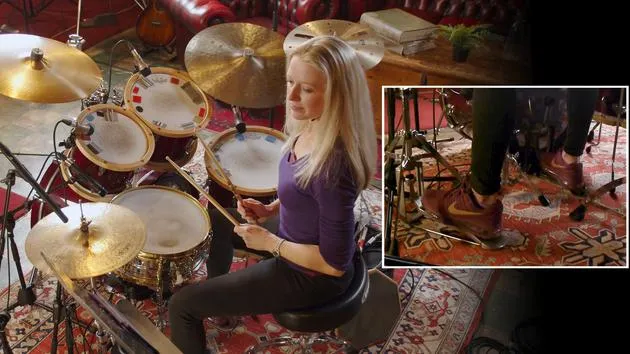
17. Slam (Metal) - Interpretation
0:51
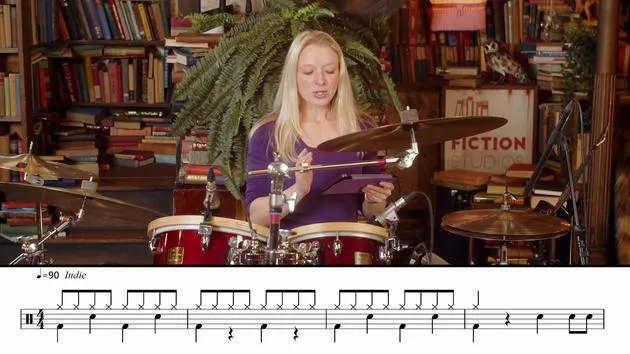
18. Under the Radar (Indie) - Walkthrough
5:02
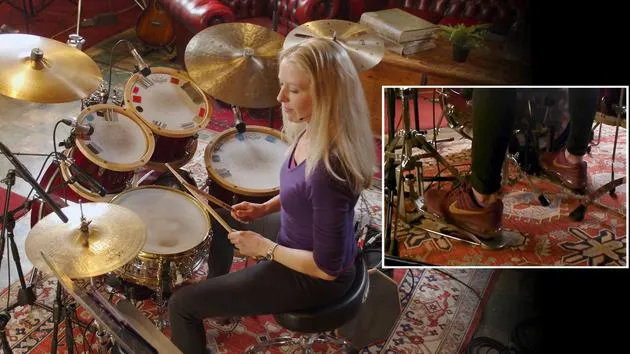
19. Under the Radar (Indie) - Interpretation
0:50
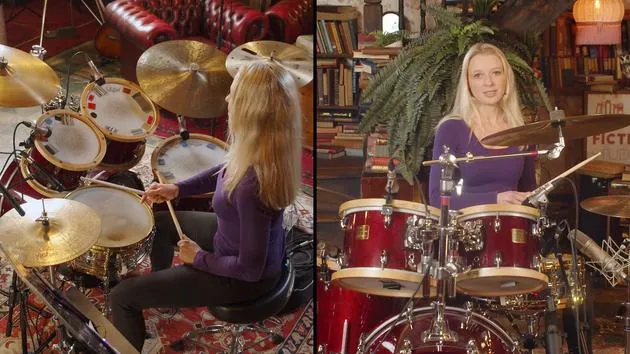
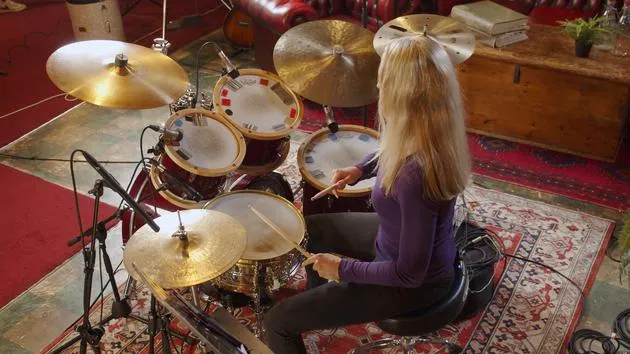
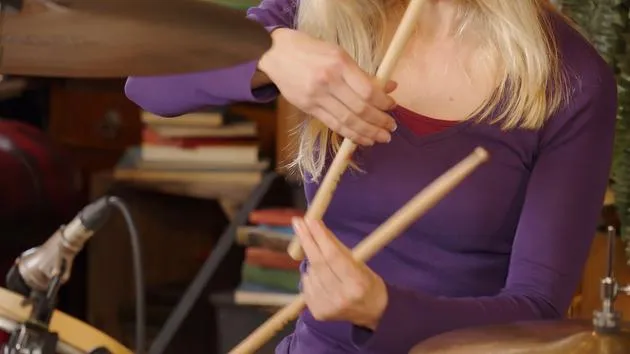
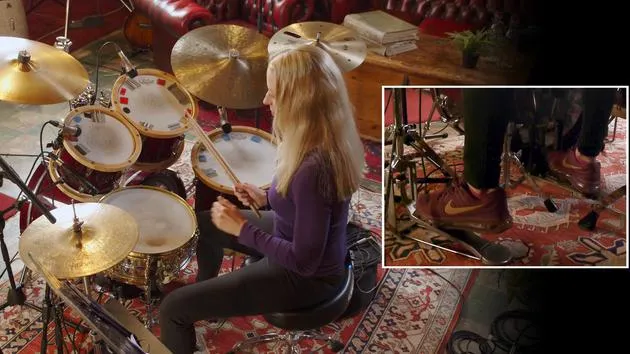
Transkript der Lektion
Introducing Rests: Quarter Note Rest
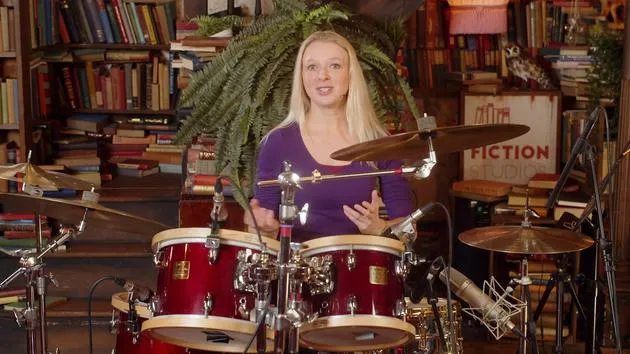
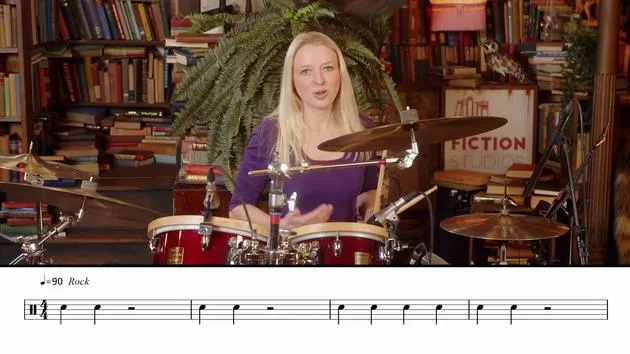
So now we're going to introduce rests, in this case, the quarter note rest.
The Importance of Rests
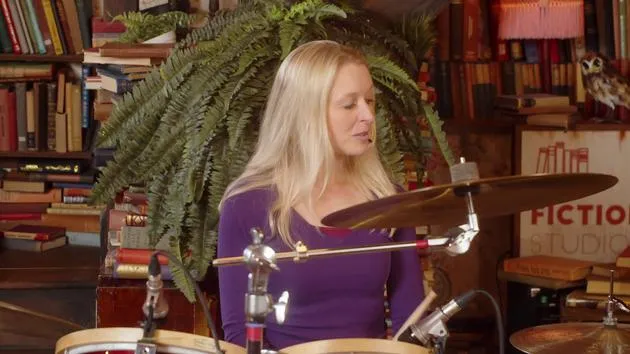
Rests are sometimes equally as important in music as the notes that we do play because we need to allow the music space to breathe a little bit. Sometimes some of the other instrumentalists might be playing in that part, and they don't want the drums.
Being Comfortable with Spaces
- We need to be really comfortable with the spaces we're leaving.
- I really recommend counting through these exercises and just counting in general.
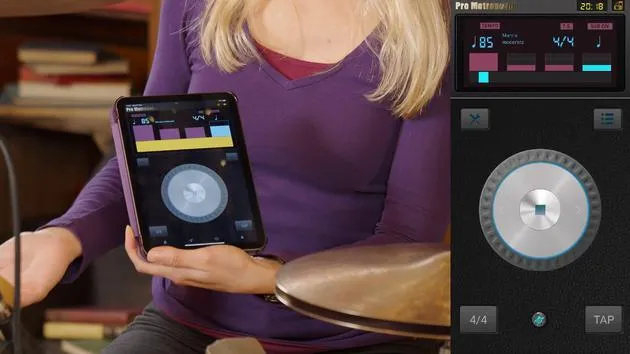
As you get more advanced, you'll probably want to count in your head rather than out loud. I mean, if I'm doing gigs or recording sessions, I don't count out loud, but I am always thinking about:
- The timing
- The counting
- The space between the rhythms
Especially as the rhythms get a bit more syncopated, where the rhythms are in unusual places or where the rests are. You want to count to keep that constant.
Example 1: Adding a Rest
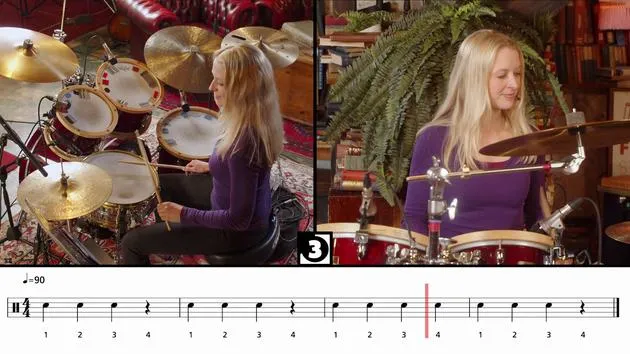
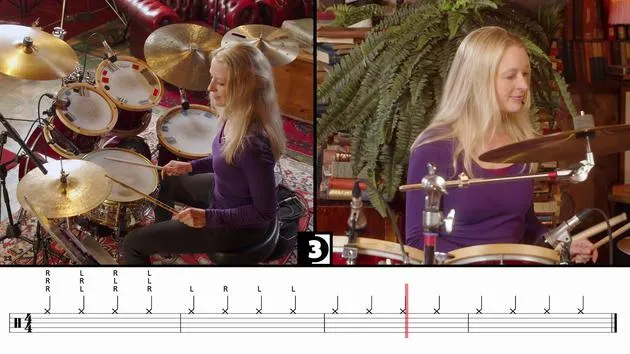
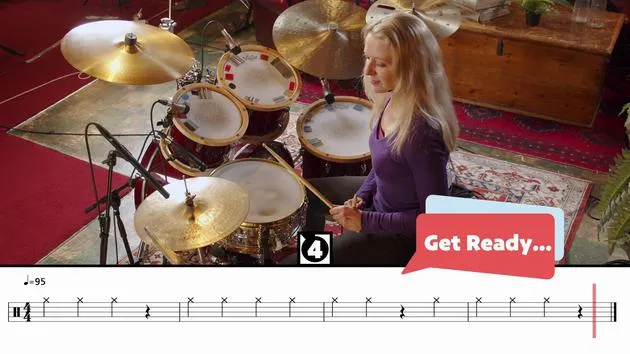
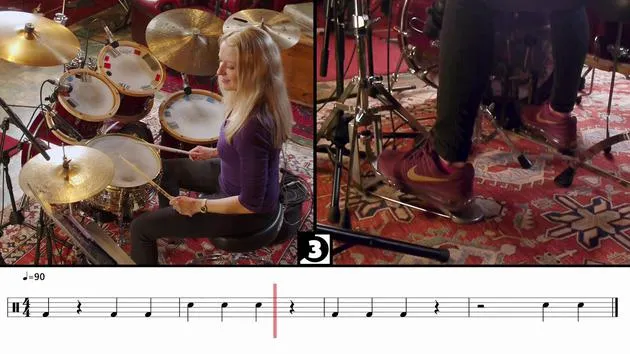
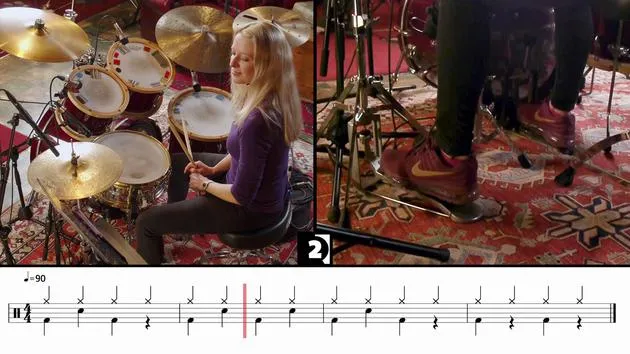
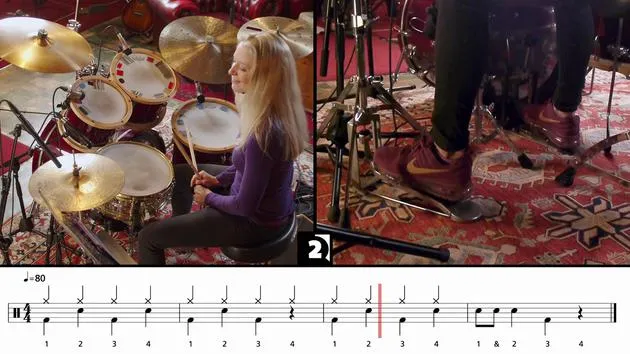
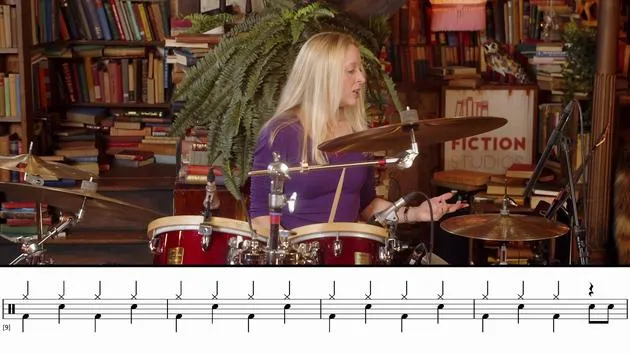
In example one, we're going to add a rest, a quarter note rest, to beat four.
- So again, we want to count, making sure that the rest lasts exactly the same amount of time as the notes that you're playing in the run-up to it.
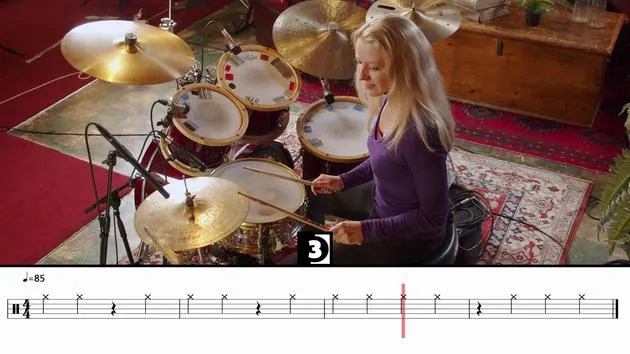
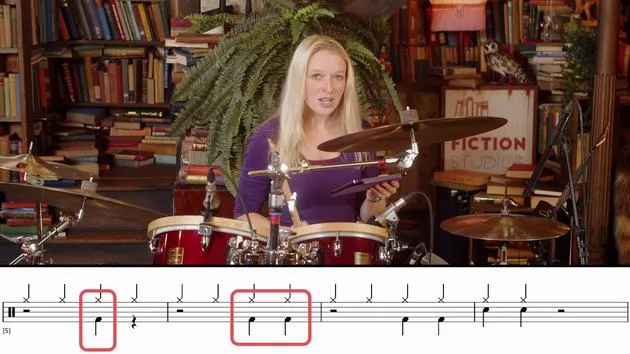
Next, we're going to look at moving the rest around, perhaps putting it on beat two.
- Again, this is where your counting is very important, so you know where that is.
- You can also explore moving the rest between beat three, beat two, and beat four, getting comfortable with the space between what we're playing.
Additional Example: Multiple Rests
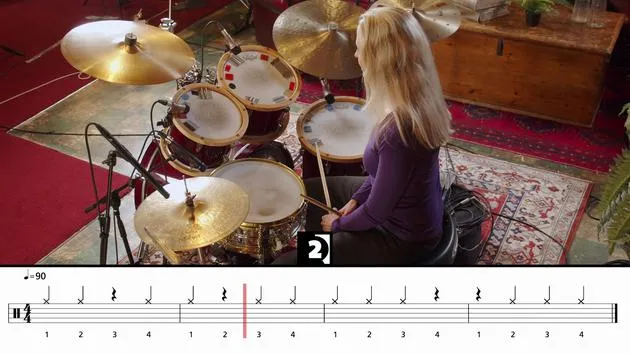
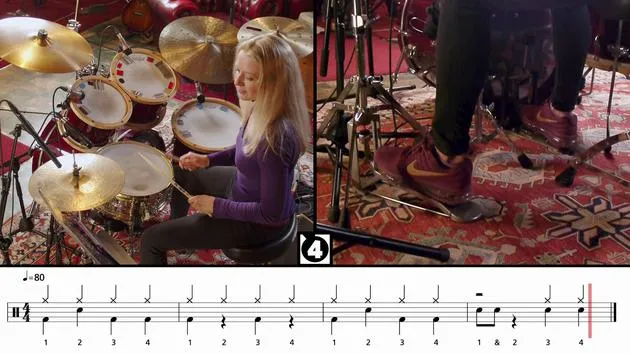
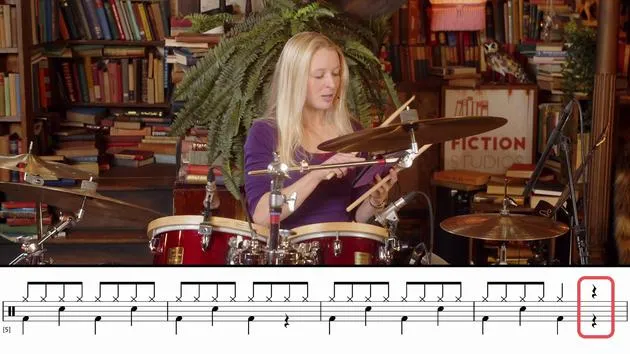
We're also going to take another example where there are two quarter note rests in a row.
- Definitely count through those so that we don't squeeze that gap and come in too early with the next bar.
114 Lektionen
3 Std. 47 Min. strukturierte Videolektionen
Erweiterte Videofunktionen
Verlangsamen, Passagen loopen, mitlesen
Handy, Tablet & Desktop
Üben, wo du willst
100 % Zufriedenheitsgarantie
30 Tage Geld-zurück-Garantie
Lern deinen Guru kennen
Lern deinen Guru kennen
Sophie Alloway ist eine Session- und Tourschlagzeugerin im Herzen der Londoner Jazzszene. Sie ist mit Jason Rebello, Yazz Ahmed, Laurence Cottle und Tony Allen aufgetreten und spielte bemerkenswerterweise für Prinz Charles im Buckingham Palace, kurz bevor dieser König wurde.
Zu ihren Tour-Credits zählen Roots Manuva, das Musical Thriller und Paul Stacey (Oasis / The Black Crowes). Außerdem ist sie die Schlagzeugerin der Original-Fusion-Band Lydian Collective, die über sechs Millionen Streams auf Spotify verzeichnet.
Sophie hat Sessions in den Studios Abbey Road, AIR und Angel aufgenommen, und zu ihren Fernsehauftritten gehören Later… with Jools Holland, Glastonbury und zwei Staffeln von Adrian Dunbars Drama Ridley. Sie ist auf Abbey Road Masters: The Drum Sessions zu hören und spielte für die Finalisten des BBC Young Jazz Musician 2024, ausgestrahlt im BBC-Fernsehen und -Radio. Jon Newey von Jazz FM nannte sie die „Göttin des Grooves“.







