



Country-Lektion 2 - Bassdrum, Snare und Hi-Hat kombinieren
Das steckt im Kurs
114 Lektionen (3h 47m) · 1 gratis
01. Einführung ins Rock-Schlagzeug
7:55
02. Beispiel 1 - Single Strokes
2:44
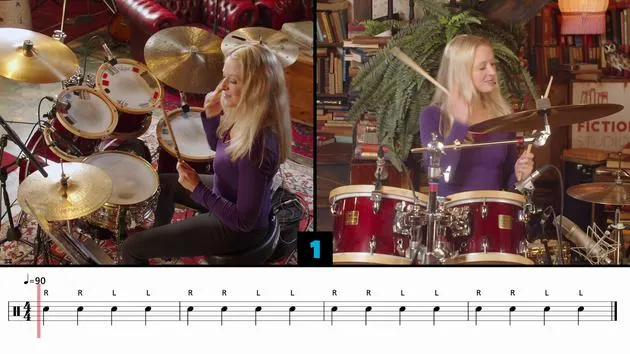
03. Beispiel 2 - Doppelschläge
1:28
04. Beispiel 3 - Paradiddles
2:37
05. Bonus - Single Strokes, Double Strokes und Paradiddles kombinieren
2:22
06. Rock-Lektion 2 - Pausen hinzufügen
1:48
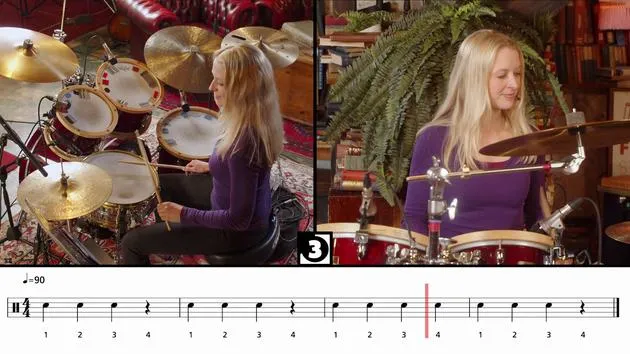
07. Beispiel 1 - Pause auf Schlag 4
1:56
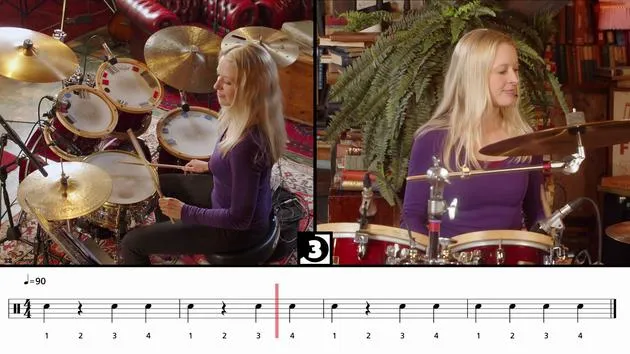
08. Beispiel 2 – Pause auf Schlag 2
1:36
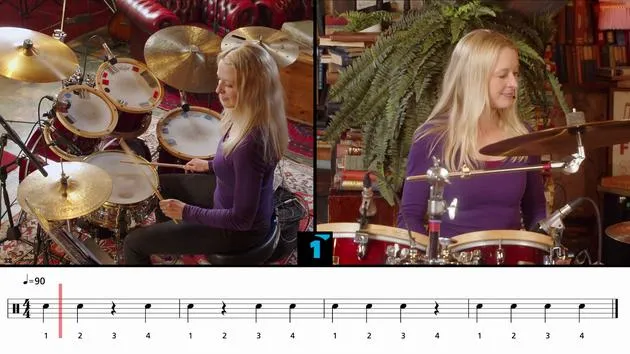
09. Beispiel 3 - Wandernde Pausen
1:05
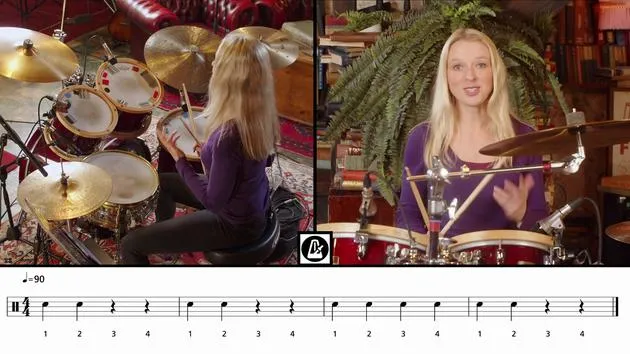
10. Beispiel 4 - Piston Takte 12-16
1:56
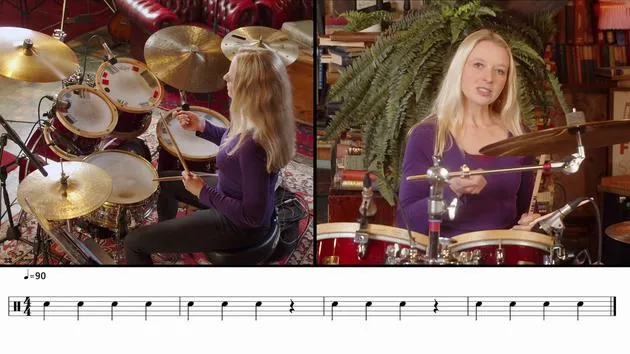
11. Bonusübung 1
1:49
12. Bonus-Übung 2
1:02
13. Zusammenfassung des Rock-Abschnitts
1:50
01. Pop - Die Hi-Hat hinzufügen
1:31
02. Beispiel 1 - Viertelnoten auf der Hi-Hat
1:40
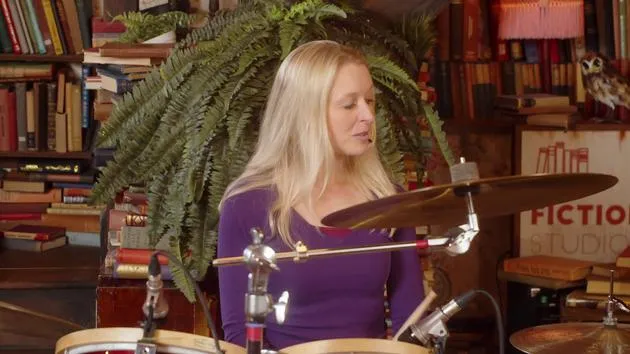
03. Beispiel 2 - Pause auf Zählzeit 1
1:42
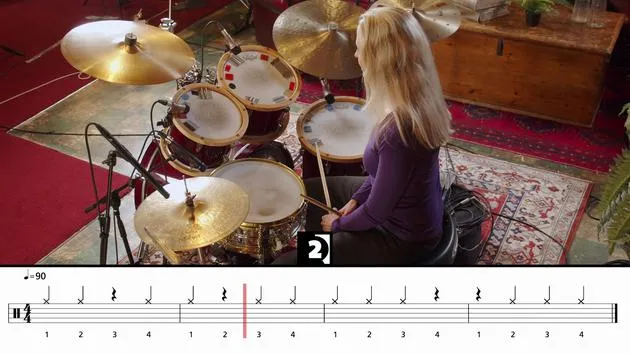
04. Beispiel 3 - Zwei aufeinanderfolgende Viertelpausen
1:28
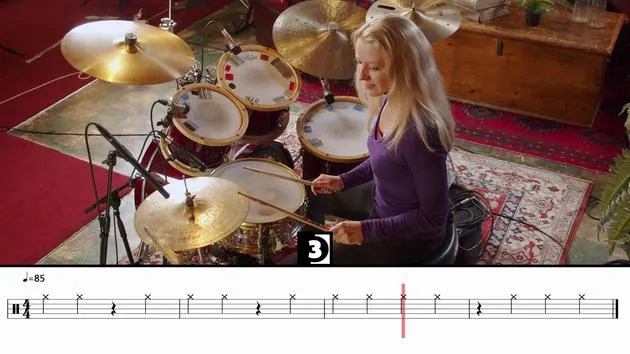
05. Bonus-Übung 1
1:11
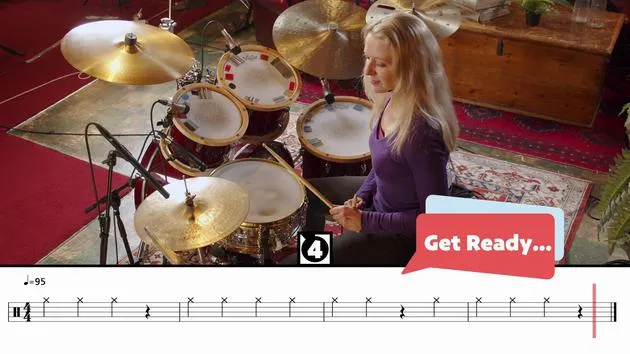
06. Bonusübung 2
1:10
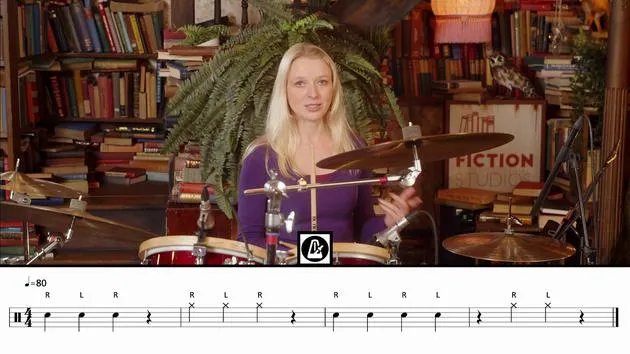
07. Pop Lektion 2 Beispiel 1 - Hi-Hat und Snare kombinieren
1:11
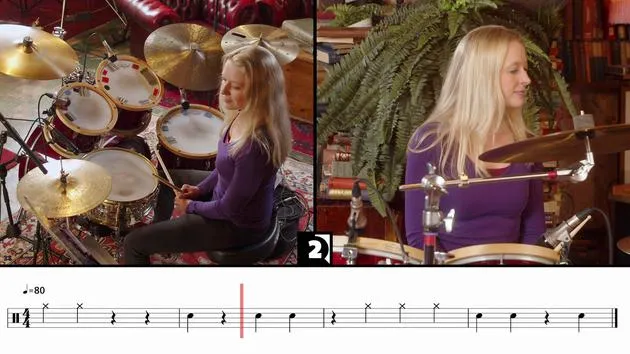
08. Beispiel 2 - Schnelles Wechseln zwischen den Schlagzeugstimmen
1:17
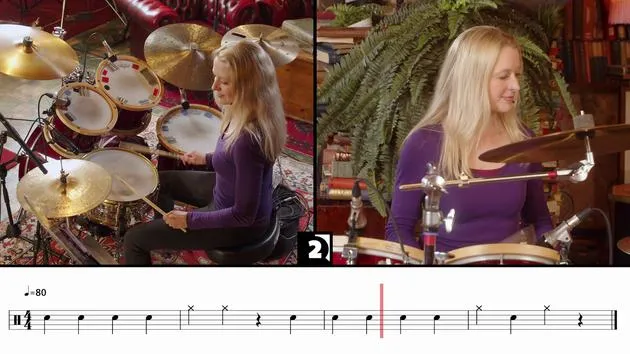
09. Beispiel 3 - Zwei Schlagzeugstimmen in einem Takt
0:59
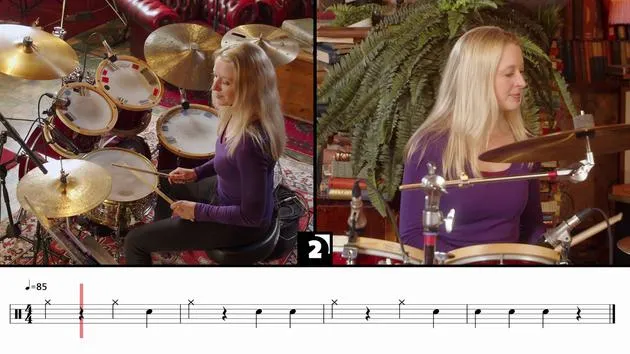
10. Beispiel 4 - Take It to the Top, Takte 1-4
1:10
11. Bonusübung 1
1:08
12. Bonusübung 2
1:04
13. Zusammenfassung des Pop-Musik-Abschnitts
0:51
01. Einführung in die Country-Musik
4:13
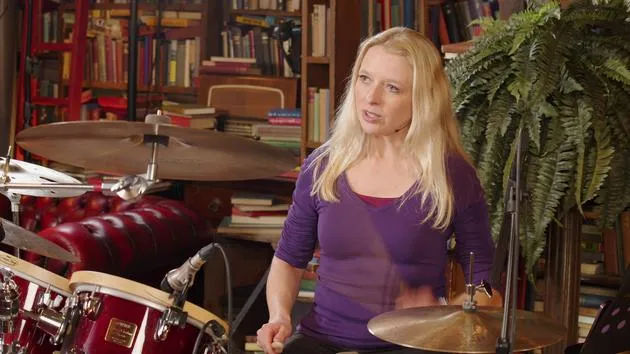
02. Skills-Checkpoint
1:54
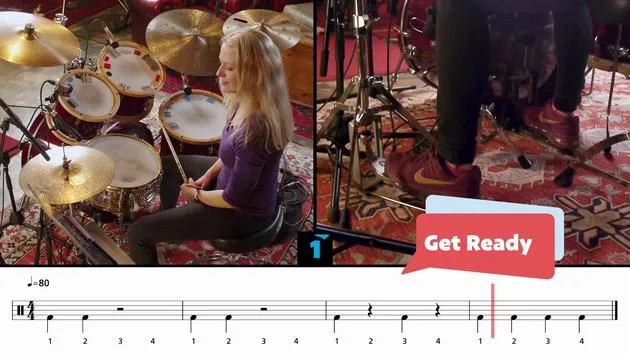
03. Beispiel 1 - Halbe Pause
1:18
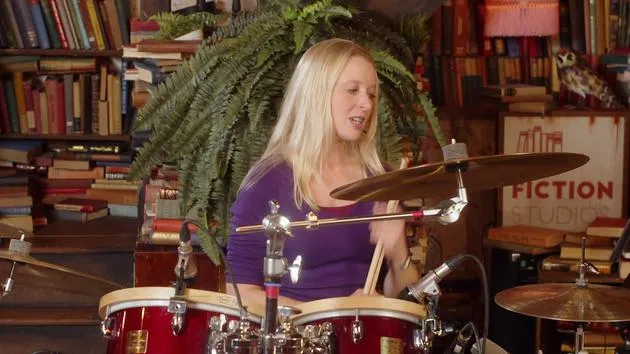
04. Beispiel 2 – Platzierung der Halbe-Pause
1:31
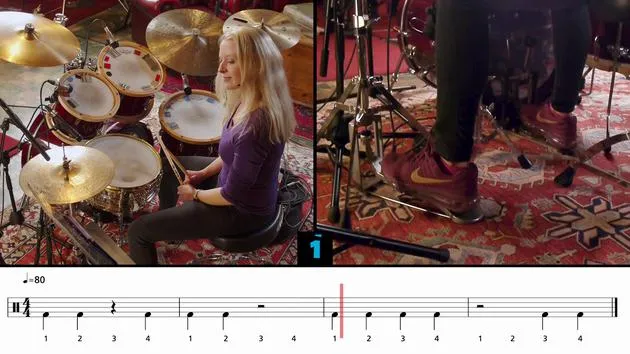
05. Beispiel 3 - Bassdrum-Phrasen
1:29
06. Bonusübung 1
1:27
07. Bonusübung 2
1:10
08. Country-Lektion 2 - Bassdrum, Snare und Hi-Hat kombinieren
Du bist hier3:07
09. Beispiel 1 - Bassdrum und Hi-Hat kombinieren
1:40
10. Beispiel 2 - Die Halbe-Pause an verschiedenen Stellen einfügen
1:10
11. Beispiel 3 - Schnelles Wechseln zwischen den Schlagzeugstimmen
1:10
12. Beispiel 4 - Borderlands Takte 1-4
1:06
13. Bonusübung 1
1:30
14. Bonusübung 2
0:56
15. Zusammenfassung des Country-Music-Abschnitts
0:26
01. Metal-Einführung: zwei Schlagzeugstimmen spielen
3:35
02. Beispiel 1 - Fokus auf Koordination
2:19
03. Beispiel 2 - Bassdrum-Variationen
1:16
04. Beispiel 3 - Die Hände koordinieren
1:09
05. Bonus-Übung 1
1:05
06. Bonus-Übung 2
0:50
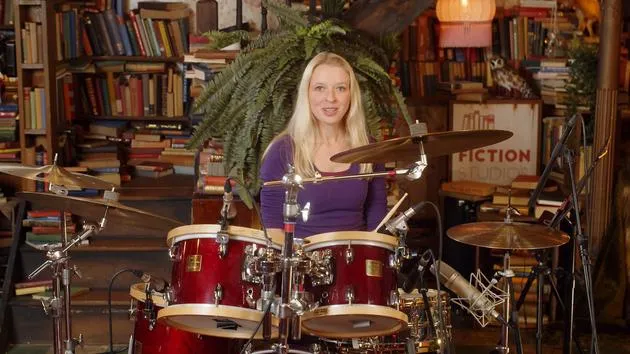
07. Zusammenfassung von Metal-Lektion 1
0:25
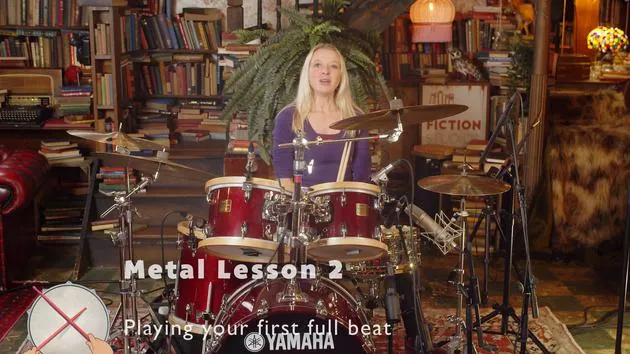
08. Metal-Lektion 2 - Deinen ersten vollständigen Beat spielen
1:56
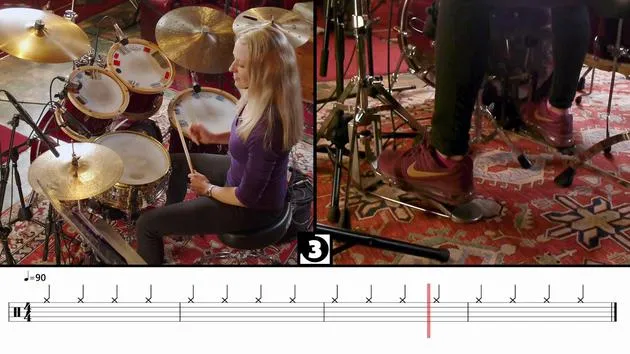
09. Beispiel 1 - Grundlegendes Hi-Hat-Pattern für den Rock-Beat
1:08
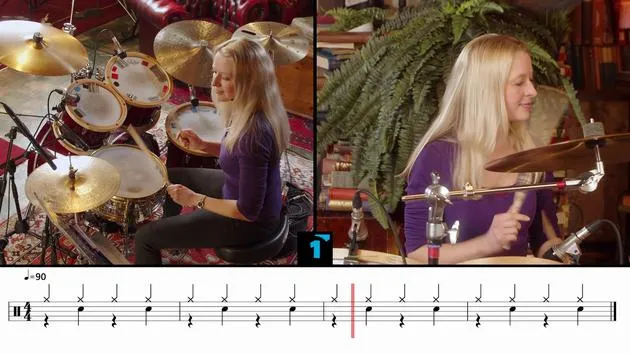
10. Beispiel 2 - Den Backbeat hinzufügen
0:58
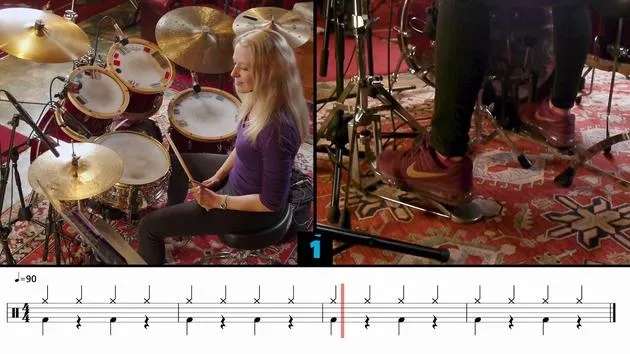
11. Beispiel 3 - Die Bassdrum hinzufügen
0:59
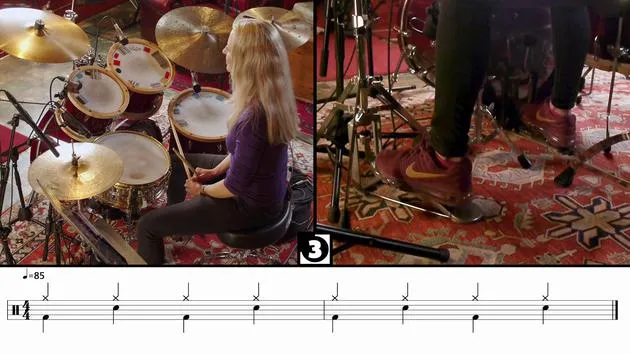
12. Beispiel 4 – Power Trip Takte 13-14
1:32
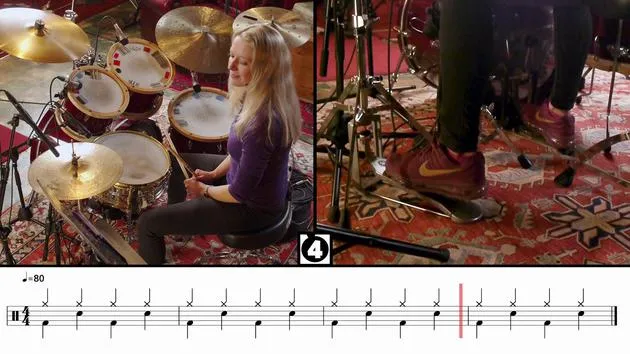
13. Bonus-Übung 1
1:10
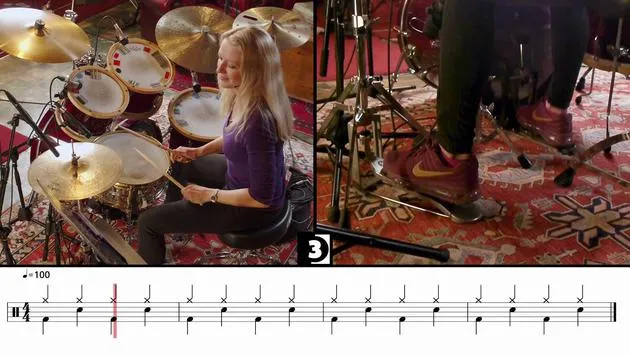
14. Bonus-Übung 2
0:53
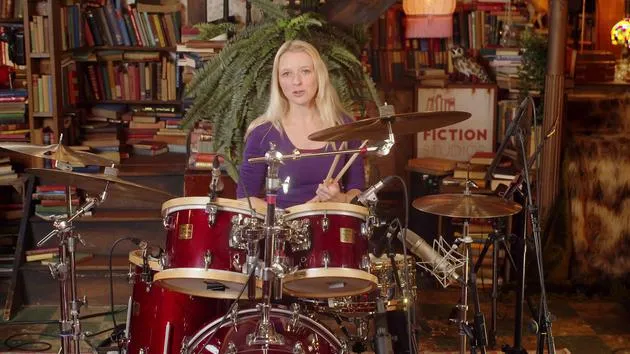
15. Zusammenfassung des Metal-Abschnitts
1:05
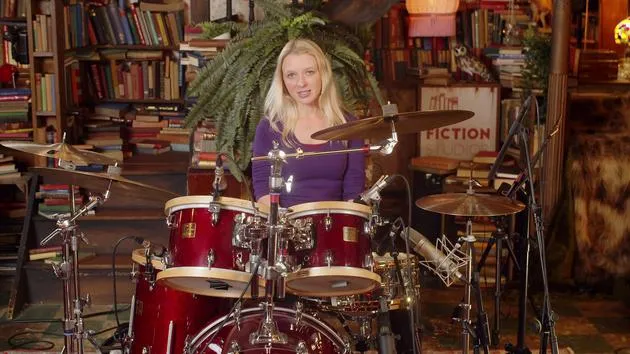
01. Indie - Einführung in den Stil
1:26
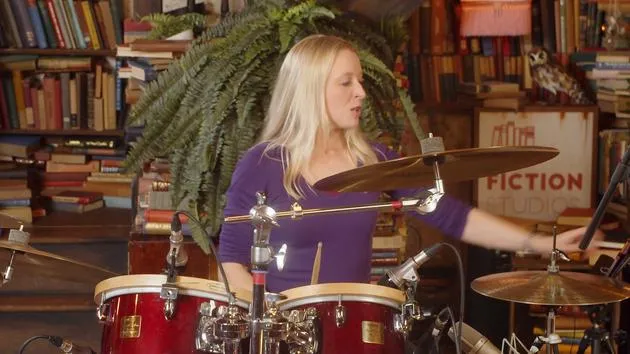
02. Beispiel 1 - Pause auf Schlag drei
1:01
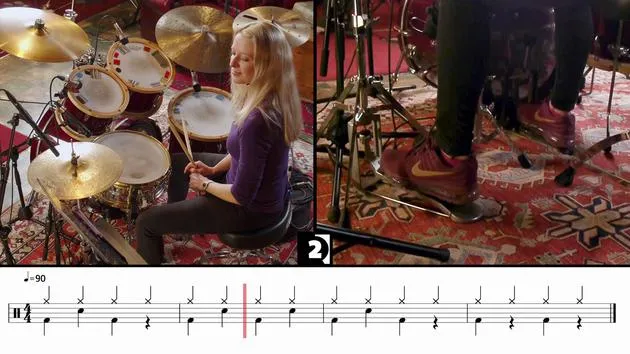
03. Beispiel 2 - Mehr Variationen
1:00
04. Beispiel 3 - Die Gliedmaßen koordinieren
2:16
05. Bonus-Übung 1
1:10
06. Bonusübung 2
0:50
07. Zusammenfassung von Indie-Lektion 1
0:25
08. Indie Checkpoint: Mallets
2:46
09. Indie-Lektion 2 - Einführung in Bassdrum und Snare in Achteln
1:25
10. Beispiel 1 - Snare mit Achtelnoten
1:36
11. Beispiel 2 - Bassdrum in Achteln
1:04
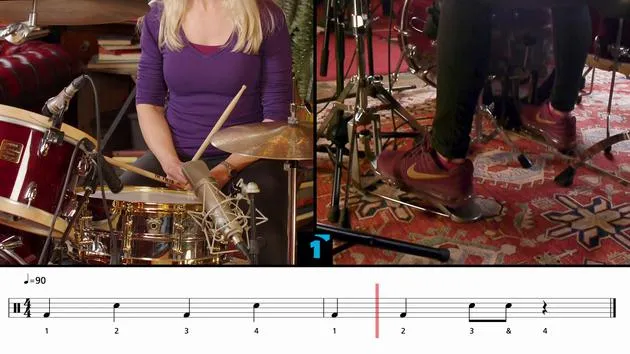
12. Beispiel 3 - Achtelnoten-Phrase
0:59
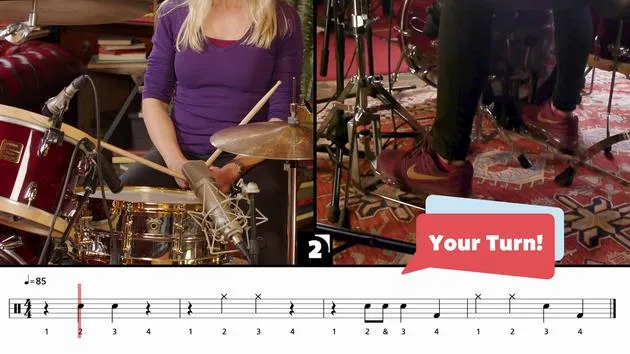
13. Beispiel 4 - 'Big Mouth' Takte 1-4
1:48
14. Bonusübung 1
0:38
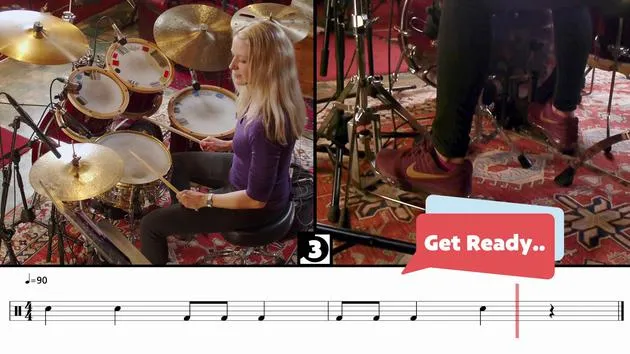
15. Bonus-Übung 2
0:59
16. Zusammenfassung des Indie-Abschnitts
0:34
01. Hip-Hop-Einführung - Grundlegende Beats und Fills
1:33
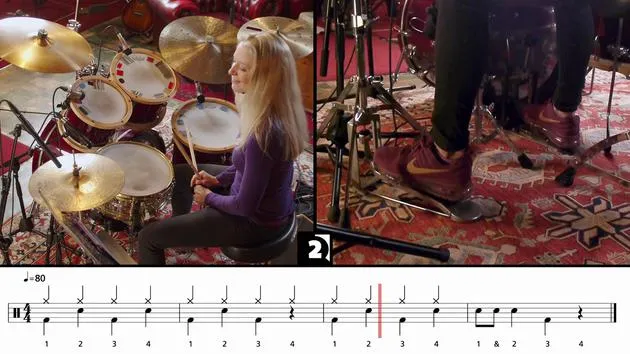
02. Beispiel 1 - Snare- & Bassdrum-Fill
1:10
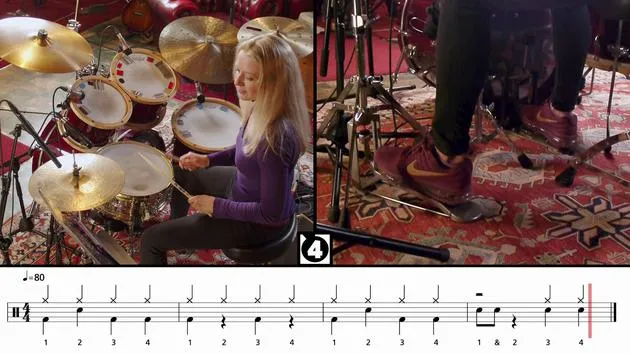
03. Beispiel 2 - Snare- & Hi-Hat-Fill
1:08
04. Beispiel 3 - Fill mit Snare, Hi-Hat und Bassdrum
1:09
05. Bonusübung 1
1:38
06. Bonusübung 2
0:47
07. Zusammenfassung der Hip-Hop-Lektion 1
0:32
08. Hip-Hop-Lektion 2 - Einführung in Achtel-Beats
3:53
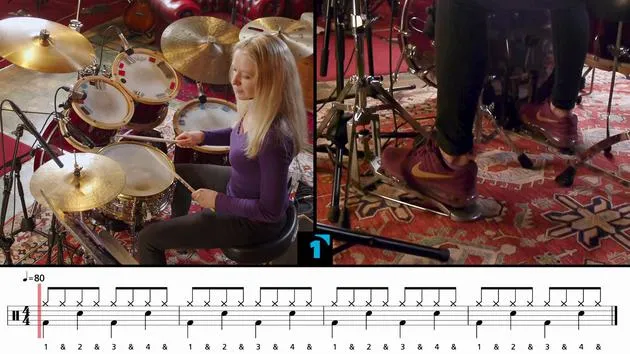
09. Beispiel 1 - Der grundlegende Achtel-Beat
1:19
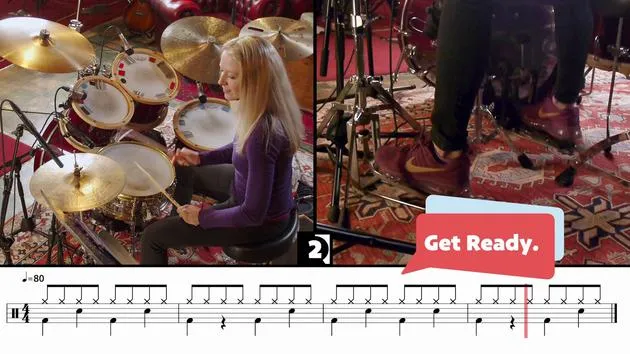
10. Beispiel 2 - Snare-Variationen
1:28
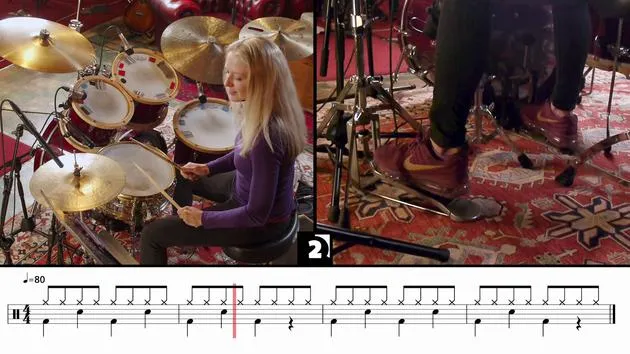
11. Beispiel 3 - Bassdrum-Variationen
1:09
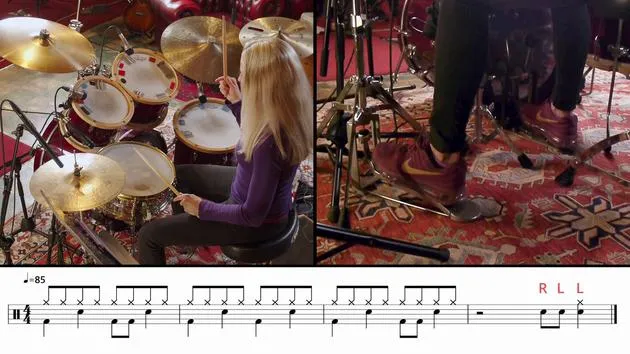
12. Beispiel 4 - 'The Dogg' Takte 13-16
1:56
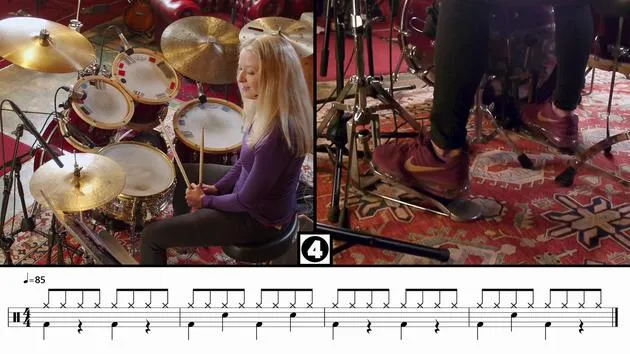
13. Bonusübung 1
1:04
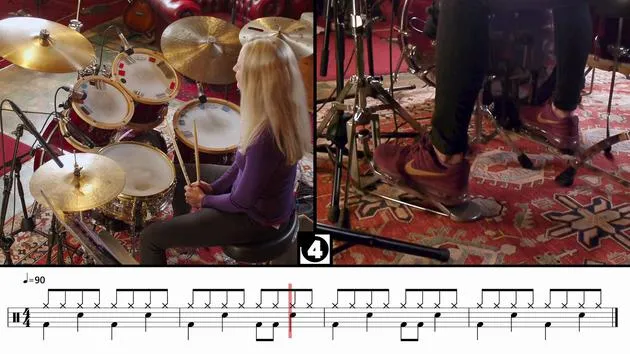
14. Bonus-Übung 2
1:09
15. Zusammenfassung des Hip-Hop-Abschnitts
0:32
01. Einführung in die Stücke
1:04
02. Piston (Rock) - Walkthrough
4:57
03. Piston (Rock) - Performance
0:46
04. Take it to the Top (Pop) - Durchgang
3:58
05. Take it to the Top (Pop) - Interpretation
0:50
06. Borderlands (Country) - Walkthrough
3:49
07. Borderlands (Country) - Aufführung
0:48
08. Power Trip - Durchgang
5:04
09. Power Trip (Metal) - Performance
0:51
10. Big Mouth (Indie) - Durchgang
5:26
11. Big Mouth (Indie) - Performance
0:52
12. The Dogg (Hip Hop) - Durchgang
6:14
13. The Dogg (Hip Hop) - Aufführung
0:51
14. Overload (Rock) - Durchgang
5:23
15. Overload (Rock) - Interpretation
0:50
16. Slam (Metal) - Durchgang
4:28
17. Slam (Metal) - Interpretation
0:51
18. Under the Radar (Indie) - Walkthrough
5:02
19. Under the Radar (Indie) - Interpretation
0:50
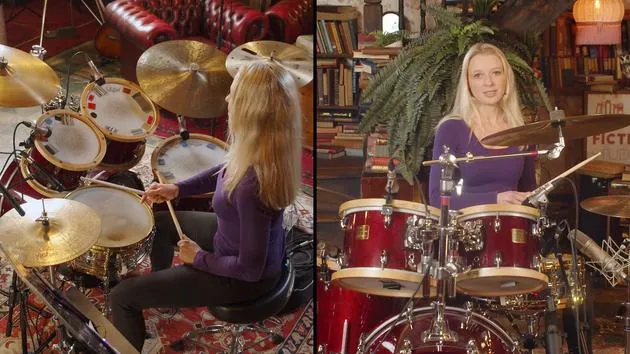
Transkript der Lektion
Bass Drum Technique Check-In
Before we dive into the next set of examples, let’s take a moment to check in with you about your bass drum technique.
Reflection on Techniques
You’ve had a chance to play some bass drum exercises. Now, you may have tried:
-
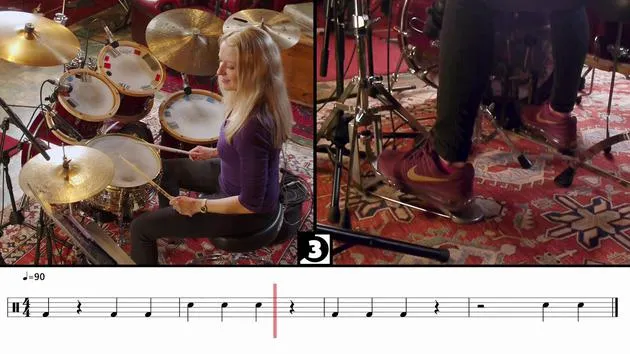
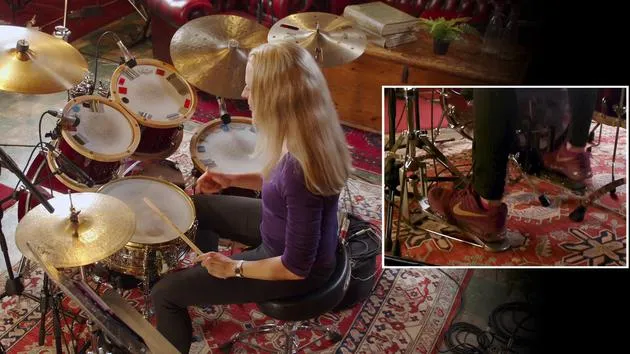
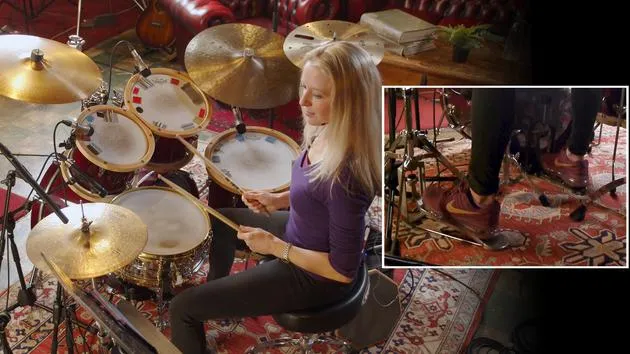
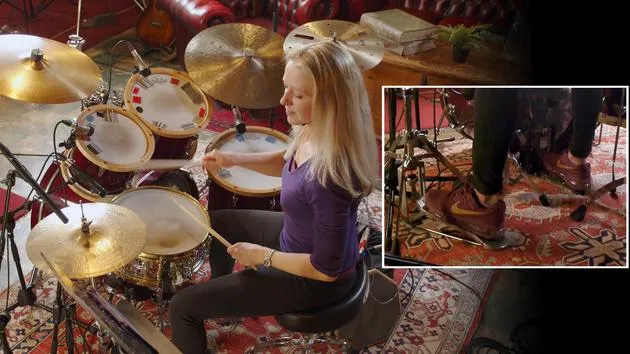
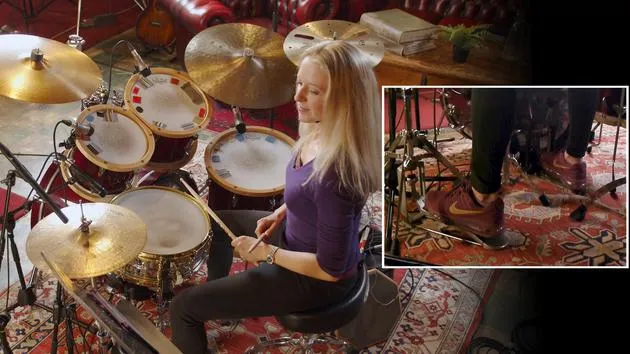
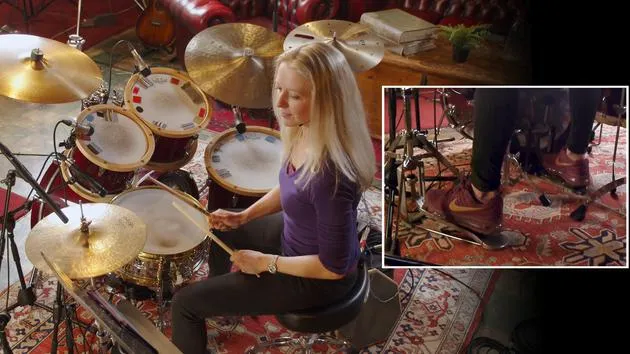
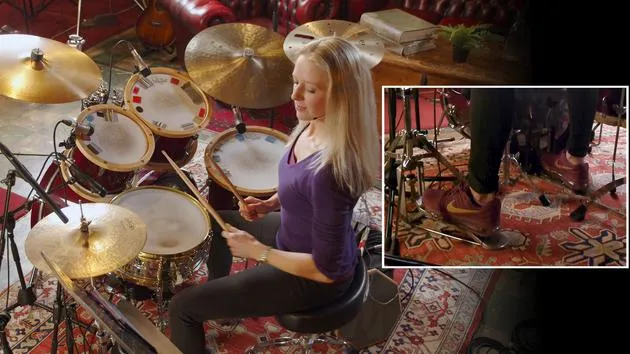
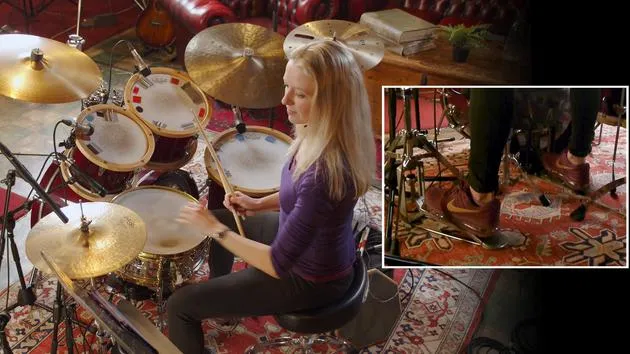
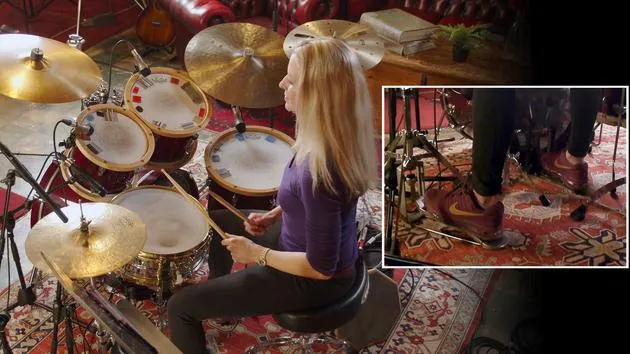
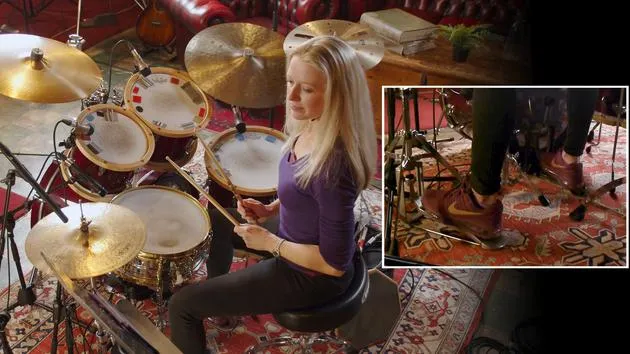
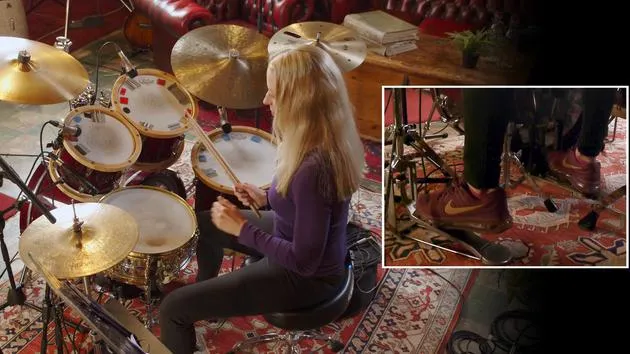
Heel Down Technique: This technique involves keeping your heel on the bass drum pedal board, with your foot not lifting off at all.
-
Heel Up Technique: If you've experimented with this, you might have been burying the beater.
Burying the Beater
Burying the beater means leaving the beater of the bass drum pedal on the bass drum head. This results in a slightly deader sound, where the bass drum doesn’t resonate as much. Essentially, it stops the note when you play it.
This sound would resemble:
[Sound Example of Burying the Beater]
However, the downside for me is that it can put considerable pressure on the knee after a while. Personally, I don’t use this technique, although many players I admire do.
Finding What Works for You
As always, I encourage you to:
- Find the sound you like.
- Discover what feels comfortable for you.
If you experience any pain, I recommend stopping that particular technique.
Proximity to the Kit
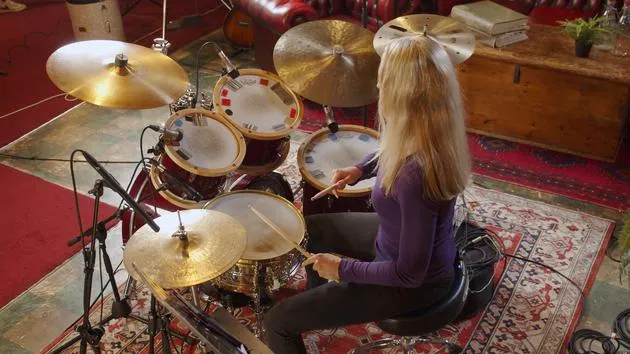
Another factor that can affect our bass drum technique is our proximity to the kit:
-
Sitting too far away: This might cause you to reach more to play the bass drum, affecting your comfort and speed.
-
Sitting too closely: This can affect how much weight is applied to the pedal.
Tip: Find a comfortable position; perhaps a neutral stance where you feel balanced and not leaning too much in any direction.
Combination of Techniques
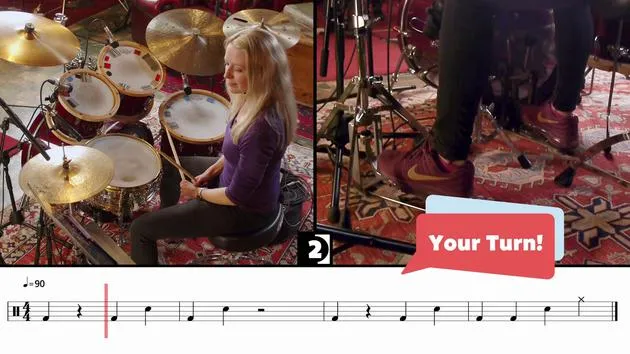
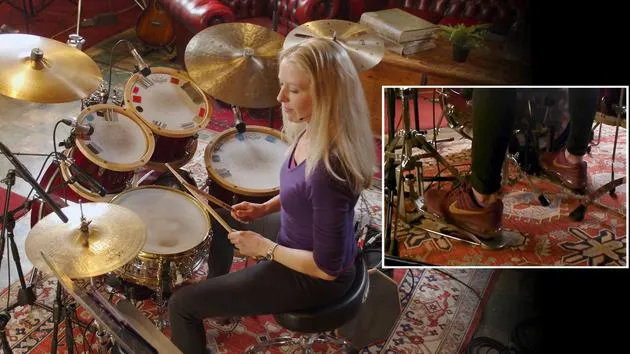
As mentioned, I use a combination of heel down and heel up. For example:
- First Note: Played with the toes.
- Second Note: The whole foot lands on the pedal.
You can also achieve a kind of swivel effect, which many players I admire utilize.
Conclusion
To summarize, there’s no definitive right or wrong in bass drum techniques. What's "wrong" only pertains to whether it's causing you pain or discomfort.
Ultimately, do what feels best for you!
114 Lektionen
3 Std. 47 Min. strukturierte Videolektionen
Erweiterte Videofunktionen
Verlangsamen, Passagen loopen, mitlesen
Handy, Tablet & Desktop
Üben, wo du willst
100 % Zufriedenheitsgarantie
30 Tage Geld-zurück-Garantie
Lern deinen Guru kennen
Lern deinen Guru kennen
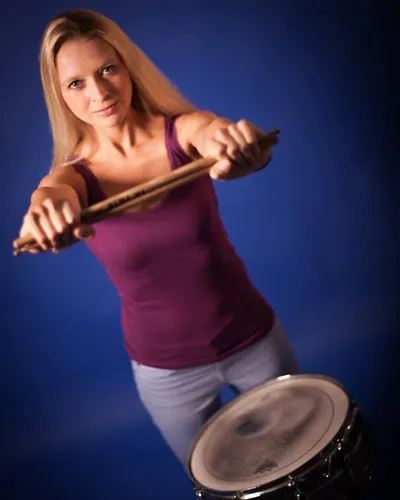
Sophie Alloway ist eine Session- und Tourschlagzeugerin im Herzen der Londoner Jazzszene. Sie ist mit Jason Rebello, Yazz Ahmed, Laurence Cottle und Tony Allen aufgetreten und spielte bemerkenswerterweise für Prinz Charles im Buckingham Palace, kurz bevor dieser König wurde.
Zu ihren Tour-Credits zählen Roots Manuva, das Musical Thriller und Paul Stacey (Oasis / The Black Crowes). Außerdem ist sie die Schlagzeugerin der Original-Fusion-Band Lydian Collective, die über sechs Millionen Streams auf Spotify verzeichnet.
Sophie hat Sessions in den Studios Abbey Road, AIR und Angel aufgenommen, und zu ihren Fernsehauftritten gehören Later… with Jools Holland, Glastonbury und zwei Staffeln von Adrian Dunbars Drama Ridley. Sie ist auf Abbey Road Masters: The Drum Sessions zu hören und spielte für die Finalisten des BBC Young Jazz Musician 2024, ausgestrahlt im BBC-Fernsehen und -Radio. Jon Newey von Jazz FM nannte sie die „Göttin des Grooves“.







