



Tipps und Abschluss
Mit
Brian Funk
Das steckt im Kurs
30 Lektionen (2h 20m) · 1 gratis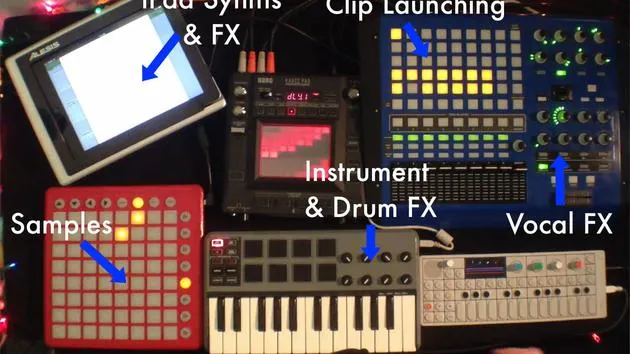
Transkript der Lektion
Music Lesson Wrap-Up
Okay, so that about wraps it up. I hope some of this stuff has helped you out and given you some ideas on how you can use Live to play live.
Expressive Instrument
It's really an expressive instrument. As a piece of software, I think of it as turning the studio into an instrument. It allows you, maybe as a solo performer, to go out and get these full-fledged ideas out in front of an audience. And that's a lot of fun. It's great for playing with other people and bands. There's a lot of cool stuff you can do.
Tips for Playing with Others
Something I'd like to point out: if you are playing with other people, say you have a drummer that needs to hear your tracks.
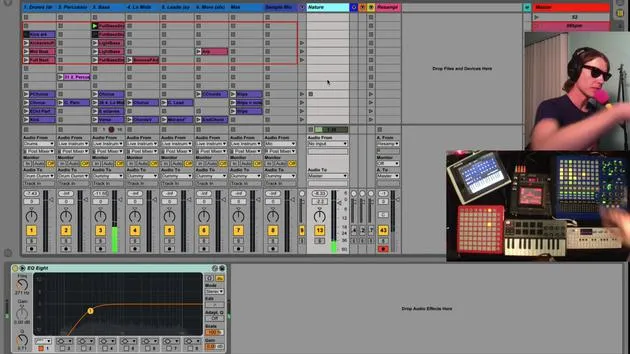
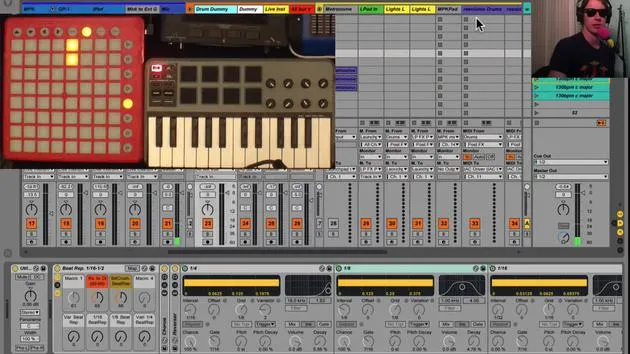
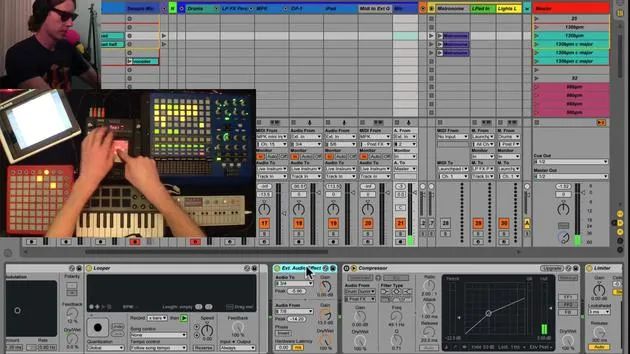
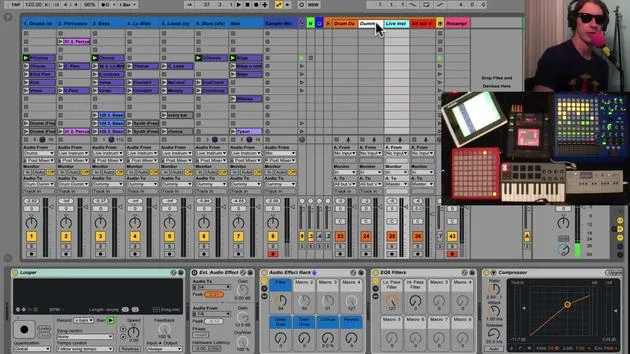
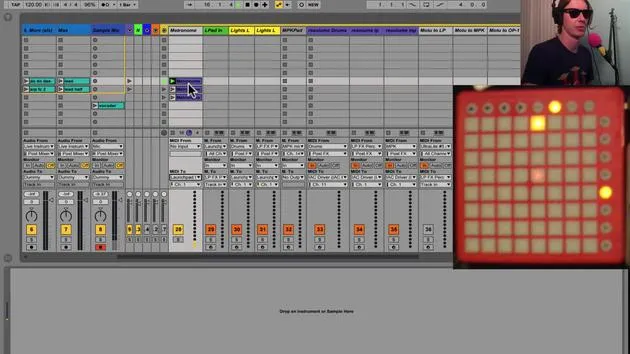
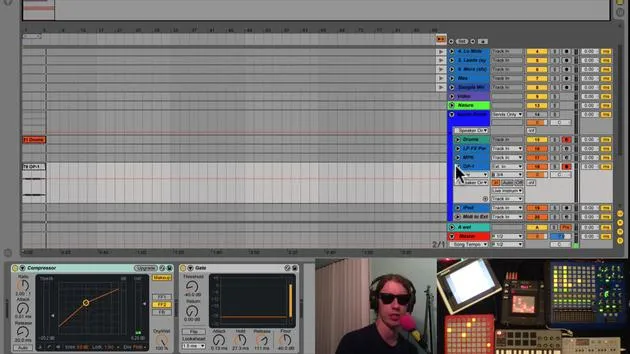
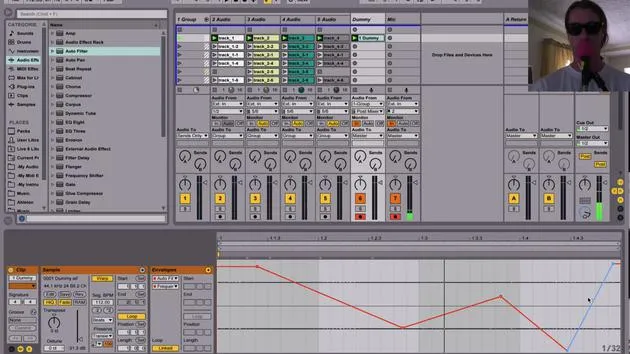
- Using Cue Outputs: If you have separate outputs on your audio interface, you can send just the metronome to your drummer, for instance.
- Select maybe 3, 3, 4 or whatever output you want.
- Now, when I turn on my metronome and hit play, you're not going to hear the metronome, but it is coming out of 3 and 4.
- If I put it back to 1 and 2, we'll start hearing it.
Now, you don't want that playing for the crowd, but your drummer might need it, and it can be really handy.
Live Performance Advice
Experiment and Interact
Some tips, some advice to think about when you're playing live:
- It's very easy to get caught up in thinking everything has to go a certain way.
- Don't be afraid to experiment. Try things out!
- Watch your audience. If they're not feeling the song, maybe don't play the third chorus again or consider shortening it.
- Transition to something else. Try a different mood or feel.
- Interact with your audience. Talk to them. It's part of the live performance; it's this exchange of energy.
Planning Your Live Performance Rig
Things to consider for planning your live performance rig:
-
Plan It Out:
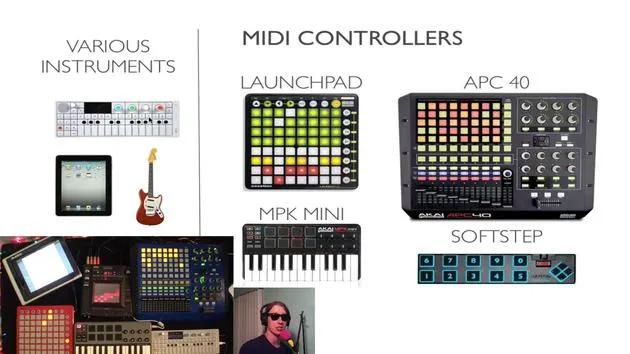
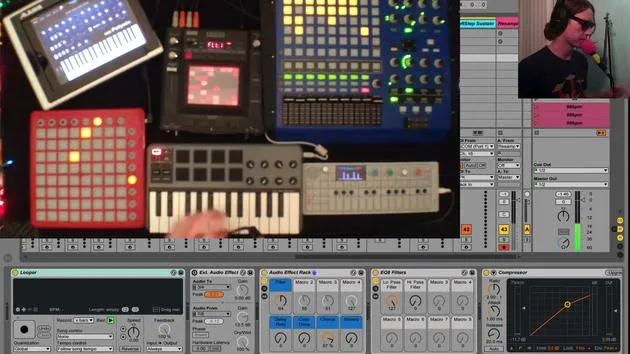
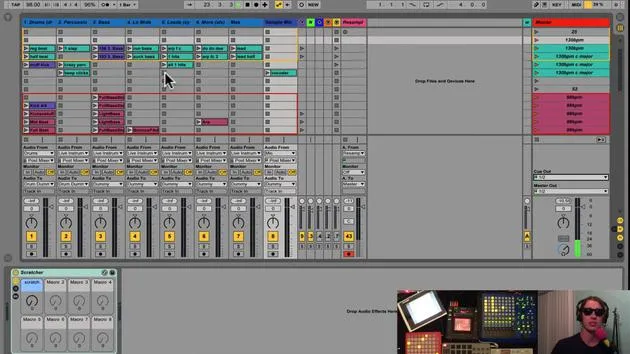
- Draw pictures.
- Label your controllers.
- Use stickers or pieces of paper next to you to see what everything does.
-
Don't Over Plan:
- It's easy to get stuck trying to make the perfect setup and never play live.
- My advice: get in there and start building your set.
- A lot of your plans won't work as expected, and you might find better ways once you start setting it up.
Work in Progress
- Think of your live setup as a work in progress.
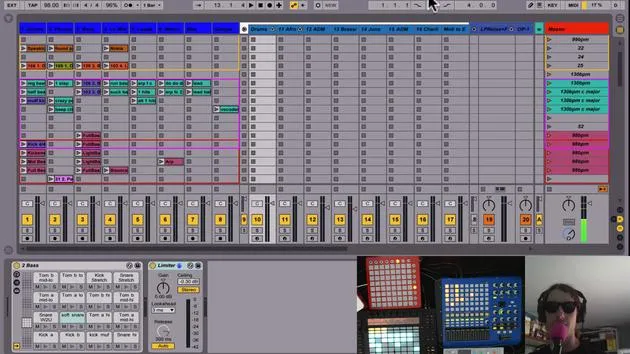
- I've been building this live set for many years; it continually evolves.
Save Your Work
Before you do anything major, always save a copy:
- Use "Save As" in Live, rename it, and start experimenting with that.
- This way, you're not afraid to ruin your live set because you always have the old copy.
Avoid Major Changes Before a Gig
- If you have a gig coming up in a few days, don't make any major changes.
- Get used to your setup, and be really comfortable with it before you go out.
Remember the Main Goal
Lastly, don't lose the plot. Remember what you're really trying to do here:
- You're trying to go out and play music, not create the perfect setup.
- So go make music!
Your setup's never going to be perfect. It's really just your dedication and your ability to sit down and start working at it.
I sincerely hope this has helped you guys. I really do appreciate you watching this, and I'd love to see what you guys start doing with some of this information. Thank you very much!
30 Lektionen
2 Std. 20 Min. strukturierte Videolektionen
Erweiterte Videofunktionen
Verlangsamen, Passagen loopen, mitlesen
Handy, Tablet & Desktop
Üben, wo du willst
100 % Zufriedenheitsgarantie
30 Tage Geld-zurück-Garantie
Lern deinen Guru kennen
Lern deinen Guru kennen
Brian Funk ist Musiker, Produzent, Songwriter und Ableton Certified Trainer. Seit 2014 unterrichtet er den Kurs Advanced Music Production with Ableton Live für das Berklee College of Music. Er hat in tourenden Rockbands Gitarre, Bass, Schlagzeug und Synthesizer gespielt und gesungen, und konzentriert sich heute auf sein elektronisches Solo-Set, mit dem er seine Studio-Experimente auf die Bühne bringt.
Brian liebt das Schreiben, das Unterrichten und das Sounddesign. Er produziert Ableton-Live-Tutorials und Sound Packs und veröffentlicht seit 2011 kostenlose Ableton Live Packs – bislang über 125. Als Ableton Certified Trainer hat er Unterricht und Seminare gegeben, die jede Phase des Produktionsprozesses abdecken, und schreibt regelmäßig auf seinem Blog sowie für andere Publikationen.
Beeinflusst von Rock and Roll, Videospielen, frühem Hip Hop, Punk und Electronica – von The Beatles, Neil Young, Nirvana und Aerosmith bis hin zu Neon Indian – beschreibt er seinen eigenen Sound als 'futuristisch und doch nostalgisch'. In seinem MusicGurus-Kurs Live Performance in Ableton Live zeigt er dir, wie er Studio-Ideen in ein echtes, praxisnahes Live-Set verwandelt: Sounds sampeln und daraus spielbare Instrumente machen, Gitarren und Synths durch elektronisches Equipment leiten und live spielend und singend spontan mischen und komponieren. Am Ende bist du in der Lage, dein eigenes elektronisches Set selbstbewusst aufzubauen und zu performen.







